Shotgun Slugs for Indiana Deer
For years, many Indiana deer hunters faced limitations when it came to firearms, often relying on shotguns loaded with slugs to pursue whitetails in our diverse landscapes, from the thick southern hills to the expansive northern farmlands. Even with recent changes to statewide rifle regulations, the trusty shotgun slug hasn't vanished from our hunting camps. This guide will walk you through everything you need to know about effectively using shotgun slugs for deer hunting in Indiana, covering the types of slugs, how they perform, and practical tips for success in the field.
The Enduring Role of Shotgun Slugs in Indiana Deer Hunting
It wasn't that long ago that shotgun slugs were practically the only game in town for many Indiana firearms deer hunters. For generations, we adapted our tactics and gear around these powerful, albeit limited, projectiles. While the landscape of permissible firearms has changed, the effectiveness and utility of a well-placed slug remain, making them a viable and often preferred choice for many hunters across the state.
Historical Context and the Shift in Regulations
For decades, Indiana had fairly restrictive firearms regulations for deer hunting, primarily limiting hunters to shotguns, muzzleloaders, and certain pistol-caliber carbines or straight-wall cartridges. This meant that if you weren't bowhunting or using a smoke pole, a slug gun was your primary tool during the firearms season. We became incredibly proficient with them, learning their nuances and limitations. Generations of Hoosier hunters cut their teeth on slug guns, figuring out how to get the most out of them in thick cover and across varying terrain. The sheer volume of deer taken with shotguns over the years speaks volumes about their capability when used correctly.
Then came the significant change, allowing hunters to use a wider array of high-powered rifles, effectively removing the case length restrictions that previously limited us. This was a game-changer for many, opening up new possibilities for longer shots and different calibers. You can find more details on this shift in Indiana's New Statewide Rifle Rules. While the new rules brought excitement, they didn't diminish the fact that a well-handled slug gun is still an incredibly potent deer-dropping machine, especially in the right conditions and terrain.
When Shotgun Slugs Still Make Sense
Even with the option of modern rifles, there are plenty of scenarios where a shotgun slug remains an excellent, if not superior, choice for an Indiana deer hunter. Think about hunting dense cover, like the thick creek bottoms of the Wabash River Valley, or those incredibly brushy fencerows separating cornfields in northern Indiana. In these environments, shot distances are often short, rarely exceeding 75 to 100 yards. A slug, particularly from a modern sabot setup, performs exceptionally well within these ranges.
Another common scenario where slugs shine is during deer drives on public land or smaller private woodlots. These are often close-quarters engagements, with deer busting through thickets at relatively short distances. The quick handling and stopping power of a slug gun can be ideal for these situations. Additionally, for hunters who have invested in a high-quality slug gun setup over the years and are deeply familiar with its performance, there’s little reason to switch if it continues to deliver results. Comfort and familiarity with your firearm are huge assets in the deer woods, and if your slug gun gives you that confidence, stick with it.
Types of Shotgun Slugs and Their Performance
When we talk about shotgun slugs, it's not a one-size-fits-all conversation. There are distinct types designed for different shotgun barrel configurations, and understanding these differences is crucial for maximizing accuracy and effectiveness in the field. Using the wrong slug in the wrong barrel is not only inefficient but can be incredibly frustrating when you're trying to hit a target.
Rifled Slugs for Smoothbore Barrels
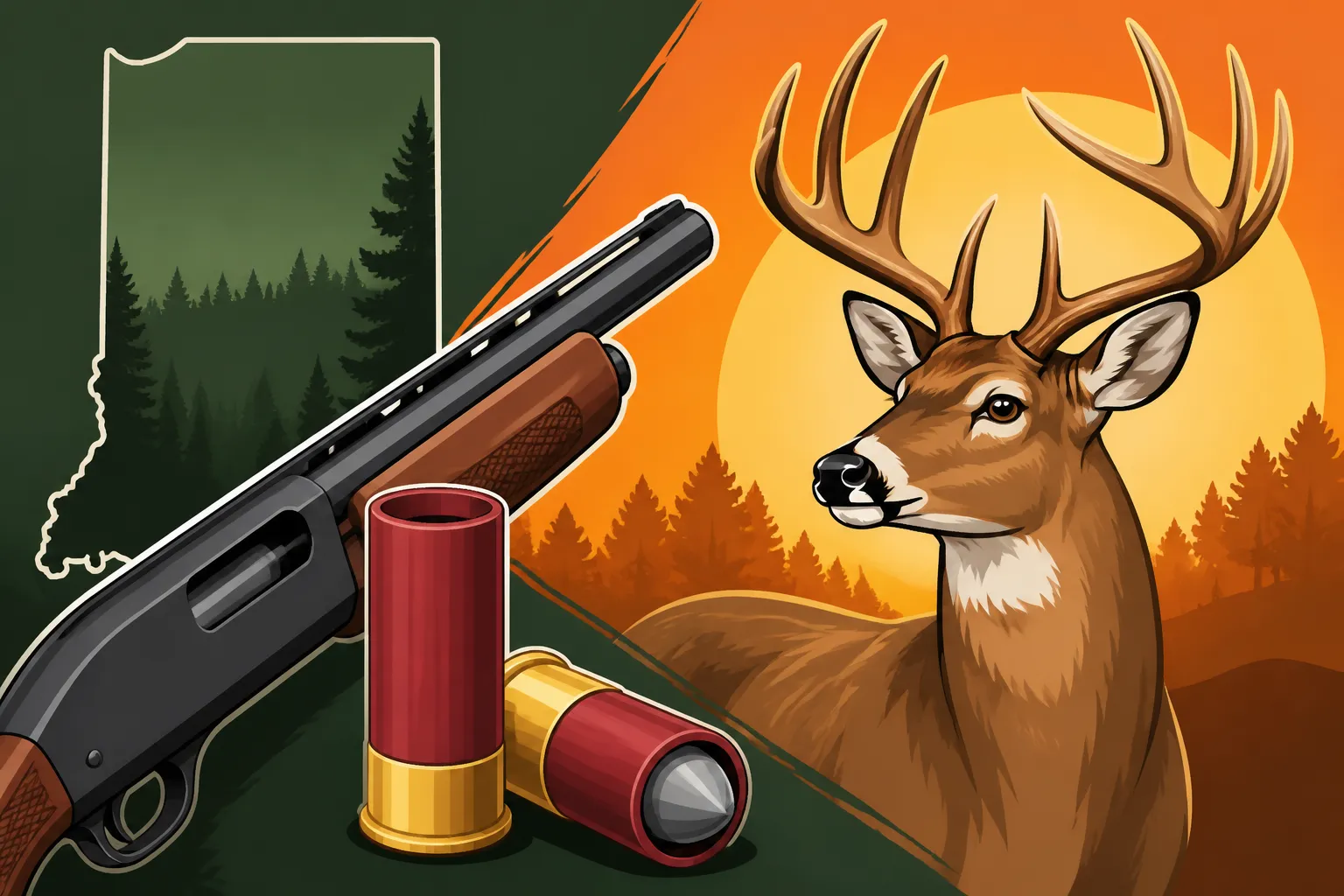
The traditional "rifled slug" (often called a Foster slug, after its inventor) is probably what most people picture when they think of a shotgun slug. These slugs are designed for shotguns with smoothbore barrels, meaning the inside of the barrel is completely smooth, just like a standard bird hunting shotgun. The "rifling" on the slug itself isn't meant to impart spin like a rifle barrel would. Instead, these fins or grooves are there to help the slug compress when passing through a choke and to stabilize it aerodynamically in flight, much like the feathers on an arrow.
Rifled slugs are typically made of soft lead and are designed to deform on impact, transferring a significant amount of energy to the target. They are generally most accurate at shorter ranges, usually out to 75 yards, with some highly accurate smoothbore setups stretching that to 100 yards. They are incredibly powerful at these distances and are often a cost-effective option. If you're hunting with a standard bird gun and simply swapping out your birdshot for deer season, these are the slugs you'll want to use. You can even use these slugs effectively from an old pump-action passed down through the family, the kind many of us grew up with.
Sabot Slugs for Rifled Barrels
Sabot slugs are a completely different animal, built for precision and longer-range performance when paired with a shotgun that has a rifled barrel. A "sabot" (pronounced saa-bow) is a plastic sleeve that encases a smaller, typically bullet-shaped projectile. This sabot engages the rifling in the barrel, imparting a spin to the projectile, just like a rifle bullet. Once the slug leaves the barrel, the sabot separates, allowing the aerodynamic projectile to continue its flight with spin stabilization.
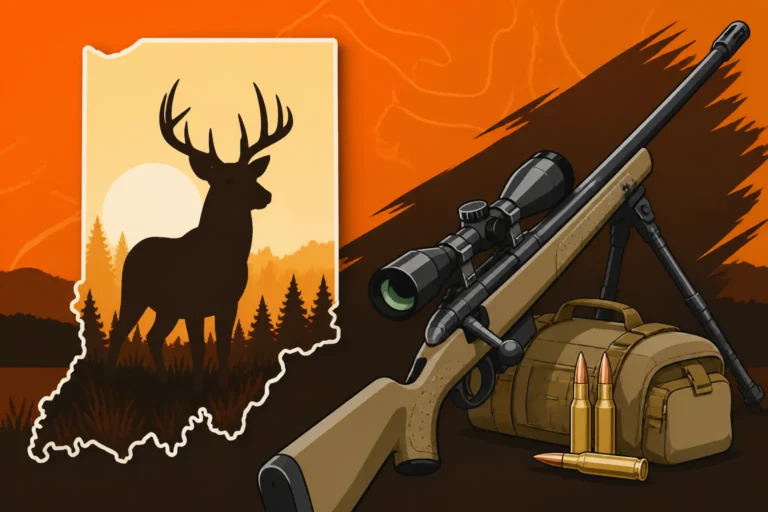
This design dramatically improves accuracy and extends the effective range of a slug gun, often out to 150-200 yards with a good scope and proper ammunition. The projectiles themselves are often made of harder lead alloys or copper, designed for controlled expansion. If you have a dedicated slug gun with a fully rifled barrel or a rifled slug barrel attachment, sabot slugs are the only way to unlock its true potential. Trying to shoot rifled slugs through a rifled barrel can cause lead fouling and won't give you the accuracy you're looking for. It's really about matching the ammunition to the tool. For more on barrel types, check out Rifled Versus Smoothbore Slug Barrels.
Understanding Slug Performance and Range
The performance of shotgun slugs, especially concerning range and accuracy, varies significantly based on the type of slug, the shotgun it's fired from, and the specific ammunition brand. Here's a quick comparison:
| Slug Type | Barrel Type | Typical Accurate Range | Projectile Characteristics | Common Uses |
|---|---|---|---|---|
| Rifled (Foster) | Smoothbore | 50-75 yards | Soft lead, expands rapidly | Dense cover, drives, close-range hunting |
| Sabot | Rifled | 100-200 yards | Harder lead/copper, controlled expansion | Open woods, field edges, longer shots |
For a smoothbore shotgun, even with the best rifled slugs, you're generally looking at ethical shot distances under 100 yards. Past that, accuracy often drops off dramatically, and energy transfer might not be sufficient for a clean kill. With a dedicated rifled slug barrel and sabot slugs, however, you can achieve rifle-like accuracy and energy out to 150-200 yards. Some advanced sabot setups push even further, but for most Indiana hunting situations, 200 yards is pushing the practical limit, especially in timber. Understanding your firearm's Practical Range in Indiana Timber is paramount. To really dial in your distances, many hunters use tools like GoHunt to mark yardage on aerial maps when scouting a new area, helping them visualize those crucial ranges.
Practical Considerations for Hunting with Slugs
Hunting with shotgun slugs requires a thoughtful approach, from setting up your firearm to employing effective field tactics. It's not just about pointing and shooting; it's about understanding your equipment's capabilities and knowing how to apply them in the varied environments of Indiana.
Choosing the Right Shotgun and Setup
Your choice of shotgun and how you set it up will significantly impact your success with slugs. For smoothbore hunters, a standard pump-action or semi-automatic shotgun can be perfectly effective. The key is finding the right rifled slug ammunition that your particular gun "likes." Some smoothbore barrels will shoot certain brands of slugs much more accurately than others, so testing is essential. A simple bead sight might be sufficient for very close ranges, but for anything beyond 30-40 yards, adding a cantilever scope mount to your smoothbore barrel or using iron sights designed for slugs will drastically improve your accuracy.
For those serious about slug hunting, investing in a dedicated slug gun with a fully rifled barrel is a game-changer. These barrels often come with cantilever scope mounts, allowing you to mount an optic directly to the barrel itself, preventing loss of zero when removing the barrel for cleaning or transport. Pairing this with a good quality low-power variable scope (1-4x or 2-7x is often plenty) will give you a potent, accurate setup capable of reaching out further. Don't underestimate the value of a solid slug gun. Many hunters still prefer their trusted Shotgun Slug Guns for Indiana Deer over any rifle option.
Ammunition Selection and Patterning Your Gun
This might be the most critical aspect of successful slug hunting: finding the right ammunition for your gun and then patterning it meticulously. Just like a rifle might prefer a certain bullet weight or brand, a shotgun will show a clear preference for specific slugs. Buy a few different brands and types of slugs – both rifled and sabot, depending on your barrel – and head to the range.
Patterning your slug gun isn't about shooting a tight group at 100 yards right away. Start at 25 yards to get on paper, then move back to 50 yards, and finally to your maximum effective range (e.g., 75 yards for smoothbore, 100-150 for rifled). Shoot multiple 3-shot groups with each type of slug. You'll quickly see which brand and type your gun shoots most consistently. Once you find the "sweet spot" ammunition, buy a good supply of it. Remember, slight variations in manufacturing can affect point of impact, so consistency is key. Proper zeroing, even if it's for 100 yards for close-range timber, is crucial, as detailed in Zeroing at 100 Yards for Woods Hunting. Apps like GoHunt can help you log your shots and trajectory details right there at the range, making it easier to track which slugs perform best.
Field Tactics for Slug Hunters
Hunting with slugs often means hunting in terrain where shots are expected to be relatively close. This naturally lends itself to certain tactics:
- Still-Hunting: Moving slowly and deliberately through timber, pausing frequently to scan for deer, is a classic slug gun tactic. You're constantly looking for movement in thickets, creek beds, and along ridge lines, ready for a quick, close shot. Still-Hunting Southern Indiana Ridges is a prime example of where this technique shines.
- Stand Hunting in Cover: Positioning yourself in a treestand or ground blind along natural funnels, pinch points, or food sources in dense cover is highly effective. Think about those narrow strips of timber between corn and soybean fields, or a thick transition area where deer move between bedding and feeding. You know the deer are coming close, and your slug gun is ready for the task.
- Deer Drives: Shotgun slugs are fantastic for organized deer drives, especially on public lands or larger private tracts with significant cover. The stopping power and relatively short effective range are well-suited for pushing deer through thickets towards waiting standers. Having a team of hunters with good communication and understanding of the terrain, as outlined in Deer Drives With Three or Four Hunters, can be very successful.
- Considering the Shot Angle: Slugs are heavy and carry a lot of energy, but you still need to be mindful of shot angles, especially in dense cover where a clean pass-through might be less likely than with a high-velocity rifle bullet. Always aim for the vital organs, and be patient for the broadside or slightly quartering-away shot.
- Scouting and Terrain: Spend time scouting your hunting area to identify where deer will move at close range. Funnels, creek crossings, thick bedding areas, and transition lines are all prime spots. Using mapping tools like GoHunt to study aerial imagery can help you identify these features before you ever set foot in the woods, giving you a significant advantage.
No matter the changes in regulations, the shotgun slug remains a powerful and effective tool for Indiana deer hunters. With the right setup, careful ammunition selection, and smart field tactics, you can confidently pursue whitetails across the Hoosier State.
Disclaimer
This article is for general informational purposes only and does not constitute professional advice. Laws, prices and regulations vary by location and change over time. Consult a qualified professional for guidance on your specific situation.