Two-Way Radios on a Deer Drive
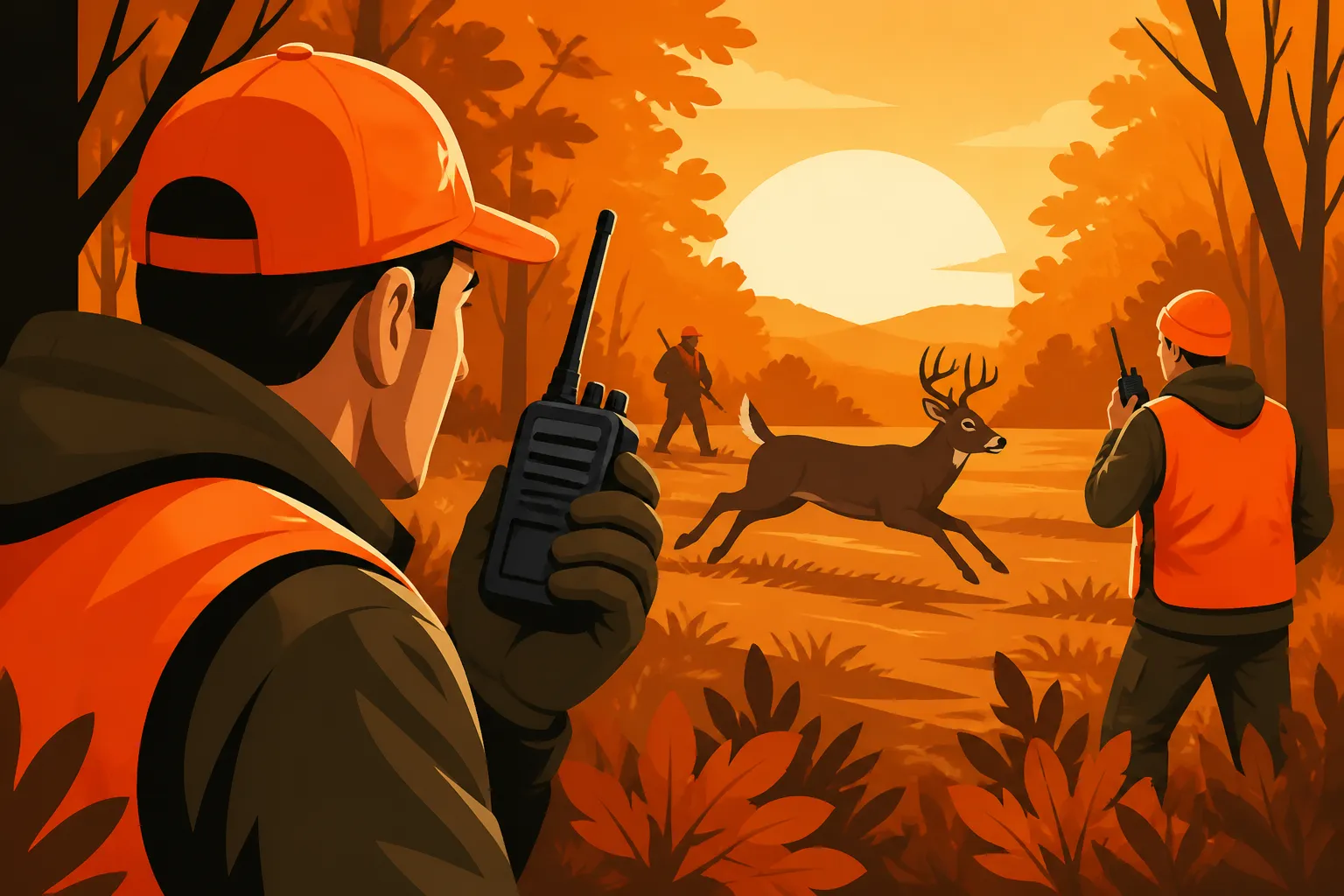
There's nothing quite as frustrating, or frankly, as dangerous, as a deer drive that goes sideways because of a breakdown in communication. Whether you're pushing a small woodlot with a couple of buddies or trying to orchestrate a larger effort on public land, losing track of where everyone is, or not being able to clearly convey deer movement, can turn a well-intentioned plan into a chaotic mess. This guide is all about bringing clarity and safety to your deer drives by properly integrating two-way radios into your hunting strategy, making sure everyone is on the same page from start to finish.
Why Two-Way Radios Are Non-Negotiable for Effective Deer Drives
Deer drives, when done right, can be an incredibly effective way to move deer and create shot opportunities, especially in areas with thick cover or during the late season when deer are holed up. However, the inherent challenge lies in coordination. Without a reliable way to communicate, drives quickly devolve into guesswork, leading to missed opportunities and, more importantly, potential safety hazards. Two-way radios are the single most important piece of gear to mitigate these risks and maximize your success.
Enhancing Safety and Accountability
Imagine a scenario where a hunter on the drive route accidentally stumbles into a dense, overgrown creek bottom and twists an ankle. Or, even more critically, a shooter unexpectedly sees another driver emerge from the thicket in an area they didn't anticipate. Without immediate, clear communication, these situations can quickly become serious. Two-way radios provide an instant lifeline. Knowing where everyone is and being able to communicate unexpected movements or emergencies is paramount. You can quickly alert the group to a potential hazard, redirect a driver who's off course, or call for help if someone gets injured. It’s about more than just harvesting a deer; it’s about ensuring every member of your hunting party makes it home safe at the end of the day. This level of accountability is something you simply cannot achieve with hand signals or shouting, especially in the vastness of Indiana's hunting grounds.
Improving Coordination and Efficiency
The success of a deer drive hinges on precise timing and knowing what's happening. Think about pushing a block of timber on a cold December morning. As the drivers slowly make their way through the cover, they might jump deer that take an unexpected route. With radios, a driver can immediately call out "Deer crossing the logging road, headed north towards stand 3!" This real-time information allows the standers to anticipate the deer's movement, adjust their focus, and be ready for a shot. Without radios, that information might never reach the standers in time, or it would be relayed too late via guesswork. This level of coordination transforms a haphazard push into a strategic maneuver. It also allows you to make adjustments on the fly, such as having a driver slow down or speed up to maintain spacing, or redirecting effort if deer are consistently breaking out a certain side.
Overcoming Terrain Challenges and Distance
Indiana's landscape is incredibly varied, from the rolling hills and thick forests of the southern portion of the state to the flatter, more agricultural lands and woodlots up north. Each presents its own communication challenges. A large block of Hoosier National Forest timber can easily swallow voices and hand signals, while a long, winding fencerow in flat farmland can still put significant distance between hunters. Two-way radios cut through these obstacles. They allow you to maintain contact even when dense foliage, elevation changes, or open distances would render traditional communication methods useless. Being able to talk to your partners who are out of sight, sometimes hundreds of yards away, is a game-changer for effective drives, ensuring that every corner of the intended drive area is covered and no deer slips through unnoticed simply because of a communication gap.
Choosing the Right Two-Way Radios for Your Hunting Group
When it comes to two-way radios, it's not a one-size-fits-all situation. The ideal choice for your hunting party will depend on a few factors: the typical terrain you hunt, the number of people in your group, and your budget. Understanding the different types available and what features truly matter for hunting will help you make an informed decision that enhances your deer drive experience.
FRS and GMRS Radios: The Common Choice
For most hunting groups, Family Radio Service (FRS) and General Mobile Radio Service (GMRS) radios are the most common and accessible options. FRS radios are low-power, short-range devices that don't require a license, making them a popular choice for casual use. They're excellent for smaller groups operating in relatively open terrain or close quarters, like coordinating a quick drive through a small woodlot adjacent to a cornfield.
GMRS radios, on the other hand, offer higher power output, which translates to a greater range and better penetration through obstacles like dense trees or rolling hills. They also have more channels and privacy codes, reducing interference. However, using GMRS radios does require an FCC license, which covers your entire family for a period of time, not per individual radio. This is a crucial distinction to understand. Many popular hunting-specific radios, especially those often seen in outdoor stores, will be GMRS radios due to their superior range. When shopping, check the packaging to see if it's FRS, GMRS, or a combination unit. The extra range of GMRS can be invaluable when trying to coordinate Deer Drives With Three or Four Hunters across a larger timber block or if you're spreading out more to cover a big area like on Hunting Northern Indiana Farmland Deer.
When evaluating FRS/GMRS units, look for:
- Durability: Hunting means exposure to dirt, moisture, and bumps. Look for rugged, water-resistant designs.
- Battery Life: You'll be out all day, often in cold weather that drains batteries faster. Good battery life and options for rechargeable batteries are key.
- Range Claims: Take advertised "up to X miles" range with a grain of salt. These are usually in ideal, line-of-sight conditions. Real-world hunting range will be significantly less, especially in heavy timber. Focus on units known for good real-world performance in challenging environments.
- Channel and Privacy Codes: More options here can help you avoid other hunting groups using the same channels.
Advanced Communication Systems and GoHunt Considerations
While FRS/GMRS radios are great for most, some groups might consider more advanced options, especially if they are frequently hunting very large, rugged public land tracts or participating in extensive search and recovery efforts. These might include business band radios (which require a more complex license and typically professional programming) or satellite communicators (which are for emergencies and text messaging, not real-time voice chat). For the typical deer drive, these are usually overkill.
However, modern hunting often integrates mapping applications. Using a platform like GoHunt to scout your hunting area and plan your drive route beforehand can be hugely beneficial. You can map out stand locations, driver paths, and potential escape routes for deer. This pre-planning, combined with your radios, creates a seamless communication strategy. Imagine one hunter calling out "Deer moving exactly along the creek bed, just like we marked on GoHunt!" This level of integration between your mapping and your real-time communication is where modern hunting truly shines. While GoHunt itself doesn't provide the radio communication, it provides the visual framework over which your radio chatter becomes incredibly effective and precise.
Key Radio Features for Deer Hunting
Beyond the type of radio, specific features can make a big difference in the field:
- Voice-Activated Transmission (VOX): This allows you to transmit without pressing a button, which can be handy if your hands are full with a rifle or bow. However, it can also pick up ambient noise, so test it thoroughly.
- Call Alerts: A distinct tone can alert your partners that you're trying to reach them, especially if they're not actively listening.
- Headset/Earbud Compatibility: This is crucial. Using an earpiece allows you to hear communication clearly without alerting deer with a loud radio speaker. Many hunters find a simple earbud sufficient, while others prefer a full headset, especially in noisy conditions or to protect hearing from gunshots. This also keeps your hands free and your radio tucked away.
- Weather Alerts: Some radios include NOAA weather alerts, which can be useful for staying informed about changing conditions, especially relevant for Cold-Weather Sitting Strategy in Indiana or unexpected storms.
- Rechargeable vs. Disposable Batteries: Rechargeable batteries are environmentally friendly and cost-effective in the long run. Having spare, fully charged battery packs is a must. If using disposable, always carry extras, especially in cold weather.
- Privacy Codes (CTCSS/DCS): These codes filter out unwanted conversations from other radio users on the same channel. While not truly "private," they make communication much clearer by only opening your receiver to transmissions using the same code.
Effective Communication Strategies During a Deer Drive
Having the best radios won't matter if your team doesn't have clear communication protocols. Confusion, mixed messages, or excessive chatter can be just as detrimental as no communication at all. Establishing a clear, concise, and disciplined approach to radio use is critical for a safe and successful drive.
Establishing Clear Communication Protocols
Before you even step out of the truck, sit down with your group and discuss how you'll use the radios. Assign specific roles: who is leading the drive, who is responsible for overall coordination, and what are the specific assignments for each driver and stander. Then, create a communication plan.
Key Protocol Elements:
- Channel Selection: Choose a clear channel and privacy code that's unlikely to be used by other hunters. Test it thoroughly to ensure everyone can hear and transmit clearly.
- Call Signs/Numbers: Assign each person a simple, distinct call sign or number (e.g., "Stander 1," "Driver 3," "Base"). This avoids confusion when multiple people are talking.
- Start and End Signals: Establish a clear signal for when the drive begins ("Drivers, push on my mark. Three, two, one, push!") and when it's officially over ("Drive is complete. All clear to move."). This is vital for safety to prevent anyone from moving too early or too late.
- Message Format: Keep messages short, clear, and to the point. Avoid unnecessary chatter. For example, instead of "Hey Bob, I think I just saw a deer, it was kind of brown, ran that way, maybe a doe," say "Stander 3 to Base, doe moving fast, left to right, between stands 3 and 4."
- "Stand-by" and "Go Ahead": If someone tries to contact you and you're busy (e.g., getting ready for a shot), simply say "Stand by." When you're ready, "Go ahead, Base." This prevents missed messages.
- Check-ins: Have a plan for periodic check-ins, especially on longer drives, to confirm everyone is okay and on track. For instance, "Base to all drivers, quick check-in. Report status." Each driver can respond, "Driver 1, good," "Driver 2, good," etc.
- Emergency Procedure: Clearly outline what to do in case of an emergency (injury, lost hunter, etc.). What code word or phrase signals an urgent situation? Who takes the lead in coordinating a response?
Using Radios for Real-Time Drive Adjustments
The real power of radios comes from their ability to allow for dynamic adjustments during the drive. As deer respond to pressure, they don't always follow the script.
Examples of In-Drive Adjustments:
- Deer Re-routing: "Stander 2 to Base, buck just turned hard south into the thick pines, heading towards the road instead of the cut bean field." Base can then instruct a driver to pivot or a different stander to be alert for a new path.
- Pacing the Drive: "Driver 1 to Base, I've hit a really thick briar patch, slowing down. Can Driver 2 slow slightly to maintain the line?"
- Unexpected Obstacles: "Driver 3 to Base, I've got a downed tree blocking the path here, going to go around to the left." This prevents standers from wondering why a driver isn't showing up as expected.
- Locating Deer Sign: "Driver 4 to Base, just jumped a fresh bed with heavy tracks heading east, likely a big buck. Focus attention on the east side of the thicket." This intelligence can help adjust where standers are looking or even where the next drive focuses.
Remember, clear communication isn't just about what you say, but how you say it. Keep it calm, clear, and professional, even when the adrenaline is pumping. Practice these communication protocols before your hunt, especially if you have new members in your group, to ensure everyone is comfortable and confident using the radios.
Legal, Ethical, and Practical Considerations for Radio Use
While radios are an incredible asset for deer drives, there are some important considerations to keep in mind, covering everything from regulatory compliance to basic field etiquette and equipment maintenance. Overlooking these aspects can lead to problems, ranging from annoying interference to outright legal issues.
Understanding Frequencies and Regulations
The biggest legal aspect for hunters is understanding FRS and GMRS regulations. As mentioned, FRS radios are license-free. GMRS radios require a license from the FCC, which covers an immediate family (meaning you and your family can use your radios without each individual needing a separate license). This license is typically valid for several years and involves a nominal fee. You can apply for it online through the FCC's website. It's important to differentiate between FRS and GMRS. Many radios sold today are hybrid units, capable of both. If you're using the higher power GMRS channels, you will need that license.
Beyond licensing, there's the ethical side of frequency use. Respect other users. If you find a channel that's already in use by another hunting group or other outdoor enthusiasts, move to a different one. It's simple courtesy and prevents frustrating interference for everyone. Also, understand that certain frequencies (like NOAA weather channels or emergency services) are off-limits for general communication. Most consumer radios will have these blocked or clearly marked.
Maintaining Etiquette and Battery Life in the Field
Radios are for communication, not constant chatter. Treat them like a utility, not a social media feed. Keep your transmissions brief and relevant to the hunt. Excessive talking can not only be annoying to your fellow hunters but can also spook deer. Sound travels, and even quiet radio chatter can carry further than you'd think in the quiet woods, especially when a buck is trying to pinpoint the source of a sound. If you are having a longer conversation, switch to a designated "chat" channel if your radios allow, or take it off the air.
Battery life is a constant battle, especially when hunting in Hunting the Late-Season January Lull when temperatures plummet. Cold drains batteries faster. Always start your hunt with fully charged batteries. If using rechargeable packs, carry a spare. If using disposable batteries, carry a fresh set. Consider using a radio pouch that keeps the unit close to your body, leveraging your body heat to help preserve battery life. Only turn on your radio when needed if battery life is critical, though for a drive, constant readiness is usually preferred. Many radios have a battery saver mode – enable it.
Table: Radio Tips for Indiana Deer Drives
| Aspect | Recommendation | Why It Matters |
|---|---|---|
| Radio Type | GMRS (with license) or higher-end FRS | Better range and penetration through varied Indiana terrain. |
| Durability | IPX4 or higher water resistance, rugged casing | Withstands rain, snow, drops, and general field abuse. |
| Battery Life | Minimum 10+ hours advertised, carry spares/power bank | Cold weather drains batteries fast; ensures communication all day. |
| Headsets/Earbuds | Essential for clear, discreet communication | Keeps hands free, allows quiet listening, prevents spooking game. |
| Channel Protocol | Pre-assign call signs, use clear start/stop signals, brief messages | Prevents confusion, enhances safety, ensures efficient communication. |
| Testing | Test range and clarity in your specific hunting area before the drive | Confirms functionality and identifies potential dead zones. |
| GoHunt Integration | Plan drive routes and stand placements on GoHunt, then communicate using radios | Visual strategy on map makes radio communication more precise and effective. |
| Off-Air Chat | Use a separate "chat" channel or take conversations offline | Reduces interference and keeps hunting channels clear for critical updates. |
| Blaze Orange | Ensure radios don't obscure required blaze orange/pink visibility | Safety is paramount; don't compromise visibility for radio access. |
Integrating Radios with Other Hunting Tools
Think of your two-way radios as part of a larger system. As mentioned, tools like GoHunt are fantastic for mapping out your drive. Before the season, spend time with your hunting partners using GoHunt's mapping features to plan out potential drive routes, mark stand locations, and identify natural funnels where deer are likely to travel. You can even mark anticipated deer escape routes. This preparation ensures that when someone calls out "Deer moving towards the Hunting a Funnel Between Two Woodlots that we marked on GoHunt," everyone knows exactly what they're talking about.
Likewise, combine radio use with other safety gear. Your blaze orange clothing is critical. Make sure your radio and harness don't obscure the required amount of orange. Carry a first-aid kit, and ensure everyone knows its location and how to use it. Knowing that your communication system is robust frees you up to focus on the hunt itself, knowing that if any issue arises, you can address it quickly and effectively. In southern Indiana, where you might be Reading a Ridge for Hoosier Forest Deer for a drive, the ability to communicate elevation changes and deer movement across those contours becomes especially important. Good radios allow you to coordinate pushes in these challenging landscapes, making your effort more successful and safer.
Disclaimer
This article is for general informational purposes only and does not constitute professional advice. Laws, prices and regulations vary by location and change over time. Consult a qualified professional for guidance on your specific situation.