Running Beagles on Indiana Cottontails
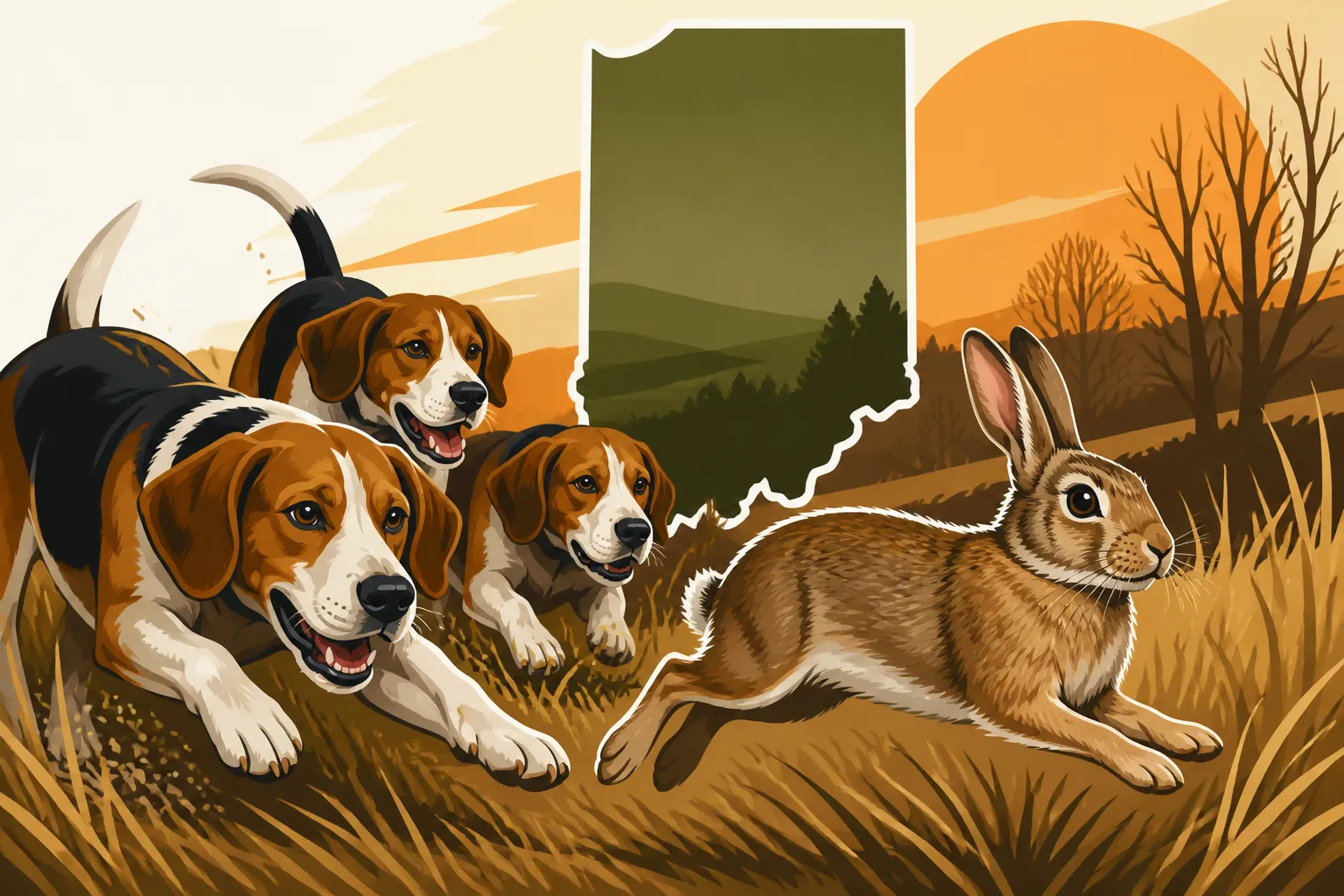
There’s nothing quite like the sound of a good pack of beagles striking a hot rabbit trail, their excited bawls echoing through the Indiana timber on a crisp autumn or winter morning. But for all the romance, getting consistently into cottontails with hounds isn't always easy. From finding the right cover to managing your pack and understanding rabbit behavior, it can be a real challenge to put game in the bag. This guide is all about helping you understand the ins and outs of running beagles on Indiana cottontails, ensuring you and your dogs have more successful and enjoyable days afield.
The Unique Thrill of Running Beagles for Rabbits in Indiana
For many Hoosier hunters, the tradition of hunting rabbits with beagles isn't just a pastime; it's a cherished ritual passed down through generations. There's a raw, instinctual joy in watching a well-trained pack work a scent trail, and the dynamic between hunter and dog is unlike any other form of hunting.
Why Beagles and Cottontails Are a Match Made in Heaven
Beagles were quite literally bred for this job. Their exceptional noses, unwavering persistence, and that signature musical bawl make them perfectly suited for unraveling the intricate scent puzzles left by a hopping cottontail. A rabbit, when pushed by a beagle, doesn't typically run in a straight line for miles. Instead, it prefers to circle back to its home territory, often using familiar escape routes, thick cover, and even doubling back on its own trail to confuse its pursuers. This circling behavior plays directly into the beagle's strengths, allowing the dogs to work out the twists and turns, keeping the rabbit moving, and eventually bringing it back towards the hunter.
It’s a beautiful dance between predator and prey, orchestrated by the dogs' innate abilities. There’s something deeply satisfying about seeing your dogs, honed by instinct and training, perform the very task they were born to do. This natural synergy is why the beagle remains the quintessential rabbit dog, embodying the very spirit of the small game hunt.
The Sound of the Chase: Understanding Beagle Vocals
The true magic of beagle hunting isn't just the sight of the dogs; it's the symphony they create. Each dog in a pack might have its own distinctive voice, but together, their barks, bawls, and chops tell a story to the listening hunter. When a beagle first hits a fresh scent, you'll hear a chop or a short bark, indicating they've "jumped" or "struck" a rabbit. As the trail gets hotter and the dogs commit to the chase, their voices will grow more urgent, transforming into a continuous, excited bawl – that unmistakable, melodious "music" that gets a rabbit hunter’s heart pumping.
Learning to interpret these sounds is key to a successful hunt. A steady, consistent bawl means the dogs are on a hot trail and making good progress. If the barking becomes choppy or slows down, they might be encountering a cold spot, trying to work out a tricky turn, or perhaps the rabbit has gone to ground. Silence, while sometimes indicating a lost trail, can also mean a smart rabbit has pulled a trick, and the dogs are meticulously working to re-establish the line. With experience, you'll start to recognize individual dog voices and understand how the entire pack communicates the progress of the chase. It’s an auditory chess match played out in the woods, and being able to "hear" the game unfold is a huge part of the thrill.
Essential Gear and Preparations for a Successful Hunt
Before you even step foot into the briar patches and fencerows, preparing your gear for both yourself and your canine companions is crucial. A successful rabbit hunt with beagles in Indiana often hinges on being well-equipped and ready for whatever the unpredictable Hoosier landscape throws at you.
Canine Comfort and Safety: What Your Beagles Need
Your beagles are the stars of the show, so their comfort and safety should be paramount. For starters, a good quality GPS collar is almost non-negotiable these days, especially when hunting larger public lands or areas with dense cover. Brands like GoHunt offer excellent GPS tracking devices that not only tell you where your dogs are at all times but can also often track their speed and distance, giving you valuable insights into the hunt. Nothing is worse than losing a dog in thick cover, and a reliable GPS unit provides immense peace of mind.
Beyond tracking, protective vests for your dogs are highly recommended. Indiana's rabbit habitat often means navigating thorny briar patches, multiflora rose, and thick brush that can easily cut and scratch a dog's underside. A durable, bright-colored vest helps prevent injuries and makes your dogs more visible to you and other hunters. Don't forget plenty of water, especially on warmer days or during strenuous hunts. Collapsible water bowls are handy, and a small first-aid kit for your dogs, containing items like antiseptic wipes, paw balm, and bandages, can be a lifesaver for minor scrapes.
Hunter's Kit: Staying Mobile and Protected
As for yourself, dressing for the conditions is vital. You'll be walking through some seriously thick stuff, so investing in good quality brush pants or chaps is a must to protect your legs from thorns and briars. Don't skimp on footwear; comfortable, waterproof boots that can handle mud, snow, and rough terrain are essential for walking Indiana farm country. You’ll be covering a lot of ground, often off-trail, so reliable ankle support is also key.
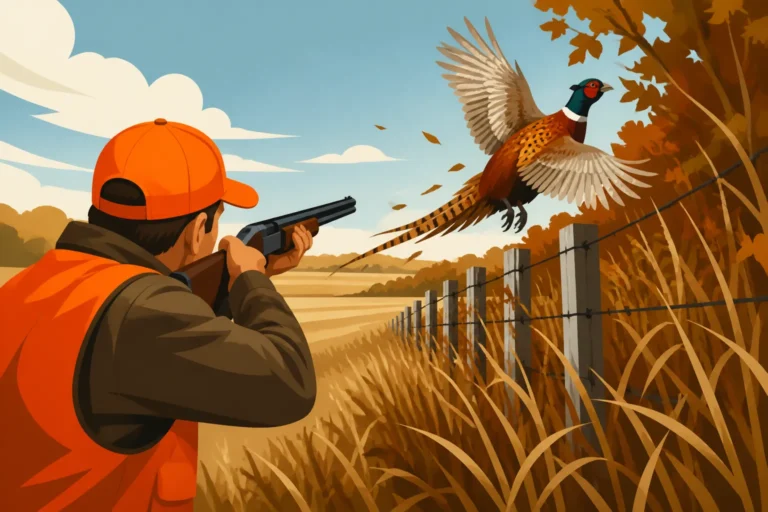
When it comes to firearms, a lightweight shotgun is generally preferred for the quick, close-range shots that rabbit hunting often presents. Many hunters favor a 20 gauge doubles for fencerow cover due to their nimble handling. Shot size 6 or 7.5 are common choices for pheasant and rabbit, offering a good pattern density for small targets. Don't forget to wear plenty of blaze orange. Indiana requires all hunters pursuing deer, turkey, or pheasant with firearms during the firearms deer season to wear hunter orange, but it’s always a smart practice for any small game hunting, especially when hunting with dogs and other hunters. Familiarize yourself with how much blaze orange Indiana requires.
Here’s a quick comparison of popular shotgun gauges for small game hunting:
| Gauge | Common Shot Sizes | Effective Range (yards) | Recoil | Weight/Maneuverability |
|---|---|---|---|---|
| 12 GA | 4, 5, 6, 7.5 | 30-45 | Moderate to Heavy | Often heavier, less nimble |
| 20 GA | 6, 7.5 | 25-40 | Light to Moderate | Lighter, very nimble |
| .410 B | 6, 7.5 | 15-25 | Light | Very light, but limited range/pattern |
Ultimately, choosing a shotgun comes down to personal preference, but the 20 gauge strikes a fantastic balance for Indiana rabbit hunting. Pay attention to choke choice for fast flushes, as a modified or improved cylinder choke is often ideal for closer shots in thick cover.
Scouting and Locating Indiana Cottontail Hotspots
You can have the best beagles in the world, but if there are no rabbits, you're not going to have much of a hunt. Knowing where to look for cottontails in Indiana is paramount, and it often involves a mix of pre-season scouting and in-the-moment observation.
Identifying Ideal Rabbit Habitat in Indiana
Cottontails thrive in areas that offer a combination of dense escape cover, readily available food, and relatively open areas for foraging. In Indiana, this often means focusing on the fringes of agricultural fields, particularly where they meet brushy fencerows. These linear strips of tangled vegetation, often featuring multiflora rose, honeysuckle, and grapevines, act as superhighways and safe havens for rabbits. Heading out to hunt rabbit hunting Indiana fencerows is a classic strategy for a reason.
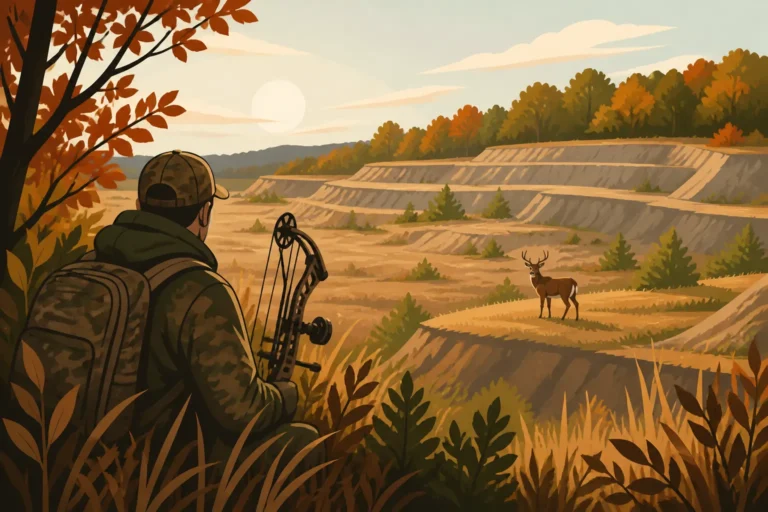
Other prime locations include abandoned farmsteads, old orchards, clear-cuts with dense new growth, and the edges of larger timber blocks that transition into thickets. Look for areas with a mix of high grasses, weeds, and thorny bushes. Rabbits also love areas with natural depressions or old drainage ditches that provide sheltered runways. Even small woodlots that border crop fields can hold a surprising number of rabbits if they have a brushy understory. Don't overlook reclaimed strip mine benches in some parts of the state, which can offer incredible cover.
Reading the Land: Using Maps and Reconnaissance
Effective scouting starts long before you even load your dogs into the truck. Utilize tools like the Indiana DNR’s online mapping resources or premium apps like GoHunt to study aerial photos of potential hunting grounds. Look for those tell-tale linear fencerows, brushy creek bottoms, powerline cuts, and areas where open fields meet dense woods. These digital tools allow you to identify promising areas from the comfort of your home, saving valuable time and boot leather. You can also glean a lot of information by simply reading aerial photos for southern Indiana deer habitat, much of which will overlap with rabbit habitat.
Once you have a few spots in mind, a pre-season walk-through without your dogs can be incredibly insightful. Look for fresh rabbit sign: droppings, clipped vegetation, and well-used runs in the snow or bare ground. Pay attention to pinch points where rabbits might naturally funnel, or areas where thick cover thins out, offering potential shooting lanes. During this reconnaissance, you might also be able to find ground others walk past, giving you an edge. Finally, don't underestimate the value of local knowledge; talking to farmers or other small game hunters can often reveal overlooked honey holes. Always remember to ask an Indiana farmer for permission if you plan to hunt private land; it goes a long way in building goodwill and securing future access.
Effective Hunting Tactics with Beagles
Once you've found your spots and geared up, it's time to unleash the hounds. Running beagles effectively is a blend of knowing your dogs, understanding rabbit behavior, and anticipating where the chase will lead.
The Art of Turning Out and Working the Cover
The first step is to choose your starting point. Generally, you want to release your beagles in an area with good cover, near where you expect rabbits to be bedding or feeding. This could be a dense fencerow, a briar thicket, or the edge of a standing cornfield. Allow your dogs to spread out and begin to work the scent, naturally quartering through the cover. Avoid pushing them too hard initially; let their noses do the work. The goal is for them to jump a rabbit, get on a fresh trail, and start that exhilarating chase.
As the dogs start to vocalize, indicating they're on a trail, the hunt truly begins. You, as the hunter, become a listener and a strategist. The dogs will push the rabbit, and typically, the rabbit will try to circle back to its home cover. Your job is to try and predict this circle. Will it run along the fencerow, cut through a small woodlot, or maybe try to sneak across an open field? This is where understanding the terrain you've scouted really pays off.
Positioning Yourself for the Shot
This is perhaps the most critical part of rabbit hunting with beagles. Once the dogs are in full cry, driving a rabbit, you need to position yourself strategically to intercept it. Don't try to keep up with the dogs directly; they're much faster and more agile in the brush. Instead, listen to the direction of their bawling and try to move to a likely crossing point or escape route the rabbit might use. This often means moving to an opening along the edge of the cover, a field edge, or a small clearing in the woods.
Find a spot where you have a clear line of sight, but also where you can remain relatively concealed. Standing still and listening is often more effective than crashing through the brush. Anticipate the rabbit’s return path. They usually try to return to their home territory or a familiar patch of cover. Patience is key. Often, the rabbit will pop out just ahead of the dogs, giving you a quick shot. Be ready, shoulder your gun, and make a clean, ethical shot when the opportunity arises. Remember that rabbits are small and fast, so quick reflexes are important.
Dealing with Difficult Rabbits and Running Conditions
Not every hunt is perfect. Sometimes, rabbits are stubborn. They might hole up immediately, going to ground in a culvert, a brush pile, or a den. When this happens, the dogs will often "hole" at the spot, barking intensely. If the rabbit can't be safely flushed, it's best to move on and find another. Other times, the trail might go cold, especially in dry conditions or when the rabbit has made a particularly tricky escape. Your beagles will methodically work to re-establish the line, often backtracking or circling wider. Trust your dogs' instincts; they’re usually better at figuring out the puzzle than you are.
Weather can also play a big role. Wet conditions often make for better scenting, while very dry or windy days can make it harder for dogs to stay on a trail. Extremely cold temperatures can also make rabbits less willing to run. Learning to read these conditions and adjust your expectations and tactics accordingly will make you a more effective hunter. Sometimes, simply finding late-season food sources for Indiana whitetails or other game can also coincidentally lead you to rabbit hotspots, as their preferred habitat often overlaps.
Seasonality, Regulations, and Ethical Considerations
While the thrill of the chase is undeniable, it's important to remember that hunting with beagles, like all hunting, comes with responsibilities. Understanding Indiana's specific rules and practicing ethical conduct ensures the longevity of this beloved tradition.
Understanding Indiana's Rabbit Season and Bag Limits
In Indiana, rabbit hunting is a popular small game pursuit, and the season typically runs from early November through late January or early February, providing ample opportunity to get out with your dogs during the colder months. Be sure to check the current Indiana Small Game Season Rules on the DNR website for exact dates each year, as they can sometimes vary slightly.
The daily bag limit for cottontail rabbits in Indiana is generally five per hunter, with a possession limit of 15. These regulations are in place to ensure a healthy and sustainable rabbit population for future generations of hunters. Always confirm these details before heading afield. Keeping track of your harvest is part of being a responsible hunter and helps the Indiana Department of Natural Resources (DNR) manage wildlife effectively. Having an Indiana resident license options or a non-resident equivalent is required for all hunters.
Responsible Dog Handling and Landowner Relations
Bringing dogs into the field adds an extra layer of responsibility. Make sure your beagles are well-trained and responsive to your commands. While they'll be focused on the rabbit, you need to be able to recall them if they get too far afield, approach a road, or venture onto property where you don't have permission. Always respect property lines, and if your dogs accidentally cross onto posted land while pursuing a rabbit, retrieve them as quickly and calmly as possible, without carrying a firearm onto the property unless you have explicit permission.
Landowner relations are paramount, especially when hunting the numerous private land tracts in Indiana. Always secure permission before hunting private land, and when you do, be a respectful guest. Close gates, don't litter, and consider offering some of your harvested rabbits to the landowner as a token of appreciation. This not only builds a positive reputation for you but also helps ensure that access remains open for other hunters in the future. Remember, responsible hunting is not just about following the law; it's about being a good steward of the land and the sport.
Disclaimer
Always consult the official Indiana Department of Natural Resources (DNR) regulations for the most current and accurate hunting laws, season dates, and bag limits before heading afield. This guide is for informational purposes only and should not be considered a substitute for legal advice or official DNR publications.