Indiana Small Game and Furbearers
It’s easy to get caught up in the excitement of deer and turkey season here in Indiana, often leading us to overlook the fantastic opportunities that small game and furbearer hunting offer. Many Hoosier hunters let their gear sit idle for much of the year, missing out on valuable time in the woods and fields, not to mention honing their skills. This comprehensive guide aims to shine a light on Indiana’s diverse small game and furbearer populations, providing you with the knowledge and strategies to extend your hunting season and enjoy the outdoors year-round.
The Enduring Appeal of Small Game Hunting in Indiana
When you talk about hunting in Indiana, most folks' minds jump straight to whitetails or spring gobblers. And while those pursuits are certainly a huge part of our heritage, there's a whole world of opportunity just waiting to be explored with small game and furbearers. For many of us, it's where we started, chasing squirrels or rabbits with a .22 rifle or a trusty shotgun, often with a grandparent or mentor by our side. It's an accessible, affordable way to get out, learn the land, and keep your skills sharp.
Why Small Game Matters Beyond Deer Season
Let's be honest, deer season is a whirlwind, and turkey season feels like it's over before it truly begins. But what about the rest of the year? Small game hunting fills those gaps beautifully. It offers a chance to stay connected to nature, observe animal behavior without the high pressure of a big-game hunt, and simply enjoy the tranquility of an autumn woodlot or a crisp winter morning. Plus, it's incredible table fare – squirrel and rabbit make for some truly delicious meals.
Beyond the personal enjoyment and the food on your plate, pursuing small game is an excellent way to maintain your hunting fitness and mental acuity. You're constantly scouting, tracking, listening, and reacting, all skills that translate directly to success in other hunting endeavors. It keeps your instincts sharp, your eyes keen, and your legs ready for that long walk back to the truck.
A Rich Tradition and Skill Builder
Hunting small game isn't just a pastime; it's a fundamental part of our hunting tradition, passed down through generations. Think about it: before modern agriculture, small game provided essential sustenance for families. Today, it offers a more relaxed, yet equally rewarding, experience. It’s perfect for introducing new hunters, especially youth, to the ethics and enjoyment of hunting without the intensity or long sits often associated with larger game. The quick action and frequent opportunities help keep young minds engaged.
Moreover, the skills you develop chasing small game are incredibly valuable. Learning how to move quietly through the woods, identifying different tree species, reading tracks in the snow, or understanding how wind affects sound carryover are all things you pick up in spades when you're after squirrels or rabbits. It builds a foundational understanding of wildlife and habitat that will serve you well, no matter what you choose to pursue next. Many experienced hunters will tell you that their success with deer stems directly from lessons learned in the squirrel woods.
Squirrel Hunting: A Hoosier Fall Classic
For many, squirrel hunting is synonymous with crisp autumn mornings and the rustle of leaves underfoot. Indiana offers fantastic opportunities for both fox and gray squirrels, providing a dynamic and engaging hunt that demands patience and keen observation. It's a great way to kick off the hunting season, often opening before deer archery season and running well into the colder months.
Species and Their Habitats
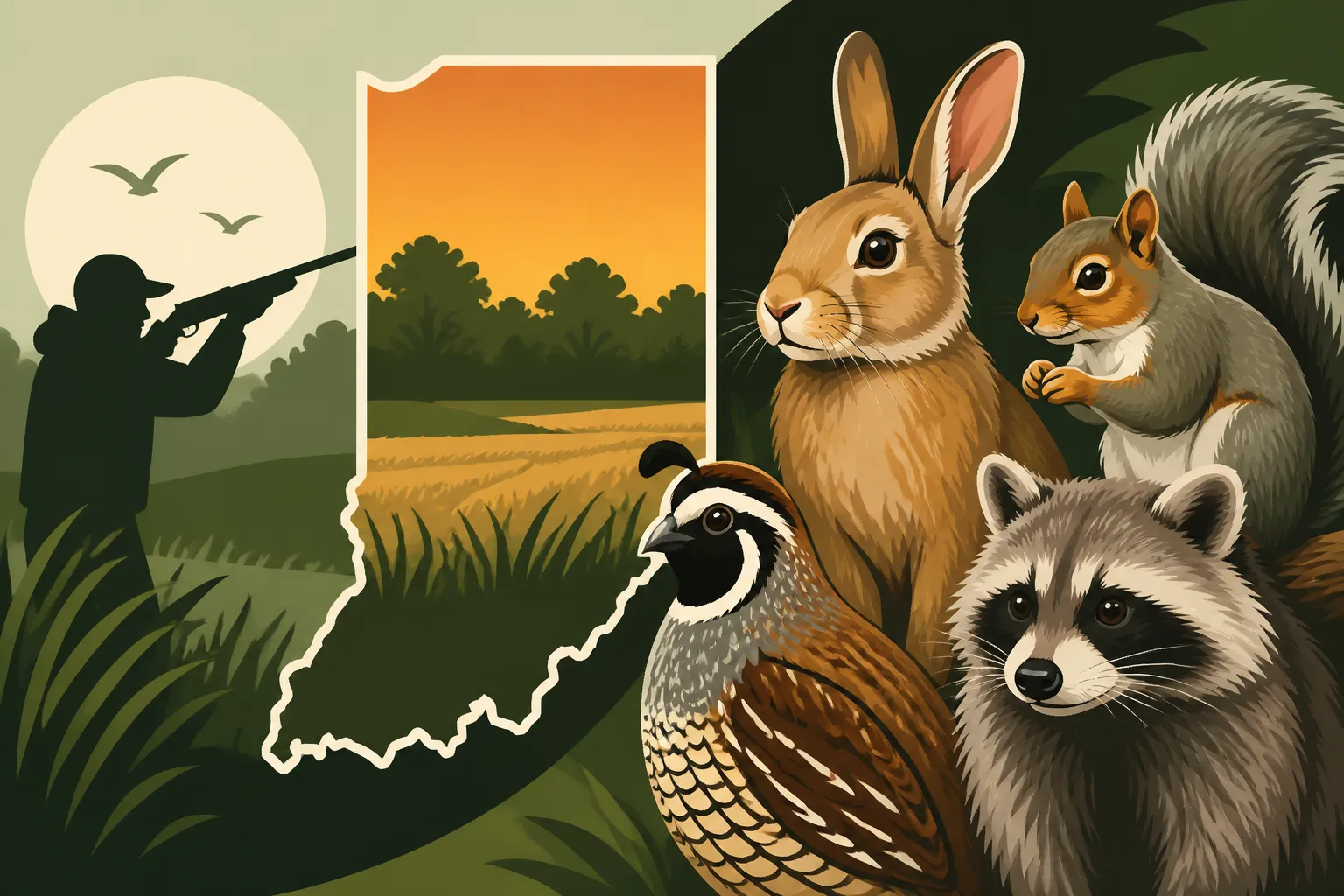
In Indiana, we primarily focus on two species: the Eastern fox squirrel and the Eastern gray squirrel. Fox squirrels are generally larger, with a more reddish-orange tint, and tend to prefer more open timber and woodlots, often bordering agricultural fields. You'll find them active on the ground, burying nuts, and they're often a bit bolder than their gray cousins. On the other hand, gray squirrels are smaller, more agile, and prefer dense, mature hardwood forests, often near water sources. They are typically shyer and more arboreal, spending a lot of time high in the canopy. Both rely heavily on mast crops like acorns, hickory nuts, and walnuts. When a good mast year hits, you can expect healthy squirrel populations.
Understanding their preferred habitats is key. For fox squirrels, look for scattered stands of oak and hickory trees, particularly along the edges of corn or soybean fields, or in smaller woodlots that dot the Indiana landscape. For gray squirrels, head to the deeper, more contiguous timber, especially in areas with a good mix of mature hardwoods, like what you'd find in the Hoosier National Forest or many of our state forests. Knowing what trees are dropping nuts at different times of the fall can significantly improve your success. This is where scouting the right kind of timber, like the areas perfect for Squirrel Hunting Indiana Bottomland Hardwoods, really pays off.
Mastering the Hunt for Bushy-Tails
There are a few classic ways to hunt squirrels, each with its own charm and effectiveness. The "still-hunting" or "stalking" method involves slowly moving through the woods, stopping frequently to scan the trees and ground for movement. You'll want to take a few steps, then stand perfectly still for 5-10 minutes, listening intently and letting the woods settle around you. Often, squirrels will resume their activity once they feel the immediate threat has passed, revealing their presence with a chatter or the tell-tale flick of a tail. This method is incredibly rewarding as it teaches you patience and sharpens your observational skills.
Another popular and often highly effective method, especially for those who prefer to sit, is "sit-and-wait." Find a prime area with plenty of nut-producing trees, preferably with good cover for yourself, and simply settle in. This is particularly effective during the early morning hours or late afternoon when squirrels are most active. A good pair of binoculars can be invaluable here, helping you spot subtle movements high in the canopy. Some hunters prefer to use a small caliber rifle, like a .22, for precise headshots, while others opt for a shotgun with small shot sizes, which offers more forgiving aim, especially for squirrels on the move. Don't forget, early season squirrels can be tough to spot when the leaves are still thick, so focusing on movement and sound is crucial.
Rabbit Hunting: Fast Action in the Briar Patches
When the leaves drop and a chill hits the air, many Hoosier hunters turn their attention to the cottontail rabbit. These little dynamos provide some of the fastest-paced and most exciting hunting Indiana has to offer, often involving good dogs and camaraderie with fellow hunters. It's a true cold-weather classic, and the bounty makes for some of the best stew or fried rabbit you'll ever taste.
Indiana Cottontails: Where to Find Them
Eastern cottontails thrive in what many would consider "edge habitat" – think brushy fields, overgrown fencerows, briar patches, abandoned farmsteads, and the thick undergrowth along creek bottoms. They need dense cover for protection from predators and places where they can find a good mix of grasses and forbs to eat. These areas, often overlooked by deer hunters, are goldmines for rabbits.
You'll rarely find rabbits in wide-open, clean woods or expansive monoculture fields. Instead, focus your efforts on areas where different types of habitat meet: the intersection of a woodlot and a field, a thicket of multi-flora rose at the edge of a pasture, or along a railroad bed choked with brambles. These transitional zones provide both food and escape cover, which are essential for rabbit survival. Understanding how to navigate and hunt these areas, particularly how to approach Rabbit Hunting Indiana Fencerows, will significantly boost your success. Look for areas with dense, thorny vegetation that would make walking difficult for a human – those are usually perfect rabbit hideouts.
Tactics for Fencerows and Thickets
There are two primary ways to hunt rabbits: still-hunting (or jump-shooting) and hunting with dogs. Still-hunting involves one or more hunters slowly walking through prime rabbit cover, kicking brush piles, and pausing frequently to listen and look. Rabbits often won't flush until you're right on top of them, then they burst out with surprising speed. This method is best with a shotgun, typically a 12 or 20 gauge with light game loads, as shots are often close and quick. It’s a fantastic way to cover a lot of ground and get some exercise.
However, for many, rabbit hunting isn't complete without a good pack of beagles. These dogs are specifically bred for rabbit hunting, with an incredible sense of smell and the distinctive "bawl" that lets you know they're hot on a trail. The dogs push the rabbits out of the thick cover, often running them in large circles, while hunters position themselves along likely escape routes or known crossing points. It’s a social hunt, full of excitement as you listen to the chase unfold. Effective rabbit hunting, especially with dogs, often requires coordination and communication among hunters, making it a great group activity. Just be sure to always prioritize dog safety, especially around roads or other hazards.
Upland Birds: Pheasants and Quail
While not as widespread as they once were, upland bird hunting still holds a special place in the hearts of many Hoosier hunters. The distinctive cackle of a flushing pheasant or the explosive covey rise of quail offers a thrill that few other hunting experiences can match. While wild populations face challenges, Indiana has ongoing efforts to provide opportunities, particularly for pheasants.
The Challenge of Indiana Pheasants
The ring-necked pheasant is a magnificent bird, known for its vibrant plumage and explosive flight. While widespread wild populations are largely a thing of the past in much of Indiana due to habitat loss, the Indiana DNR actively manages and stocks pheasants on several Fish & Wildlife Areas (FWAs) and other properties to provide hunting opportunities. These managed hunts often require a special permit in addition to your regular hunting license and are an excellent way to experience pheasant hunting.
Hunting pheasants, whether wild or stocked, is a physically demanding pursuit. These birds prefer dense cover like tall grasses, old field edges, and brushy draws. They are notorious for running before flushing, making a good dog, particularly a pointing or flushing breed, an invaluable asset. If you're going to pursue pheasants, be prepared for a lot of walking, often through challenging cover. Utilizing available tools like the GoHunt app can help you locate suitable public hunting properties and understand their specific regulations. For those who enjoy the walk and the thrill of a flush, pursuing Pheasant Hunting Indiana Grassland on managed properties can be incredibly rewarding.
The Scarce but Prized Bobwhite Quail
The bobwhite quail, with its iconic "bob-white" call, represents a truly special, albeit challenging, hunt in Indiana. Wild quail populations have seen significant declines over the decades due to changes in land use and habitat fragmentation. Finding robust wild coveys is a rare treat, primarily limited to small, isolated pockets in southern Indiana where suitable mixed-habitat remains. Because of their limited numbers, quail hunting in Indiana is very much a "conservation hunt," and the experience of finding a wild covey is prized above all else.
Quail require a very specific habitat mosaic: open woodland with dense grassy understory for nesting, shrubby cover for escape, and nearby crop fields or bare ground for foraging. When you do find quail, they typically hold tight in coveys, flushing together in an explosive eruption of wings and calls. A well-trained pointing dog is almost essential for consistent success with wild quail, as they can pinpoint the covey's location. If you're fortunate enough to find a covey, cherish the moment. It's a reminder of what once was and what conservation efforts strive to bring back.
Waterfowl and Migratory Birds: Beyond the Kankakee
Indiana, situated in the Mississippi Flyway, offers incredible opportunities for waterfowl and other migratory bird hunting. While famous destinations like the Kankakee River marshes draw a lot of attention, there are fantastic opportunities for duck, goose, dove, and woodcock hunting across the entire state, often in unexpected places.
Duck and Goose Opportunities Across the State
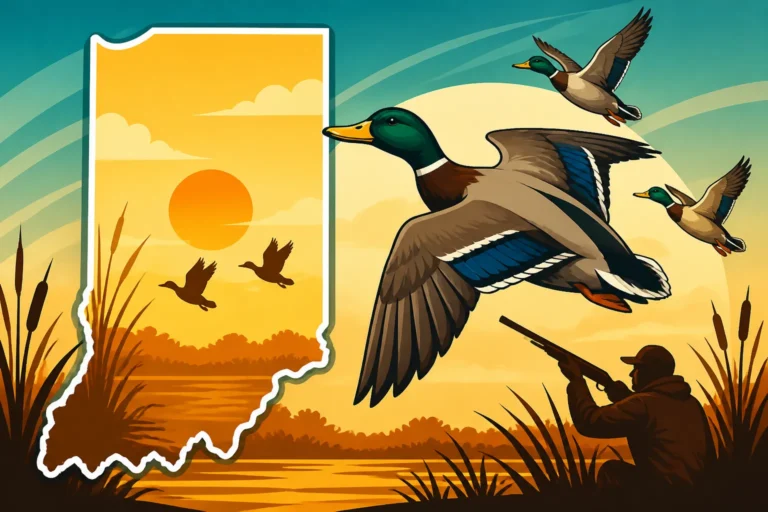
When most people think of Indiana waterfowl, the Kankakee is the first place that comes to mind, and for good reason – it's phenomenal. However, ducks and geese can be found wherever there's water and food. That means everything from large reservoirs and rivers like the Wabash, to smaller farm ponds, flooded timber, and cut cornfields. Species commonly harvested include mallards, wood ducks, green-winged teal, Canada geese, and various diving ducks on larger bodies of water. Understanding Duck Migration Timing Through Indiana is critical for successful waterfowl hunting, as bird numbers fluctuate throughout the season.
Hunting methods vary as widely as the habitat. You might be tucked into a layout blind in a cut cornfield, targeting Canada geese, or hunkered down in a marsh boat amidst the cattails for ducks. Decoy spreads, calling, and concealment are all paramount to success. For geese, targeting cut crop fields often means setting up Layout Blind Hunting Indiana Farm Fields after the harvest. For ducks, especially wood ducks, smaller creeks and flooded timber in river bottoms can be incredibly productive, often requiring more stealth and quick shooting. Always remember to check specific regulations for zones and bag limits, as they can change annually, and be aware of lead-free shot requirements in many waterfowl hunting areas.
Woodcock and Dove: Hidden Gems
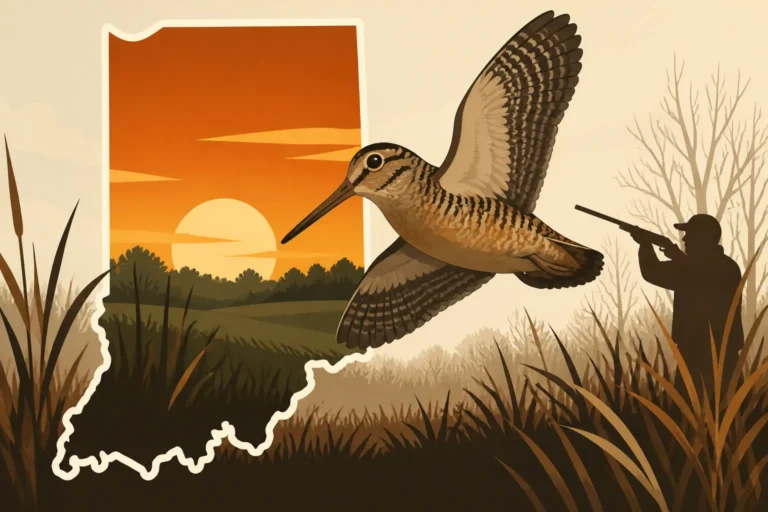
Beyond the more prominent duck and goose seasons, Indiana offers delightful hunting for American woodcock and mourning doves. Both offer unique challenges and are fantastic ways to enjoy the early fall weather. Woodcock, often called "timberdoodles," are migratory shorebirds that spend their days probing damp soil for worms in dense, brushy cover, particularly along creek bottoms or in young timber regrowth. They are incredibly well-camouflaged, and a good flushing or pointing dog is invaluable for finding them. When flushed, they perform an erratic, spiraling flight pattern that makes for challenging but exciting shotgunning. Their season often coincides with early archery, offering a nice change of pace.
Mourning doves, on the other hand, offer fast-paced, high-volume shooting opportunities, especially during the early part of their season in September. They are attracted to recently cut agricultural fields, particularly those with sunflowers, wheat, or corn, where they feed on fallen seeds. Dove hunting is often a social event, with groups of hunters setting up around a field edge, waiting for birds to fly in. It requires quick reflexes and accurate shooting. Don't underestimate how challenging it can be to hit these fast-flying targets! Both species offer a chance to sharpen your shotgun skills and bring home some delicious table fare.
Indiana Furbearers: Understanding the Trapping and Hunting Landscape
Indiana's furbearer populations offer year-round opportunities for both hunting and trapping, playing a vital role in our ecosystems. From the wily coyote to the industrious beaver, these animals provide engaging challenges for hunters and trappers alike, and careful management ensures healthy populations for future generations.
Common Furbearer Species and Their Roles
Indiana is home to a variety of furbearer species, each with its own unique habitat preferences and behaviors. Common furbearers include raccoons, opossums, skunks, muskrats, mink, beavers, red fox, gray fox, bobcats (protected, but sightings are notable), and coyotes. Raccoons are abundant throughout the state, often found near water sources and agricultural areas, while muskrats and mink are almost exclusively tied to aquatic environments. Beavers, once rare, have made a strong comeback and are found on many of our larger waterways. Foxes prefer a mix of open and wooded areas, adapting well to farm country.
Each of these species plays an important ecological role, from scavenging to predation, helping to maintain balance within their habitats. For hunters and trappers, pursuing furbearers is a way to interact with nature, hone outdoor skills, and in some cases, manage local populations that may be causing nuisance or property damage. For those interested in the intricacies of Trapping Indiana Furbearers, understanding their behavior, preferred diets, and movement patterns is key to successful and ethical harvest.
Regulations and Ethical Considerations
Hunting and trapping furbearers in Indiana are governed by specific seasons, bag limits, and methods, all designed to ensure sustainable populations. It's crucial to consult the latest Indiana DNR hunting and trapping regulations guide annually, as rules can change. For instance, some furbearers like raccoons and opossums have very liberal seasons, while others like mink and muskrat are restricted to specific winter windows. Bobcats are a protected species and cannot be harvested.
Ethical considerations are paramount in furbearer hunting and trapping. This includes using humane trapping methods, checking traps frequently, and ensuring quick, clean harvests when hunting. When hunting furbearers at night, regulations often require specific lighting and firearms. Responsible furbearer management also contributes to preventing disease outbreaks and protecting other wildlife. For those looking to learn more about trapping, the Indiana Trappers Association is a great resource, offering educational opportunities and promoting ethical practices. Always prioritize safety and adherence to all laws and regulations.
Coyote and Predator Hunting: A Year-Round Pursuit
Coyote hunting in Indiana is a rapidly growing pursuit, offering a challenging, exciting, and often year-round opportunity for hunters. These intelligent canines are widespread across the state and provide an excellent target for those looking to hone their calling and stealth skills. Beyond coyotes, other predators like foxes can also be hunted, contributing to wildlife management efforts.
The Wily Coyote in Indiana
Coyotes are found in every county in Indiana, adapting incredibly well to various habitats, from deep woods to farmland and even suburban fringes. They are opportunistic predators and scavengers, with their diet ranging from rodents and rabbits to deer fawns and even domestic livestock or pets. Because of their adaptability and impact on other wildlife, coyotes are largely considered an unprotected species in Indiana, meaning there's a year-round open season on private land with few restrictions on method, outside of urban areas or areas requiring specific permits. On public land, specific seasons and methods often apply, so always check local regulations.
Hunting coyotes is a true test of a hunter's skill. They possess keen senses of smell, sight, and hearing, making them notoriously difficult to approach. Calling is the most popular and often most effective method, utilizing distress calls (rabbit, fawn, bird) to draw them in. Patience, concealment, and an understanding of wind direction are absolutely critical. Many hunters enjoy the thrill of calling in a coyote to within shotgun or rifle range. For those serious about improving their success, learning effective strategies for Coyote Calling in Indiana Farm Country can make a significant difference in bringing these wary animals into range.
Other Predators and Their Management
While coyotes are the primary focus for predator hunters, red and gray foxes are also legal to hunt during specific seasons. Foxes, like coyotes, are intelligent and wary, though typically smaller and often found in more specific habitats. Red foxes prefer open country and farm fields, while gray foxes are more at home in dense woods and brushy areas. Calling tactics can also be effective for foxes, often with higher-pitched and less aggressive calls than those used for coyotes. Understanding where to set up for Predator Calling Southern Indiana Ridgelines can increase your odds for both coyotes and foxes in those timbered landscapes.
Predator hunting serves an important ecological role, helping to manage populations and in some cases, alleviate pressure on game species like deer and turkeys, especially fawns and poults. It also offers year-round engagement for hunters, providing a perfect excuse to be in the field during off-seasons. However, ethical considerations, such as identifying your target correctly and ensuring a clean kill, are paramount. Always know your local regulations, especially concerning night hunting or the use of specific equipment like thermal optics, which are now legal for coyotes in many areas.
Navigating Regulations and Resources for Small Game and Furbearers
Understanding the ins and outs of Indiana's hunting and trapping regulations can sometimes feel like trying to decipher a secret code. But it's absolutely essential for a safe, legal, and ethical hunting experience. Luckily, the Indiana DNR provides comprehensive resources, and with modern tools, staying informed is easier than ever.
Licenses, Seasons, and Bag Limits
Before you even think about heading out, you'll need the proper licenses. For most small game and furbearers, an Indiana resident or nonresident hunting license will cover your basic needs. Depending on what you're targeting, you might also need additional stamps or endorsements, such as a HIP (Harvest Information Program) validation for migratory birds like doves and woodcock. Don't forget to check Indiana Hunting Licenses and What They Cost to ensure you're fully compliant. The Go Outdoors Indiana website is your one-stop shop for purchasing licenses and checking your current authorizations.
Seasons and bag limits vary widely by species and can even differ between public and private lands. For example, Indiana offers generous small game seasons for squirrels and rabbits, often starting in early fall and extending through late winter. Furbearer seasons for species like raccoon and opossum are also quite long, allowing for extensive hunting and trapping opportunities. Migratory bird seasons, like those for ducks, geese, and doves, are set annually in accordance with federal guidelines and are usually broken into segments. It's critical to review the current year's Indiana Hunting and Trapping Guide, available online through the DNR, before each season begins to ensure you're up-to-date on all rules.
Here's a generalized table for some common species. Always consult the official DNR regulations for exact dates and specifics, as they change annually.
| Species | Typical Season Dates (General) | Daily Bag Limit (General) | Notes |
|---|---|---|---|
| Eastern Gray/Fox Squirrel | Mid-August to End of January | 5 | Excellent for early fall, often overlaps with archery season. |
| Cottontail Rabbit | Early November to Mid-February | 5 | Prime for cold-weather hunting, often with dogs. |
| Pheasant (Stocked) | November (Managed Hunts) | 2 | Requires special permits on FWAs; consult DNR for specific dates. |
| Mourning Dove | Early September to Mid-October, then Mid-November to Late November | 15 | Fast-flying migratory bird, requires HIP registration. |
| American Woodcock | Early October to Mid-November | 3 | Migratory shorebird, found in thickets, requires HIP registration. |
| Raccoon | Early November to Mid-March | No Limit | Hunted at night with lights (check local rules), or trapped. |
| Opossum | Early November to Mid-March | No Limit | Often incidentally taken during raccoon hunts/traps. |
| Coyote | Year-round (Private Land) | No Limit | Widespread, challenging hunt; specific rules for public land/night. |
| Red/Gray Fox | Mid-October to End of January | No Limit | Challenging to call, consult specific regulations. |
Essential Tools and Information Sources
In today's digital age, staying informed and planning your hunts is easier than ever. The Indiana DNR website is your absolute best friend, offering the full hunting and trapping guide, detailed maps of public lands, and updates on regulations or special hunts. You can also report your harvests through their online system or mobile app.
Beyond the official sources, there are excellent third-party tools that can significantly enhance your planning and execution. Mapping apps like OnX Hunt or even tools like GoHunt provide invaluable satellite imagery, property boundaries, and public/private land distinctions, which are especially helpful when pursuing small game in varied landscapes. Knowing how to use Using the Indiana OnX and DNR Map Tools can help you find overlooked spots on public land or identify potential access points on private property. Good boots, appropriate clothing for the weather, and a reliable firearm or bow suited to the task are also non-negotiable. Don't forget the importance of a first-aid kit, a compass or GPS, and plenty of water, especially when venturing into remote public land.
Disclaimer
Please note: Hunting regulations, seasons, and licensing requirements can change. Always consult the most current Indiana Department of Natural Resources (DNR) official hunting and trapping guides and local ordinances before engaging in any hunting or trapping activities. This guide is for informational purposes only and should not be considered a substitute for official legal advice or regulations.