Indiana Mentored Youth Hunting Rules
It’s a truly special moment when you consider introducing a young person to the timeless traditions of hunting. But let's be honest, trying to navigate the rules and regulations around youth hunting in Indiana can feel like trying to track a ghost buck through a briar patch – confusing, frustrating, and easy to get turned around. Many parents and guardians feel overwhelmed, wondering if they need a special license for their child, what age they can start, or what exactly a "mentor" even does. This comprehensive guide is here to clear the brush, demystifying Indiana’s Mentored Youth Hunting rules so you can confidently share the outdoors with the next generation.
Understanding the Mentored Youth Hunting Program in Indiana
The Indiana Department of Natural Resources (DNR) designed the Mentored Youth Hunting Program to make it easier and safer for adults to introduce young people to hunting. It’s a wonderful initiative that recognizes the importance of passing on our heritage while prioritizing safety and ethical practices from the very start.
What is Mentored Youth Hunting?
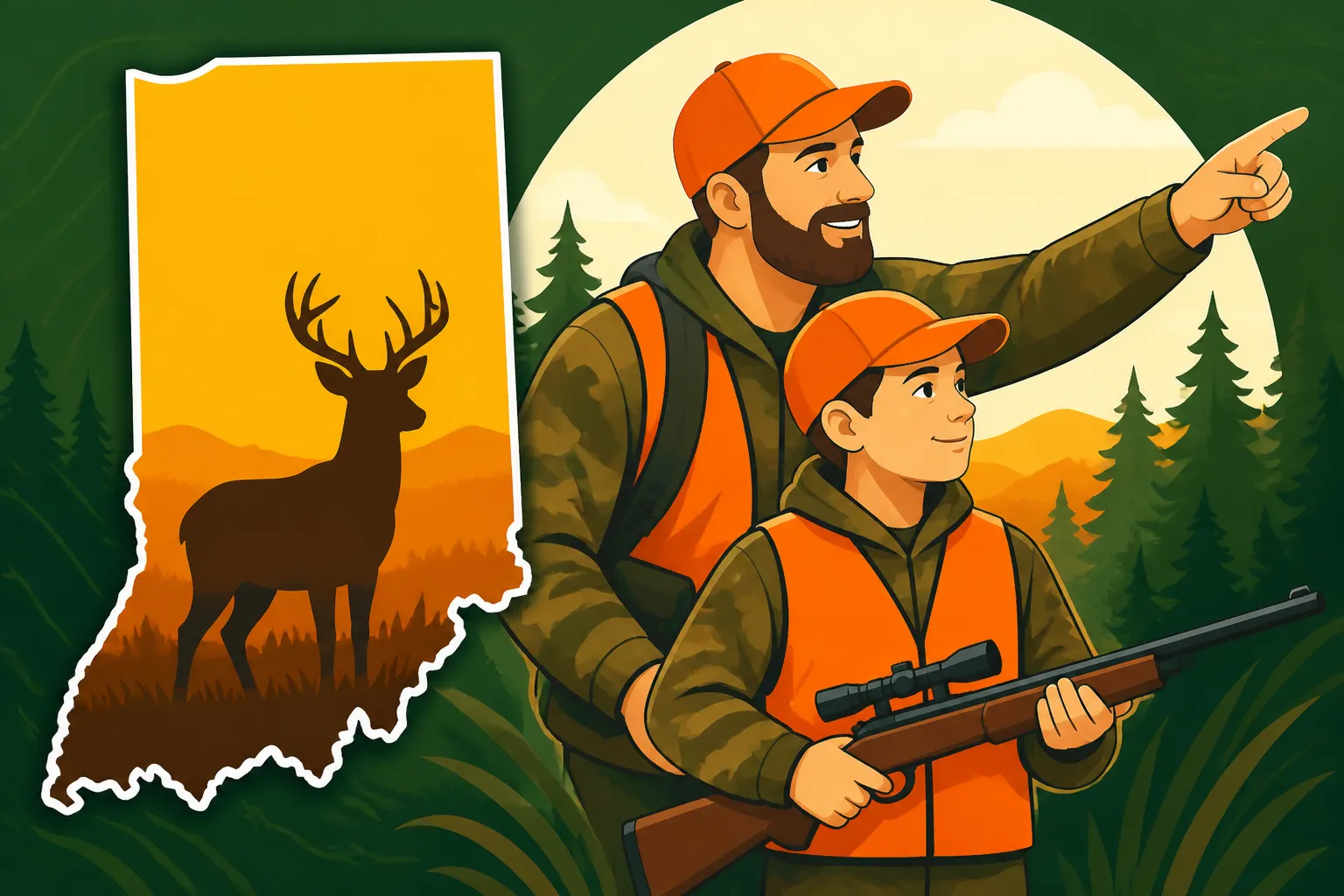
At its core, mentored youth hunting in Indiana allows young hunters to participate in hunting activities without first having to complete a hunter education course or purchase their own hunting license. This isn't a free-for-all, though. The entire premise is built upon the close, direct supervision of an experienced, licensed adult. Think of it as an apprenticeship program where the mentor is actively teaching, guiding, and ensuring the safety of the youth at all times. It’s less about simply taking a child along, and more about truly mentoring them through the entire hunting experience, from scouting to shot placement and game recovery. This hands-on approach builds confidence and skill in a controlled environment, preparing them for future solo hunts.
Benefits of Mentored Youth Hunting
The advantages of the Mentored Youth Hunting Program are numerous, extending far beyond just putting game in the freezer. First and foremost, it significantly lowers the barrier to entry for new hunters. Often, the time and cost associated with hunter education courses and license purchases can deter families, especially if they're unsure if hunting will truly capture a child's interest. This program allows a trial run, letting kids experience the thrill and responsibility firsthand. More profoundly, it fosters a deep connection between the youth and their mentor, strengthening bonds through shared outdoor experiences. It instills crucial values like patience, respect for wildlife, and an understanding of conservation, which are lessons that last a lifetime. Furthermore, it helps ensure that new hunters learn correct, safe practices from the outset, rather than developing bad habits on their own.
Who Qualifies as a Mentored Youth?
For a young person to participate in Indiana's Mentored Youth Hunting Program, they need to be under the age of 18. There's no minimum age, which means even younger children can go afield with a mentor, as long as the mentor deems them mature enough to handle the responsibility and follow instructions. The key takeaway here is that the youth does not need to possess an Indiana hunting license, nor do they need to have completed the Indiana Hunter Education Requirements. This flexibility is what makes the program so accessible for families. However, while the youth doesn't need a license, the mentor absolutely does, and we’ll delve into that in the next section. It's truly about the licensed adult taking full responsibility for the youth's actions and adherence to all regulations.
Key Rules and Requirements for Mentors and Youth
Understanding who needs what and who does what is paramount to a safe and legal mentored hunt. These aren't just suggestions; they are the bedrock of the program's success and the safety of everyone involved.
Mentor Eligibility and Responsibilities
Becoming a mentor isn't just about being an adult with a gun; it carries significant responsibilities. First, the mentor must be at least 18 years of age. Critically, they must possess a valid Indiana hunting license for the specific game they are hunting with the youth. For example, if you're taking a youth deer hunting, you, the mentor, must have a valid deer license for yourself. If you’re also planning to hunt, you’ll need the appropriate tags for the species. If you're a resident, exploring Indiana Resident License Options might be a good starting point to ensure you have everything you need.
The most stringent rule for mentors is direct supervision. The DNR explicitly states that the mentor must remain "in close proximity" to the youth, typically defined as being within "arm's reach" while the youth is actively hunting. This isn't just for safety; it's also so the mentor can provide immediate instruction and intervention if needed. This means no dropping the youth off at a stand and heading to your own spot. Your primary role during this time is to guide and supervise. You are legally responsible for the youth's actions while hunting, so constant vigilance is essential.
Youth Hunter Privileges and Limitations
While participating in a mentored hunt, a youth hunter enjoys several key privileges. As mentioned, they do not need their own hunting license, nor do they need to have completed hunter education. They are allowed to hunt any legal game animal during its respective open season, as long as they are under the direct supervision of their mentor. This includes big game like deer and turkey, as well as various small game species.
However, these privileges come with limitations. The youth must use a legal weapon for the species and season being hunted. They cannot hunt independently; the mentor's direct presence is non-negotiable. Furthermore, the combined total of firearms and bows possessed by the mentor and youth cannot exceed the number that would be allowed for licensed individuals hunting without a mentor. So, while a youth might use their own firearm, the mentor also needs to consider if they are carrying one, ensuring they don't exceed the legal limit. This often means the mentor carries a single firearm or bow, and the youth carries another, if both are actively hunting, or the mentor carries nothing and focuses solely on supervision.
Required Documentation and Gear
Before heading into the field, ensure you have all your ducks in a row. For the mentor, this means having your valid Indiana hunting license readily accessible. Many hunters now use digital licenses on their phones, which is perfectly acceptable in Indiana. Tools like the GoHunt app can keep your license and other important information at your fingertips, making checking regulations or verifying licenses seamless.
For both mentor and youth, blaze orange requirements are critical during seasons when firearms are legal for deer hunting. You can find detailed information on Indiana Blaze Orange Requirements to ensure you meet the minimum visibility standards. Typically, this means wearing at least 500 square inches of solid outer blaze orange, or blaze pink, above the waist, including a head covering. This is non-negotiable for safety. Beyond the legal requirements, practical gear is a must. This includes appropriate clothing for the weather, sturdy boots, a well-stocked first-aid kit, and water. Communication devices, like two-way radios or fully charged cell phones, are also wise additions, especially when exploring larger tracts of land for scouting purposes or to communicate with others if you're doing something like a deer drive on public land.
Specific Seasons and Species for Mentored Youth Hunting
One of the best aspects of the Mentored Youth Hunting Program is the wide array of opportunities it presents throughout the year, allowing young hunters to experience diverse game and hunting styles.
Deer Hunting Opportunities
Deer hunting is often the entry point for many young hunters, and Indiana provides excellent avenues for this. The most prominent opportunity is the annual Hunting the Indiana Youth Deer Weekend. This special season, usually held in late September, is exclusively for youth hunters, providing a fantastic chance to experience deer hunting with reduced pressure and typically mild weather. During this weekend, the youth can take one antlered deer and one antlerless deer, or two antlerless deer, as long as they have the appropriate tags. Their mentor must be licensed for deer but cannot themselves hunt antlered deer during this specific weekend unless they have an unfilled antlered deer tag from the current season and are actively hunting in another season that overlaps.
Beyond the Youth Deer Weekend, mentored youth can also participate in the regular archery, firearms, and muzzleloader seasons, following all standard rules and bag limits as outlined in the Indiana Deer Season Structure Explained. This means they can hunt during the long archery season, which stretches into January, or the exciting firearms season in November. Remember, any deer harvested must be tagged immediately and reported within 48 hours, often through the Indiana DNR online system or their mobile app.
Turkey Hunting for Youngsters
Wild turkey hunting offers another thrilling experience for mentored youth. Indiana has a dedicated youth turkey season, typically a weekend just before the statewide spring opener. This gives young hunters a head start on gobblers with less competition. The youth is allowed to harvest one bearded gobbler during the spring season. All rules regarding legal hours, weapon choices, and tagging apply. Detailed information on Indiana Spring Turkey Season Rules will be invaluable here.
For fall turkey hunting, mentored youth can participate in both the fall archery and fall firearms seasons, depending on the county and legal equipment. Fall turkey hunting often involves different tactics, such as breaking up flocks and calling them back in, which can be an excellent learning experience for a young hunter. The mentor's role in identifying birds and guiding calling sequences becomes even more critical in the fall.
Small Game and Waterfowl
Don't overlook the abundance of small game and waterfowl hunting opportunities for mentored youth. Squirrel, rabbit, and pheasant seasons provide plenty of action and teach valuable woodsmanship skills like still-hunting, tracking, and understanding habitat. The quick pace of small game hunting can keep younger hunters engaged. The Indiana Small Game Season Rules provides all the necessary details on these seasons.
Waterfowl hunting, particularly for ducks and geese, can be an incredible experience, but it requires careful preparation. Mentored youth can participate in waterfowl seasons, but federal regulations mandate additional requirements. Even though the youth doesn't need a state hunting license, if they are 16 years of age or older, they will need to possess a Federal Migratory Bird Hunting and Conservation Stamp (Federal Duck Stamp) and an Indiana Migratory Waterfowl Stamp. Additionally, all waterfowl hunters, including mentored youth, must be HIP (Harvest Information Program) registered. These federal and state stamp requirements are often overlooked for youth, so double-check the Indiana Duck and Goose Bag Limits and related regulations carefully. Waterfowl hunting can be cold and wet, so proper layering and equipment are essential for comfort and safety.
Safety Considerations and Best Practices for Mentored Hunts
Safety is not just a rule; it's a culture. When mentoring a young hunter, you are instilling habits that will last a lifetime, and safety must always be the highest priority.
Emphasizing Firearms Safety
The cardinal rules of firearms safety are non-negotiable:
- Treat every firearm as if it's loaded. This mindset prevents accidental discharges.
- Always point the muzzle in a safe direction. Never let the muzzle cover anything you are not willing to destroy.
- Keep your finger off the trigger until your sights are on the target and you are ready to shoot. This is perhaps the most critical rule for preventing negligent discharges.
- Be sure of your target and what is beyond it. This is especially important in Indiana's varied terrain, from dense timber to open farmland.
As a mentor, you need to constantly reinforce these rules, both verbally and through your own actions. Practice safe gun handling at home or at a shooting range long before heading into the woods. Make sure the youth understands how to safely load, unload, and carry their chosen firearm. For example, when climbing into a treestand, the firearm should always be unloaded and hauled up separately. Discussing the concept of a "safe zone of fire" is also crucial, particularly if hunting with more than one person, perhaps during a small deer drive on Indiana public land.
Importance of Ethical Hunting
Beyond safety, instilling strong ethical principles is paramount. Ethical hunting means respecting the game, the land, and other hunters. Teach the youth about fair chase, which means not taking advantage of an animal by cornering it or using illegal means. Discuss the importance of a clean, humane kill, and the responsibility to track and recover every animal shot. This includes understanding shot placement and waiting for the right opportunity.
It's also about respecting the resource. Talk about conservation, the role hunters play in wildlife management, and why we have bag limits and seasons. Teach them to leave no trace, packing out everything they pack in, and perhaps even picking up litter left by others. Ethical behavior also extends to interacting with other hunters. Courtesy in shared hunting areas, like those found in the Hoosier National Forest, goes a long way. When Scouting Indiana Public Land Before Season, emphasize observing proper behavior and respect for the environment.
Navigating Public vs. Private Land
Understanding land access rules is another critical component of ethical and legal hunting. If you're hunting on private land, ensure you have explicit permission from the landowner. While Indiana law doesn't always require written permission, it is always a good idea to have it, especially if you are taking a youth. It avoids misunderstandings and builds good relationships. Clearly identify property lines using apps like GoHunt or by checking maps.
When hunting on public land, such as state forests or Fish and Wildlife Areas, be aware of specific regulations. These areas often have unique rules regarding treestand placement, ground blinds (like Using a Ground Blind on Indiana Public Land), vehicle access, and even hunter sign-in requirements. Always check the DNR website or the specific property's office for the most up-to-date information. Public land can also experience more hunting pressure, so teach the youth how to identify areas that might see fewer hunters, perhaps by walking further off the beaten path or focusing on terrain features like a specific ridge for Hoosier Forest deer that others might overlook.
Common Questions and Scenarios
Even with a clear understanding of the rules, specific situations can arise that cause confusion. Let's address some common ones to ensure you're fully prepared.
What if a Youth Harvests Multiple Animals?
During specific seasons, like the Youth Deer Weekend, a young hunter might have the opportunity to harvest more than one animal. It's crucial that each animal harvested is properly tagged immediately after it's recovered. For deer, this means attaching the appropriate tag to the animal's ear or leg. Make sure the youth understands the importance of this step and is involved in the tagging process, solidifying their responsibility for the animal.
Following tagging, all harvested game in Indiana must be reported to the DNR within 48 hours. This can typically be done online via the Go Outdoors Indiana website, the DNR's mobile app, or by phone. Again, involve the youth in this process. Show them how to correctly enter the information, including the county of harvest, sex of the animal, and weapon used. This reinforces the regulatory aspects of hunting and helps them understand their role in wildlife management. For waterfowl, the federal HIP registration is also critical for harvest data collection, as mentioned earlier.
Weapon Choices and Restrictions for Youth
While the youth doesn't need a license, they still need to adhere to all legal weapon restrictions for the species and season they are hunting. For deer, this means the youth can use shotguns, muzzleloaders, handguns, bows, or, now that the law has changed, centerfire rifles during the appropriate seasons. If hunting with a rifle, ensure it meets the legal specifications for Indiana deer hunting – for example, bullet diameter and case length considerations are no longer a concern since the statewide rifle rule has simplified things. However, using a Sighting In a Centerfire Rifle for Indiana Woods is still critical. For turkey, shotguns, muzzleloaders, or bows are permitted. It’s important to select a weapon that the youth can safely and effectively handle. A lighter recoil shotgun or a smaller caliber rifle might be a better choice for a beginner than a heavier-hitting firearm, allowing them to focus on good shooting mechanics rather than anticipating recoil.
For archery, bows or crossbows are legal. Crossbow Rules During Indiana Archery Season are the same for youth as for adults. Ensure the youth can comfortably draw and hold their bow, or handle the crossbow safely. Practice extensively at targets to build proficiency and confidence before ever aiming at a live animal.
Dealing with Unforeseen Situations
Even the best-planned hunts can encounter unexpected challenges. It's vital for a mentor to be prepared for various scenarios.
- Lost Youth: While direct supervision should prevent this, if a youth somehow becomes disoriented, having a plan is crucial. Teach them to stay put, use a whistle if they have one, and respond to calls. A GPS unit or a mapping app like GoHunt on a phone can be invaluable for pinpointing locations.
- Injured Game: Despite best efforts, a shot animal might not drop immediately. Teach the youth the importance of waiting before tracking, how to carefully follow a blood trail, and the persistence required for Blood Trailing After Dark in Indiana. Emphasize that recovering the animal is a profound ethical obligation, even if it means a long, difficult search.
- Weather Changes: Indiana weather can be unpredictable. Be prepared for sudden shifts in temperature, rain, or snow. Pack extra layers, rain gear, and always have a plan for seeking shelter. Getting cold and wet can quickly turn a fun hunt into a miserable, even dangerous, experience.
Remember, the goal is to make the experience positive, educational, and safe. Your calm demeanor and prepared approach will teach the youth valuable lessons in resilience and responsible decision-making in the outdoors.
| Requirement/Role | Mentor | Youth Hunter | Notes |
|---|---|---|---|
| Age | 18 years or older | Under 18 years | No minimum age for youth. |
| Hunting License | REQUIRED (for species hunted) | Not required | Mentor must have valid license. |
| Hunter Education | Not specifically required if already licensed | Not required | Good practice for mentor, but not mandatory if already licensed. |
| Direct Supervision | REQUIRED (within arm's reach) | Required to be supervised | Mentor is legally responsible. |
| Blaze Orange/Pink | REQUIRED (during firearms seasons) | REQUIRED (during firearms seasons) | Min. 500 sq. inches above waist. |
| Federal Duck Stamp | N/A (unless mentor also hunting waterfowl) | Required if 16+ and hunting waterfowl | Also need IN Migratory Waterfowl Stamp. |
| HIP Registration | N/A (unless mentor also hunting migratory birds) | Required for all migratory bird hunters | |
| Weapon Rules | Must follow all legal weapon rules | Must follow all legal weapon rules | Combined firearms/bows cannot exceed limits for individuals. |
| Tagging/Reporting | Responsible for ensuring proper tagging and reporting | Should be involved in tagging/reporting | All game must be tagged immediately & reported within 48 hrs. |
Disclaimer
The information provided in this guide is for general informational purposes only and does not constitute legal advice. Hunting regulations in Indiana are subject to change. It is the responsibility of every hunter to consult the most current Indiana Department of Natural Resources (DNR) hunting regulations and laws before participating in any hunting activity. Always prioritize safety, ethics, and compliance with all applicable local, state, and federal regulations.