Hunting the Indiana Youth Deer Weekend
The Indiana Youth Deer Weekend is more than just another hunting opportunity; it's often the very first taste of the deer woods for our young ones, and it comes with its own unique set of excitements and, let's be honest, a few anxieties for us mentors. Trying to navigate season dates, license requirements, and the best way to ensure your young hunter has a safe, positive experience can feel like a lot. This comprehensive guide is designed to cut through the confusion, offering clear, actionable advice to help you prepare for, enjoy, and successfully navigate the Indiana Youth Deer Weekend, creating memories that will last a lifetime for your aspiring hunter.
Understanding the Indiana Youth Deer Weekend
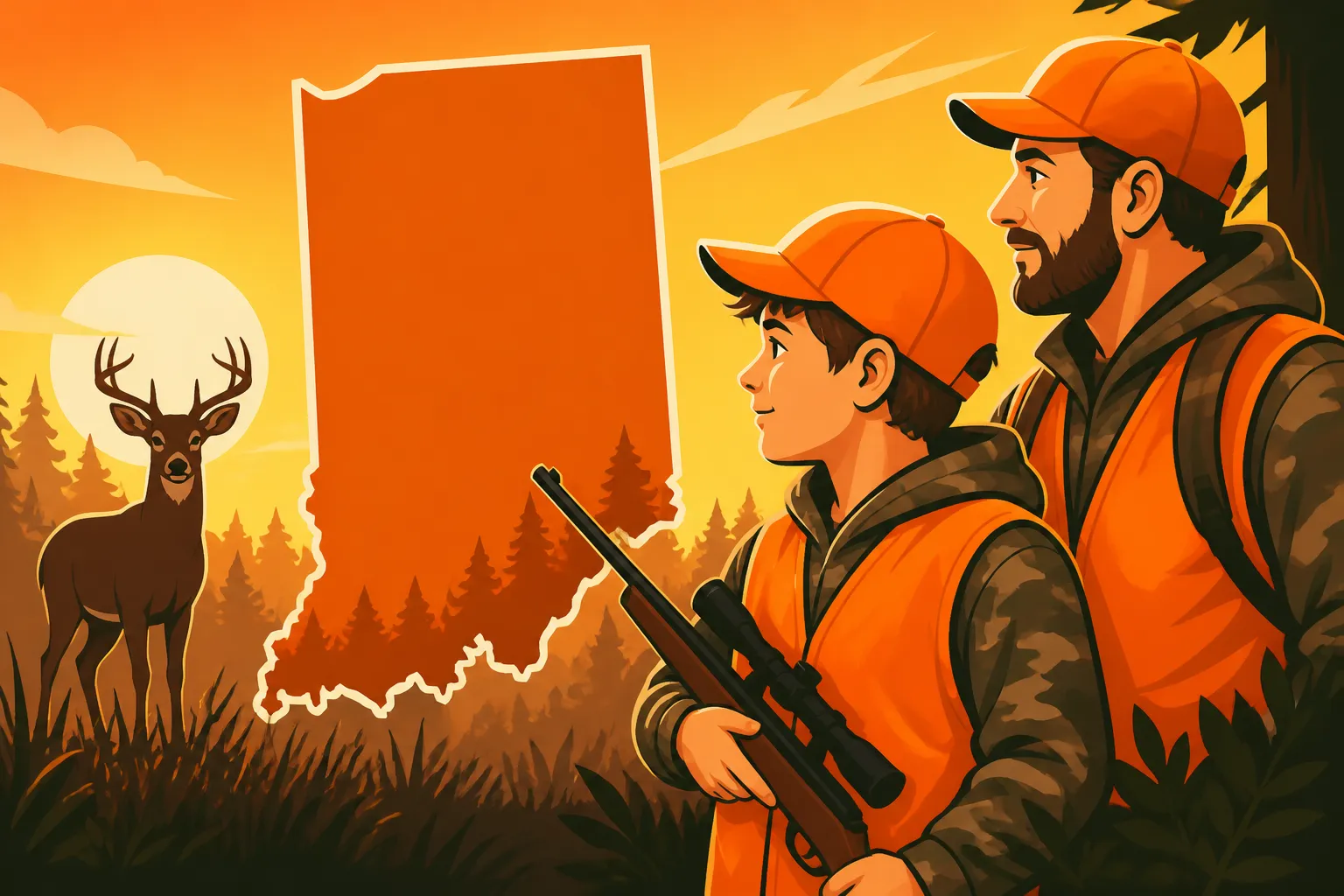
The Indiana Youth Deer Weekend is a special time carved out of the hunting calendar specifically for younger hunters. It's truly a fantastic initiative, designed to introduce kids to the outdoors and the tradition of deer hunting in a controlled, mentor-supported environment. Unlike the bustling opening day of firearms season, this weekend often feels a bit more relaxed, allowing mentors to focus squarely on teaching and guiding without the intense pressure.
Dates and Purpose
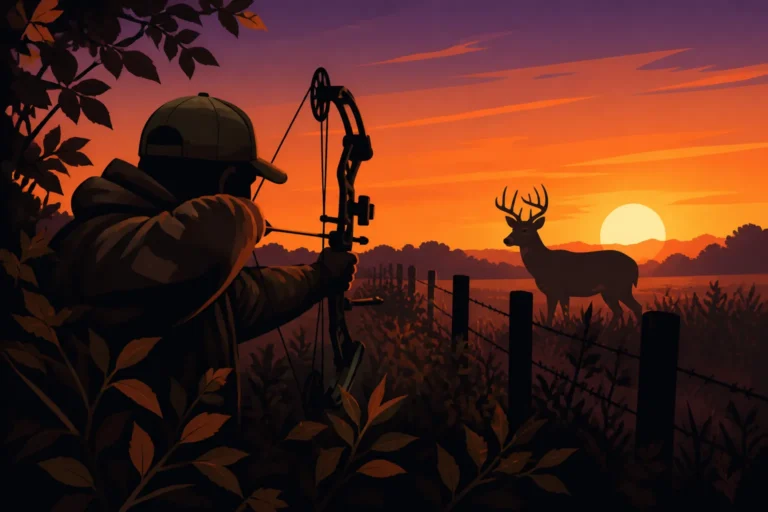
The Indiana Youth Deer Weekend typically takes place in late September, usually the weekend before the statewide archery season fully opens. This timing is absolutely brilliant for several reasons. First, the weather is generally milder, making for more comfortable sits, especially for kids who might not be used to the long, cold hours later in the season. Second, the deer haven't been heavily pressured yet. They're still largely on their summer patterns, often focused on abundant food sources like standing crops and acorns, which can make for more predictable movement and better chances for an encounter.
The primary purpose of this dedicated weekend is to foster a love for hunting and conservation in the next generation. It provides a unique window where youth, under the direct supervision of an experienced adult, can hunt white-tailed deer. This early opportunity allows kids to get out there before the woods get really busy, helping them learn the ropes without the added stress of competing with many other hunters. It’s a chance to build confidence and understanding in a supportive environment, setting a positive foundation for their hunting journey. For specific dates, always consult the current Indiana DNR hunting regulations, as they can shift slightly year to year. For a broader look at how deer seasons are structured, you might find our guide on Indiana Deer Season Structure Explained insightful.
Key Benefits for Young Hunters
The advantages of the Youth Deer Weekend for kids are numerous and profound. Perhaps the biggest benefit is the reduced hunting pressure. With fewer hunters in the woods, deer are often less wary, increasing the chances of seeing animals and providing more opportunities for a successful harvest. This relaxed atmosphere is crucial for first-time hunters. It minimizes distractions and allows mentors to truly connect with their young charges, focusing on the fundamentals of hunting, wildlife observation, and safe firearm or archery handling.
Another significant benefit is the focused mentorship. During this weekend, the adult's role is solely to guide and teach, not to hunt for themselves. This undivided attention is invaluable, allowing mentors to explain everything from reading sign to wind direction, patience, and shot placement. It’s an immersive learning experience where the young hunter is the absolute priority. The memories made during these hunts—the quiet moments, the shared observations, and especially the thrill of a successful harvest—are often the ones that spark a lifelong passion for the outdoors. It's a stepping stone that can lead to deeper engagement, like exploring Bowhunting Indiana's Long Archery Season once they're ready.
Eligibility and Essential Preparations
Before you even think about hitting the woods, it's absolutely crucial to understand who can participate and what preparations are necessary. The Indiana DNR has specific rules in place to ensure both safety and a legitimate hunting experience for youth. Skipping these steps can lead to disappointment or, worse, legal trouble, so pay close attention.
Who Can Participate
The Indiana Youth Deer Weekend is open to hunters under the age of 18 on the day they hunt. This age cut-off is firm, so make sure your young hunter qualifies. The best part is that resident youth hunters typically don't need to purchase a separate deer license if they possess a valid youth hunt/trap license, which is incredibly affordable. Non-resident youth hunters will need to purchase a non-resident youth hunt/trap license and a youth deer license. It's vital to check the current Indiana DNR regulations for the most up-to-date information on specific license types and costs, as these can change.
For many young hunters, this weekend also represents their first foray into hunting after completing their required hunter education. While there are provisions for an apprentice license that allows them to hunt under supervision before completing hunter education, taking the Indiana Hunter Education Requirements course beforehand is always recommended. It provides a solid foundation of safety and ethics that will serve them for years to come. Remember, the goal is not just to harvest a deer, but to instill a deep respect for the animal and the hunting tradition.
Mentoring Rules and Responsibilities
The role of the mentor during the Youth Deer Weekend cannot be overstated; it's absolutely critical. An adult, at least 18 years of age and properly licensed, must accompany the youth hunter. This adult cannot possess a firearm, muzzleloader, bow, or crossbow during the youth deer season. Their sole purpose is to mentor, guide, and ensure safety. This isn't a time for the adult to "also hunt" – it's all about the kid. The adult must also possess a valid hunting license for the current season, even if they aren't carrying a weapon.
The mentor must remain in "close proximity" to the youth hunter. While the DNR doesn't define this distance down to the foot, it's generally understood to mean within normal voice communication without shouting, and close enough to physically assist or intervene if necessary. You should always be able to clearly see and hear your young hunter. This rule is in place for obvious safety reasons, allowing the mentor to provide immediate guidance, confirm target identification, and prevent any unsafe situations. Understanding How Close an Indiana Mentor Must Stay is paramount for a safe hunt. This isn't just about following rules; it's about being actively engaged and responsible for the young hunter's experience and safety every second they are in the field.
Licensing and Permits
Navigating the license and permit requirements can sometimes feel like a puzzle, but it's simpler than you might think for the Youth Deer Weekend. As mentioned, resident youth hunters typically need a Youth Hunt/Trap License. This license often includes a deer tag. Non-resident youth will need a Nonresident Youth Hunt/Trap License and a Nonresident Youth Deer License. It's always best to double-check the current regulations, as license structures can sometimes be updated.
The easiest way to acquire these licenses is online through the Indiana DNR's Go Outdoors Indiana portal. You can simply create an account, select the appropriate licenses, and print them out or save them to your mobile device. Speaking of devices, mapping tools like those offered by GoHunt can be incredibly useful for planning your hunt, identifying public access points, and marking potential stand locations. These tools, when used in conjunction with your official license information, make preparation much smoother. Ensure your young hunter has their physical license or an accessible digital copy on their person while hunting, as conservation officers do check. For a detailed breakdown of options, refer to our guide on Indiana Resident License Options or even Buying a License on Go Outdoors Indiana.
Crafting Your Hunting Strategy
A successful Youth Deer Weekend isn't just about showing up; it's about smart planning, practice, and creating an enjoyable experience. You're not just guiding a hunt; you're teaching, and that often means putting in extra effort to maximize the chances of a positive outcome.
Pre-Season Scouting and Planning
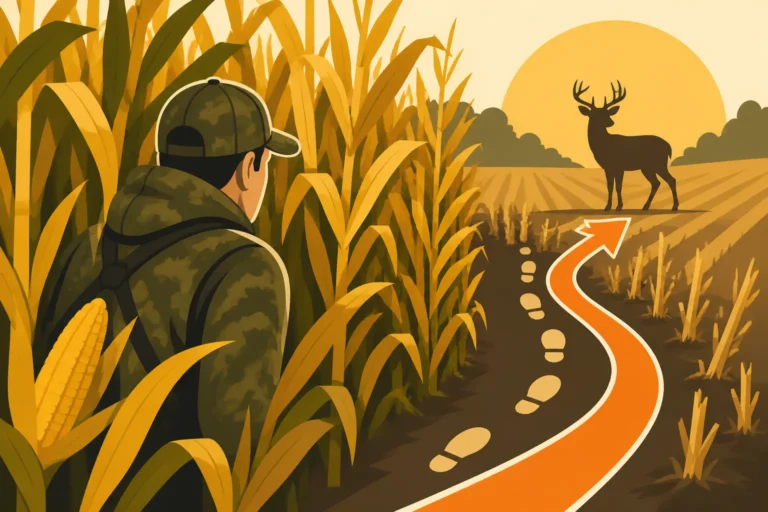
Just like any other deer hunt, scouting is absolutely critical for the Youth Deer Weekend. Since the season takes place before heavy pressure, deer are often still using reliable food sources. Look for areas with standing crops like corn or soybeans, or natural food sources such as acorn-producing oak ridges. Deer trails leading into and out of these areas, especially near cover, are prime locations. Spend time walking the woods a few weeks before the season, looking for fresh tracks, rub lines, and scrapes.
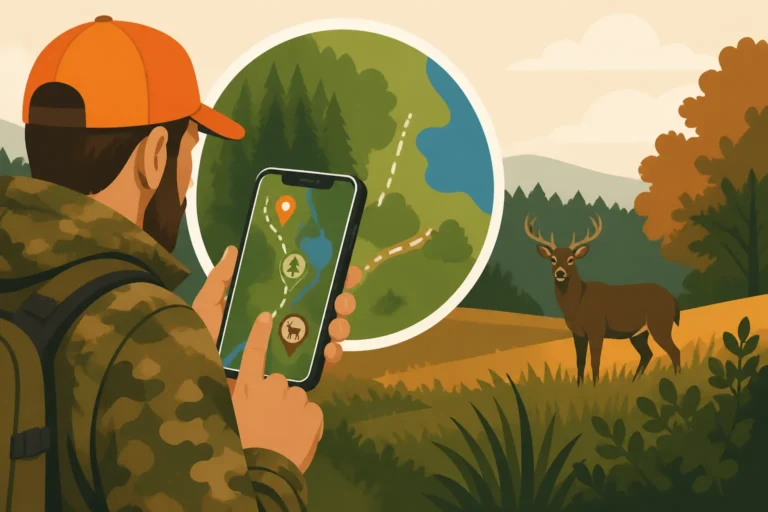
Using aerial maps and digital tools is a game-changer for this kind of planning. Platforms like GoHunt allow you to identify property lines, locate potential bedding areas, and scout pinch points or funnels from your couch. Mark potential stand locations, entry, and exit routes to minimize disturbance. Once you have a few spots picked out, physically go to them and confirm the sign. Remember, you're not just scouting for deer; you're scouting for a safe, comfortable spot where a young hunter can sit still for a while. Consider accessibility and visibility from the stand location. If you want to dive deeper into preparation, check out Scouting Indiana Public Land Before Season or even Reading Aerial Photos for Southern Indiana Deer.
Effective Stand Setups and Blind Usage
Choosing the right setup for a youth hunter is paramount for comfort, safety, and engagement. For many young hunters, a ground blind is an excellent choice. They offer concealment, shelter from the elements, and most importantly, allow for a bit more movement without spooking deer. Kids can fidget, snack, or even whisper without being as exposed as they would be in a treestand. When setting up a ground blind, brush it in thoroughly to break up its outline. Position it to take advantage of prevailing winds and provide a clear shooting lane at appropriate distances.
If you opt for a treestand, ensure it's a two-person stand or a setup where the mentor is directly next to the youth, able to assist. Safety harnesses are non-negotiable for both mentor and youth in a treestand. Regardless of the setup, prioritize comfort. Bring cushions, quiet snacks, and drinks. Position the stand or blind to allow the young hunter to see deer movement without constantly straining. A good setup minimizes distractions and maximizes the chances of a deer encounter, which is key for keeping a young hunter engaged. Our article on Using a Ground Blind on Indiana Public Land has some great tips for concealment.
Weapon Choice and Practice
The Youth Deer Weekend allows for the use of archery equipment (including crossbows), firearms (handguns, rifles, and shotguns), and muzzleloaders. This flexibility means you can choose the most appropriate weapon for your young hunter's experience level and physical capabilities. For many, a small-caliber, straight-wall rifle, or a shotgun slug gun offers a manageable recoil and a good balance of power for deer. Crossbows are also an excellent option, as they remove the physical challenge of drawing a bow and allow for precise aiming.
Regardless of the weapon, extensive practice is non-negotiable. Take your young hunter to the range well in advance of the season. They need to be comfortable and confident with their chosen weapon. Start at close ranges and gradually increase the distance as their accuracy improves. Emphasize proper form, breath control, and trigger squeeze. Teach them how to safely load and unload, and always reinforce the fundamental rules of firearm safety. Nothing builds confidence like consistent hits on target. Ensure they understand their ethical shooting distance and are comfortable waiting for a broadside shot. If you’re considering different options, our piece on Crossbow Rules During Indiana Archery Season might offer some clarity, or for those new to rifles, Sighting In a Centerfire Rifle for Indiana Woods could be helpful.
Prioritizing Safety and Ethical Conduct
Hunting is an inherently safe activity when proper precautions are taken, but for young hunters, the responsibility lies squarely with the mentor to instill and enforce these practices. This weekend is as much about teaching safety and ethics as it is about hunting.
Blaze Orange and Communication
Safety starts with visibility. During the Youth Deer Weekend, all hunters, including youth and their mentors, are required to wear hunter orange. This typically means at least one solid hunter orange outer garment, such as a vest or jacket, worn openly on the outer layer. The goal is to be seen by other hunters, especially when moving through the woods. Check the current regulations for specific requirements on the amount of blaze orange, but always err on the side of caution. Our article on How Much Blaze Orange Indiana Requires can give you the exact details.
Beyond physical visibility, clear and consistent communication is vital. Establish clear rules and signals before entering the woods. Discuss shooting zones, what to do if a deer is spotted, and how to communicate quietly. This is especially important if using ground blinds or if there's any distance between mentor and youth. Teach your young hunter to communicate any discomfort, questions, or concerns immediately. Remember, they are learning, and they need to feel safe and supported enough to speak up.
First Aid and Emergency Plans
Being prepared for the unexpected is a cornerstone of responsible hunting. Before heading out, always have a well-stocked first-aid kit, accessible and known to both mentor and youth. This kit should include essentials for cuts, scrapes, blisters, and insect bites, but also consider items for more serious injuries. Beyond basic first aid, carry a fully charged cell phone (though be aware of areas with poor reception, especially in larger public land tracts like the Hoosier National Forest) and a compass or GPS device. Apps like GoHunt can provide offline mapping capabilities, which is invaluable.
Develop an emergency plan. Know your exact location at all times, identify the nearest road access points, and understand how you would get help if someone were injured. Inform a trusted non-hunting individual of your hunting location and expected return time. Discuss what to do if you get separated (e.g., stay put, blow a whistle). While we hope for the best, planning for the worst ensures that you can handle any situation that might arise, keeping the focus on the positive aspects of the hunt.
Respect for Wildlife and Land
The Youth Deer Weekend is a prime opportunity to teach ethical hunting practices. This includes emphasizing shot placement for a quick, humane harvest, respecting the game animal, and understanding the importance of only taking shots within their comfortable and proven range. It's about instilling the understanding that hunting isn't just about pulling a trigger; it's about stewardship and responsibility.
Teach your young hunter to leave no trace. Pack out everything you pack in, including spent shell casings and snack wrappers. Respect private property boundaries, even when hunting public land, and understand how to properly tag and report their deer, which reinforces accountability. This weekend sets the stage for a lifetime of ethical behavior in the field. It’s a chance to explain the role hunters play in conservation, how license fees contribute to wildlife management, and the importance of healthy deer populations for the ecosystem.
From Harvest to Table: Post-Hunt Essentials
The moment a young hunter successfully harvests their first deer is an incredible rush of excitement, pride, and perhaps a little bit of awe. But the hunt doesn't end when the shot is fired; it transitions into a crucial phase of responsibility and respect for the animal. This is where the lessons learned truly come full circle.
Proper Tagging and Reporting
Once a deer is on the ground, the very first step, even before moving the animal, is to properly tag it. Indiana law requires that a deer tag from the youth's license be validated and securely attached to the deer immediately after harvest, and before any transportation. The tag typically requires details like the date of harvest and county. Ensure your young hunter understands why this is done and how to fill out the tag correctly. This teaches them accountability and adherence to regulations right from the start.
After the deer is tagged, it must be reported to the Indiana DNR within 48 hours of harvest. This can be done online through the DNR website or via the Indiana Fish & Wildlife mobile app. The app is incredibly convenient for reporting directly from the field, as long as you have cell service. You’ll need the county of harvest, the species (white-tailed deer), sex (buck or doe), and whether it was an antlered or antlerless deer. This reporting system is vital for the DNR to collect data on deer populations, herd health, and harvest trends, which in turn informs future hunting regulations. Our guide on Reporting a Deer Through Indiana's App walks you through the steps.
Field Dressing and Meat Care
This is often the part that can be intimidating, but it's an essential skill every hunter should learn. Field dressing is critical for cooling the carcass quickly, especially during the warmer temperatures of the Youth Deer Weekend in late September. The goal is to remove the internal organs to prevent spoilage and begin the cooling process. This can be a hands-on learning experience for the youth, where they can observe and assist under your guidance. Explain why each step is important for preserving the meat.
Once field-dressed, the deer needs to be transported safely and cooled as quickly as possible. If temperatures are mild, consider packing the body cavity with ice or getting the deer to a cooler or processing facility promptly. Proper meat care ensures that the harvest provides delicious venison for the table. This complete process, from field to plate, teaches respect for the animal and appreciation for the food it provides. While this hunt might be in warmer weather, our advice on Field Dressing a Deer in Cold Weather still highlights the importance of timely and thorough processing, even if the methods for cooling differ.
Creating Lasting Memories
Beyond the practical steps of tagging and processing, the post-harvest period is about cementing the experience in a positive light. Take photos! Document the moment your young hunter proudly stands with their deer. These images become cherished keepsakes that capture their achievement. Encourage them to share their story, the excitement, and even any challenges they faced.
This is also a wonderful opportunity to discuss the broader impact of hunting. Talk about how the venison will feed your family, and how their participation contributes to wildlife management and conservation. Involve them in the butchering process, if they're interested, or in the cooking of the venison. The Youth Deer Weekend isn't just about a single hunt; it's about building a foundation for a lifetime of outdoor appreciation, responsibility, and understanding the profound connection to nature that hunting provides. These are the stories they'll tell their own children someday.
Disclaimer
Hunting is an activity that carries inherent risks. The information provided in this guide is for informational purposes only and should not be considered a substitute for professional instruction, adherence to all state and federal hunting regulations, or personal responsibility for safety. Always prioritize safety, understand and obey all applicable laws, and hunt ethically. Conditions and regulations can change, so always consult the latest Indiana Department of Natural Resources (DNR) official publications before heading into the field.