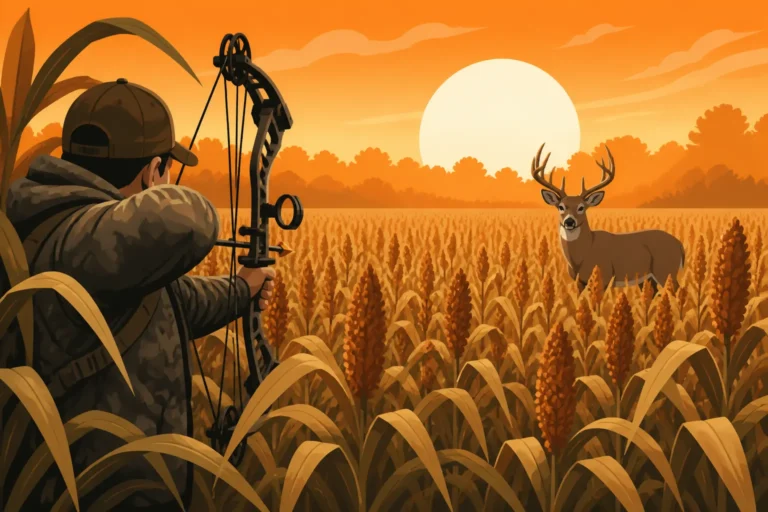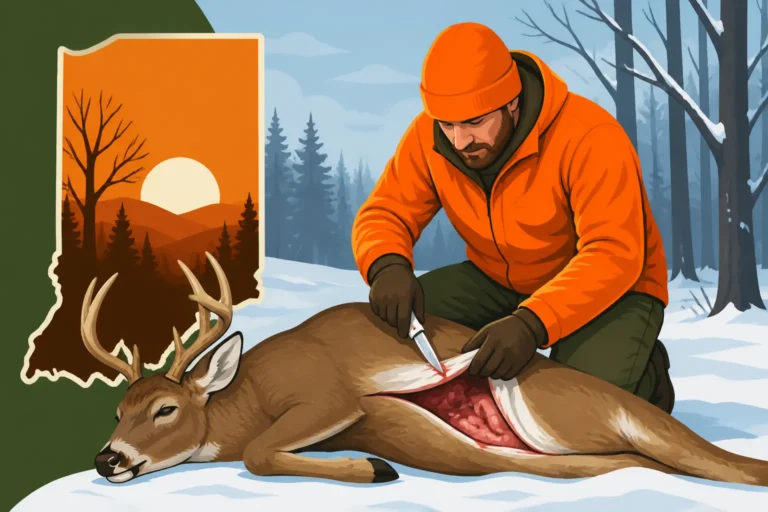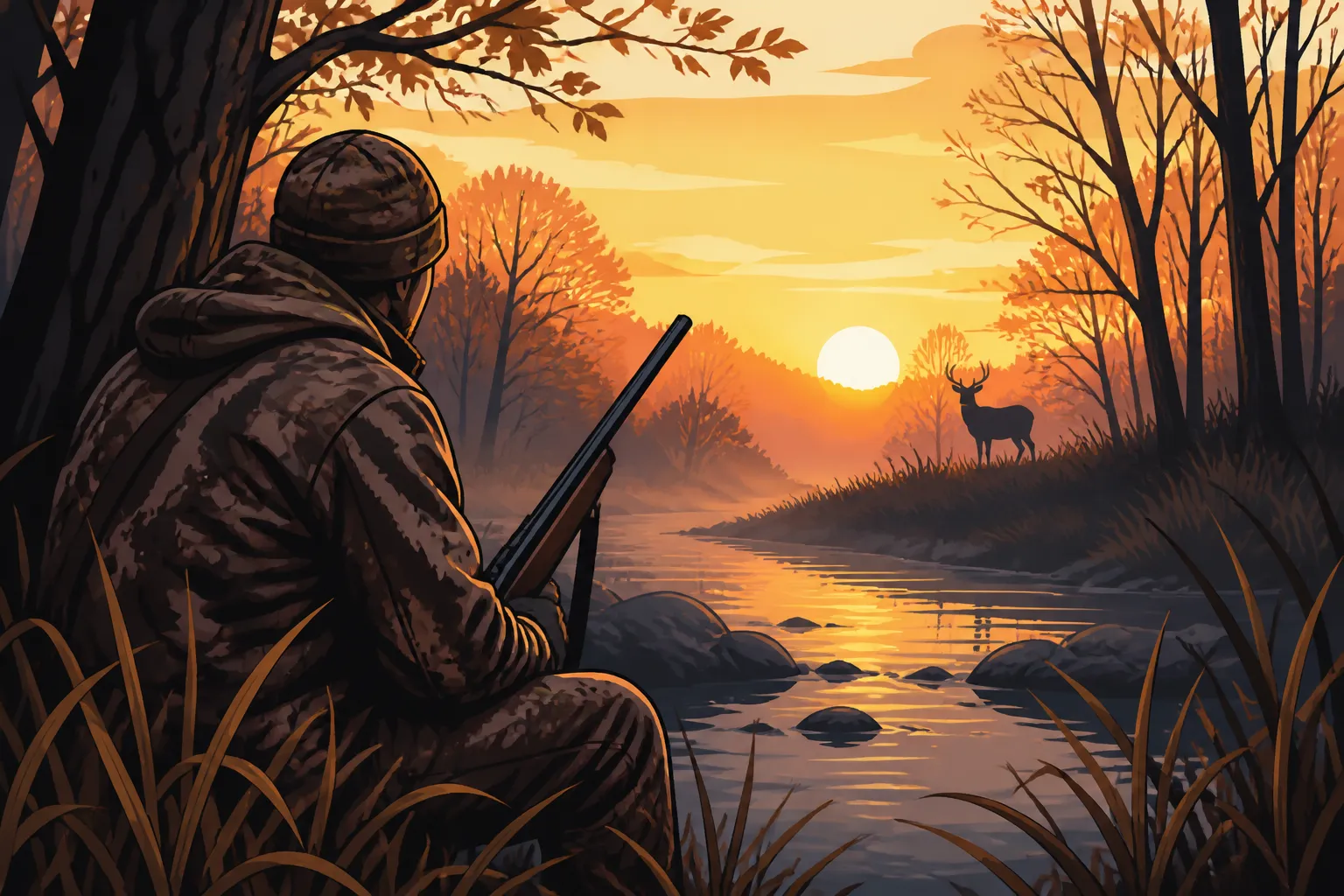
Sitting a Creek Crossing at First Light
Few things are more frustrating for an Indiana deer hunter than waking up hours before dawn, slipping into what you think is the perfect stand, only to watch the sun rise without seeing a single deer. It’s enough to make you wonder if those elusive whitetails even exist in your woods! But sometimes, the key to consistent encounters, especially at first light, lies in understanding a deer's most fundamental travel patterns: creek crossings. These often-overlooked spots can be absolute magnets for deer, offering predictable movement if you know how to scout, set up, and execute your hunt. This guide is all about demystifying the art of sitting a creek crossing at first light in Indiana, transforming those frustrating mornings into memorable hunts.
The Unseen Power of Creek Crossings for Deer Movement
Creek crossings aren't just arbitrary points where deer happen to splash through; they are strategic arteries in a deer's daily life, especially during the low-light hours of dawn. Understanding why deer use them so consistently is the first step to hunting them effectively.
Natural Funnels and Travel Corridors
Think about it: deer, much like us, prefer the path of least resistance. A meandering creek, whether it's a small ditch on a Northern Indiana farmland edge or a significant tributary winding through the deep ravines of the Hoosier National Forest, can act as a natural barrier. Instead of crashing through thick brush or wading chest-deep through cold water, deer will seek out specific points where the banks are lower, the water is shallower, or a fallen log creates a convenient bridge.
These natural funnels concentrate deer movement into predictable corridors. If a deer is moving from a bedding area on one side of a creek to a feeding field on the other, or simply traveling along the creek bottom, it's far more efficient for them to use these established crossings. This is particularly true in areas with challenging topography, like the steep, rocky terrain of Southern Indiana hill country. A well-worn deer trail leading into and out of a creek isn't just a sign of activity; it's a neon sign telling you exactly where deer prefer to be at certain times of the day. During the rut, these crossings become even more critical as bucks scent-check and pursue does, often funneling directly through these pinch points.
Water, Cover, and Escape Routes
Beyond being mere travel lanes, creek bottoms often provide a trifecta of essentials for whitetails: water, cover, and escape routes. The lush vegetation that typically lines creek banks offers not only palatable browse but also dense, protective cover where deer feel secure. In the heat of early archery season, deer often bed down in cool, shaded creek bottoms, only moving out as the sun rises. The creek itself is a constant water source, and deer will often stop for a drink as they move through.
Furthermore, the topography created by a creek, with its winding banks, depressions, and often abrupt changes in elevation, offers excellent escape routes. A deer caught off guard can quickly drop into a ravine, use the thick cover along the bank to disappear, or even use the water itself to throw off a pursuing predator. This inherent sense of security makes deer feel comfortable lingering near these crossings, increasing your chances of an encounter. For hunters, this means not just focusing on the crossing itself, but also understanding the surrounding terrain – the thickets, benches, and ridges – that funnel deer towards these critical points. Being able to read the land and predict deer movement, perhaps by using aerial maps like those found on GoHunt, can dramatically improve your success.
Scouting and Identifying Prime First-Light Crossings
You can’t just walk up to any creek and expect a deer crossing to materialize at dawn. Effective creek crossing hunting begins long before the season with meticulous scouting. It’s all about putting in the groundwork to understand precisely where deer are moving and why.
Reading the Sign: Tracks, Trails, and Rubs
Pre-season scouting is your best friend when it comes to creek crossings. Start by using mapping applications like the Indiana DNR App or GoHunt to scan aerial imagery and topographic maps. Look for natural pinch points where contours come together, or where dense timber on one side of a creek narrows down to a visible crossing point. Identify areas where creeks flow between potential bedding and feeding areas. This digital reconnaissance can save you countless hours on the ground.
Once you’ve identified potential spots, it’s time to hit the woods. The most obvious indicator of an active crossing is a well-defined trail leading into and out of the water. Look for fresh deer tracks in the mud or soft soil along the banks. Pay attention to the number of tracks and their size – multiple tracks, especially varied sizes, indicate consistent use by a diverse group of deer. If you're seeing big, mature buck tracks, you know you're in the right neighborhood. Check for broken vegetation or "cow paths" where deer have repeatedly pushed through brush to access the crossing.
Beyond tracks, keep an eye out for other signs of deer activity. Fresh rubs on saplings and small trees near a crossing point, especially during the early fall, signal that bucks are actively using this area. Scrapes, particularly those along logging roads or field edges leading to a creek, further confirm consistent buck movement. Understanding how to interpret Reading Indiana Mud for Fresh Deer Movement can tell you not only that deer are crossing but when they’re crossing, which is crucial for those first-light setups. A well-used crossing with fresh sign means deer are comfortable and routinely traveling through that specific location.
Considering Wind and Thermals
Even with the best sign, a creek crossing hunt can quickly go south if you ignore wind and thermals. This is especially true at first light, when atmospheric conditions are often unstable and thermals, those subtle air currents influenced by temperature, are most active. In deep creek bottoms, cold air sinks, meaning your scent will typically be carried downhill, settling into the low spots. As the sun begins to warm the earth, these thermals will start to rise.
This means you need to be incredibly strategic with your stand placement. If you set up directly in the creek bottom, there’s a good chance your scent will pool there, broadcasting your presence to any deer approaching the crossing. Ideally, you want to set up above the crossing, on an adjacent ridge or bench, with a favorable wind that carries your scent away from the deer's likely approach paths. For example, if you’re hunting a creek in Hunting Brown County Ridgelines, a position slightly up the hillside on the downwind side will give you a significant advantage.
Always check the wind before you head out, and have a backup plan or two for different wind directions. Even a slight shift can ruin a morning hunt. Remember that thermals can "swirl" in valleys and bottoms, making a consistent wind more difficult to predict. This is why a slightly elevated position, even if it's just a few feet above the immediate creek bank, can make a huge difference in keeping your scent out of the deer's nose. Consider how Wind and Thermals on a Southern Indiana Ridge might apply to your specific creek bottom location.
Strategic Setup for Early Morning Encounters
Once you’ve done your homework and pinpointed a promising creek crossing, the real work begins: setting up for that crucial first-light encounter. This isn't just about picking a tree; it's about a holistic approach that considers concealment, shot opportunities, and your entry and exit.
Optimal Stand and Ground Blind Placement
Choosing the right spot for your stand or ground blind is paramount. For a treestand, you need an elevated position that offers a clear, unobstructed shooting lane to the entire crossing area. This often means finding a mature tree that allows you to be at least 15-20 feet high, breaking up your silhouette against the skyline. Consider the angles for your shots – will you be able to comfortably shoot both upstream and downstream, as well as directly across the crossing? Pay attention to any smaller trees or brush that might obstruct your arrow flight or bullet path. You also need to consider the angle of the sun at first light; you don't want to be silhouetted against the rising sun, nor do you want a blinding glare in your eyes.
In some situations, a ground blind might be a better option, especially in areas with very thick cover along the creek banks where tall trees are scarce or in more open Hunting Northern Indiana Farmland Deer scenarios. If you opt for a ground blind, concealment is key. You'll need to brush it in meticulously to ensure it blends seamlessly with the natural surroundings. Think about how to effectively employ Brushing In a Blind on a Field Edge or a creek bank to make it disappear. Set it up well in advance of the season, if possible, to allow deer to get used to its presence. Whether in a stand or a blind, ensure you have a comfortable seat; you'll be spending several hours there in the dark, waiting for the magic to happen.
Approach, Entry, and Exit Strategies
Your hunt truly begins the moment you step out of your truck, not when you climb into your stand. A poor approach can spoil your hunt before it even starts. The goal is to get into your setup before legal shooting light, without alerting any deer to your presence. This means planning a quiet, hidden route that avoids disturbing potential bedding areas or the crossing itself. Utilize natural topography – use a ridge top to hide your movement, walk in a shallow ditch, or stick to a field edge away from the creek. Minimizing noise is crucial; wear quiet clothing, and try to step carefully, avoiding snapping twigs or rustling leaves.
Scent control is equally important. Shower with scent-eliminating soap, wear clean hunting clothes, and use scent-eliminating sprays on your boots and gear. Any lingering human odor will quickly be detected by deer in the still, damp air of a morning creek bottom. Imagine a big buck coming to the crossing, only to throw his head up and blow because he caught a whiff of you on the breeze – it’s a soul-crushing moment. Using the GoHunt app to mark your entry and exit routes can help you stick to a precise, low-impact path in the dark.
Your exit strategy is just as vital. Don’t just bail out of your stand the moment you get cold or think the deer aren't moving. If deer are still in the area, a noisy exit can blow them out of their bedding areas, educating them to your presence and making future hunts harder. Often, the best strategy is to wait until mid-morning when deer have moved off to bed, or even until midday if you can stick it out. This allows you to slip out undetected, preserving the spot for future hunts. This is a common challenge for hunters on Hunting Pressure on Indiana Public Land, where others might be moving about.
Maximizing Your Chances and Handling Challenges
Sitting a creek crossing at first light is a fantastic tactic, but like all hunting, it comes with its own set of nuances and potential frustrations. Being prepared for these challenges and knowing how to adapt can be the difference between success and another quiet morning.
The Waiting Game: Patience and Observation
Deer movement at first light can be incredibly subtle. It's not always a parade of deer marching through your shooting lane. Often, it's a flick of an ear, a shadow moving through thick cover, or the faint sound of hooves splashing in the water. This requires immense patience and keen observation. Don't stare relentlessly at one spot; instead, slowly scan your entire zone of responsibility, using your peripheral vision to detect movement. High-quality binoculars are your best friend in these low-light conditions, helping you pick apart shadows and identify deer before they fully step into view.
Remember that deer, especially mature bucks, are rarely in a hurry. They might approach a crossing slowly, stopping frequently to scent-check the air and listen for danger. This is why sitting still and being patient is paramount. The busiest time for a creek crossing at first light will often be in the first 30-60 minutes after legal shooting light, as deer make their way from nighttime feeding areas back to their daytime bedding cover. However, don't pack up too early; sometimes, a lone doe or a cruising buck might decide to make a late crossing. If you're hoping for a chance at a true trophy, understanding Where Hoosier National Forest Bucks Bed can help you predict when they might utilize a crossing to return to those secure spots.
Dealing with Hunting Pressure and Weather
Creek crossings are productive spots, which means other hunters might also recognize their value. On public land, you might encounter more pressure. If your primary crossing is already occupied, or if you consistently see sign of other hunters, you'll need to adapt. This could mean scouting for a less obvious, harder-to-access crossing, or perhaps shifting your hunt to a later time in the morning once other hunters have moved on. The GoHunt app can sometimes show recent scouting activity or public land boundaries that might suggest high-pressure areas. Consider tactics like Hunting a Funnel Between Two Woodlots in areas where creek crossings might be too pressured.
Weather plays a huge role in deer movement around creek crossings. A cold front rolling through Indiana can often spur increased activity, as deer know they need to feed before temperatures drop further. Hunting Deer After a January Cold Front might lead to deer moving earlier and more purposefully. Conversely, heavy rain can deter deer from crossing until it lets up, or they might seek alternative, drier routes. Fresh snow can reveal exactly where deer are moving and when, making scouting even more effective. However, heavy snow can also make creek crossings more challenging, with deeper water or slick ice. Always dress appropriately for the conditions; Cold-Weather Sitting Strategy in Indiana is critical to staying comfortable and alert.
Finally, always have a plan for recovery, especially when hunting near water. Recovering a Deer From a River Bottom can be a logistical nightmare, requiring extra hands, ropes, or even a small boat. Don't let the excitement of the shot overshadow the reality of getting your deer out safely and ethically.
Comparing Creek Crossing Types
| Crossing Type | Description | Pros | Cons | Ideal Conditions for Hunting |
|---|---|---|---|---|
| Shallow Ford | Wide, flat section of creek with minimal water depth and gentle banks. | Easy for deer to use, high traffic. | Can be exposed, less concentrated funnel. | Early season, quiet conditions |
| Log/Debris Bridge | Fallen tree or natural debris creating a dry crossing. | Extremely concentrated traffic, preferred by wary deer. | Can be unpredictable if debris shifts, might require careful stand placement. | Cold weather, high water, wary bucks |
| Narrow Pinch Point | Steep banks funneling deer to a very small crossing area. | Very predictable, tight shooting lanes. | Limited shot opportunities, can be challenging for stand setup. | Heavy cover, dense deer population |
| Beaver Dam/Pond | Area with standing water, sometimes offering a raised earthen crossing. | Good cover, often combines water and browse. | Can be noisy, marshy access, less common. | Diverse habitat, waterfowl potential |
Disclaimer
Hunting is an inherently dangerous activity. Always prioritize safety, including proper firearm handling, treestand safety, and knowing local regulations. This information is for educational purposes only and should not replace professional guidance or official state hunting publications. Always consult the latest Indiana DNR hunting regulations before heading into the field.