Hunting a Grain Elevator Adjacent Woodlot
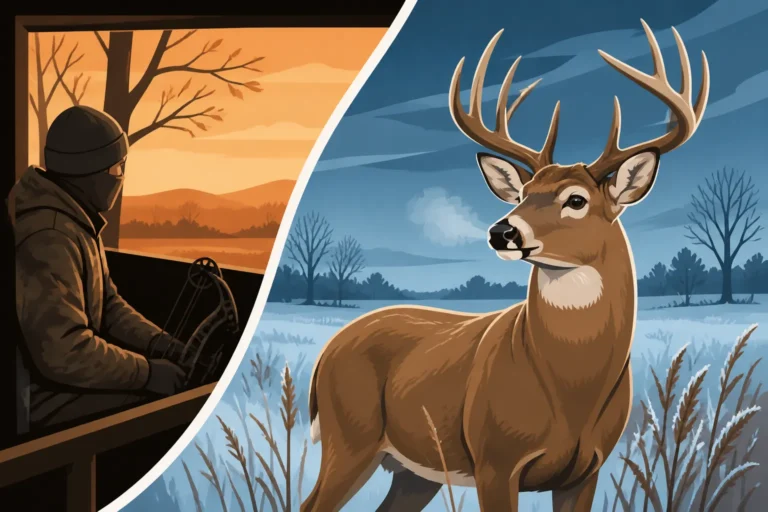
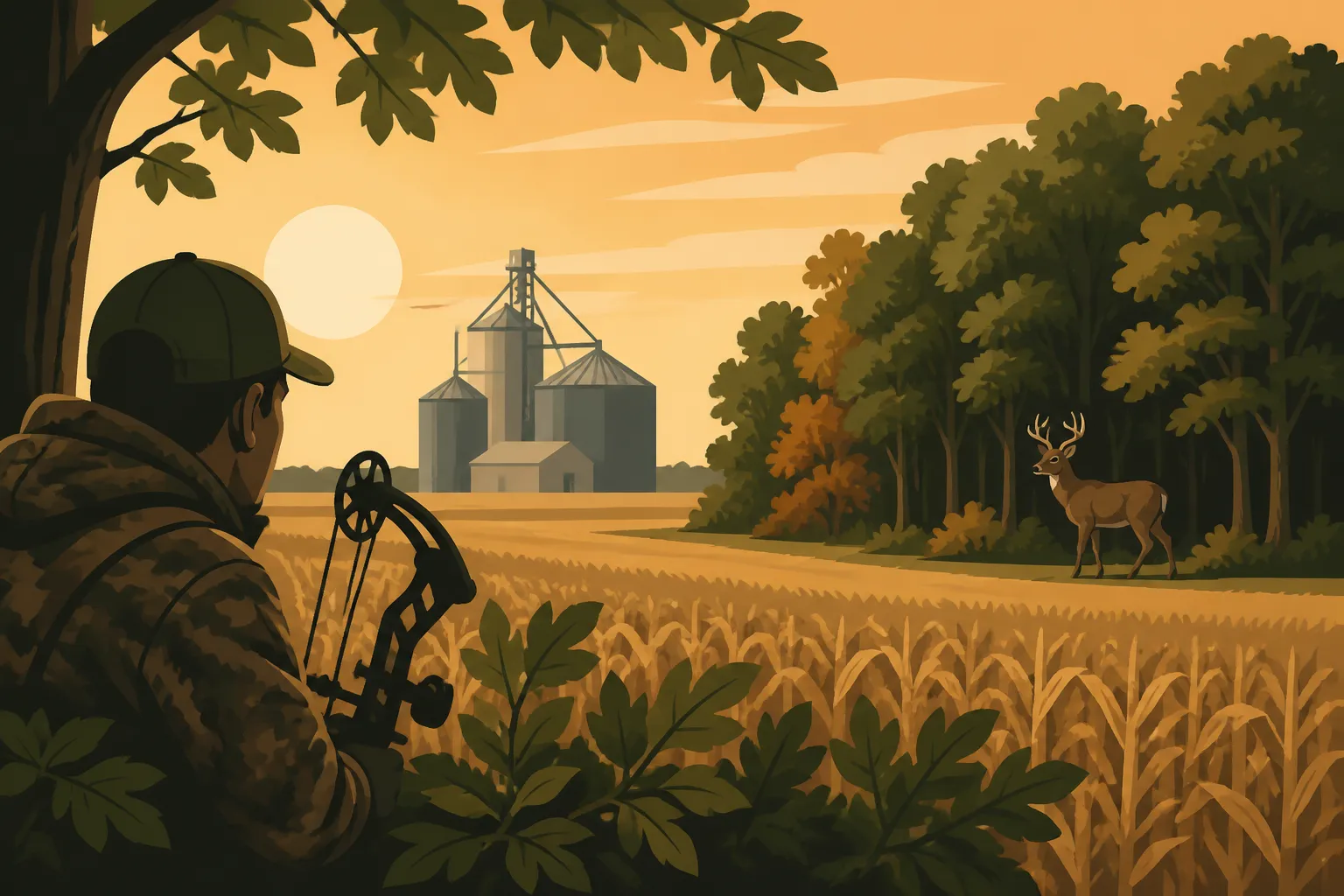
Hunting the edges of a grain elevator adjacent woodlot in Indiana can feel like a game of cat and mouse, especially when you know the deer are there, practically taunting you. The frustration builds when you see massive tracks leading right to the elevator property, only to have deer vanish into thin air or move exclusively under the cover of darkness. It's a unique challenge, one that many Hoosier hunters face in our agricultural landscape, but with the right approach, you can turn these tricky spots into highly productive deer hunting grounds. This guide will dive deep into tactics for effectively hunting those often-overlooked woodlots right next to Indiana’s many grain elevators, helping you understand deer behavior in these unique environments and increase your success.
Understanding Deer Behavior Near Grain Elevators
Deer are creatures of opportunity, and few opportunities are as consistent and appealing as the spilled grain around an active elevator. Understanding why they risk proximity to human activity is the first step in formulating a successful hunting strategy.
Why Deer are Drawn to Elevators
It's no secret that deer love corn and soybeans. In Indiana, our agricultural fields are a primary food source for whitetails, and a grain elevator represents an ultimate, concentrated buffet. As trucks unload and operations churn, a surprising amount of grain spills onto the ground. This isn't just a handful of kernels; it can be a steady supply of high-calorie, easily accessible food, especially during the fall and winter when natural forage might be declining. For a deer, this spilled grain is an irresistible draw, acting like an unintentional, year-round food plot right on the edge of their habitat. They'll key in on it, sometimes abandoning traditional food sources entirely for its consistent bounty.
Beyond the immediate food source, there’s often a subtle "safety" aspect. While grain elevators are certainly bustling with human activity, that activity is generally contained within the immediate facility. The specific ground directly around the silos and loading areas often sees limited random human foot traffic, unlike a public hunting parcel. This can create a psychological barrier where deer learn that the activity is largely predictable and confined. They know people are there, but they might perceive the edge of that activity as less of a direct threat than, say, a hunter walking through their bedding area. This combination of abundant food and perceived, if misguided, safety makes these spots prime targets for deer, particularly when pressure increases elsewhere.
Deer movement patterns around elevators often follow a predictable nocturnal or low-light schedule. They might bed down in nearby woodlots, thickets, or CRP fields during the day, waiting for the cover of dusk or deep night to venture out for a quick, calorie-rich meal. This means that while the elevator itself holds the food, the real key to hunting them effectively lies in understanding the approach and departure routes, the staging areas, and the timing of their movements to and from this artificial buffet. The woodlot directly adjacent becomes the critical interface between their safe, natural habitat and this enticing, yet risky, food source.
Transition Zones and Staging Areas
The woodlot immediately next to a grain elevator is far more than just a patch of trees; it's a critical piece of the deer's daily puzzle. Think of it as the ultimate transition zone. Deer rarely walk directly from their deep bedding area, across open ground, and straight into the glow of an elevator's lights. Instead, they utilize the cover of these adjacent woodlots to stage. This means they'll gather here, often just before dark, milling about, browsing on natural forage, and waiting for optimal conditions – lower light, a favorable wind, or simply a perceived decrease in human activity – before making their final move to the spilled grain.
During these staging periods, deer behavior can be intensely focused within these woodlots. You’ll often find fresh rubs and scrapes, sometimes more concentrated than anywhere else, as bucks mark their territory and check for does before or after visiting the food source. Heavy, well-worn trails will spiderweb through these timbered areas, clearly indicating the primary travel corridors leading directly from the relative safety of deeper cover to the elevator property. These trails are your roadmap. Identifying these pinch points and funnels where deer are forced to travel a specific route is paramount. Deer will also often retreat immediately into these same woodlots after feeding, especially if they are startled or if daylight begins to break.
The woodlot might also contain crucial bedding areas, particularly if it offers dense cover like cedar thickets, brush piles, or tangled briar patches. While deeper, larger timber blocks might hold the primary bedding, a small, overlooked patch of thick stuff within the elevator-adjacent woodlot can serve as a satellite bedding area for deer that want to minimize travel time to their evening meal. Hunters must learn to read this sign, paying close attention to fresh tracks, droppings, and the direction of travel to discern how deer are using these vital transition zones. This understanding will dictate where you need to be to intercept them effectively.
Scouting and Stand Placement Strategies
Successfully hunting these grain elevator woodlots demands a meticulous approach to scouting, combining modern technology with good old-fashioned boots-on-the-ground effort. This isn't your typical sprawling Hoosier National Forest hunt; it requires precision.
E-Scouting and Boots-on-the-Ground
Before you ever set foot in the woods, your e-scouting game needs to be on point. Tools like OnX Hunt, BaseMap, or even Google Earth are invaluable. Start by pinpointing the exact location of the grain elevator and its property boundaries. Then, zoom in on the surrounding woodlots, looking for any natural features that might act as funnels or pinch points. Are there ditches, creeks, fencerows, or changes in topography that would naturally guide deer movement? Look for areas of dense cover that could serve as bedding or staging spots, especially those offering good security cover directly off the main agricultural fields. You can often see historical deer trails from aerial views, particularly if they are well-used. Even if the immediate woodlot seems small, every detail matters. This initial overview helps you formulate a plan for where to focus your in-person scouting efforts and avoid trespassing on the elevator’s operational areas.
Once you have a general understanding from the air, it’s time to get your boots on the ground, but with an important caveat: minimal intrusion is key. Deer in these areas are often incredibly wary due to constant human presence, albeit non-hunting related. Your goal is to confirm your e-scouting observations, locate fresh sign, and identify specific travel routes without blowing out the area. Look for fresh rubs and scrapes, which are often concentrated along the edges of the woodlot leading towards the elevator. Pay close attention to trails, distinguishing between old, faint paths and heavily used runways. You might also find shed antlers in the spring, which can reveal where bucks are spending time. If you’re scouting for late-season food sources for Indiana whitetails beyond just the spilled grain, look for pockets of mast crops like acorns or remaining browse that might supplement the deer’s diet and offer alternative draw points. Remember, your presence leaves scent and disturbance, so move slowly, carefully, and get in and out efficiently.
It’s not just about finding sign, but interpreting it. What direction are the deer moving? Are the trails primarily used at night or during daylight? Are there multiple trails converging into one strong path? Also, take note of prevailing winds and how they might affect deer movement and your scent cone. A valuable mapping tool like GoHunt can further enhance your scouting by providing detailed topo maps, public/private land boundaries, and even historical harvest data in some areas. This information can help you predict where deer might be coming from and where they are heading, giving you a significant edge in these localized, high-value spots.
Optimal Stand Locations for Success
Choosing the perfect stand location in a grain elevator adjacent woodlot is often a tightrope walk between proximity to the action and maintaining concealment and a clear shot. Your primary focus should be on intercepting deer along the trails connecting their bedding and staging areas within the woodlot to the actual elevator property. Deer are notoriously cautious, especially older bucks, and they will almost always approach a food source with the wind in their favor, circling to scent-check for danger. Therefore, identifying the prevailing winds for a given hunt and setting up downwind of those primary travel corridors is non-negotiable. This might mean having multiple stand locations for different wind directions, or at least a flexible setup like a mobile treestand or ground blind.
Consider the time of day you plan to hunt. If you’re hunting in the evening, you’ll want to be positioned to intercept deer as they approach the elevator. This means your stand should be between the known bedding areas (if they're deeper in the woodlot or nearby cover) and the elevator. On the other hand, if you're hunting mornings, you'll need to anticipate deer returning from the elevator to their bedding grounds. This often requires setting up closer to the elevator itself, but still well within the woodlot and respecting property lines, to catch them as they head back before full daylight. It's a tricky balance; you need to be far enough off the actual elevator property to avoid trespassing and disrupting operations, but close enough to intercept deer moving along those critical travel routes.
When selecting a tree, look for one that offers good cover to break up your silhouette, provides a clear shooting lane to the most likely travel paths, and allows for a quiet, low-impact entry and exit. Elevated treestands are often preferred for their scent dispersion and vantage point, but don't discount the effectiveness of a well-placed ground blind, especially if natural cover is abundant or you're hunting a tight pinch point. Remember, these deer are often hyper-aware of their surroundings. Unlike Hanging a Stand on a Southern Indiana Ridge where terrain dictates many factors, here, the human structures and the deer's predictable patterns around them are your main guides. Focus on funnels, points where multiple trails converge, or areas of slightly thicker cover that deer might pause in before exposing themselves to the open elevator area.
| Stand Placement Factor | Considerations for Grain Elevator Woodlots |
|---|---|
| Wind Direction | Critical for success; multiple setups for varying winds. Deer will use wind to check danger as they approach/depart. |
| Time of Day | Evening: Intercept deer approaching food. Morning: Intercept deer returning to bedding. |
| Cover | Utilize existing trees, brush, or ground blinds to break up your silhouette and hide movement. |
| Proximity to Elevator | Close enough to intercept travel, far enough to avoid trespassing and minimize disturbance to elevator operations. |
| Entry/Exit Routes | Plan silent, concealed paths to and from your stand that avoid disturbing deer. |
| Funnels/Pinch Points | Look for natural terrain features or dense cover that constricts deer movement into predictable lanes. |
| Shooting Lanes | Clear paths to expected travel routes are vital for quick, ethical shots. |
| Security Cover | Consider how deer will feel safe moving through the area; target spots that offer them a sense of security. |
Effective Hunting Tactics and Considerations
Hunting these specific woodlots requires more than just a well-placed stand; it demands smart timing, minimal impact, and the right gear to capitalize on fleeting opportunities.
Timing Your Hunts
The timing of your hunts around a grain elevator adjacent woodlot can make all the difference, as deer behavior fluctuates throughout the season in response to food availability, breeding instincts, and hunting pressure. During the early archery season in Indiana, deer might be predominantly nocturnal, especially if the weather is warm. However, the consistent food source provided by the spilled grain can still pull deer into the area during the first and last hours of daylight, particularly on cooler, overcast days. This is a time to be patient and focus on those brief windows of movement.
As the rut approaches in Indiana, usually peaking in early November, bucks will become more active during daylight hours, cruising these transition zones looking for does. Even if the primary draw of the elevator is food, the woodlot itself becomes a high-traffic intersection where does are moving to and from the food, and bucks are following their scent trails. This is arguably the best time to catch a mature buck during daylight. Later in the season, when natural food sources like acorns are depleted and crop fields are harvested, the spilled grain around the elevator becomes an even more critical attraction. This makes the late season, including Hunting the Late-Season January Lull, prime time for these spots, especially after a cold front or fresh snow when deer need readily available calories.
The key is to pay attention to weather patterns. A sudden drop in temperature, a light snowfall, or even just persistent cloudy skies can sometimes be enough to encourage deer to move earlier or later than usual. Keep an eye on local agricultural activity as well; if there's heavy truck traffic and unloading, it might push deer to move even more cautiously or wait for quieter periods. Being flexible with your hunt times and having the patience to sit through seemingly dead periods can be rewarded when the conditions align, and deer decide to make their move.
Minimizing Pressure and Entry/Exit
Deer around grain elevators are often exceptionally sensitive to human pressure. They are accustomed to the ambient noise and activity of the elevator itself, but the presence of a hunter, particularly with associated scents and abnormal movements, can quickly make them disappear. Therefore, minimizing your footprint is absolutely crucial. This starts with your entry and exit routes. You need to plan paths to and from your stand that are as quiet and concealed as possible. Use ditches, fencerows, standing corn (if present), or the deepest cover available to hide your approach. Walk slowly, deliberately, and avoid making unnecessary noise. Just as vital is ensuring your entry and exit don’t "spook" deer that are already in the area, potentially ruining future hunts. If deer bust you leaving your stand, they’ll associate that spot with danger.
Scent control becomes paramount in these high-pressure, often human-adjacent areas. While deer might be somewhat habituated to the general scent of humans from the elevator, they are not habituated to the concentrated, lingering odor of a hunter. Use scent-eliminating sprays, wash your clothes in scent-free detergent, and store them in airtight containers. Play the wind religiously. Even a slight shift in wind direction can carry your scent directly into the path of approaching deer, alerting them before they ever come into view. If the wind isn't right for your primary stand, don't force it; have a backup plan or choose a different area to hunt that day.
Another strategy to minimize pressure is to limit the frequency of your hunts in these specific woodlots. If you hammer a spot repeatedly, deer will quickly catch on and change their patterns. Sometimes, a strategic "cold" period of a few days or a week can allow deer to relax and return to their normal routines. Consider using a ground blind on Indiana public land or even on private land with permission. A well-brushed-in ground blind can offer excellent concealment and help contain your scent, providing a low-impact hunting option that allows you to be set up well before daylight and stay until after dark without being detected. Remember, these deer have adapted to human presence; your job is to exploit that adaptation without becoming another predictable threat.
Equipment and Shot Opportunities
Given the nature of hunting these woodlots, where shots are often short, fast, and in heavy cover, your equipment choices and proficiency with them are critical. For many Indiana hunters, especially during the long archery season, a bow or crossbow is the ideal tool. Bowhunting Indiana's Long Archery Season offers ample opportunity, and the compact nature of archery equipment allows for maneuverability in thick timber where a rifle might be cumbersome. You should expect shot opportunities to be close-range, likely within 20-30 yards, and potentially fleeting. Practice shooting from awkward positions, quickly acquiring your target, and making precise shots under pressure. Fixed-blade broadheads are often preferred for their reliability and penetration in case you encounter a shoulder or bone.
If you're hunting during the Indiana Firearms Deer Season and local regulations allow, a rifle can certainly be effective, but again, consider the typical shot distances. A compact, fast-handling rifle sighted in for 100-150 yards would be more than sufficient. While Indiana's new statewide rifle rules have expanded options, remember that most shots in these woodlots will still be up close and personal. Don't over-gun for the situation; accuracy trumps power at short ranges. Optics for southern Indiana ridges might involve high magnification, but in a tight woodlot, a lower-power variable scope or even a red dot sight could be more advantageous for quick target acquisition.
Regardless of your chosen weapon, invest in good quality binoculars, even if they're just 8x power. They’ll help you pick apart dense cover, identify deer movement, and confirm targets in low light. A reliable rangefinder is also invaluable for quickly gauging distances in unfamiliar timber. Finally, think about your clothing. Layers are always key for Indiana's unpredictable weather, but choose quiet fabrics that won't rustle against brush as you move into your stand. Every detail, from the quietness of your zipper to the crunch of your boots on dry leaves, can contribute to success or failure in these sensitive hunting environments.
Disclaimer
Hunting is an inherently dangerous activity. This guide is for informational purposes only and does not supersede local, state, or federal hunting regulations. Always consult the most current Indiana Department of Natural Resources (DNR) regulations before hunting. Ensure you have all required licenses and permits, understand property boundaries, and prioritize safety above all else. Remember that obtaining landowner permission is required for hunting on private land.