Getting Free CWD Testing for Your Deer
The moment you pull the trigger on a hard-earned Indiana deer, a rush of emotions takes over: pride, relief, and perhaps a touch of fatigue after a long sit. But these days, for many Hoosier hunters, a new concern has subtly woven itself into that mix: the quiet worry about Chronic Wasting Disease (CWD). You want to know that the venison you're putting on your table is healthy, and that you're doing your part to keep our wild deer herd strong. This guide is here to walk you through exactly how you can get free CWD testing for your harvested deer, offering peace of mind and contributing to Indiana's critical wildlife management efforts.
The Lingering Shadow of CWD in Indiana
It's natural to feel a bit uneasy about CWD, especially with all the news surrounding it. We all cherish Indiana's deer hunting tradition, and anything that threatens the health of the herd or the safety of our harvest is a big deal. Understanding what CWD is and how our state is addressing it is the first step toward taking proactive measures.
Why CWD is a Concern for Hoosier Hunters
Chronic Wasting Disease is a serious, fatal neurological disease affecting deer, elk, and moose. It's caused by abnormal proteins called prions that accumulate in the brain and other tissues. What makes CWD particularly concerning is its insidious nature: it can take a long time for symptoms to appear, and by then, the infected animal has likely been spreading the prions in the environment through saliva, urine, and feces. For us hunters, the main worries are two-fold. First, the impact on the deer population itself; a widespread CWD infection could devastate local herds, affecting hunting opportunities for generations to come. Second, the lingering question marks around human health. While there's currently no evidence of CWD transmitting to humans, health organizations still recommend not consuming meat from CWD-positive animals. This is why knowing the status of your harvested deer brings such invaluable peace of mind. Indiana has a dedicated CWD positive area, primarily in the northeastern part of the state, which makes testing even more critical for hunters in those counties.
Indiana's Proactive Approach to Disease Management
Thankfully, the Indiana Department of Natural Resources (DNR) isn't sitting idly by. They've established a comprehensive strategy to monitor and manage CWD, aimed at early detection and limiting its spread. This includes extensive surveillance through hunter-submitted samples. In areas like the CWD positive zone, particularly in counties such as LaGrange, Steuben, and Noble, hunters are often subject to mandatory testing inside Indiana's positive area for deer harvested during certain seasons. Beyond that, the DNR also conducts enhanced surveillance in surrounding counties, like Franklin and Rush, to monitor for any potential spread beyond the known hot spots. This isn't just about collecting data; it's about giving our wildlife biologists the information they need to make informed decisions that protect the long-term health of our deer herd. Every sample you submit is a piece of that puzzle, helping to safeguard the future of Indiana hunting.
Navigating the Free CWD Testing Process
Once you've harvested a deer, especially if you're hunting near or within a known CWD management zone, getting it tested is a straightforward process, and it's completely free. The key is knowing where to go and what to bring. Don't let the idea of "disease testing" intimidate you; the DNR has made it as easy as possible for hunters to participate.
Locating an Official CWD Sampling Station
The first step is figuring out where to take your deer's head for sampling. The Indiana DNR maintains a network of CWD sampling stations across the state, especially concentrated in and around the CWD positive area. These locations can include specific DNR offices, Fish & Wildlife Areas (FWAs), State Forests, or even cooperating meat processors and taxidermists who are trained to collect samples. The absolute best way to find the most up-to-date list of sampling locations, their operating hours, and any specific drop-off instructions is to visit the Indiana DNR's website or use their Go Outdoors Indiana mobile app. Often, during peak firearms season, temporary drop-off sites might also be available. If you're planning a hunt, it's a good idea to check these resources well in advance, even if you’re using a sophisticated tool like GoHunt to scout and plan your routes, so you know exactly where you’ll head after a successful harvest. Having this information ready can save you a lot of time and stress after a long day in the field.
Preparing Your Deer for Sampling
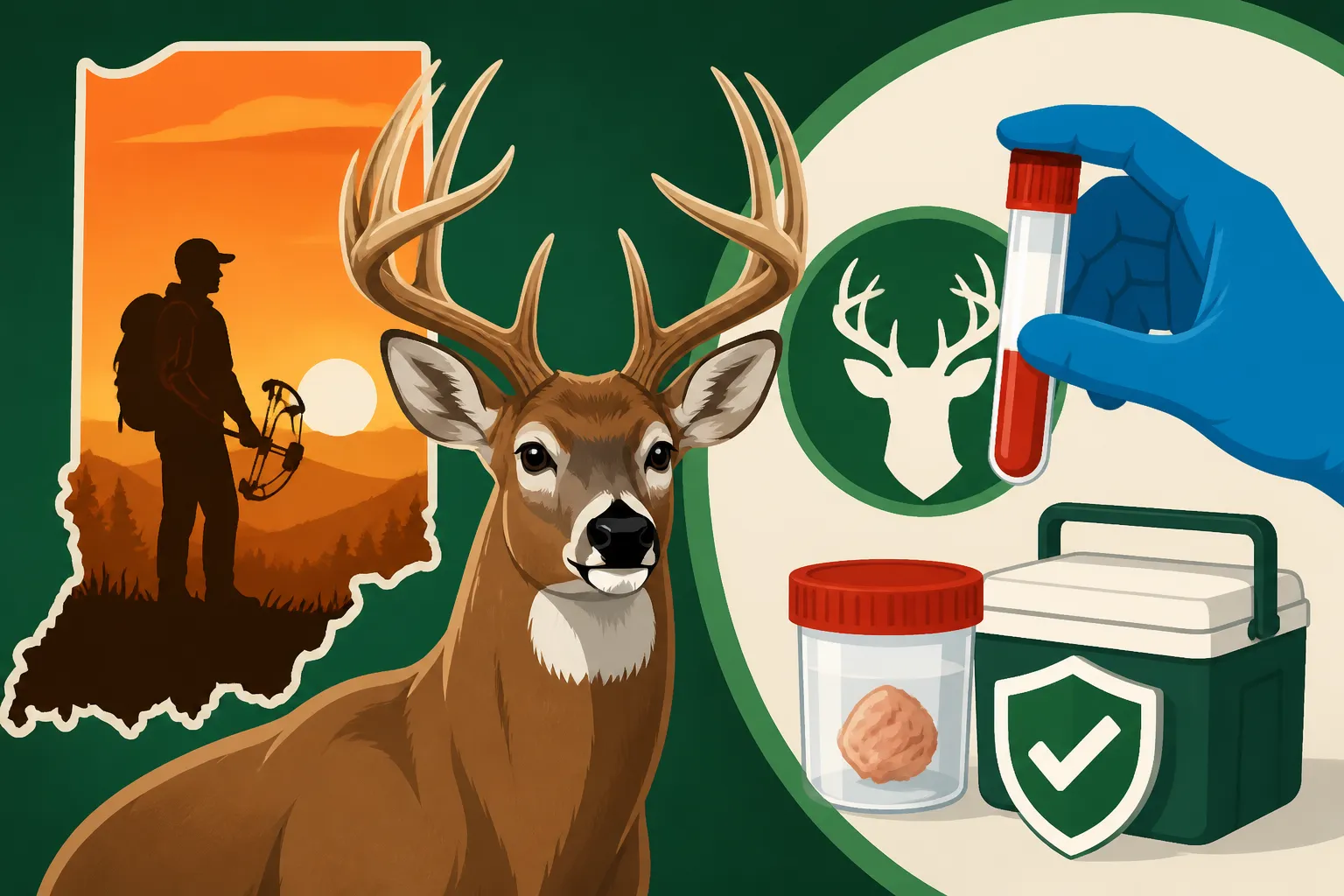
This is where a little preparation goes a long way. To provide a viable sample, you typically need to bring the deer's head, with at least 4-6 inches of neck still attached, to the sampling station. Here's a quick rundown of best practices:
- Field Dressing: You'll want to field dress your deer as normal, removing the entrails to cool the carcass.
- Head Removal: Carefully remove the head, leaving a good portion of the neck bone. A saw works best for this.
- Keep it Cool: The most crucial step is keeping the head cool. If you can't get it to a sampling station immediately, put it in a cooler with ice, especially if the weather is warm. This prevents decomposition and ensures the sample remains viable for testing.
- Avoid Contamination: Try to keep the sample clean. If you've been working with multiple deer, clean your tools thoroughly between animals.
- Carcass Movement Restrictions: Be mindful of Indiana carcass movement restrictions. If you harvested a deer within a CWD positive area, there are rules about transporting whole carcasses or certain parts outside of that zone. Typically, the head can be transported to a CWD sampling station, but know the specific regulations for your situation.
Having your license, harvest tag information, and the exact location (county, nearest landmark) where the deer was harvested readily available will also make the drop-off process much smoother. Using a hunting app like GoHunt might help you accurately record these details right after the kill, simplifying the reporting later.
The On-Site Sampling Experience
When you arrive at a sampling station, the experience can vary slightly depending on the type of station. Some locations, particularly DNR offices or larger FWAs, might have staff available during certain hours to collect the sample directly from you. They'll ask for your hunter information, harvest details (date, county, GPS coordinates if you have them), and then quickly remove the necessary lymph node tissue or brain stem sample.
Other stations might be self-serve drop-off boxes. These are often large, clearly marked freezers or containers where you can deposit the head with appropriate paperwork. You'll typically find forms that require you to fill out your contact information, license number, and the harvest details. It's critical to fill these out completely and accurately, attaching them securely to the head or placing them in a designated slot. This ensures your sample can be processed and results can be sent back to you. Don't forget to take a picture of your completed form and the harvest tag for your records. The DNR relies on precise data collection to understand the disease's prevalence, so your attention to detail really helps.
Here’s a summary of what to expect:
| Aspect | Description |
|---|---|
| Finding Stations | Check Indiana DNR website or Go Outdoors Indiana app. Look for DNR offices, FWAs, State Forests, or participating processors. GoHunt can assist with local planning. |
| What to Bring | Deer head with 4-6 inches of neck, kept cool (on ice if warm). Your hunting license and harvest confirmation number. Pen for forms. |
| Required Information | Hunter's name, contact info, license number, date of harvest, county of harvest, specific location (e.g., nearest road/town, GPS if available). |
| Sampling Method | Staffed stations: DNR personnel will remove brain stem or lymph node samples. Self-serve stations: Drop head into designated freezer/container with fully completed and attached forms. |
| Best Practices | Keep sample clean and cool. Fill out forms legibly and completely. Follow carcass movement restrictions, especially if in a CWD positive area. |
| Cost | Free for hunters. |
Understanding Your Test Results and Next Steps
Once you've submitted your sample, the waiting game begins. It can feel a bit like checking on a lab report for yourself, but knowing what to expect can ease any anxiety. The DNR has a system in place to ensure you get your results in a timely and understandable manner.
How and When to Expect Results
The turnaround time for CWD test results can vary, typically ranging from a few weeks to a couple of months, depending on the volume of samples being processed and the time of year (with peak hunting seasons naturally seeing longer waits). The Indiana DNR generally communicates results in writing, either via mail or email, to the contact information you provided on your submission form. Some states also offer an online portal where you can check the status using a unique identifier from your submitted sample, so it's worth checking the Indiana DNR website for their current system. If you haven't heard back within a reasonable timeframe – say, 6-8 weeks after submission – don't hesitate to reach out to the DNR's CWD program contact. They can often help track down the status of your sample. Just remember to have your license number and the date/location of harvest handy when you call.
Interpreting Positive, Negative, or Inconclusive Results
Receiving your results can bring a mix of anticipation and relief, or sometimes, further questions.
- Negative Result: This is the best-case scenario. A "negative" result means no CWD prions were detected in your deer's sample. For you, this means you can proceed with confidence, knowing the venison from that animal is safe for consumption. It's a huge relief and a testament to the health of the local herd you hunted.
- Positive Result: While less common, a "positive" result means CWD prions were detected. This is understandably concerning. If your deer tests positive, the Indiana DNR will contact you directly to discuss the findings and provide guidance. They will typically recommend that you do not consume the venison. They will also discuss appropriate carcass disposal methods and may ask for more information about the exact harvest location to aid their surveillance efforts. This is precisely why mandatory testing inside Indiana's positive area and enhanced surveillance efforts are so important; every positive case helps the DNR understand the disease's spread. If you were thinking about sharing venison from a CWD positive area, these results will definitely impact those plans.
- Inconclusive Result: Occasionally, a sample might come back as "inconclusive." This usually means the lab couldn't get a definitive positive or negative. It doesn't necessarily mean the deer has CWD, but it also doesn't rule it out. In these rare cases, the DNR might offer options for re-testing if there's enough suitable tissue, or they might advise against consumption as a precautionary measure.
Ultimately, participating in the free CWD testing program is a responsible act of stewardship. You're not just getting peace of mind for your family; you're actively contributing to critical data collection that helps protect Indiana's deer herd for all of us.
Beyond Testing: Responsible Hunting and CWD Prevention
Submitting your deer for CWD testing is a fantastic step, but our responsibility as hunters extends beyond that. We have a vital role to play in preventing the spread of CWD and maintaining the health of our deer populations. Every decision we make in the field and after the harvest can impact the ecosystem.
Best Practices for Hunters in CWD Zones
Hunting in or near CWD-positive areas demands an extra layer of vigilance and adherence to best practices. These aren't just rules; they're actions that minimize risk and protect the herd:
- Avoid Attracting and Concentrating Deer: One of the most significant factors in CWD spread is the congregation of deer in unnaturally high densities. This often happens around bait piles, mineral licks, or supplemental feeding stations. While tempting, especially during the late season when food sources are scarce, these practices significantly increase direct deer-to-deer contact and environmental contamination. Stick to natural food sources and ethical hunting methods.
- Proper Carcass Disposal: If you harvest a deer in a CWD-positive area, proper carcass disposal is paramount. Do not simply leave the remains in the woods, especially the head, spinal column, or brain, as these tissues contain the highest concentrations of prions. Instead, dispose of them in a permitted landfill. This prevents prions from entering the soil and potentially infecting other deer. The DNR's guidelines for handling venison from a CWD positive area are clear on this for good reason.
- Clean Your Gear Thoroughly: If you're hunting in different areas, particularly moving from a CWD-positive zone to a CWD-negative one, clean your hunting boots, tools, and even your vehicle's tires of any soil or organic matter that might harbor prions. It might sound extreme, but these microscopic proteins are incredibly resilient and can hitch a ride to new locations, which is how CWD often spreads through an expanding area.
- Know and Follow Regulations: Always stay informed about the latest CWD regulations for the specific county or region you're hunting in. Rules can change based on new detections or expanded surveillance zones. Tools like GoHunt can provide up-to-date regulation summaries, but always double-check with the official Indiana DNR website.
Supporting Indiana's CWD Surveillance Efforts
Our collective efforts are what truly make a difference in the fight against CWD. Hunters are the DNR's most valuable partners in this endeavor, providing boots-on-the-ground intelligence and critical samples.
- Encourage Testing, Even Outside Mandatory Zones: While mandatory testing focuses on high-risk areas, the DNR often encourages all hunters, regardless of location, to consider voluntary testing. The more data points they have, the clearer picture they can form of CWD prevalence across the state. Every sample helps Indiana Wildlife Disease Monitoring get a broader understanding.
- Report Sick Animals: If you ever observe a deer exhibiting signs of CWD – such as extreme weight loss, stumbling, drooling, or abnormal behavior – do not harvest it. Instead, immediately contact the Indiana DNR. Reporting a Sick Animal in Indiana They will investigate and, if necessary, dispatch the animal for testing. Your prompt report could prevent further spread.
- Stay Informed and Engaged: Keep up-to-date with the latest CWD information from the Indiana DNR. Read their reports, attend public meetings if available, and understand how many deer have tested CWD-positive in Indiana. Knowing which county triggered the latest CWD expansion can help you understand localized risks. Your active participation and knowledge are invaluable assets in protecting our deer and our hunting heritage. Don't forget to accurately submit your harvest information through the Indiana Deer Reporting Requirements, as this data also feeds into disease surveillance.
The future of Indiana's deer herd, and the vibrant hunting tradition we cherish, depends on our vigilance and cooperation. By taking advantage of free CWD testing and adopting responsible hunting practices, we can all contribute to a healthier, more sustainable future for wildlife in the Hoosier State.
Disclaimer
The information provided in this guide is for general informational purposes only and is subject to change. While we strive to offer accurate and up-to-date advice, hunting regulations, CWD management protocols, and testing locations can be updated by the Indiana Department of Natural Resources (DNR) at any time. Always consult the official Indiana DNR website or contact them directly for the most current and specific regulations before planning your hunt or submitting samples for CWD testing. Your adherence to official guidelines is crucial for legal compliance and effective wildlife management.