Indiana Special Antlerless Only Counties
It’s a common frustration for Indiana deer hunters trying to keep up with all the regulations. Just when you think you’ve got the general season structure down, you run into mentions of "special antlerless only counties," and it can feel like you need a legal degree to understand it all. This guide is here to clear up that confusion, diving deep into what these designations mean for you, where these counties are, and how you can maximize your antlerless harvest opportunities to help manage Indiana’s deer population effectively.
Navigating Indiana's Antlerless-Focused Counties: What They Are and Why They Matter
Indiana's deer management strategy is dynamic, always adapting to local population levels, agricultural damage concerns, and hunter success rates. When you hear about "special antlerless only counties" or areas with expanded antlerless opportunities, it's usually a direct response to these factors. The goal is to fine-tune the herd, ensuring healthy deer populations while also mitigating issues like crop damage and deer-vehicle collisions. Understanding these nuances isn't just about following the rules; it's about being a more effective and responsible hunter.
The DNR's Approach to Deer Management
The Indiana Department of Natural Resources (DNR) works tirelessly to balance the state's deer herd with the habitat and human interests. In areas where deer populations are high, or where specific concerns like Chronic Wasting Disease (CWD) arise, increasing antlerless harvest becomes a critical tool. This isn't about taking away your chance at a big buck; it's about ensuring a sustainable and healthy herd for future generations. By focusing on antlerless deer, especially does, hunters directly impact the reproductive potential of the herd, which is the most effective way to manage population growth. This strategy is vital in maintaining the delicate balance of our ecosystems and ensuring our shared hunting heritage.
Distinguishing Between General Harvest and Special Opportunities
Every year, Indiana hunters have opportunities to harvest antlerless deer during the regular archery, firearms, and muzzleloader seasons with the appropriate tags. However, "special antlerless opportunities" often refer to additional tags or extended seasons specifically designed to increase the antlerless take in certain areas. The most prominent example of this is Indiana’s Deer Reduction Zones. These zones are counties, or sometimes parts of counties, identified by the DNR as having higher deer densities that require more aggressive management. In these reduction zones, hunters can often purchase additional antlerless tags beyond the standard statewide limits, and the season for taking antlerless deer may extend well into the late season, sometimes even through January. This creates unique windows to fill your freezer, long after the regular firearms season has wrapped up.
Identifying Counties with Special Antlerless Opportunities
For hunters, the critical first step is knowing where these special opportunities exist. While the specific list can change slightly year to year based on DNR assessments, certain counties are consistently part of these antlerless-focused management strategies. These are often counties with significant agricultural land, suburban areas where traditional hunting methods are restricted, or regions where deer populations have shown consistent growth.
Current Deer Reduction Zone Counties
The Indiana DNR annually designates Deer Reduction Zones. These zones are the primary mechanism through which "special antlerless only" opportunities are offered. Hunters in these zones can purchase Reduction Zone Antlerless Deer Bonus Licenses, which allow for the harvest of additional antlerless deer. These licenses are typically valid during the archery, firearms, muzzleloader, and special reduction zone seasons, providing a substantial increase in harvest potential.
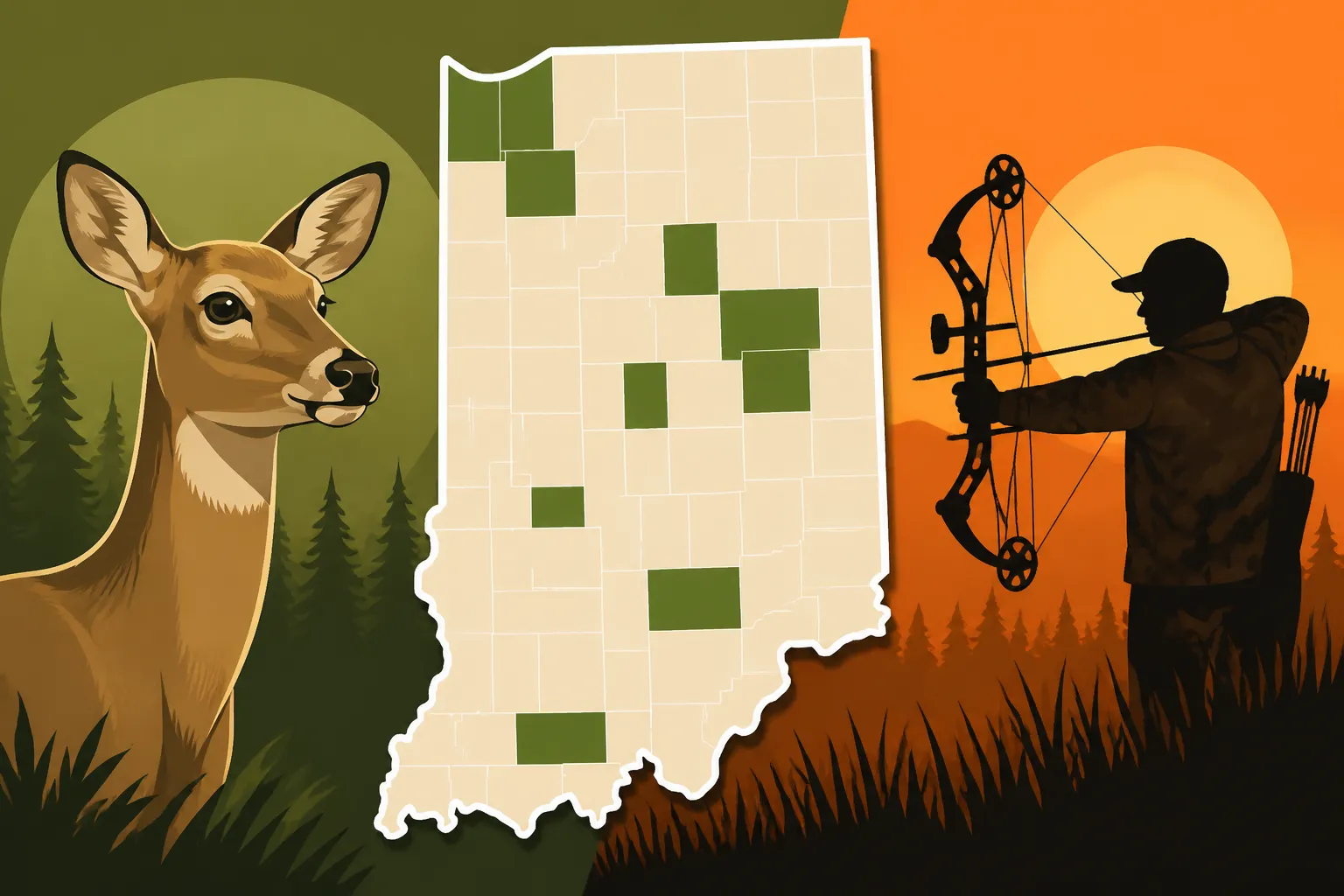
As of the current hunting season, many counties across Indiana are designated as Deer Reduction Zones. While the full list can be found in the official Indiana Hunting & Trapping Guide, here's a representation of counties that are commonly included. Remember to always consult the latest DNR guide or the Indiana DNR App for the most up-to-date information before heading afield.
| County (Example) | Common Status in Reduction Zone | Typical Special Antlerless Season Dates (Approx.) | Notes |
|---|---|---|---|
| Hamilton County | Yes | Oct 1 – Jan 31 | Often includes specific urban zones |
| Marion County | Yes | Oct 1 – Jan 31 | High population areas, often archery-only |
| Hendricks County | Yes | Oct 1 – Jan 31 | Suburban pressure, agricultural relief |
| Tippecanoe County | Yes | Oct 1 – Jan 31 | Farmland and growing urban interfaces |
| Allen County | Yes | Oct 1 – Jan 31 | Northeast Indiana, agricultural concerns |
| Bartholomew County | Yes | Oct 1 – Jan 31 | South-central, mixed urban/rural |
| Vanderburgh County | Yes | Oct 1 – Jan 31 | Southwest, includes Evansville metro |
| St. Joseph County | Yes | Oct 1 – Jan 31 | Northern Indiana, South Bend metro |
Note: This table provides general information. Always verify exact dates and county designations with the most recent Indiana DNR hunting regulations.
These counties often present unique challenges and opportunities. For instance, in more urbanized reduction zones like those around Indianapolis, hunting might be restricted to archery equipment, and access might require specific landowner permission or participation in managed hunts. Tools like GoHunt or OnX Hunt can be incredibly helpful for identifying specific property boundaries and landowner information in these fragmented areas, making it easier to secure permission to hunt Hunting Small Private Tracts in Indiana.
Specific Seasons and Tags for Antlerless Harvest in These Areas
Beyond the regular statewide seasons (archery, firearms, muzzleloader), the Deer Reduction Zones offer extended opportunities. Typically, the reduction zone season runs from October 1 through January 31. This means that after the statewide firearms and muzzleloader seasons have closed, hunters with Reduction Zone Antlerless Deer Bonus Licenses can continue to harvest antlerless deer in these designated counties. This is a huge advantage for hunters who want to extend their season or fill their freezer with venison.
When you purchase a Indiana Hunting Licenses and What They Cost, you'll typically get one antlered deer tag and several antlerless tags. In reduction zones, you can purchase additional bonus antlerless tags. These bonus tags are specific to reduction zones, allowing hunters to take more deer than would be permitted in non-reduction zone counties. This is particularly useful for those who want to focus on filling their freezer or helping a landowner manage their local deer population. Be sure to check the specific Indiana Deer Season Structure Explained each year to understand the exact tag types and their validity.
Strategies for Successful Antlerless Hunting in Designated Areas
Hunting antlerless deer, especially in these specialized zones, requires a slightly different approach than hunting for a trophy buck. The focus shifts from patterning a specific animal to understanding herd dynamics, food sources, and travel corridors. Often, these hunts take place during the late season when conditions can be tough, adding another layer of challenge.
Scouting and Locating Antlerless Deer
Scouting is paramount, just like any other hunt, but with an emphasis on herd activity. Look for areas with fresh sign: abundant tracks, droppings, and browsed vegetation. In late fall and winter, primary food sources are key. Does and their fawns will be concentrated around the best available browse, leftover agricultural crops like corn and soybeans, or planted Late-Season Food Sources for Indiana Whitetails. Think about what will draw deer in cold weather: standing grain fields, unharvested food plots, or even suburban gardens where pressure might be lower.
Trail cameras can be incredibly useful in these areas. Setting them up on known travel corridors leading to food or bedding can give you a clear picture of deer movement patterns and density. Pay attention to how deer enter and exit fields, especially at dusk and dawn. Identifying funnels, pinch points, and cover edges will be crucial. Remember, deer in reduction zones often face more pressure, so they might be more nocturnal or stick to thicker cover during daylight hours. Utilizing mapping tools like GoHunt or the Scouting Indiana Public Land Before Season features in the Indiana DNR app can help you identify these hidden pockets and escape routes.
Adapting Your Hunting Tactics
When hunting antlerless deer in these special zones, versatility in your tactics will serve you well.
- Stand Placement: While a high-quality treestand is always a good option, consider using a ground blind, especially in areas with limited suitable trees or where quick setup and concealment are important. Using a Ground Blind on Indiana Public Land can be a game-changer when hunting field edges or thickets where deer funnel.
- Still-Hunting or Drives: If you’re hunting larger tracts of timber or public land, still-hunting slowly and deliberately through cover can be very effective, especially when deer are bedded down tight due to pressure or cold weather. On private land with permission, or where small woodlots are abundant, small, organized deer drives with a few hunters can push deer into shooting lanes, making it easier to fill multiple tags.
- Focus on Food and Cover: During the late reduction zone season, deer are almost entirely focused on finding food and staying warm. Key in on south-facing slopes that get more sun, dense cedar thickets for thermal cover, and any remaining hard mast or waste grain. Deer will often move only short distances between these critical resources.
- Patience and Persistence: These hunts often extend into January, when cold temperatures and snow can make for challenging conditions. Layering up in appropriate cold-weather clothing and being prepared for long sits will increase your odds. The colder it gets, the more deer will need to move to feed.
Understanding Key Regulations and Best Practices
Participating in special antlerless-only hunts comes with specific responsibilities. It’s not just about knowing where and when to hunt, but also how to properly tag, report, and handle your harvest, especially if you're hunting in a CWD-positive area or an urban zone.
Tagging, Reporting, and Carcass Movement
Once you’ve harvested an antlerless deer, the process of tagging and reporting is critical. In Indiana, you must immediately attach your valid deer tag to the deer’s ear. Then, you have a strict deadline – typically within 48 hours – to report your harvest to the DNR. This can be done online, through the Go Outdoors Indiana mobile app, or by phone. Prompt reporting is not just a legal requirement; it helps the DNR gather essential data on deer populations, harvest rates, and the effectiveness of reduction efforts. You can find detailed instructions on Indiana Deer Reporting Requirements.
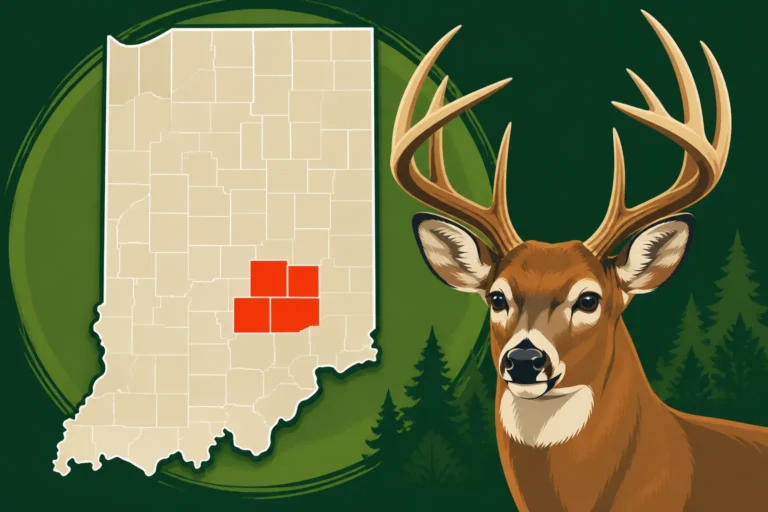
If you are hunting in one of Indiana's Chronic Wasting Disease (CWD) positive counties (currently LaGrange, Steuben, Noble, Dekalb, Franklin, and Rush), there are additional regulations regarding carcass movement. To prevent the spread of CWD, hunters are generally prohibited from moving whole deer carcasses out of the CWD Management Zone. You are usually only allowed to transport deboned meat, antlers, hides, and cleaned skull plates. Always check the latest CWD regulations before hunting in or near these zones.
Ethical Considerations and Public Perception
Hunting in antlerless-focused counties, especially those near urban areas, often comes with increased public scrutiny. It’s crucial to uphold the highest ethical standards and present a positive image of hunting.
- Safety First: Always prioritize safety, especially when hunting close to residential areas or on small private tracts. Know your backdrop, be certain of your target, and understand local firearms discharge setback rules.
- Respect Private Property: If hunting on private land, ensure you have explicit permission. Always know your property boundaries, which can be easily identified with mapping apps. If you must retrieve a downed deer from adjacent private land, secure permission before crossing the boundary.
- Clean Harvests: Strive for clean, humane harvests. Use appropriate caliber firearms or archery equipment, and practice regularly to ensure your shots are accurate.
- Dispose of Carcasses Responsibly: Properly dispose of deer remains. Leaving gut piles visible to the public or in areas where they could be mistaken for poaching is a poor reflection on all hunters. In CWD zones, follow specific carcass disposal recommendations from the DNR.
- Explain Your Purpose: If questioned by non-hunters, calmly explain the importance of deer management and how your efforts contribute to a healthy ecosystem and community safety. Sharing venison is also a fantastic way to build goodwill!
Participating in these special antlerless opportunities is a vital way for Indiana hunters to contribute to wildlife management. It helps control deer populations, supports healthy habitats, and provides you with more delicious, organic venison for your table. So, don't shy away from these specialized hunts; embrace them as an important part of Bowhunting Indiana's Long Archery Season or Indiana's Firearms Deer Season, and a chance to truly make a difference.
Disclaimer
The information provided in this guide is for general informational purposes only and is not legal advice. Hunting regulations can change annually and may vary by specific location. Always consult the official Indiana Department of Natural Resources (DNR) hunting and trapping regulations for the most current and accurate information before engaging in any hunting activities.