Which County Triggered the Latest CWD Expansion
It's an unsettling feeling for any hunter in Indiana when you hear news about Chronic Wasting Disease (CWD) spreading. We all want to do our part to keep our deer herd healthy, and the thought of this always-fatal neurological disease creeping into new areas is a serious concern. This guide is here to shed light on exactly what happened with Indiana's most recent CWD expansion, pinpointing the county that triggered it, and outlining what this means for all of us who love to chase whitetails across the Hoosier State.
Chronic Wasting Disease: A Growing Concern for Indiana Hunters
Chronic Wasting Disease (CWD) is one of those topics that can make a deer hunter’s stomach churn, and for good reason. This isn't just another illness; it's a prion disease that affects deer, elk, and moose, slowly but relentlessly destroying their brains and always, without exception, leading to death. There's no cure, no vaccine, and its presence can drastically alter hunting seasons and regulations. For hunters in Indiana, the concern became very real when the disease first appeared in our state.
Our state, like many others, has been on high alert for CWD for years, watching it spread across the Midwest. When Indiana confirmed its first wild deer positive for CWD back in 2021, it was a gut punch. That initial discovery was made in LaGrange County, a part of our state known for its agricultural lands and significant deer population. This single detection quickly led to the establishment of Indiana's first CWD Management Zone, encompassing LaGrange, Steuben, and Noble counties. The Indiana Department of Natural Resources (DNR) immediately ramped up surveillance and implemented specific regulations in these areas to monitor the disease and try to contain its spread. This initial zone was a wake-up call, signaling that CWD was no longer a distant threat but a present challenge right here at home.
The reason CWD is such a profound concern isn't just its fatality; it's also incredibly persistent in the environment. Prions, the infectious agents, can remain viable in soil for years, meaning an area where a CWD-positive deer has died can remain contaminated, posing a risk to future deer populations. This environmental persistence makes eradication extremely difficult, if not impossible, once the disease becomes established in a wild herd. Hunters play a crucial role in monitoring and managing CWD because our harvests provide the samples needed for surveillance. Understanding the disease, where it's found, and how to comply with regulations is paramount for all of us invested in the future of Indiana deer hunting. We don't want to see what's happened in some other states, where CWD has decimated local herds and forced drastic changes to hunting traditions.
DeKalb County: The Catalyst for Indiana's Latest CWD Zone Expansion
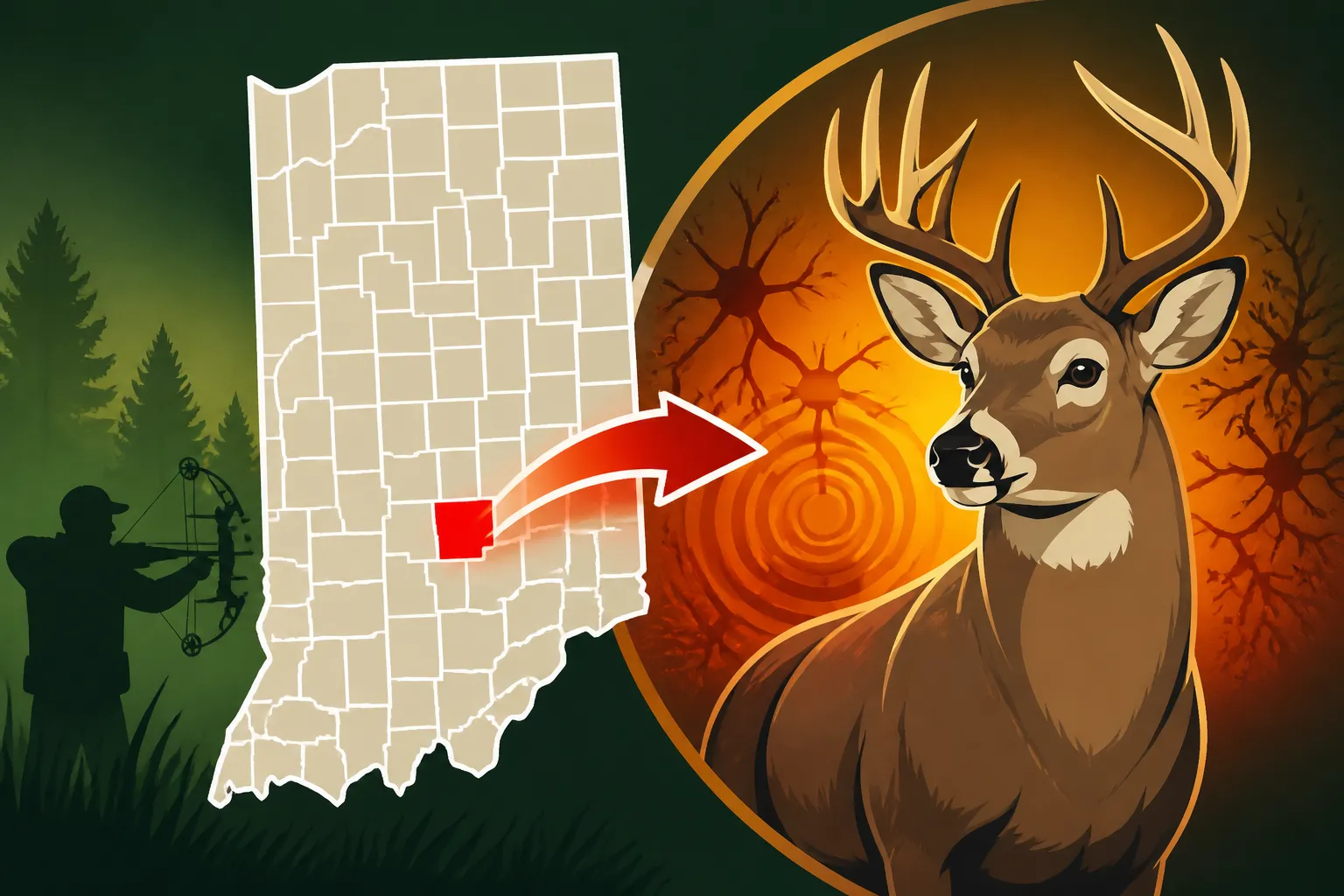
While the initial CWD positive deer in Indiana was found in LaGrange County, leading to the designation of the first CWD Management Zone, the latest expansion of this zone was directly triggered by a CWD-positive deer discovered in DeKalb County. This was a significant development, pushing the boundaries of the known CWD presence further into northeastern Indiana.
The specific deer that set off this alarm bell was harvested by a hunter during the 2023 deer season in DeKalb County. Hunters are often the first line of defense, as many CWD cases are identified through samples collected from legally harvested animals. After routine testing, the Indiana DNR confirmed that this particular deer was CWD positive. This confirmation was not just another data point; it marked a new geographical point for the disease within the state, necessitating a re-evaluation of the existing CWD Management Zone. The location of this find, further south and east than previous detections, indicated that the disease had either spread naturally or had been introduced to a new county, requiring a broader management approach.
The discovery in DeKalb County immediately prompted the DNR to expand the CWD Management Zone. When a new CWD-positive case is confirmed, the DNR typically draws a radius around the detection site, incorporating surrounding counties that are at high risk of having the disease due to deer movement. Because DeKalb County shares borders and has deer movement patterns with adjacent areas, the CWD Management Zone was expanded to include Allen and DeKalb counties. This means that what was initially a three-county zone (LaGrange, Steuben, Noble) now encompasses five counties, bringing a larger section of northeastern Indiana under enhanced CWD surveillance and specific hunting regulations. This decision is based on scientific data about deer movement and the potential for disease transmission, aiming to create a buffer and concentrate efforts where the risk is highest. It’s a pragmatic, if sometimes frustrating, step necessary to try and keep tabs on this insidious disease.
Navigating the Expanded CWD Management Zone: What Hunters Need to Know
With the CWD Management Zone now encompassing five counties in northeastern Indiana, it's more critical than ever for hunters to understand the specific regulations and recommendations in place. The expansion to include DeKalb and Allen counties means more hunters are now directly impacted by these rules, and adherence is key to helping the DNR monitor and hopefully mitigate the spread of CWD.
Currently, the Indiana CWD Management Zone includes the following counties: LaGrange, Steuben, Noble, DeKalb, and Allen. If you plan on hunting in any of these areas, or if you live in these counties, there are a few important things you absolutely need to know. First and foremost, the DNR implements mandatory CWD testing for deer harvested within these designated counties. This isn't optional; it's a crucial part of the surveillance program. Hunters are required to submit samples from their harvested deer to designated check stations or self-serve drop-off locations within a specific timeframe after harvest. You can find detailed information on how to participate in Indiana CWD Testing for Hunters and learn about Mandatory Testing Inside Indiana's Positive Area. These efforts provide the DNR with vital data to track the prevalence and distribution of the disease, allowing them to make informed management decisions.
Beyond mandatory testing, strict carcass movement restrictions are in place within and out of the CWD Management Zone. You cannot remove certain parts of a deer carcass from these counties unless they have been properly processed. This means skull plates (antlers attached to a clean skull cap), deboned meat, hides, and taxidermy-ready mounts are generally allowed. However, whole carcasses, intact heads, or spinal columns are generally prohibited from leaving the zone to prevent the inadvertent spread of CWD prions to unaffected areas. This is a big one, especially if you're hunting in one of these counties but live elsewhere in Indiana. Make sure you understand Indiana Carcass Movement Restrictions completely before you field dress or transport your deer. It's a hassle, yes, but it’s a necessary precaution to protect the rest of Indiana's deer herd.
Here's a quick overview of key regulations within the CWD Management Zone:
| Regulation Aspect | Description |
|---|---|
| Current CWD Counties | LaGrange, Steuben, Noble, DeKalb, Allen |
| Mandatory Testing | All deer harvested in CWD Management Zone counties are subject to mandatory CWD testing. Hunters must submit samples at designated locations. Information on Finding an Indiana CWD Sampling Location is readily available through the DNR. |
| Carcass Movement | Whole carcasses, heads (with brain and spinal tissue), and spinal columns cannot be transported out of the CWD Management Zone. Only deboned meat, clean skull plates, hides, and taxidermy-ready mounts are permitted to leave. |
| Reporting Results | Hunters who submit samples will be notified of their deer's CWD test results. This typically takes several weeks. For detailed guidance on preparing meat from a tested deer, refer to Handling Venison From a CWD Positive Area. |
| Hunter Education | While not directly related to CWD, staying current on all state regulations, including Indiana Hunter Education Requirements, ensures you're prepared for any scenario. |
| General Awareness | Always be vigilant for signs of sick deer, such as extreme weight loss, stumbling, or unusual behavior. Report any suspected CWD cases to the Indiana DNR. |
Understanding and complying with these regulations is paramount. While it might add a few extra steps to your hunt, it's a small price to pay for the long-term health of our deer population. The DNR works hard to make the process as straightforward as possible, offering information on Getting Free CWD Testing for Your Deer and clear guidelines for all hunters. This proactive approach helps us all continue our cherished tradition of deer hunting in Indiana for generations to come. To get a better sense of the overall picture, you might want to review Indiana's Chronic Wasting Disease Positive Area or dive into specific data like How Many Deer Have Tested CWD-Positive in Indiana. Keeping informed on topics such as Indiana Deer Season Structure Explained is also essential for responsible hunting within these evolving landscapes.
Disclaimer
This guide is intended for informational purposes only and does not supersede official Indiana Department of Natural Resources (DNR) regulations. Hunting laws and CWD management zones can change, so always consult the most current Indiana Hunting & Trapping Guide and the Indiana DNR website before engaging in any hunting activities.