How Many Indiana Counties Have Found CWD
There's a cloud of uncertainty that hangs over any hunter when they hear about Chronic Wasting Disease (CWD) cropping up in their state. It's a scary thing to think about, not just for the health of our deer herds, but for the future of our hunting traditions. If you're wondering just how many Indiana counties have been impacted by CWD, you're in the right place. This guide will meticulously break down the current situation, the affected areas, and what it all means for you, the Hoosier hunter.
Understanding Chronic Wasting Disease in Indiana
Chronic Wasting Disease is one of those topics that can quickly make a hunter feel a knot in their stomach. It’s a serious neurological disease that affects cervids – deer, elk, moose, and reindeer – and it’s always fatal. Unlike many diseases that are caused by bacteria or viruses, CWD is caused by abnormal proteins called prions, which slowly damage the brain and nervous system of infected animals. It's a slow, insidious killer, and its presence complicates everything from herd management to our long-standing hunting practices.
What CWD Means for Indiana Hunters
For many years, CWD felt like a distant threat, something happening in other states. But now that it's in Indiana, it brings a fresh set of anxieties. The thought of a once-vibrant deer herd slowly succumbing to this disease is disheartening, and it understandably raises questions about the long-term health of our wildlife and the safety of consuming venison. Hunters are the frontline conservationists, and the responsibility to monitor and manage this disease often falls heavily on our shoulders. It changes how we scout, how we field dress, and how we interact with our harvested deer. This isn't just about a disease; it's about safeguarding a cherished tradition for generations to come. The goal is to keep the deer herd healthy and minimize the spread, and that takes all of us pulling together.
When deer are infected with CWD, they might show a range of symptoms, though these can often mimic other illnesses or even starvation. Common signs include drastic weight loss (wasting), stumbling, a lack of coordination, drooling, excessive thirst and urination, and changes in behavior like listlessness or a lack of fear of humans. The disease can take months, or even years, for symptoms to appear after infection, making early detection incredibly difficult. By the time an animal is visibly sick, it's likely been spreading prions in the environment for some time through saliva, urine, and feces.
How CWD is Monitored and Detected in Indiana
The Indiana Department of Natural Resources (DNR) takes CWD very seriously, and they've implemented a robust surveillance program to monitor for the disease and react quickly when new cases are found. This isn't a passive effort; it involves active sampling throughout the state, particularly in areas near known CWD cases in neighboring states, and, critically, within the designated CWD Management Zones where mandatory testing often applies. The DNR works closely with hunters to gather samples, recognizing that we are their most valuable partners in this effort.
When a deer is harvested, especially in a CWD Management Zone, hunters may be required or strongly encouraged to submit samples for testing. These samples typically involve lymph nodes from the deer's neck or brain stem tissue, which are the most reliable indicators for the disease. DNR staff and volunteers operate CWD sampling locations during hunting seasons, making it convenient for hunters to drop off their samples. The samples are then sent to specialized labs for analysis. This comprehensive approach is how the state determines the prevalence and geographic spread of CWD. If you want to know more about Indiana's CWD surveillance, check out this guide on Indiana CWD Testing for Hunters.
It's a huge undertaking, and it relies on the cooperation of every hunter who participates in the harvest. Without those samples, the DNR would be largely blind to the true scope of the problem. Knowing that your participation directly contributes to the health of the herd and the future of hunting can make the process feel less like a chore and more like a critical part of conservation.
The Current Landscape: CWD Positive Counties in Indiana
The news of CWD arriving in Indiana was a stark wake-up call for hunters across the state. While we all hoped it would stay away, its eventual detection was, for many, an inevitable reality given its presence in surrounding states. Understanding where it's been found is paramount for hunters to adjust their practices and stay informed.
The Initial Discovery and Expansion
Indiana’s first confirmed case of CWD was detected in a deer harvested in LaGrange County in 2021. This single detection immediately triggered a swift response from the DNR, establishing a CWD Management Zone in LaGrange and neighboring Steuben County. The fear, of course, is that where there's one, there are often more, and the disease rarely respects county lines.
Unfortunately, this proved to be the case. In 2023, another CWD positive deer was found in Noble County, leading to the expansion of the CWD Management Zone to include Noble and DeKalb counties. Later that same year, further testing confirmed CWD in Franklin and Rush counties, expanding the management zone even further south. This pattern of discovery and expansion highlights the challenging nature of managing a disease that can spread silently within the deer population before visible symptoms emerge. The article Why Noble County Expanded the CWD Positive Area offers more insight into this process.
Identifying All Affected Counties
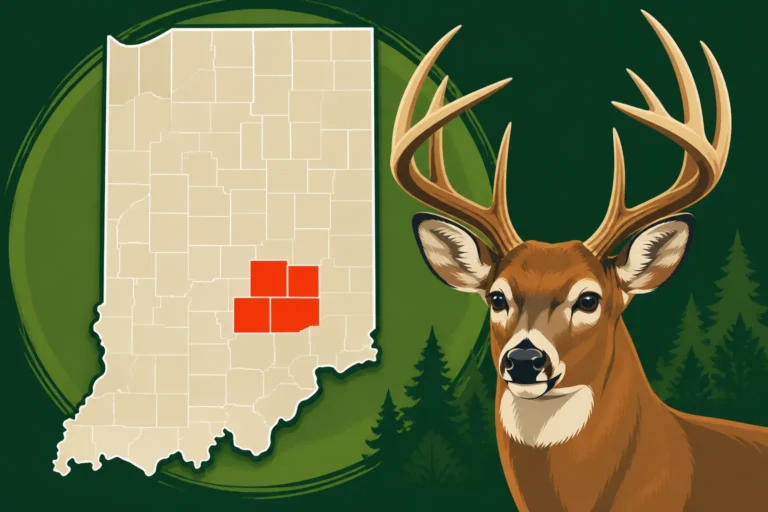
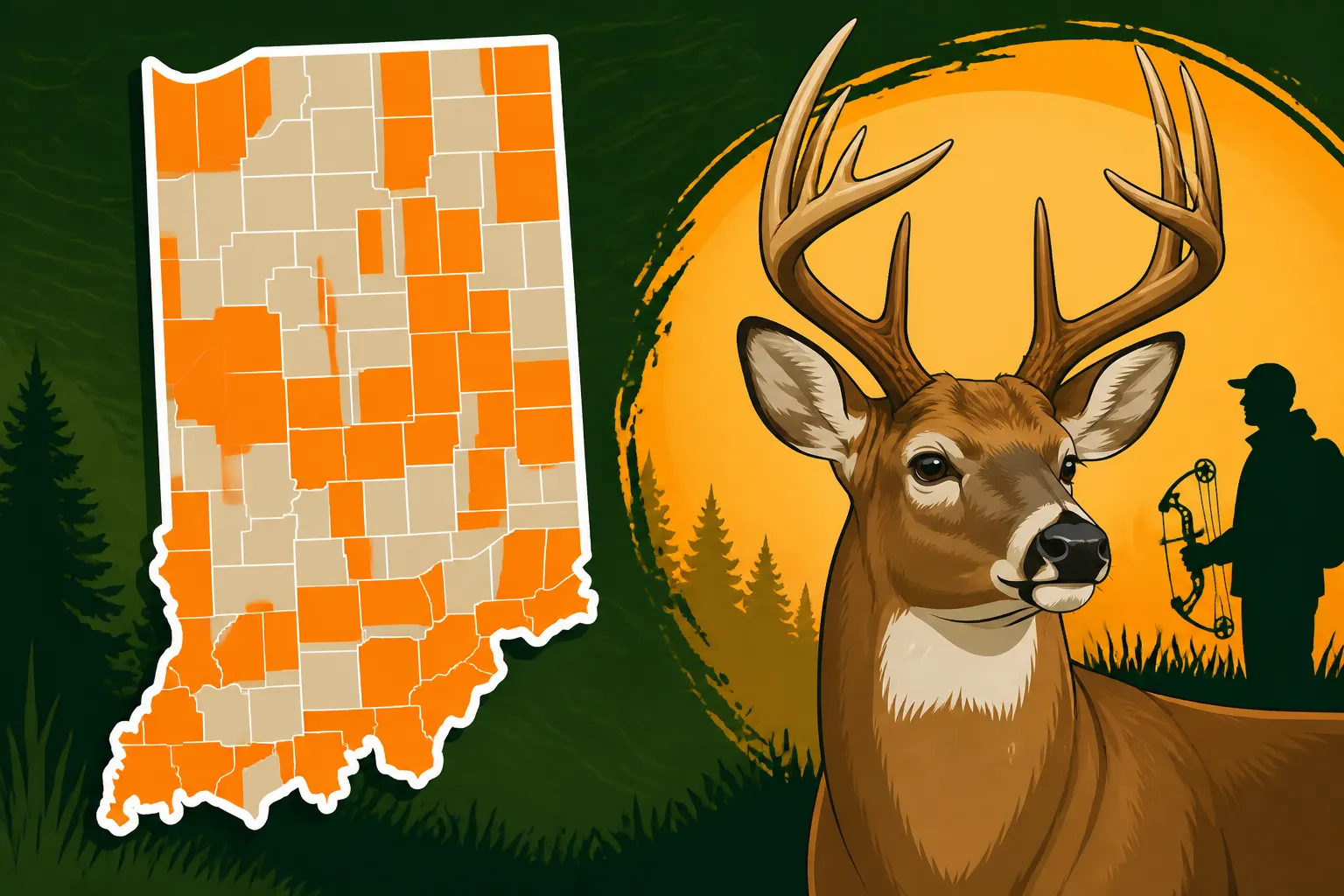
As of the latest updates, Indiana has established a CWD Management Zone that encompasses six counties. These counties are subject to specific regulations, including mandatory testing requirements in some instances and carcass movement restrictions designed to prevent further spread. It's crucial for any hunter planning to pursue deer in or near these areas to be fully aware of the current rules. The DNR is constantly monitoring the situation, and it’s always wise to check the most current regulations before heading afield, perhaps by using a tool like GoHunt to stay on top of state-specific information.
Here is a breakdown of the counties currently identified within Indiana's CWD Management Zone:
| County Name | Date of First Confirmed Case/Designation | Status |
|---|---|---|
| LaGrange County | 2021 | CWD Positive / Management Zone |
| Steuben County | 2021 | CWD Management Zone (adjacent to CWD positive area) |
| Noble County | 2023 | CWD Positive / Management Zone |
| DeKalb County | 2023 | CWD Management Zone (adjacent to CWD positive area) |
| Franklin County | 2023 | CWD Positive / Management Zone |
| Rush County | 2023 | CWD Management Zone (adjacent to CWD positive area) |
It's vital to understand that "CWD Positive" means a confirmed case was found in that specific county, while "CWD Management Zone" might include adjacent counties deemed at high risk for spread due to proximity or deer movement patterns. For comprehensive details on all affected areas, you can refer to the guide Which Six Counties Sit in Indiana's CWD Positive Area.
The expansion into Franklin and Rush counties in the southeastern part of the state, separate from the initial northern cluster, indicates that the disease is not confined to one region and underscores the need for statewide vigilance. This makes understanding the bigger picture of White-Tailed Deer Across Indiana even more important.
Navigating CWD Regulations and Best Practices
Dealing with CWD isn't just about knowing where it is; it's about understanding the practical implications for your hunt. The regulations are put in place for a reason – to slow the spread and protect our deer. As hunters, it's our responsibility to know and follow these rules.
Carcass Movement Restrictions and Hunter Responsibilities
One of the most critical aspects of CWD management involves regulating how deer carcasses are handled, especially when harvested within a CWD Management Zone. The prions that cause CWD are most concentrated in certain parts of the deer, such as the brain, spinal cord, lymph nodes, and spleen. If these high-risk parts are transported out of an infected area and disposed of improperly, it can spread the disease to new locations. This is why the DNR implements strict rules on carcass movement.
Typically, hunters who harvest a deer in a CWD Management Zone are restricted from moving the whole carcass out of that zone. What you can move are specific low-risk parts: deboned meat, antlers (with or without skull plate, provided all brain tissue is removed), hides, and clean skull plates or taxidermy mounts. This means you might need to process your deer differently in the field or use a local processor within the zone. Understanding these rules is not just about compliance, but about being a responsible steward of the resource. You can delve deeper into these rules by reading about Indiana Carcass Movement Restrictions.
It can feel like a hassle, especially if you're used to bringing your whole deer home, but these rules are essential. Proper disposal of high-risk parts is key; they should be left at the kill site or disposed of in designated landfills within the CWD zone. Planning ahead for this is crucial, especially if you're hunting in areas like those in Noble, Franklin, or Rush counties. Having the right tools for field processing, like a good boning knife, and game bags to transport deboned meat, can make a world of difference.
CWD Testing for Hunters and What to Expect
Participating in CWD surveillance through testing your harvested deer is one of the most direct ways hunters can contribute to management efforts. In some designated CWD Management Zones, like those in the newly affected counties, testing might be mandatory for certain harvests, particularly during the firearm season. Outside of these mandatory zones, voluntary testing is often encouraged and widely available. The DNR sets up convenient sampling stations, sometimes at check stations or local bait shops, where you can bring your deer's head for sampling.
When you submit a sample, DNR staff or trained volunteers will take the necessary tissue samples. There's typically no cost to the hunter for this testing. You'll usually receive a tracking number, and results are often posted online within a few weeks. It's important to remember that a positive test result doesn't mean your venison is necessarily unsafe, but current health guidelines recommend against consuming meat from a CWD-positive animal. For detailed information on where to go and what to expect, refer to Finding an Indiana CWD Sampling Location.
Staying informed about mandatory testing periods and locations, especially in areas like LaGrange, Steuben, and DeKalb, is critical. The DNR often provides updates through their website and social media channels. Utilizing resources like the GoHunt app can also keep you current on these rapidly changing regulations. Your participation helps the DNR track the disease's spread and prevalence, which in turn informs future management decisions for Indiana's deer herd, as outlined in the broader Indiana Deer Season Structure Explained.
Best Practices for Hunters in CWD Areas
Beyond the regulations, there are several best practices that hunters can adopt to minimize their risk and aid in CWD prevention. First and foremost, never shoot a deer that appears sick or exhibits any of the signs of CWD, such as extreme emaciation, neurological problems, or unusual behavior. If you do encounter such an animal, report it immediately to the Indiana DNR. This early detection is vital.
When field dressing a deer in a CWD area, it's wise to take precautions. Avoid cutting through the brain or spinal cord, and wear gloves. While there's no evidence CWD can transmit to humans, it's always best to be cautious. Dispose of all high-risk parts properly at the kill site or in approved waste streams. Do not use urine-based attractants, as these can potentially spread prions. Consider using synthetic attractants instead. Also, avoid creating large, concentrated baiting sites, as these can bring deer into close contact, increasing the potential for disease transmission. For those who enjoy Shed Hunting on Indiana Public Land, remember to be mindful of where you find and handle any remains, as antlers themselves are generally low-risk but attached skull fragments should be handled with care.
Finally, always be informed. Regulations can change, and new CWD detections can alter the landscape quickly. Use reliable sources like the Indiana DNR website or tools like GoHunt to get the latest information. If you're hunting within the CWD Management Zone, ensure you understand all the specific rules regarding Mandatory Testing Inside Indiana's Positive Area and carcass handling. Your actions, big or small, truly make a difference in protecting our shared wildlife heritage.
The Future of CWD in Indiana and Hunter Involvement
The discovery of CWD in Indiana marks a new chapter for wildlife management in the state. It's a long-term challenge, but one that the Indiana DNR and the hunting community are committed to facing head-on. The future of our deer herd and the health of our hunting traditions depend on a collaborative and adaptive approach.
DNR's Ongoing Management Strategies
The Indiana DNR's strategy for CWD management is multifaceted, focusing on surveillance, research, public education, and targeted population management. Continuous monitoring through hunter-submitted samples and targeted surveillance efforts helps the DNR track the disease's prevalence and geographic spread. This data is critical for making informed decisions about where to focus resources and what regulations might be necessary. They're not just looking for positives; they're trying to understand the full scope of the disease across the state.
Research plays a vital role in understanding CWD better, from its transmission dynamics to potential long-term impacts on deer populations. The DNR also engages in extensive public education campaigns, ensuring hunters and landowners understand the disease, its risks, and how they can help. In areas where CWD is detected, population management strategies, such as increased antlerless harvest opportunities or targeted culls, may be implemented to reduce deer densities and minimize nose-to-nose contact, thereby slowing transmission. For instance, sometimes Hunting a Deer Reduction Zone becomes more critical in these efforts.
This isn't a static plan; it's an adaptive one. As new information becomes available or as the disease evolves, the DNR adjusts its strategies accordingly. Their goal is always to protect the health of Indiana's wildlife while preserving hunting opportunities. Being able to access current information through apps like GoHunt is a huge advantage for hunters who want to stay engaged with these ongoing efforts.
How Hunters Can Help Combat CWD
Hunters are, without a doubt, the most important partners in the fight against CWD. Your involvement, from reporting suspicious observations to adhering to regulations, is absolutely indispensable. One of the simplest yet most impactful actions you can take is to report any deer exhibiting signs of CWD. If you see a deer that looks sick, emaciated, or is acting strangely, contact the Indiana DNR immediately. Providing timely and accurate information can lead to early detection and prevent further spread.
Participating in CWD testing, whether it's mandatory in a CWD Management Zone or voluntary elsewhere, provides invaluable data for the DNR. Every sample contributes to a clearer picture of the disease's presence in Indiana. Beyond that, adhering to all carcass movement restrictions and proper disposal guidelines is non-negotiable. It's a small inconvenience for a significant benefit to the broader deer population. Ethical hunting practices, such as proper field dressing and minimizing baiting, also play a role in reducing disease transmission risks.
Furthermore, stay informed! Education is your best tool. Regularly check the Indiana DNR website for updates, news, and regulation changes regarding CWD. Utilize mapping and information platforms like GoHunt that integrate DNR data to help you plan your hunts responsibly. By being vigilant, compliant, and engaged, Hoosier hunters can continue to be the primary stewards of our incredible deer resource and ensure healthy herds for generations to come. Using tools like Scouting With the Indiana DNR App can also help you stay ahead of localized changes and find testing stations.
Disclaimer
The information provided in this article is for general guidance and informational purposes only. While we strive to provide accurate and up-to-date information, hunting regulations and disease management protocols, especially regarding Chronic Wasting Disease, are subject to change by the Indiana Department of Natural Resources (DNR). It is always the hunter's responsibility to consult the most current Indiana Hunting & Trapping Guide, DNR website, or contact the Indiana DNR directly for the latest and most accurate regulations, season dates, and CWD management zone information before engaging in any hunting activities.