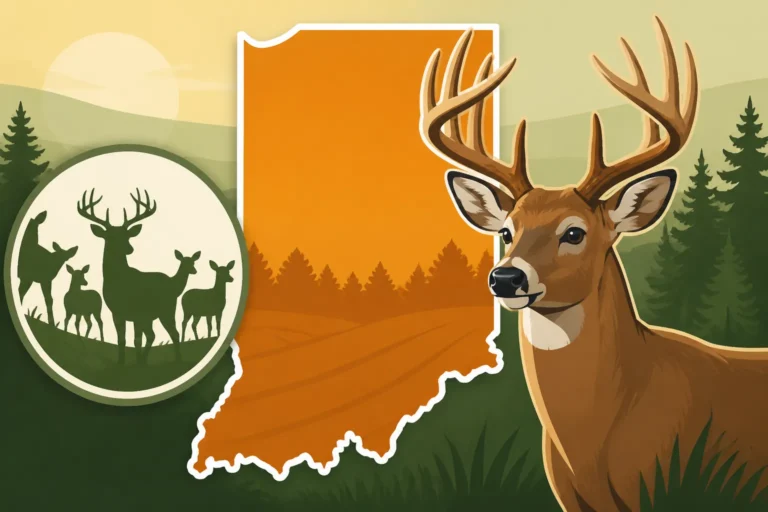
White-Tailed Deer Across Indiana
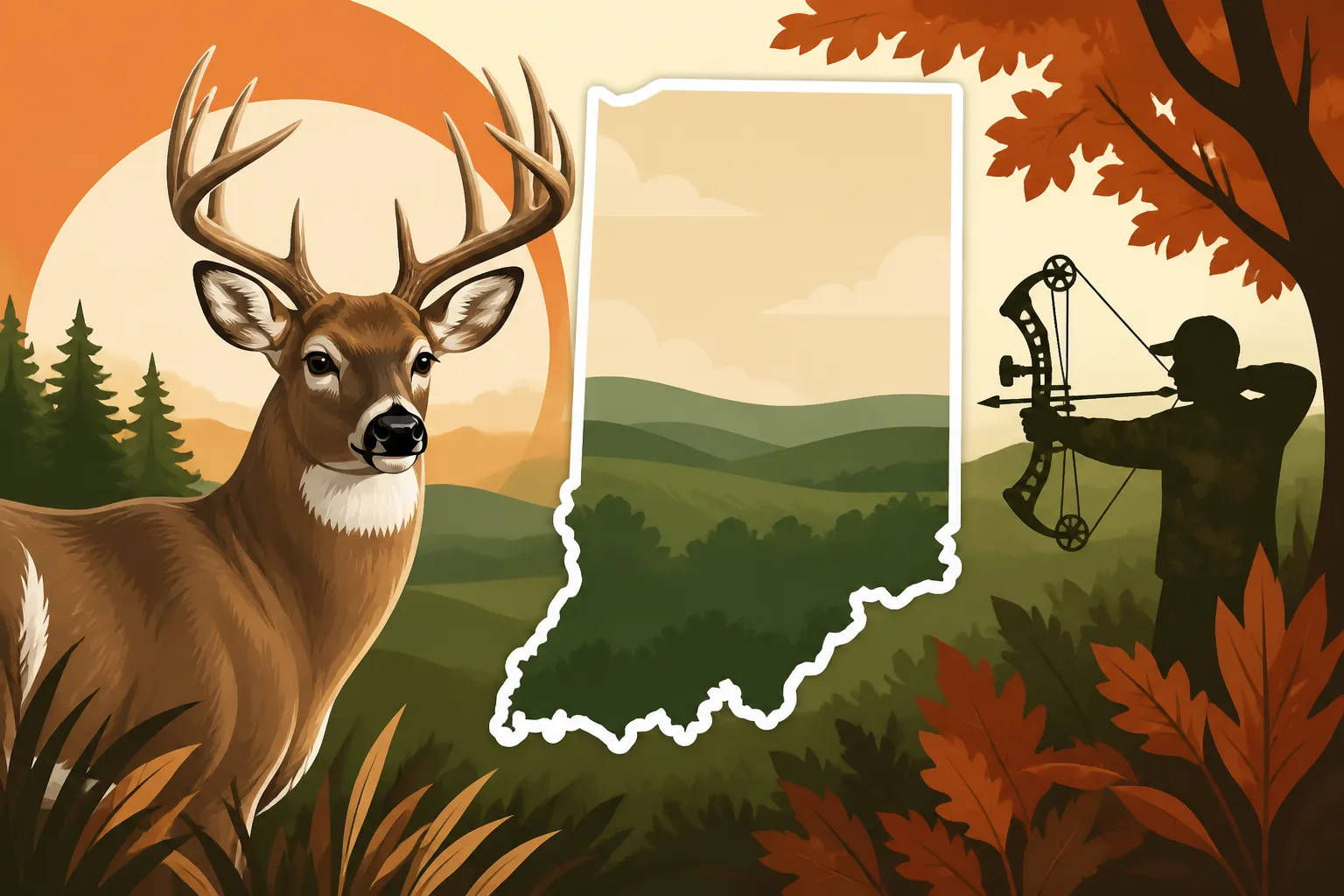
For many Hoosier hunters, the white-tailed deer isn't just a game animal; it's a deep-rooted part of our heritage, a challenging pursuit, and often, a source of immense frustration and incredible reward. If you've ever found yourself wondering why deer seem to vanish after opening day, or how the herd is really doing across Indiana, this guide is for you. We'll dive deep into the world of Indiana whitetails, covering everything from their remarkable comeback to the most effective strategies for putting venison in your freezer, all while helping you navigate the ever-evolving landscape of deer management in our state.
Understanding Indiana's Deer Herd: A Journey of Recovery and Management
The story of white-tailed deer in Indiana is truly a testament to nature's resilience and dedicated conservation efforts. It's easy to take our current robust deer populations for granted, but it wasn't always this way. Understanding this history and the current status of the herd is crucial for any ethical and successful hunter.
The Remarkable Comeback Story
It might be hard to believe today, but Indiana's white-tailed deer population was virtually nonexistent by the early 20th century. Unregulated hunting, coupled with widespread habitat destruction from logging and agricultural expansion, pushed these magnificent animals to the brink of extirpation. Imagine a time when seeing a deer in Indiana was as rare as spotting a black bear today. It was a bleak outlook for what is now our most cherished game species.
The turnaround began in the 1930s and 40s, thanks to the foresight and hard work of conservationists. Deer were reintroduced from other states, often trapped and transplanted into suitable habitats in southern Indiana. These initial efforts, combined with strict hunting regulations and the gradual recovery of forested lands, laid the groundwork for the incredible rebound we've witnessed. It took decades of careful management, habitat improvement, and hunter support through license fees, but the deer not only survived; they thrived. Today, they are abundant in every one of Indiana's 92 counties, a true conservation success story that every Hoosier hunter should be proud to be a part of.
Current Population Status and Distribution
Our deer herd today is healthy, widespread, and a testament to good management. The Indiana Department of Natural Resources (DNR) constantly monitors the population, using harvest data, roadside observations, and herd health assessments to make informed decisions. While exact numbers fluctuate annually and are estimates, it's safe to say that Indiana supports a very robust deer population. This is reflected in the fact that we have one of the longest archery seasons in the nation and liberal antlerless opportunities.
However, "healthy" and "widespread" doesn't mean "evenly distributed." If you've spent time hunting different parts of the state, you've likely noticed significant differences. Southern Indiana's rugged hill country, with its vast tracts of timber, often supports a different deer density compared to the agricultural heartland of central and northern Indiana. In the south, deer might be more spread out but often have access to older age classes due to less hunting pressure in some remote areas and diverse habitat. Conversely, the patchwork of woodlots and abundant food sources in farm country can lead to incredibly high deer densities, sometimes presenting challenges for landowners dealing with crop damage. For a detailed breakdown of how deer populations vary, you can explore the information on the Indiana Deer Population Estimate and delve into the specifics of Deer Density by Indiana Region. There's a real difference when comparing Southern Hills Versus Northern Farmland Deer dynamics.
These regional variations influence everything from deer behavior to hunting strategies. A buck living in the dense timber of the Hoosier National Forest will have a different routine than one frequenting a small woodlot surrounded by cornfields in Tippecanoe County. Recognizing these differences is the first step in becoming a more adaptable and successful hunter, understanding that what works in one part of the state might not be effective in another.
The Seasonal Rhythms of Indiana Deer Hunting
Indiana offers one of the most generous deer hunting seasons in the country, stretching from early archery to the late muzzleloader close. This extended opportunity is fantastic, but it also means understanding the nuances of each season and how deer behavior changes throughout the fall and winter.
Navigating Indiana's Diverse Deer Seasons
Indiana's deer season structure is designed to offer ample opportunities while managing the herd effectively. It starts in early October with the archery season, a long and often challenging period that can extend right into January. This early start offers beautiful weather, but deer are still on their summer patterns, focusing heavily on food and bedding. Bowhunters get a fantastic, drawn-out chance to pursue deer, navigating everything from warm, buggy days to crisp, cold late-season stands. If you're looking to capitalize on these extended opportunities, understanding How Indiana's Archery Season Runs Into January can be a game-changer.
Then comes the firearms season in mid-November, a much shorter, intense period that often coincides with the peak of the rut. This is when a significant portion of the annual harvest occurs. It’s a time of elevated activity, increased hunter numbers, and sometimes, a bit of chaos on public lands. Finally, the muzzleloader season closes out the year in December, offering a traditional, challenging hunt often in colder, sometimes snowy, conditions. Each season presents unique challenges and rewards, requiring different tactics and a flexible approach. For a complete breakdown, it's worth reviewing the official Indiana Deer Season Structure Explained.
Key Hunting Phases and Deer Behavior
Deer behavior isn't static; it's a dynamic dance dictated by food sources, breeding cycles, and pressure. During the early archery season, deer are still primarily focused on nutrition, often hitting agricultural fields and mast crops like acorns and persimmons. As the season progresses into late October and early November, you'll start to see signs of pre-rut activity: scrapes appearing, rubs freshening up, and bucks becoming a bit more erratic in their movements. This is a thrilling time, as the anticipation builds.
The peak of the rut, typically in early November, transforms the woods. Bucks are on the move, actively seeking does, often throwing caution to the wind. This is the period when many hunters experience their most exciting encounters. Understanding Hunting the Indiana Rut in Early November is paramount for success. After the rut, deer revert to a more survival-oriented mindset. The late season, particularly December and January, becomes a game of finding reliable food sources and thermal cover. Deer often yard up in thickets, cedar swamps, or south-facing slopes, conserving energy. Food becomes the primary driver, and hunters who locate prime Late-Season Food Sources for Indiana Whitetails will find success, even when conditions are tough and temperatures plummet. Adapting your strategy to these distinct phases is essential for consistent success throughout the long Indiana deer season.
Deer Habitat and Regional Dynamics Across Indiana
Indiana might seem like a fairly uniform state, but when it comes to deer habitat, it's a patchwork quilt of distinct environments. Understanding these regional differences is key to predicting deer movement and finding success, whether you're chasing bucks in the deep timber or stalking field edges.
Southern Indiana's Rugged Hill Country Whitetails
Ah, southern Indiana. The land of rolling hills, deep hollows, and vast, unbroken timber. This region, dominated by areas like the Hoosier National Forest and numerous state forests such as Yellowwood, Morgan-Monroe, and Jackson-Washington, offers a completely different hunting experience than the flat farmland to the north. Here, deer densities might not always be as high as in intense agricultural areas, but the challenge and reward are immense. These deer are often pressured, smart, and masters of their rugged domain.
Hunting the Hoosier National Forest means covering serious ground. You'll find deer navigating steep ridges, bedding in dense coves, and feeding on a mix of mast crops like acorns, beech nuts, and a variety of forbs and browse. Finding hidden benches, saddles, and creek bottom funnels can be the key to intercepting a mature buck. Hunters often complain about the lack of "big woods" deer in many states, but southern Indiana offers exactly that. It's a place where patience, good boots, and a solid understanding of topography pay off. Getting into Hunting Hoosier National Forest Deer-Heavy Coves requires specific tactics, and understanding the subtle nuances of these deep woods can transform your hunts.
Northern and Central Indiana's Farmland Deer
Move north of Indianapolis, and the landscape shifts dramatically. Here, you'll find the vast agricultural fields that define much of central and northern Indiana. While extensive, uninterrupted timber might be scarce, the deer population is often incredibly robust. Why? Food, glorious food! Corn, soybeans, alfalfa, and winter wheat provide an almost endless buffet, allowing deer to grow quickly and reach impressive sizes.
Hunting these areas often revolves around small woodlots, fencerows, creek bottoms, and thick stands of cover that offer bedding and travel corridors between vast fields. Deer here are masters of using every scrap of cover, and their movements are heavily influenced by crop rotations and harvest schedules. A standing cornfield can be an impenetrable fortress, offering security and food, only to become a wide-open expanse after the combines roll through. Access is often on private land, making good relationships with landowners critical. However, public land opportunities do exist in certain state fish and wildlife areas that manage pockets of timber and wetland alongside agricultural production. It's a different game, requiring an understanding of field edges, pinch points, and how deer transition between feeding, bedding, and breeding areas in a heavily farmed landscape.
River Bottoms and Transitional Zones
Beyond the clear-cut distinctions of hills and farmland, Indiana boasts an intricate network of river bottoms and transitional zones that are often overlooked by hunters, to their detriment. Major river systems like the Wabash, White, and Kankakee, along with their numerous tributaries, create corridors of prime deer habitat. These areas are characterized by rich, fertile soil, diverse vegetation, and often dense cover, providing everything a deer needs throughout the year.
River bottoms act as superhighways for deer movement. Bucks use them to travel long distances, avoiding open country. The varied topography often includes mature timber, thick brush, sloughs, and oxbow lakes, offering ideal bedding and staging areas. During periods of drought, these areas remain greener and offer more browse, while during the rut, they can funnel cruising bucks effectively. These transitional zones, where one habitat type gives way to another, like the edge of a timber stand meeting a CRP field or a wetland bordering a hardwood ridge, are consistently productive. They offer diverse food options, thermal cover, and escape routes, concentrating deer activity into predictable patterns. Learning to read these often-complex landscapes can unlock incredible hunting opportunities, particularly for those willing to get off the beaten path and away from typical field-edge setups.
Essential Strategies for Hunting Indiana Whitetails
Success in Indiana deer hunting isn't about luck; it's about preparation, adaptation, and a deep understanding of deer behavior. Whether you're a seasoned veteran or new to the woods, having a solid strategy tailored to our state's unique challenges will significantly increase your odds.
Pre-Season Scouting and In-Season Adaptations
The hunt truly begins long before opening day. Pre-season scouting is non-negotiable for consistent success. This means getting out in the woods in late winter or early spring after the snow melts and before green-up, when deer sign from the previous season is most visible. Look for old rub lines, established trails, and key bedding areas. As spring turns to summer, focus shifts to finding early food sources like clover plots, alfalfa fields, or browse in timber cuts. Trail cameras are invaluable during this time, helping you identify resident bucks and understand their patterns without putting too much pressure on them.
Modern technology has also revolutionized scouting. Tools like GoHunt, with its detailed mapping layers, can help you identify public land boundaries, property lines, and topographic features from the comfort of your home. You can pinpoint potential pinch points, saddles, and water sources, creating a plan before you even step foot in the woods. But scouting doesn't stop once the season starts. Deer patterns change rapidly due to hunting pressure, changing food sources, and weather. If a cold front moves in, or a new mast crop drops, you need to be able to adapt quickly. This might mean moving your stand, trying a new area, or adjusting your hunting hours. Being flexible and continually observing deer sign and conditions is the mark of a truly effective hunter. For a full dive into the subject, take a look at Scouting Indiana Public Land Before Season.
Effective Hunting Tactics for Different Scenarios
Indiana offers a wide variety of terrain and deer behavior, meaning a diverse toolkit of tactics will serve you best. For much of the season, especially in timbered areas, elevated stands remain a go-to. Treestands allow you to get above a deer's line of sight and minimize your scent footprint. Whether you prefer a climber for mobility, a hang-on for specific tree setups, or a ladder stand for ease of access, placing your stand along travel corridors, near food sources, or overlooking bedding areas is critical. Wind direction is always king when choosing a stand location – never compromise on scent control.
Ground blinds also have their place, particularly in areas where suitable trees for treestands are scarce, or when hunting with youth or crossbows. They offer excellent concealment and warmth in cold weather. Still-hunting, a slower, more deliberate form of stalking, can be highly effective in thick cover or when deer are bedded down, allowing you to cover ground quietly and react to subtle signs. During the rut, calling tactics like rattling and grunting can be deadly, drawing in curious or aggressive bucks. It's about matching the tactic to the time of year, the habitat, and the deer's current mood. Don't be afraid to experiment and find what works best in your specific hunting spots.
Gear Considerations for Indiana Deer Hunters
Having the right gear won't guarantee success, but it will certainly make your time in the woods more comfortable, safer, and efficient. Given Indiana's diverse hunting seasons and weather, versatile clothing is essential. Layering is key, allowing you to adapt from cool October mornings to frigid December afternoons. Quality rain gear is a must, as Indiana weather can change on a dime.
For firearms hunters, Indiana's recent rule changes regarding legal cartridges have opened up a world of new options beyond the traditional straight-wall cartridges. Now, full bottlenecked rifle cartridges are legal statewide, offering more range and flatter trajectories. This means hunters can choose from popular calibers like .308 Winchester, 6.5 Creedmoor, or .270 Winchester, among others. When considering your options, a detailed guide on the Best Rifle Calibers for Indiana Whitetails can be incredibly helpful. Bowhunters need reliable bows or crossbows, sharp broadheads, and practice, practice, practice. Optics, including binoculars and rangefinders, are invaluable for scouting and making ethical shots. Don't forget safety gear: a full-body harness for treestand hunting is non-negotiable, and a well-stocked first-aid kit is always a good idea. Invest in quality gear that lasts, and you'll be well-prepared for whatever the Indiana woods throw your way.
Understanding Deer Health and Management
Deer management in Indiana is a complex, ongoing process aimed at maintaining a healthy, sustainable herd while balancing ecological, social, and economic factors. Two significant aspects of this are dealing with diseases like CWD and the DNR's active management strategies.
The Impact of Chronic Wasting Disease (CWD)
Chronic Wasting Disease (CWD) is a serious concern for deer managers and hunters alike. It's a fatal, neurological disease affecting deer, elk, and moose, caused by misfolded proteins called prions. Once established in a deer population, it can be extremely difficult to eradicate and poses a long-term threat to herd health. While CWD does not pose an immediate threat to humans, health agencies recommend against consuming meat from CWD-positive animals.
Indiana has been proactively monitoring for CWD for many years, and unfortunately, the disease was confirmed in a wild deer in LaGrange County in 2021. Since then, additional cases have been found, leading to the establishment of a CWD positive area in northeastern Indiana. This means heightened surveillance, mandatory testing in certain counties, and carcass movement restrictions for hunters within that zone. As a responsible hunter, it's vital to stay informed about CWD, especially if you hunt in or near the affected areas. Know the symptoms, report sick-looking deer, and participate in voluntary or mandatory testing programs. This collective effort is crucial for minimizing the spread and protecting our deer herd for future generations. For the most up-to-date information, checking the DNR's resources on Chronic Wasting Disease in Indiana Deer is highly recommended.
Indiana's Deer Management Efforts
The Indiana DNR employs a variety of strategies to manage our deer population, aiming for a balance between healthy deer, healthy ecosystems, and acceptable levels of human-deer conflict (like vehicle collisions and crop damage). Their goals often include maintaining deer populations at levels compatible with habitat, reducing disease risk, and providing quality hunting opportunities.
One key tool is the regulation of harvest through license sales and bag limits. Indiana hunters are allowed to take a certain number of deer, including antlered and antlerless animals, over the various seasons. The availability of bonus antlerless tags and special Deer Reduction Zones (often in suburban or agricultural areas with high deer densities) are designed to target specific areas where herd reduction is needed. These zones offer additional antlerless opportunities, helping to control local populations and mitigate damage. The DNR also uses surveys, research, and public input to refine its management plans. As hunters, we play a critical role in this management by participating in the harvest and following regulations, directly contributing to the health and sustainability of Indiana's deer herd.
Reporting Your Harvest and Ethical Hunting Practices
Hunting deer in Indiana is a privilege, and with that comes a responsibility to adhere to regulations and practice ethical, respectful hunting. A key part of this responsibility is properly reporting your harvest.
The Importance of Reporting and Its Process
Harvest reporting isn't just a formality; it's a vital component of Indiana's deer management program. When you successfully harvest a deer, you are legally required to report it to the Indiana DNR within 48 hours of harvest. This data is incredibly important for wildlife biologists. Each reported deer contributes to the overall picture of herd health, population density, harvest success rates, and regional trends. This information helps the DNR make informed decisions about future regulations, season dates, and management strategies. Without accurate harvest data, it would be much harder for them to effectively manage the resource that we all cherish.
The reporting process itself has become incredibly convenient thanks to modern technology. You can easily report your harvest online through the Go Outdoors Indiana website, or even faster, directly through the Indiana DNR's mobile app. This app is a fantastic tool for any Indiana hunter, allowing you to complete your check-in right from the field, often even with limited cell service. You'll need your license information and details about the deer (e.g., antlered or antlerless, county of harvest). While it might feel like an extra step after a successful hunt, remember that this simple act directly supports the long-term health of Indiana's deer herd. For complete details on how and when to report, consult the Indiana Deer Reporting Requirements guidelines.
Responsible Hunting and Conservation
Beyond the regulations, ethical hunting practices are paramount. This means ensuring fair chase, making humane shots, and respecting the land and its owners. Fair chase implies giving the animal a reasonable chance, avoiding unfair advantages like hunting over bait (which is generally illegal for deer in Indiana, with some exceptions in reduction zones) or using artificial lights. Taking responsible, ethical shots ensures a quick, clean kill, minimizing suffering and maximizing meat recovery.
Respecting landowners, whether you're hunting on private property with permission or adjacent to it, is crucial. Always ask permission, leave gates as you found them, don't litter, and retrieve your game thoughtfully. On public lands, leave no trace. Pack out everything you pack in, and be mindful of other users. Conservation extends to how we handle our harvested game: prompt field dressing, proper cooling, and careful butchering ensure high-quality venison. Consider donating any surplus venison to local food banks if you're able. By embracing these principles, we not only uphold the integrity of hunting but also solidify our role as responsible stewards of Indiana's incredible natural resources.
Indiana Deer Hunting Season Overview
To help you keep track of the main season dates, here's a quick overview. Always check the current year's DNR regulations for exact dates and any changes.
| Season Type | Typical Start Date | Typical End Date | General Weapon Type | Notes |
|---|---|---|---|---|
| Archery | October 1 | January 7 | Bow, Crossbow | Longest season, allows ample opportunity. |
| Firearms | Mid-November | Late November | Rifle, Shotgun, Handgun | Peak of the rut often occurs during this. |
| Muzzleloader | Early December | Mid-December | Muzzleloading firearm | Often colder, can include snow. |
| Youth Deer Weekend | Late September | Late September | Varies, mentor present | Special season for hunters under 18. |
| Reduction Zone | September 15 | January 31 | Archery, Firearms, Muzzleloader | Additional antlerless opportunities. |
Note: Dates are approximate and subject to change annually. Always refer to the official Indiana DNR hunting regulations for the most accurate and up-to-date information.
Disclaimer
The information provided in this guide is for general informational purposes only and does not constitute legal advice. Hunting regulations in Indiana are subject to change, and it is the hunter's responsibility to review and comply with all current laws and regulations issued by the Indiana Department of Natural Resources (DNR) before participating in any hunting activity. Always prioritize safety and ethical hunting practices.