Wild Turkeys in Indiana
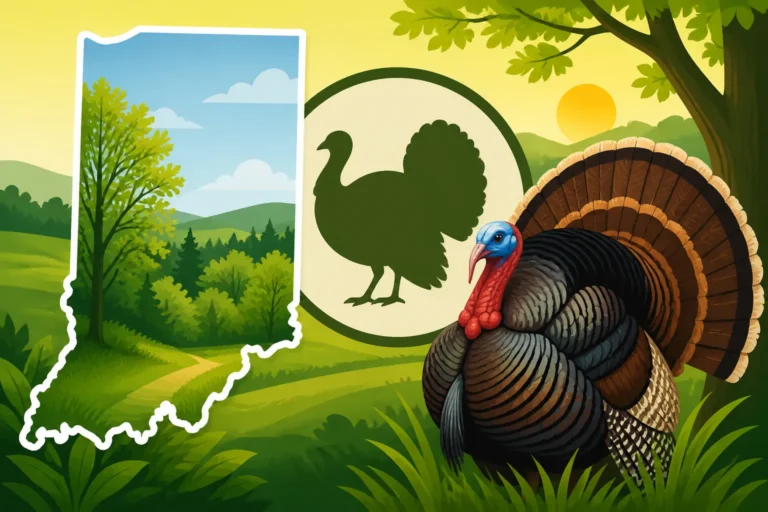
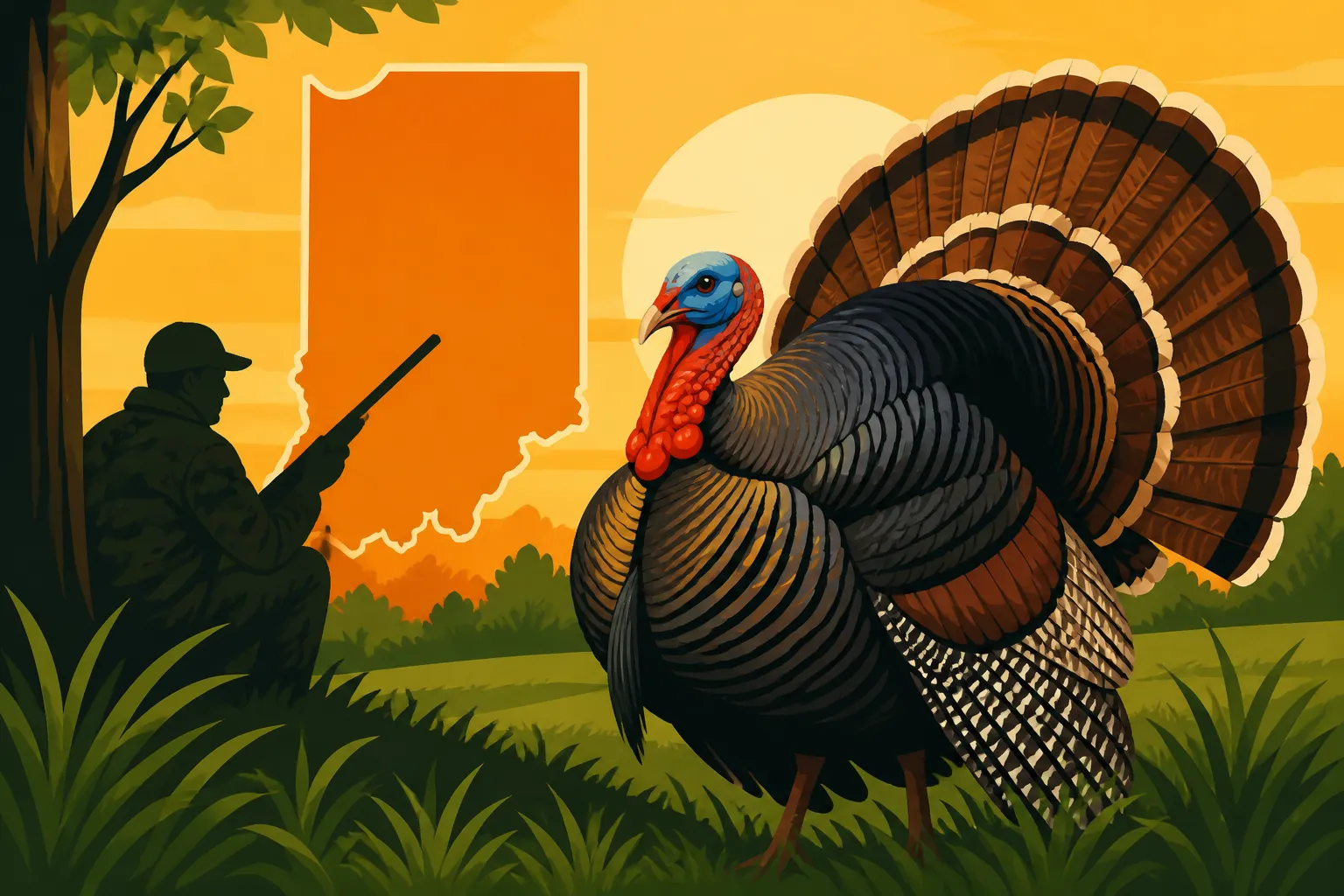
For any of us who love hunting in Indiana, there’s nothing quite like the sound of a gobbler hammering at first light, shattering the pre-dawn quiet. But let's be honest, finding those birds, especially on public land or heavily pressured spots, can feel like a monumental task. This guide is all about diving deep into the world of wild turkeys in Indiana, helping you understand their history, habits, and how to successfully pursue them across our diverse Hoosier landscape, hopefully making that early morning gobble a little more attainable.
The Resurgent Story of Indiana's Wild Turkeys
It's truly incredible to think that not that long ago, wild turkeys were practically non-existent in Indiana. They were once a thriving native species, but habitat loss and unregulated hunting in the 1800s led to their complete disappearance from the state by the early 1900s. For decades, those iconic gobblers were just a memory, a story told by our grandparents. But thanks to dedicated conservation efforts, their triumphant return is one of the greatest wildlife success stories our state has ever seen.
From Extirpation to Reintroduction Success
The journey to bring wild turkeys back to Indiana was a long and challenging one, requiring foresight and dedication from conservationists. Initial attempts in the 1930s and 40s to reintroduce pen-raised turkeys failed miserably, proving that only truly wild, adaptable birds could thrive. It wasn't until the late 1950s, when the Indiana Department of Natural Resources (DNR) began trapping wild turkeys from other states with healthy populations and releasing them into suitable habitats here, that real progress was made. These initial releases focused on areas with large tracts of mature forest, primarily in southern Indiana, providing the cover and food sources necessary for their survival.
This methodical approach, often involving a "trap and transfer" program, continued for decades. Think about the sheer effort involved: setting up rocket nets, carefully handling wild, powerful birds, transporting them, and releasing them into new areas, all while hoping they'd establish a breeding population. Slowly but surely, those small flocks took hold. The early success in places like the Hoosier National Forest laid the groundwork for their expansion across the state. If you're interested in the fascinating details, our piece on How Turkeys Were Restored to Indiana really digs into this history.
The Return of Spring Gobbling Season
As turkey numbers grew, the dream of a hunting season became a reality. The first modern spring turkey season in Indiana opened in 1970, a small, carefully managed season in just a few southern counties. Imagine the excitement and anticipation among hunters after generations of not having this opportunity! It was a true testament to the success of the reintroduction program. Over the years, as turkey populations continued to flourish and expand northward, the season gradually expanded to cover more counties, reflecting the remarkable recovery of the species.
Today, spring turkey hunting is a cherished tradition across Indiana, drawing thousands of hunters each year. The sound of a gobbler echoing through the woods on a crisp April morning is a sound that was lost for too long, and its return is something we should all appreciate. It’s a powerful reminder of what dedicated conservation efforts can achieve, and it brings a unique challenge and thrill that many of us simply can't get enough of. Understanding this history makes every successful hunt feel even more meaningful.
Understanding Indiana's Turkey Population Dynamics
When we talk about hunting wild turkeys in Indiana, it’s not just about knowing where to go; it’s about understanding the health and trends of the population itself. Turkey numbers aren't static; they fluctuate based on a complex interplay of factors like nesting success, habitat quality, predation, and even disease. Keeping an eye on these dynamics helps us predict better hunting years and appreciate the challenges the birds face.
Current Population Estimates and Trends
The Indiana DNR continuously monitors our wild turkey population through various surveys, including brood counts and harvest reports. While exact numbers are always estimates, the general consensus is that Indiana's turkey population remains robust in many areas, though some regions might experience localized dips. Historically, the population peaked in the early 2000s and has since stabilized or seen slight declines in some northern areas, while remaining strong in the southern, more heavily timbered regions. Our article on Indiana Turkey Population Trends dives deeper into the specific data, but the takeaway is that while the boom years might be behind us, there are still plenty of birds to be found.
Factors influencing these trends are numerous. Hatch success is paramount; a cold, wet spring can significantly impact the survival of poults (young turkeys), leading to fewer birds two years down the road. Predation on nests and young poults by raccoons, opossums, coyotes, and even feral hogs can also take a toll. Habitat fragmentation, especially in agricultural areas, means less contiguous cover for nesting and roosting. While the overall picture is healthy, these regional variations are why scouting and local knowledge are so crucial.
Factors Influencing Turkey Health and Reproduction
The health of our turkey population is directly tied to the success of their breeding cycles. Hens typically lay clutches of 10-12 eggs, but getting those eggs to hatch and the poults to survive to adulthood is a monumental challenge. Weather, as mentioned, plays a huge role. Prolonged cold, wet spells in May and June, when poults are most vulnerable, can lead to high mortality. Think about those tiny birds getting soaked and chilled – they just can't handle it.
Beyond weather, the quality of nesting and brooding habitat is critical. Hens need dense cover to hide their nests from predators, and young poults need areas with abundant insects and protective overhead cover for foraging. This often means areas with diverse understory, old fields, and brushy edges adjacent to mature timber. Disease, such as Avian Pox, can also affect localized populations, though widespread outbreaks are less common. Ultimately, a strong population relies on healthy hens, good habitat, and a bit of luck from Mother Nature. You can learn more about this through the DNR’s annual brood surveys, which give us a snapshot of how many poults are making it each year.
Key Habitats Where Indiana Turkeys Thrive
Indiana's landscape is surprisingly diverse, offering a variety of habitats where wild turkeys can establish themselves. From the rolling hills of the south to the flat farmlands of the north, understanding these different environments is key to locating birds and planning your hunts. Turkeys are adaptable, but they certainly have their preferences, and knowing those can save you a lot of boot leather.
Southern Indiana Hill Country and Forests
When most folks think about premier turkey hunting in Indiana, their minds immediately go to the southern hills. And for good reason! This region, characterized by extensive tracts of mature hardwood forests, deep hollers, and rugged terrain, provides ideal habitat for wild turkeys. Areas like the Hoosier National Forest, Yellowwood State Forest, and Morgan-Monroe State Forest are classic turkey country. Here, you'll find plenty of oak and hickory trees, which provide critical mast crops (acorns and nuts) that fuel turkeys through the fall and winter.
The varied topography offers excellent roosting sites on high ridges and plenty of cover for nesting hens. You’ll find birds working the ridge lines, dropping into creek bottoms, and strutting in small openings. The sheer amount of contiguous timber means less disturbance and more room for turkeys to range. Hunting these areas often involves a lot of walking, dealing with steep inclines, and relying on your ears to locate distant gobblers. The reward, however, is often a more immersive and challenging hunt in truly wild country. Our guide on Hunting Southern Indiana Hill Country goes into greater detail on how to approach these rugged areas for various game.
Central and Northern Indiana Farmland with Woodlots
While southern Indiana might steal the spotlight, don't overlook the potential of central and northern Indiana. Here, the landscape transitions to a mix of agricultural fields, smaller woodlots, river bottoms, and fencerows. Turkeys in these areas adapt by utilizing the woodlots for roosting, nesting, and cover, and then frequently venturing into the surrounding fields to feed on waste grain, insects, and lush greens. Think of them as "farm turkeys" – often a bit warier, but still abundant in the right spots.
These birds often have smaller home ranges due to the fragmented habitat, but they can be found in surprising numbers. Creek and river bottoms, lined with mature timber, act as natural travel corridors and provide excellent roosting habitat. Even small patches of timber, if they offer good cover and are adjacent to food sources, can hold birds. The key here is often finding the pinch points, the funnels, and understanding how turkeys move between their roosting cover and feeding grounds. Sometimes, simply knocking on doors and gaining permission to hunt a small, overlooked woodlot can be incredibly effective.
River Bottoms and Riparian Corridors
Throughout Indiana, river bottoms and their associated riparian (streamside) corridors serve as critical turkey habitat, regardless of the surrounding landscape. The Wabash River, White River, and various smaller creeks offer mature timber, often including large sycamores and cottonwoods that make excellent roost trees. These areas also tend to hold a higher density of insects and other food sources, attracting turkeys.
In southern Indiana, river bottoms are intertwined with the hills, providing a diverse mix of terrain. In central and northern Indiana, these corridors can be absolute lifelines for turkeys, cutting through agricultural fields and offering the only significant timber for miles. They provide cover, water, food, and safe travel routes. Scouting these areas, particularly looking for tracks in the mud, droppings, and potential roost trees, is always a good strategy. These natural funnels are often prime locations to set up, especially if you can anticipate where birds will cross.
Deciphering Indiana Wild Turkey Behavior
To consistently hunt wild turkeys successfully, you really need to get inside their heads. Understanding their daily routines, seasonal changes, and communication methods is what separates a lucky encounter from a strategic hunt. They aren't just random birds wandering the woods; they have predictable patterns influenced by food, safety, and the primal urge to reproduce.
Daily Routines: Roosting, Feeding, and Strutting
A wild turkey's day begins and ends in a roost tree. As light breaks, gobblers will often sound off from their perches, proclaiming their presence and drawing hens. Once they hit the ground, their priority shifts to feeding and, for gobblers, strutting to attract mates. They'll typically move from the roost to feeding areas, which could be an open field edge, a food plot, or a timbered ridge laden with acorns. During the spring, gobblers will spend a significant portion of their day strutting and displaying, trying to round up hens.
As the morning progresses, especially after hens leave to nest, gobblers might become more responsive to calls. They'll continue to feed and often move into more open areas during the midday sun. In the late afternoon, they'll begin moving back towards their preferred roosting sites, often traveling along ridge lines or creek bottoms. Being in the right place at these transition times—off the roost, heading to feed, or heading back to roost—is often key. Our article on Roost Hunting Indiana Gobblers can help you refine your early morning strategies.
Seasonal Changes and Influences on Movement
Turkey behavior isn't static; it shifts dramatically with the seasons. In the spring, during breeding season, gobblers are focused on attracting hens, making them vocal and responsive to calls. This is the time when you'll hear the most gobbling. As the season progresses and hens begin nesting, gobblers might become "henned up," meaning they're with actual hens and less likely to respond to your calls. They might also become more solitary as hens sit on nests, making them easier to call in.
In the fall, the dynamics are entirely different. The breeding urge is gone, and birds are focused on feeding and flocking up. Hens and their poults will form large family groups, while gobblers often form bachelor groups. Calling in the fall usually involves breaking up these flocks and then calling birds back to you, mimicking lost turkeys. Weather also plays a role; cold, wet days might keep birds hunkered down, while mild, sunny days encourage activity. Keep an eye on local conditions and adapt your approach.
Communication: Gobbles, Yelps, and Clucks
Understanding turkey vocalizations is like learning a new language – essential for effective communication. The gobble is iconic, announcing a tom's presence and dominance. But turkeys use a wide range of other calls for various situations. Yelps are common, serving as contact calls between hens. Clucks and purrs are soft, contented sounds, indicating birds are comfortable. Cutting is a series of sharp, quick yelps, often used by excited hens. Putts are alarm calls, meaning you’ve likely been spotted.
Learning to mimic these calls, and more importantly, knowing when to use which call, is a cornerstone of turkey hunting. Aggressive cutting might work on a hot gobbler, while soft clucks and purrs might entice a wary bird. Observing actual turkeys and listening to their interactions is the best way to become proficient. Different calls from specific brands like Primos, Zink, or Knight & Hale can offer different tones and pitches, allowing you to fine-tune your imitation. Our guide on Turkey Calls Worth Carrying in Indiana provides an excellent overview of the various types and when to use them.
Navigating Indiana's Spring Turkey Season
Spring turkey season is arguably the most anticipated hunting season for many Hoosier hunters. The challenge of outsmarting a wary gobbler, the beauty of an Indiana spring morning, and the sheer excitement of a bird answering your call make it an experience unlike any other. But success isn't guaranteed; it takes preparation, knowledge of the rules, and adaptable tactics.
Key Regulations and Season Dates
Before you even step foot in the woods, you need to be intimately familiar with Indiana’s turkey hunting regulations. These include knowing the exact Indiana spring turkey season dates, bag limits, legal hunting hours, and specific equipment restrictions. Typically, the season runs from late April through mid-May, but always double-check the current year’s DNR hunting guide for precise dates. The bag limit is one bearded gobbler per hunter for the entire spring season. Remember, you can only hunt turkeys from a half-hour before sunrise until sunset.
Possession of a valid hunting license and a spring turkey license is mandatory. Don't forget your Harvest Information Program (HIP) registration if you’re hunting migratory birds, though turkeys generally aren't considered migratory game birds in this context. While not as stringent as deer hunting, there are specific rules about firearms and archery equipment. For a full breakdown, our Indiana Spring Turkey Season Rules article is an invaluable resource that covers everything you need to know to stay legal and ethical.
Strategic Setup and Calling Techniques
Setting up correctly is often more important than calling perfectly. Once you locate a gobbler, whether by hearing him on the roost or striking him with a locator call, your first priority is to get to a position where you can intercept him. This means getting closer, but not too close to bust him, and finding a natural ambush point with good cover. Always try to set up with an obstruction, like a large tree trunk, at your back to break up your silhouette and protect you from a bird circling around.
When it comes to calling, less is often more, especially on public land where birds are pressured. Start softly. A few soft yelps or clucks might be all it takes. Listen to the bird’s response. Is he gobbling hard and closing the distance? Is he henned up? Is he hung up just out of range? Adjust your calling strategy based on his behavior. Sometimes silence is the best call, letting curiosity draw him in. Remember, a turkey's primary drive in spring is to breed, so mimicking a receptive hen is your best bet. Decoys can be incredibly effective, especially a single hen or a hen and jake setup, but be aware of safety considerations, particularly on public land.
Common Challenges and Troubleshooting
Spring turkey hunting in Indiana comes with its fair share of frustrations. One of the most common challenges is the "henned-up" gobbler. You hear him hammering on the roost, but once he flies down, he joins a flock of real hens and becomes completely unresponsive to your calls. In this scenario, patience is key. You might try to subtly move and get ahead of the flock, or simply wait them out, hoping the hens eventually leave him alone. Sometimes, a "run-and-gun" approach, as detailed in Run-and-Gun Turkey Tactics on Public Land, to find a lonely gobbler is your best bet.
Another common problem is the "hung-up" gobbler. He’ll gobble his head off, walk to a certain point, and just stop, often just out of sight and range. This is usually because he expects the hen to come to him. You can try changing calls, fanning (using a turkey fan to mimic a strutting bird), or even a subtle, slow move to reposition. Sometimes, if he's across an impassable obstacle like a creek or fence line, you might just have to pack up and find another bird. Remember, every gobbler is an individual, and what works for one might not work for another. The mental game is a huge part of turkey hunting!
Hunting the Lesser-Known Indiana Fall Turkey Season
While spring gets all the glory, Indiana offers a fantastic, yet often overlooked, fall turkey season. This season presents a completely different challenge and requires a distinct set of tactics compared to the spring's breeding-focused hunts. If you're looking for an extended opportunity to fill your freezer with delicious wild turkey or simply enjoy more time afield, the fall is definitely worth exploring.
Fall Turkey Regulations and Differences from Spring
The fall turkey season structure in Indiana is quite different from spring, and it's absolutely vital to understand these nuances. First, the Indiana Fall Turkey Season Structure includes both an archery season and a firearms season, each with its own dates. The archery season typically runs concurrently with the deer archery season, giving you a chance to chase turkeys while waiting for a deer. The fall firearms season is usually much shorter and is restricted to specific counties, primarily in the southern and western parts of the state where populations are strongest. Always check the DNR regulations for the current list of open counties.
The most significant difference is the bag limit: in the fall, you can harvest one turkey of either sex. This means you don't have to identify a beard, making it less pressure than the spring season. However, you're still limited to one turkey per hunter for the entire fall season. The focus shifts from calling a breeding gobbler to locating and interacting with flocks of birds, which often consist of hens and their poults. For a comprehensive overview, our article on Hunting Indiana's Fall Turkey Windows is a must-read.
Tactics for Fall Flocks and Scatter Hunting
Fall turkey hunting is largely about finding flocks and employing the "scatter and call back" technique. Wild turkeys, especially hens and their poults, naturally flock up in the fall. Your goal is to locate one of these large flocks, carefully approach them, and then deliberately flush them, scattering the birds in all directions. The more scattered they are, the better.
Once the flock is broken, find a strategic setup where you have good visibility and cover. After about 15-30 minutes of silence, begin making soft "assembly" calls – mimicking lost poults or a distressed hen trying to gather her flock. Kee-kee runs (the high-pitched whistle of a lost poult) are especially effective. Often, the first birds to come back will be younger, less wary individuals, but a dominant hen might also come in to round up her young. This tactic capitalizes on their strong social instincts to reunite the flock. It’s a very active, engaging style of hunting that can be incredibly rewarding.
Hunting Fall Turkeys with Archery Gear
Hunting fall turkeys with archery equipment adds another layer of challenge and excitement. Since you're often targeting scattered birds or calling them into relatively close range, archery can be a fantastic tool. During the Fall Turkey Tactics With Archery Gear window, you might find yourself sitting quietly near known feeding areas or ambushing birds moving between roost and feed.
When employing the scatter method with archery gear, patience is paramount. Birds will often come back cautiously, peering through the undergrowth before fully exposing themselves. You’ll need to draw your bow undetected, which means having excellent camouflage and knowing your draw cycle. Broadhead selection is important too; a fixed-blade or mechanical broadhead designed for maximum cutting will ensure a clean, ethical kill on a turkey. Sometimes, a ground blind can be an advantage, offering concealed movement and a stable shooting platform, particularly in open woods or field edges.
| Season | Primary Focus | Legal Birds | Bag Limit | Equipment | Primary Tactic |
|---|---|---|---|---|---|
| Spring | Breeding Gobblers | Bearded Gobbler | 1 per season | Shotgun, Archery | Call-in, Decoys |
| Fall Archery | Flocking Behavior | Either Sex | 1 per season | Archery | Scatter & Call Back |
| Fall Firearms | Flocking Behavior | Either Sex | 1 per season | Shotgun (select counties) | Scatter & Call Back |
Essential Gear and Tactics for Indiana Turkey Hunters
Stepping into the Indiana woods for turkeys means you need to be prepared. While you don't need a huge amount of specialized gear, having the right equipment and a solid understanding of fundamental tactics can make a significant difference between a quiet morning and a successful harvest. From your shotgun to your calls, every piece plays a role in your overall strategy.
Shotgun and Choke Selection
For most turkey hunters, a shotgun is the weapon of choice. The ideal turkey shotgun is one you can comfortably carry and shoot accurately. Most hunters opt for 12-gauge or 20-gauge shotguns, with modern loads making both highly effective. The key is to pattern your shotgun with your chosen ammunition and choke tube well before the season. A "turkey choke" is typically a very tight constriction (like an extra-full or even super-full) designed to produce a dense pattern at longer ranges, usually 30-50 yards.
Modern tungsten-super-shot (TSS) loads have revolutionized turkey hunting, offering incredible density and range, often making smaller gauges like the 20-gauge perform like a 12-gauge with traditional lead shot. When patterning, shoot at a target the size of a turkey's head and neck at various distances to determine your maximum effective range. Remember, turkeys are tough, and a clean kill requires placing a dense pattern of pellets in their head and neck area. Our article on Turkey Shotguns and Chokes offers more specific recommendations for setting up your scattergun.
Turkey Calls and Decoys
A good selection of turkey calls is indispensable. Most experienced hunters carry a variety: a mouth (diaphragm) call for hands-free calling, a slate or glass call for realistic hen sounds, and perhaps a box call for louder, farther-reaching yelps. Each call has its strengths, and having a few options allows you to adapt to different scenarios and bird temperaments. Practice, practice, practice! Sounding realistic and knowing when to call and when to be silent is a skill honed over time. As mentioned earlier, our guide on Turkey Calls Worth Carrying in Indiana is a great resource.
Decoys can also be highly effective, especially in open country or when you’re dealing with a gobbler that hangs up just out of range. A single hen decoy or a jake and hen setup can often seal the deal, drawing a gobbler in that might otherwise stay put. When using decoys, always set them up in a way that directs the incoming gobbler's attention and path away from your position, giving you a clear, safe shot. Be extra cautious on public land, wearing blaze orange when moving to and from your setup with decoys, and ensuring you know where other hunters might be. Safety first!
Camouflage and Essential Field Gear
Turkey vision is legendary, so blending into your surroundings is paramount. Full camouflage, including a face mask or face paint and gloves, is essential. Break up your outline as much as possible, and try to sit still, especially when a bird is within sight. Beyond camo, a comfortable turkey vest is a game-changer, providing padded seating, plenty of pockets for calls, shells, water, and snacks, and often a built-in kickstand for easy sitting.
Other essential gear includes good binoculars (8x or 10x power is usually sufficient for spotting distant birds), a rangefinder to confirm shot distances, and a reliable headlamp for navigating the woods in the dark. Don't forget bug spray, especially for those early spring mornings when ticks and mosquitoes can be plentiful. A small first-aid kit, a compass or GPS (your phone with an app like GoHunt or the Indiana DNR app works great), and a knife round out the essentials for a successful and safe day in the turkey woods.
Conservation Efforts and Challenges for Indiana Turkeys
The story of wild turkeys in Indiana is one of great conservation success, but the work is never truly done. Maintaining healthy populations requires ongoing effort, vigilant monitoring, and addressing new challenges as they arise. As hunters, we play a crucial role in supporting these efforts and ensuring that future generations can enjoy the thrill of chasing Hoosier gobblers.
Habitat Management and Land Use Changes
The single most important factor for wild turkey populations is habitat. Turkeys need diverse habitats that provide food, water, cover for nesting and roosting, and protection from predators. The Indiana DNR, alongside private landowners and conservation groups, works tirelessly on habitat management projects. This includes prescribed burning to promote new growth and control undesirable vegetation, timber stand improvements to create better foraging and nesting areas, and planting food plots with species like clover or chufa that turkeys love.
However, land use changes, particularly in central and northern Indiana, present an ongoing challenge. Urban sprawl, increased development, and the conversion of woodlands to agricultural fields or residential areas can fragment habitat, making it harder for turkeys to thrive. Protecting existing mature timber, especially river bottom corridors and large woodlots, is critical for supporting these birds. Farmers and private landowners who manage their properties with turkeys in mind contribute immensely to the overall health of the population.
Monitoring for Disease and Emerging Threats
While chronic wasting disease (CWD) is primarily associated with deer, other diseases can affect wild turkeys. The Indiana DNR monitors turkey populations for signs of disease and conducts surveillance to identify any emerging threats. For instance, Avian Pox can cause lesions on turkeys, though it’s rarely fatal to individual birds, large outbreaks can weaken flocks. Wild turkeys can also be susceptible to other avian diseases, although widespread, devastating outbreaks are uncommon.
One continuous challenge, though not a disease, is predation. While a natural part of the ecosystem, higher populations of predators like coyotes, raccoons, and opossums can impact turkey nesting success and poult survival. The ongoing balance between predator and prey populations is complex and requires careful monitoring. Climate change also presents potential long-term threats, as shifts in weather patterns could impact nesting success or food availability. These are complex issues that require constant attention and adaptive management strategies.
The Hunter's Role in Turkey Conservation
As turkey hunters, we are not just consumers of a resource; we are integral partners in conservation. Our license fees directly fund the DNR’s wildlife management programs, including those dedicated to wild turkeys. Beyond financial contributions, ethical hunting practices are paramount. This means knowing and following all regulations, making clean, ethical shots, and accurately reporting your harvest. Indiana Deer Reporting Requirements has parallels in how hunters contribute data to turkey management. Every reported turkey helps the DNR gather crucial data on harvest numbers, population trends, and regional distribution.
Furthermore, being an ambassador for hunting means educating others about the positive impact of wildlife management and conservation. Participating in habitat improvement projects, supporting conservation organizations, and even simply mentoring new hunters helps foster a love and respect for wild turkeys and the wild places they call home. It’s a shared responsibility to ensure that the magnificent gobble continues to echo across Indiana's landscape for generations to come.
Disclaimer
Please remember that hunting regulations and seasons can change. Always consult the most current Indiana Department of Natural Resources (DNR) hunting guide before heading afield to ensure you are compliant with all state laws and regulations. This guide is for informational purposes only and should not be considered a substitute for official DNR publications.