Best Indiana Counties for Wild Quail
If you've spent any time chasing wild bobwhites in Indiana recently, you know the frustration is real. That iconic "bob-white" call is far too rare these days, and finding a wild covey can feel like striking gold. It's not like the old stories our grandfathers told. But don't despair entirely! While quail populations have plummeted across much of the state, there are still pockets where these little dynamos persist, offering a challenging but incredibly rewarding hunt. This guide is here to help you understand why these birds are so elusive, what kind of habitat they cling to, and most importantly, pinpoint some of the best Indiana counties where you still have a legitimate chance to hear that sweet whistle and maybe even put up a covey.
The Fading Call: Why Wild Quail Hunting is a Challenge in Indiana
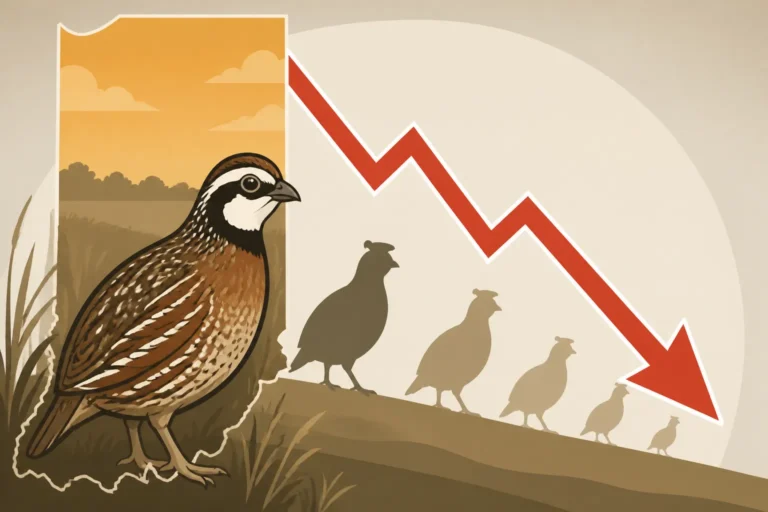
Let's be honest, trying to find wild quail in Indiana can sometimes feel like chasing a ghost. For many hunters, the image of wide-open fields full of coveys is a distant memory, a story told by older generations. The truth is, wild bobwhite quail populations have seen a dramatic decline across much of their range, and Indiana is no exception. This isn't just a matter of fewer hunters; it's a fundamental shift in the landscape itself, making it incredibly tough for these birds to thrive.
Historical Decline and Habitat Loss
Back in the day, Indiana was prime quail country. Think small family farms, diverse crop rotations, fallow fields, and plenty of brushy fencerows. That mosaic of habitat was a quail paradise, offering everything they needed within a small range. But as agriculture intensified, farms grew larger, fields got cleaner, and fencerows were cleared, that critical habitat vanished. Monoculture crops like vast corn and soybean fields, while productive for farmers, offer little in the way of year-round cover or food for quail. When winter storms hit, or predators are on the prowl, these birds have nowhere to hide, no escape routes. Indiana Bobwhite Quail Decline delves deeper into these historical shifts, painting a clearer picture of what we've lost.
The Impact of Modern Farming Practices
Today's agricultural landscape, with its massive fields and efficient harvesting, often leaves very little for quail. After crops are cut, the ground can be bare for months, making birds incredibly vulnerable to both weather and predators. Even when cover exists, it might not be the right kind of cover. Quail need a diverse mix: tall grasses for nesting, dense shrubby thickets for escape, and open areas for foraging, all within close proximity. They're not big travelers; their home range is often less than 20 acres. If any piece of that puzzle is missing, the whole system breaks down. It's a tough reality to face when you're trying to replicate those golden age hunts.
Understanding Quail Country: What Makes a Top Indiana County
So, if most of the state's prime habitat is gone, what defines a "top" Indiana county for wild quail today? It boils down to pockets of remaining, suitable habitat that can support these resilient birds. We're looking for areas where the landscape hasn't been completely homogenized by modern development and agriculture.
The Essential Habitat Mix
Wild quail are truly creatures of the edge. They thrive where different habitat types meet, creating a diverse buffet of cover and food. Think about it: they need open ground with weeds and bare dirt for foraging insects and seeds, dense grassy clumps for nesting and loafing, and thick, woody cover like plum thickets or multiflora rose for protection from hawks and other predators. All of this needs to be within a short flight or run of each other. A perfect quail spot might have a brushy fencerow bordering a CRP field, which then opens into a weedy fallow corner or a small woodlot with open understory.
Public and Private Conservation Efforts
Given the widespread habitat loss, the places where wild quail do persist are often areas with intentional conservation efforts. This includes public lands managed by the Indiana Department of Natural Resources (DNR), such as certain Fish and Wildlife Areas (FWAs) or State Forests, which actively maintain or restore quail habitat. On private land, programs like the Conservation Reserve Program (CRP) or other landowner assistance initiatives can create crucial islands of cover. These efforts often focus on restoring native grasslands, planting hedgerows, and managing timber to create open, diverse understories. When you're scouting, look for signs of these efforts – they are often your best bet for finding birds. Using tools like GoHunt or other mapping apps can help you identify these areas, especially when looking at satellite imagery for specific cover types.
Pinpointing the Pockets: Best Indiana Counties for Wild Quail
Alright, let's get down to brass tacks. While it's crucial to understand that "best" is a relative term given the low populations, some Indiana counties do offer a stronger chance of encountering wild bobwhite quail. These areas typically have a combination of rugged topography, less intensive agriculture, and a history of habitat management or natural features conducive to quail.
Southern Indiana Hill Country: A Quail Stronghold
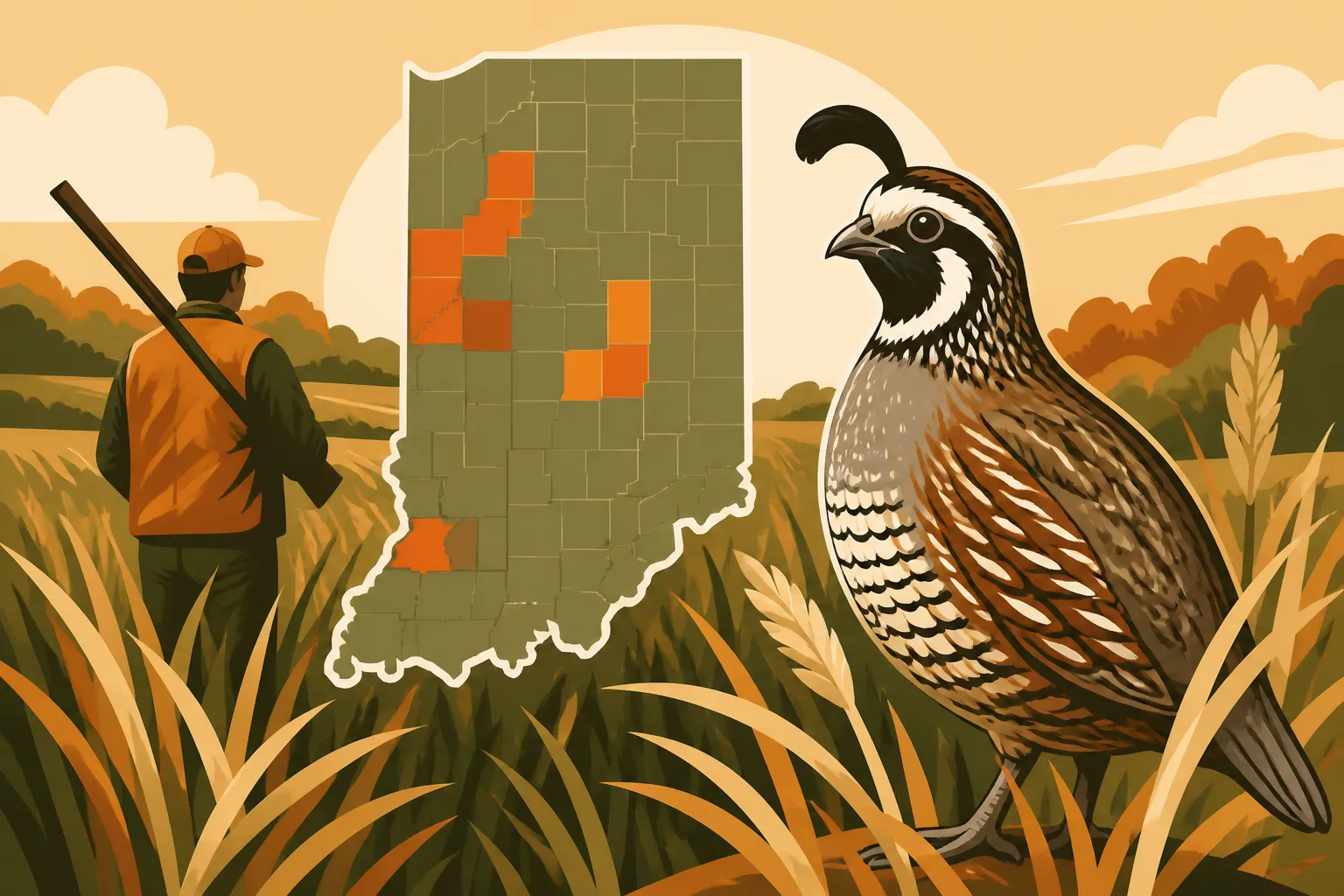
The southern part of Indiana, with its rolling hills, more fragmented farmland, and larger tracts of timber, generally offers better prospects for wild quail. Counties like Pike, Dubois, Spencer, Gibson, and parts of Greene and Martin counties stand out. Why? Because the terrain itself makes large-scale, clean-farm agriculture less feasible. You'll find more brushy draws, reverting old fields, and edges where forest meets smaller agricultural parcels.
- Pike and Dubois Counties: These counties, especially where they transition from the agricultural lowlands to the more rugged hill country, have historically maintained some of the state's most consistent quail populations. They often feature a mix of small fields, timber, and diverse edge habitat. Look for areas adjacent to public lands or private properties enrolled in conservation programs. Hunting Southern Indiana Hill Country provides some insights into the general terrain and strategies that apply here.
- Spencer and Gibson Counties: Situated along the Ohio River, these counties benefit from similar diverse landscapes. River bottomlands often feature a mosaic of timber, brush, and agricultural fields that can create decent habitat. Private landowners here might also be more inclined to maintain brushy cover or practice less intensive farming.
- Greene and Martin Counties: Heading further north into the heart of southern Indiana's public land stronghold, these counties also offer potential, particularly on or near some of the larger state forests and Fish and Wildlife Areas. These public areas sometimes have specific habitat projects geared toward early successional species like quail.
Public Land Opportunities in Quail Country
While most quail hunting happens on private land with permission, several Indiana Fish and Wildlife Areas (FWAs) and State Forests, particularly in the southern region, actively manage for grassland and early successional habitats that benefit quail. These spots are certainly worth exploring. Always check the FWA's specific regulations and any sign-in procedures before you hunt.
- Glendale FWA (Daviess County, adjacent to Pike/Dubois): Often cited for its habitat diversity, Glendale FWA frequently undertakes projects to improve habitat for various small game, including quail.
- Sugar Ridge FWA (Pike County): This large FWA in Pike County is known for its reclamation areas from former strip mines, which have been revegetated with grasslands and shrubs. These managed areas can hold birds.
- Patoka River National Wildlife Refuge (Gibson/Pike/Dubois Counties): While known for waterfowl, the refuge's focus on diverse wetland and upland habitats means there are likely pockets of quail-friendly cover here too.
Remember, finding quail on public land often means walking a lot of ground that others overlook. Finding Ground Others Walk Past is a principle that applies strongly to quail hunting.
Here's a quick look at some of the key characteristics of these counties:
| County | Region | Key Habitat Features | Public Land Opportunities (Examples) | Typical Terrain |
|---|---|---|---|---|
| Pike | Southern | Fragmented agriculture, rolling hills, CRP, diverse edges | Sugar Ridge FWA | Rolling, forested |
| Dubois | Southern | Mix of farmland and timber, brushy creek bottoms | Patoka River NWR (part) | Hilly, mixed use |
| Spencer | Southern | Ohio River bottoms, smaller farms, timbered hillsides | Limited specific FWA (more private) | Riverine, rugged |
| Gibson | Southern | Ohio/Wabash River bottoms, some reclamation, diverse edges | Patoka River NWR (part) | Flat to rolling |
| Greene | Southern/Central | Reclamation areas, State Forests, fragmented agriculture | Goose Pond FWA (more wetlands), Greene-Sullivan State Forest | Varied, some very rugged |
| Martin | Southern | Heavily forested, steep hills, some smaller clearings | Crane Naval Surface Warfare Center (managed hunts) | Very rugged, forested |
Strategies for Finding Quail in These Counties
Even in the "best" counties, wild quail hunting is a game of patience, persistence, and strategic scouting. You can't just expect to step out of the truck and put up a covey like in bygone eras. You need a plan.
Pre-Season Scouting and Mapping
Before you even think about loading your shotgun, you need to scout. This isn't just a casual drive-by. Use satellite imagery tools, like those found on GoHunt or the Indiana DNR's mapping app, to identify promising habitat. Look for those "edge" areas: where old fields meet timber, where brushy fencerows cut across fields, or where CRP grasslands border crop fields. Identify areas with diverse cover, not just wide-open expanses. Reading Aerial Photos for Southern Indiana Deer offers insights into how to dissect a landscape from above, and many of those principles apply equally to finding quail cover.
Once you have potential spots, you need to verify them on the ground. Look for quail sign: dusting bowls, droppings, and the birds themselves. During the late summer and early fall, drive country roads in the early morning or late evening and listen for calls. You might be surprised at what you find once you start actively looking and listening.
Working the Cover with Dogs
A good bird dog is almost indispensable for wild quail hunting in Indiana. These birds hold tight, often flushing close, and without a dog, you'll walk past far more coveys than you find. English setters, pointers, Brittany spaniels, and other versatile bird dogs are perfect for the thick cover you'll encounter. Train your dog to range appropriately for the cover and to hold point. Bird Dog Gear for Indiana Cover can help you get equipped for working with your canine companion in the field.
When hunting, work slow and thoroughly. Don't rush through promising cover. Zigzag through brushy fencerows, walk the edges of overgrown fields, and push into dense thickets. Quail don't typically run far on the ground before taking flight, especially if they're holding tight in good cover. Focus on areas where you know there's a reliable food source nearby, as quail will spend mornings and evenings foraging before retreating to dense cover during the day.
Navigating Public and Private Land
Remember, finding quail on private land almost always requires obtaining permission from the landowner beforehand. Don't trespass. A friendly knock on the door, explaining your interest in hunting quail, might open up a lot of opportunities. For public lands, always consult the specific FWA or State Forest rules. Some may require sign-in, have specific hunting zones, or even managed hunt draws. Indiana Small Game Season Rules will give you the general framework, but always check the local rules for your chosen spot.
When you do find a covey, mark the general area where they flush and then scatter. Quail will often regroup relatively quickly if they feel safe. Knowing where they put down can allow you to work the area again and potentially get a second flush, or even locate them later in the day. It's a challenging hunt, but the reward of a wild Indiana bobwhite whistling up is truly special.
Disclaimer
This article is for general informational purposes only and does not constitute professional advice. Laws, prices and regulations vary by location and change over time. Consult a qualified professional for guidance on your specific situation.