Indiana Coyote Diet in Farm Country
Living in Indiana, especially if you spend any time around our beautiful farmlands, you've probably heard the distinctive calls of coyotes echoing across the fields at dawn or dusk. These incredibly adaptable predators are a constant presence, and for many farmers and hunters, their diet can be a real point of concern. This guide is here to shed some light on exactly what Indiana coyotes are eating in our vast agricultural landscapes, helping you understand their behavior and how it impacts local wildlife and farm operations.
Understanding the Coyote's Adaptable Palate in Indiana's Farmland
Coyotes are the ultimate survivors, capable of thriving in almost any environment, and Indiana's farm country is no exception. They don't stick to a rigid menu; instead, they're master opportunists, eating whatever is most readily available and easiest to acquire. This flexibility is precisely why they've managed to expand their range and population so successfully across the state. They're not picky eaters, which means their diet is a fascinating reflection of the landscape they inhabit.
The Opportunistic Hunter: Small Mammals and Birds
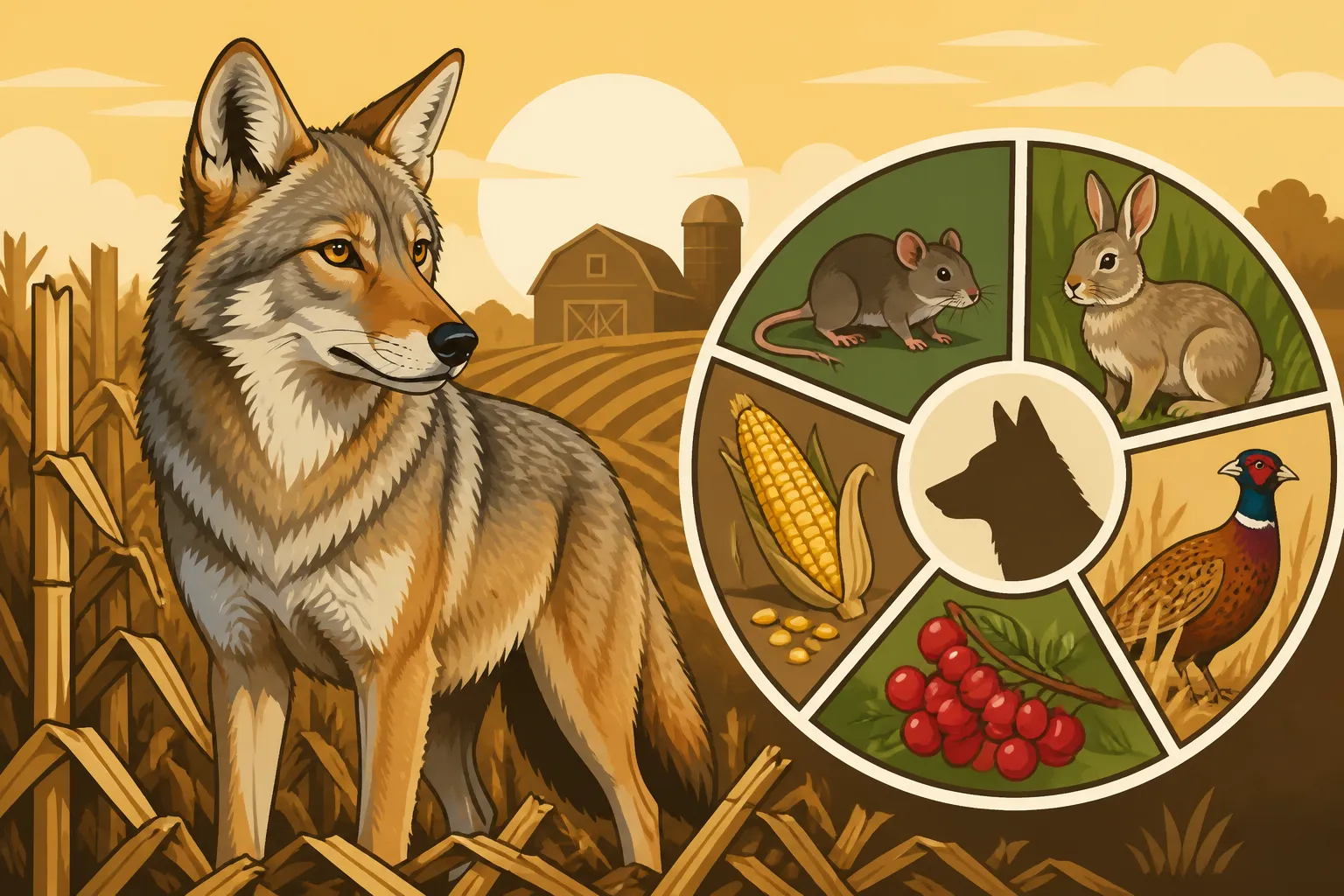
When you think about a coyote, you probably picture it hunting, and you'd be right! Small mammals make up a significant portion of their diet, especially in farm country where populations of rodents can be incredibly high. We're talking about everything from field mice and voles scurrying through stubble fields to groundhogs digging their burrows along fencerows. These little critters are abundant, relatively easy to catch, and provide a consistent food source. Rabbits, too, are a favorite, especially young cottontails venturing out from brushy cover. If you've ever walked through an overgrown field or along a creek bottom and noticed fresh coyote scat full of fur and small bone fragments, chances are you're seeing the evidence of a successful small game hunt.
Birds, particularly ground-nesting species and their young, also fall prey to coyotes. Pheasants, quail, and wild turkeys, especially their vulnerable poults, are on the menu when the opportunity arises. It's a tough reality for those of us who love to chase Indiana Pheasant Season and Stocking or Spring Turkey Hunting in Indiana, as every year, some of these birds become a coyote's meal. While adult birds are often too quick or wary for a coyote, nests and young are a different story, making prime nesting habitat areas also prime coyote hunting grounds. Using a mapping tool like GoHunt can help you identify these critical habitat areas for both prey and predator, giving you an edge in understanding where coyotes might be focusing their hunting efforts.
Scavengers and Opportunists: Carrion and Weakened Prey
Beyond active hunting, coyotes are expert scavengers. This is a huge part of their success in farm country. Any deceased animal, from roadkill deer to livestock that succumbed to illness or injury, becomes a food source. After a tough winter, or especially during the peak of the deer rut when bucks are fighting and sometimes fatally injured, coyotes will readily consume carrion. This means they're effectively nature's clean-up crew, removing carcasses from the landscape. It's not glamorous, but it's an important ecological role they play.
They're also incredibly opportunistic when it comes to weakened or vulnerable prey. A sick or injured deer, for instance, is far easier to take down than a healthy one. This can include fawns that haven't developed their speed or older deer that are past their prime. While they might occasionally take down healthy adult deer, it's generally a significant energy expenditure and risk, so they prefer the path of least resistance. This opportunistic behavior extends to any unguarded food source, whether it's spilled grain near a silo, discarded fruit from an orchard, or even unattended pet food left outside. Their keen sense of smell guides them to these easy meals, reinforcing their reputation as intelligent and adaptable survivors.
Dietary Impacts on Farm Operations and Local Wildlife
The coyote's broad diet means they have a significant impact on both agricultural operations and the delicate balance of our wild ecosystems here in Indiana. These impacts are often the source of much discussion, and sometimes frustration, among landowners and conservationists alike. Understanding these dynamics is key to coexisting with these cunning predators.
Livestock Depredation and Farmer Concerns
One of the most immediate and impactful dietary habits of coyotes, especially in farm country, is their potential for livestock depredation. While small mammals and carrion form the bulk of their diet, when easy opportunities arise, coyotes will target vulnerable farm animals. Young calves, sheep, goats, and poultry are particularly susceptible. A farmer wakes up to find a lamb missing or chickens scattered, and the financial and emotional toll can be substantial. It's a very real and understandable frustration.
For a farmer, managing coyotes isn't just about wildlife; it's about protecting their livelihood. Strategies range from improved fencing and the use of guard dogs to targeted trapping and hunting. Understanding that a coyote's diet is driven by opportunity helps explain why preventative measures are so crucial. If there's an easy meal to be had, a coyote will take it. This is a constant battle for many Hoosier farmers who work hard to raise their animals. Indiana Coyote Attacks on Livestock are a serious issue for many in the agricultural community.
Pressure on Whitetail Fawns and Turkey Poults
Beyond livestock, coyotes exert significant predatory pressure on local wildlife, particularly the young of our most popular game species: whitetail deer and wild turkeys. Spring and early summer are critical times when deer fawns are born, and turkey poults hatch. These young animals, initially defenseless and clumsy, represent an easy, high-calorie meal for a hungry coyote, especially a denning female with pups to feed.
While a healthy deer herd can generally absorb some fawn mortality, high coyote populations in areas with good cover can lead to noticeable declines in fawn survival rates. Similarly, turkey poults are extremely vulnerable to predation during their first few weeks, and coyotes are certainly among the culprits. This predation contributes to the natural ebb and flow of game populations, but it also means hunters who are hoping for a robust deer season or a successful spring turkey hunt are always aware of the role predators play. Scouting for dense fawning cover or prime turkey nesting habitat means you're also inadvertently scouting for areas that coyotes might frequent for their own hunting purposes. Indiana Deer Population Estimate and Indiana Turkey Population Trends are influenced by many factors, including predator populations.
Seasonal Shifts and Food Availability
Just like our hunting seasons change with the calendar, so too does the coyote's primary diet. Their adaptability really shines when food sources shift, forcing them to adjust their hunting and scavenging strategies. Understanding these seasonal changes can give hunters and landowners a better grasp of coyote movements and activity.
Summer Abundance and Winter Scarcity
Spring and summer are periods of relative abundance for coyotes in Indiana's farm country. This is when new life bursts forth: fawns are on the ground, turkey poults are hatching, and fields are teeming with young rabbits and rodents. Farmers are planting crops, which often means disturbing burrows and making small mammals more accessible. The warmer weather also means more carrion, as animals that didn't make it through winter or are hit by vehicles decompose faster. During these months, a coyote's diet is rich and varied, often featuring a higher percentage of meat protein.
As fall progresses into winter, the landscape changes dramatically. Harvested fields offer less cover for small game, and many rodents go underground. Fawns are grown, and turkey poults are strong enough to evade predators more effectively. The ground freezes, making it harder to dig for burrowing animals. This is when coyotes often rely more heavily on carrion, especially deer left after hunting season, or they might turn to larger, more challenging prey if smaller options become scarce. The deep snows of a harsh Indiana winter can make hunting incredibly difficult, forcing them to conserve energy and take advantage of any available food source, no matter how meager. This is also when you might see them venturing closer to farmsteads in search of an easy meal. Hunting the Late-Season January Lull can be a great time to target coyotes as they are actively searching for food.
The Influence of Agricultural Practices
Modern agricultural practices play a surprisingly large role in shaping the coyote's diet. Consider a freshly harvested cornfield. While it might seem barren to us, for a coyote, it's a buffet! Spilled grain offers sustenance, and the removal of tall stalks exposes mice, voles, and rabbits that were once hidden. This makes it easier for coyotes to hunt them. Conversely, standing corn or soybeans provide incredible cover, turning into a labyrinth where coyotes can stalk prey unseen, or even den and raise pups in relative seclusion.
The use of herbicides and pesticides can also indirectly affect their diet by impacting insect and rodent populations, which are lower down the food chain. Hayfields, when mown, can expose nests and young rabbits, creating temporary, opportunistic feeding frenzies for coyotes. The mosaic of different crops, fencerows, woodlots, and creek bottoms across Indiana's farm country creates a complex landscape of food opportunities that changes not just seasonally, but sometimes week to week, depending on what the farmers are doing. This constant change demands the coyote's incredible adaptability and informs where they choose to hunt and live.
Using Diet Knowledge for Effective Coyote Management
Understanding what coyotes eat isn't just academic; it's a powerful tool for anyone interested in managing their populations or simply protecting livestock and game. By thinking like a coyote, you can better anticipate their movements and develop more effective strategies.
Scouting for Food Sources
One of the best ways to outsmart a coyote is to understand where their next meal is likely coming from. This means scouting the landscape with a critical eye for food sources. Are there active rabbit populations along a certain fencerow? Is there a field edge with high rodent activity? Is there a deer bedding area nearby where a fawn might be hidden in the spring? Using a robust mapping system like GoHunt can be invaluable here. You can mark areas with dense small game sign, known deer crossings, or even historical spots where livestock depredation has occurred. This helps you build a picture of potential coyote hotspots, rather than just randomly searching.
Scouting isn't just about finding game; it's about finding the prey of coyotes. Look for scat with fur and bone fragments, tracks along muddy field edges, or even areas where carrion might attract them. If you're seeing a lot of sign that indicates an abundance of small game, you can bet coyotes are nearby. This also means paying attention to farming activities. A recently mown hayfield or a freshly harvested grain field will often attract coyotes to clean up exposed prey or spilled food. The more you can identify where their food is concentrated, the better you can predict where the coyotes themselves will be.
| Primary Farm Country Food Sources | Seasonal Availability | Impact on Other Species | Coyote Activity Level |
|---|---|---|---|
| Small Rodents (Mice, Voles) | Year-round, peaks in crop cycles | Minor direct impact | High, especially after harvest |
| Rabbits, Groundhogs | Spring/Summer (young), Year-round | Direct predation pressure | Moderate to High |
| Deer Fawns, Turkey Poults | Spring/Early Summer | Significant predation pressure | High during nesting/fawning |
| Carrion (Deer, Livestock) | Year-round, peaks after deer season/winter | Clean-up crew | High, especially in winter |
| Livestock (Lambs, Poultry) | Year-round, opportunistic | Direct economic impact on farmers | Variable, highly opportunistic |
| Insects (Grasshoppers, Crickets) | Summer | Minor, supplementary | Low to Moderate |
| Berries, Fruit | Late Summer/Fall | Minor, supplementary | Low |
Adjusting Hunting and Trapping Strategies
Knowing what a coyote eats allows you to tailor your hunting and trapping efforts more effectively. If you know coyotes are heavily targeting small game in thick fencerows, then setting up calling stands near those fencerows, perhaps at dusk or dawn, can be incredibly productive. Coyote Calling in Indiana Farm Country often relies on understanding these local food habits. Using distress calls that mimic rabbits or small rodents can be particularly effective if that's what the coyotes are accustomed to eating.
For landowners experiencing livestock depredation, understanding the coyotes' diet might inform placement of traps or snares in travel corridors leading to vulnerable pastures. If coyotes are scavenging heavily on deer carcasses in a particular woodlot, that might be an ideal location for a stand during predator season. Even if you're primarily a deer or turkey hunter, understanding the local coyote diet can help you choose stand locations that minimize disturbance to game, or conversely, areas where you might intercept a coyote on its way to a known food source. Remember, these animals are always looking for their next meal, and by thinking proactively about what that meal might be, you can significantly improve your chances of success in managing their populations. Predator Calling Southern Indiana Ridgelines will involve different tactics than a flat cornfield, reflecting the different prey available.
Disclaimer
This article is for general informational purposes only and does not constitute professional advice. Laws, prices and regulations vary by location and change over time. Consult a qualified professional for guidance on your specific situation.