Indiana Waterfowl Migration Timing
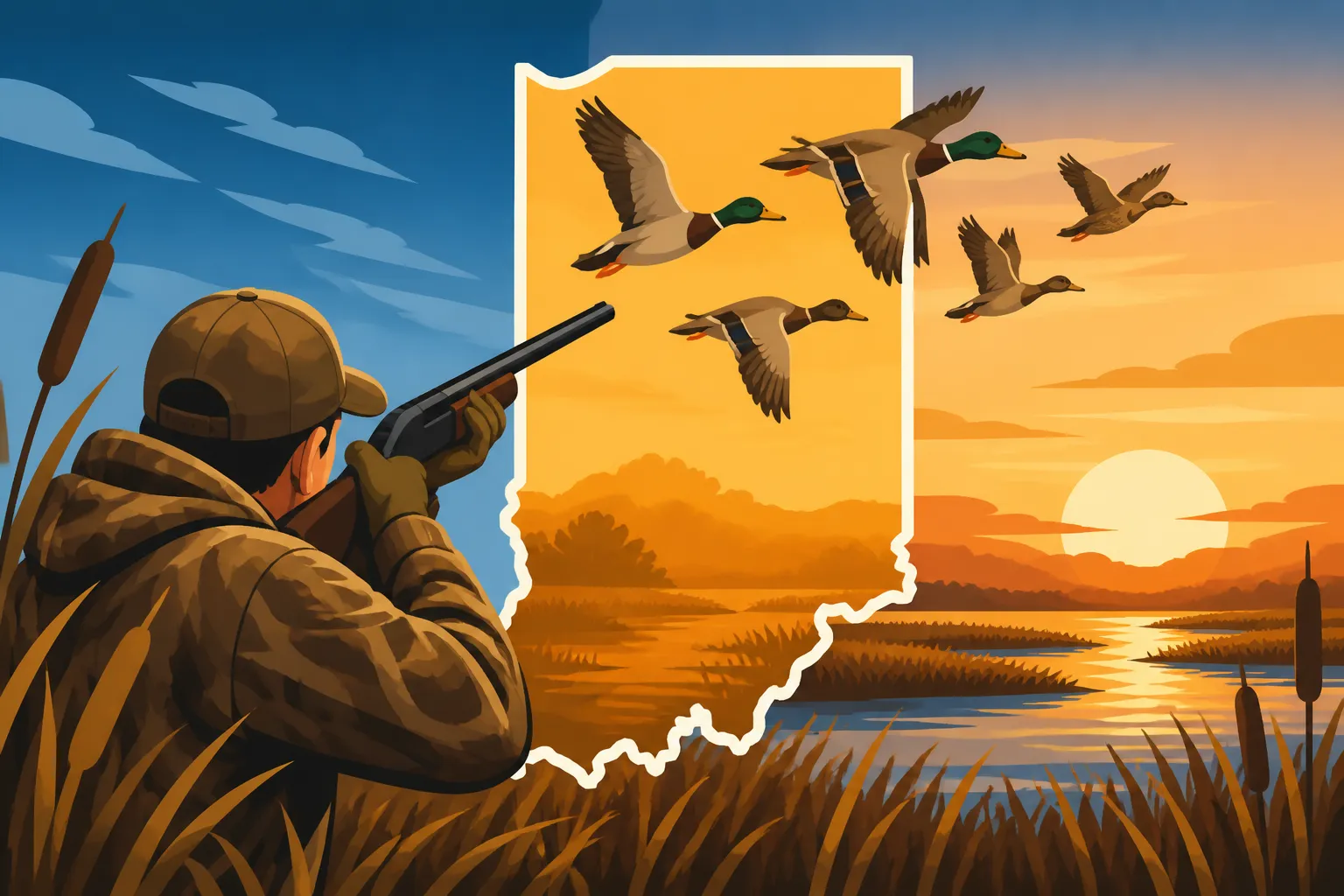
For any waterfowler in Indiana, understanding the ebb and flow of bird migration isn't just a nicety; it's the difference between a memorable hunt and a frustrating, empty blind. It's tough when you've put in the scouting time, bought the latest calls, and set up your spread perfectly, only to find the skies quiet because you're a week or two off the main push. This guide is all about helping you decode Indiana's waterfowl migration timing, giving you the insights you need to be in the right place at the right time for ducks and geese throughout the season.
Indiana's Position on the Mississippi Flyway: A Waterfowl Hub
Indiana sits squarely in the middle of the mighty Mississippi Flyway, one of North America's four major avian superhighways. This privileged location means that, when conditions are right, our state becomes a critical stopover and wintering ground for millions of ducks, geese, and other migratory birds. It's not just a place they fly over; for many, it's a vital refueling station.
The Importance of Geographic Location
Being part of the Mississippi Flyway means Indiana is a natural magnet for waterfowl traveling south from their northern breeding grounds. From the vast boreal forests of Canada down to the Gulf Coast, birds follow ancestral routes, and a significant portion of those routes crisscross Indiana. This geographical reality dictates everything from the species we see to the sheer numbers that pass through. Without this central location, our waterfowl hunting opportunities would be drastically different. It's why hunters here get to experience such a diverse range of species throughout the season, from tiny green-winged teal to giant Canada geese.
Major Migration Corridors Through the State
While the entire state is technically within the flyway, certain regions act as more pronounced migration corridors. The western part of the state, especially along the Wabash River and its tributaries, often sees heavy traffic. Similarly, the northern marsh systems, particularly the historic Kankakee River valley, are legendary for their ability to hold birds. These corridors aren't just straight lines; they're influenced by major river systems, large agricultural fields, and expansive wetlands that offer food, water, and security. Understanding these broad patterns helps you narrow down where birds are likely to concentrate during their journey. For example, if you're looking for where the birds might stack up, consider areas directly adjacent to these major water systems, as they provide easy navigation points for traveling waterfowl.
Understanding Key Stopover Points
Specific areas within Indiana serve as critical stopover points where migrating waterfowl pause to rest and feed. These can be large public areas like the Kankakee Fish and Wildlife Area, Jasper-Pulaski Fish and Wildlife Area, or even vast private agricultural complexes with abundant waste grain and large bodies of water. These areas are vital because they allow birds to regain energy for the next leg of their journey. A severe cold front up north might push a massive wave of birds into these stopovers, causing numbers to explode overnight. Conversely, mild weather can mean birds linger further north, or fly right over Indiana without stopping. Keeping an eye on these major refuges and hunting areas, often tracked by resources like the GoHunt app or local DNR reports, can give you a real-time pulse on bird movements. When you see a significant increase in birds at one of these locations, it’s a good indicator that a push is on, and it might be time to ready your Waders for Marsh Hunting or set up your Decoy Spreads for Kankakee Divers.
Early Arrivals: The First Waves of Feathered Friends
The waterfowl season in Indiana kicks off with a burst of activity, primarily from our early migrants and resident populations. While the massive pushes of mallards and divers are still a ways off, the early season offers unique opportunities for fast-paced action.
September Teal and Wood Duck Movement
As September rolls around, the first significant migratory birds to grace Indiana skies are often teal – blue-winged, green-winged, and occasionally cinnamon – along with our abundant wood ducks. Blue-winged teal are notorious for their early departure, often heading south by late September, sometimes even earlier if a cool snap hits. They're fast, acrobatic, and provide some incredibly exciting shooting. Wood ducks, with their stunning plumage, are also early migrants, though many will stick around as long as their preferred swampy, timbered habitats remain ice-free.
Hunting these early birds requires different tactics than the later season. Focus on smaller, shallow water areas, flooded timber, and backwater sloughs where natural foods like smartweed and millet are plentiful. These birds aren't typically found out in big open water or massive cornfields just yet. Timing your hunt to catch the first few pushes of teal can lead to fantastic mornings. For more insight into these vibrant birds, check out Wood Ducks in Indiana River Bottoms.
Resident Goose Behavior and Early Season Pressure
Indiana also boasts a significant population of resident Canada geese. These are the birds that nest and raise their young right here in the state, often becoming quite habituated to local parks, golf courses, and farm fields. The early goose season, usually in September, is specifically designed to target these local populations. They don't typically migrate in the same dramatic fashion as their northern cousins, but their habits are still influenced by hunting pressure and food availability.
In the early season, resident geese are often found grazing in cut agricultural fields, especially those with rye, wheat, or lush green browse, and loafing on nearby ponds or lakes. They can be incredibly wary, having seen decoys and heard calls countless times. Successful Early Goose Season Tactics in Indiana often involve aggressive scouting, identifying their specific feeding and loafing patterns, and setting up well before first light. Remember, these birds are not the same as the big migrants that arrive later; they know the local landscape inside and out.
Managing Expectations for Early Season Hunts
While the early season can be incredibly rewarding, it’s crucial to manage your expectations. You're unlikely to encounter the vast flocks of ducks associated with the deep cold of late fall. Instead, think smaller numbers, faster action from specific species, and often warmer weather. The early season is a fantastic opportunity to shake off the rust, pattern your shotgun, and introduce new hunters to the sport without the harsh conditions of later months. It's also a great time to focus on conservation efforts, as targeting resident geese helps manage local populations. Remember to consult the current Indiana Duck and Goose Bag Limits to stay within legal harvest numbers. The early season is a different beast than the main migration, offering its own unique challenges and rewards.
The Main Event: Peak Migration Through Autumn
As the calendar flips from September to October and then November, Indiana truly comes alive with waterfowl. This is the period when the bulk of migratory ducks and geese begin their serious push south, often in response to changing weather patterns further north.
October's Mallards and Wigeon Push
October is often when Indiana hunters start seeing the first significant influx of puddle ducks, most notably mallards and American wigeon, along with gadwall and pintails. These birds are typically fleeing the initial cold fronts and freezing temperatures hitting the Dakotas, Minnesota, and the Canadian Prairies. They arrive in good numbers, often seeking out larger bodies of water, sheet water in fields, and flooded timber. Early October might still feel mild, but a strong north wind and a dip in temperatures can bring thousands of new birds into the state overnight.
These ducks are often less wary than the birds that have been hunted for weeks, providing some excellent shooting opportunities. They're primarily interested in feeding heavily to fuel their journey, so focusing on food sources – especially corn, soybeans, and other waste grains in agricultural fields – becomes paramount. This is where Layout Blind Hunting Indiana Farm Fields really shines. Look for birds staging on large reservoirs or river systems during the day, then identifying where they feed in the evenings and mornings.
Diving Ducks: Canvasbacks and Redheads in November
As October gives way to November and the weather truly turns cold, the stage is set for the arrival of diving ducks. This is when species like canvasbacks, redheads, scaup (bluebills), ringnecks, and goldeneyes make their appearance. Unlike puddle ducks that dabble in shallow water, divers prefer deep, open water on large lakes, reservoirs, and wide sections of rivers. They feed on aquatic vegetation, mollusks, and small fish, which are more readily available in these deeper environments.
The northern lakes in Indiana, such as Lake Wawasee, Lake James, and the larger reservoirs like Monroe or Patoka, can hold impressive numbers of divers during this period. Hunters targeting these birds often employ large decoy spreads, sometimes in excess of a hundred decoys, set far out in open water. Diver Hunting on Northern Indiana Lakes can be a challenging but incredibly rewarding experience, as these birds fly fast and hard. Pay close attention to weather reports and major cold fronts; these will be the triggers that push these powerful flyers into our state.
Mixed Bag Opportunities as Temperatures Drop
Late October and early November often present the best "mixed bag" hunting opportunities in Indiana. You might find a morning hunt yielding a few mallards, a couple of gadwall, and a pintail, followed by a bluebill or two. The overlap of puddle ducks still moving through and divers starting to arrive can make for incredibly diverse hunts. Geese also become more prevalent, with larger migratory Canada geese beginning to mix with the resident populations.
This period is all about adapting to what the weather brings. One day might be perfect for hunting a flooded cornfield for mallards, while the next, after a strong freeze, might be better spent on the edge of a large lake for divers. Flexibility in your hunting locations and tactics is key to maximizing your success during this peak migration window. This adaptability is critical for places like the Hunting the Wabash River Bottoms, where diverse habitats attract a variety of species.
Late Season: Battling the Elements for Birds
As autumn fades and winter's grip tightens, Indiana's waterfowl season enters its final, often most challenging, but potentially most rewarding phase. This is when true grit meets dedicated scouting, as hunters face down freezing temperatures and limited open water.
December's Hard Push of Mallards and Geese
By December, the bulk of the waterfowl population has been pushed south by extreme cold and heavy snows further north. This often means that the most resilient and cold-hardy birds, predominantly mallards and large Canada geese, are present in impressive numbers. These are the birds that have survived weeks or months of hunting pressure and brutal weather, making them incredibly wary. The numbers can be staggering, particularly if major northern staging areas like Illinois' Horseshoe Lake or the Ohio River Valley freeze up, sending birds even further into Indiana.
These late-season birds are fixated on high-calorie food sources. Waste corn and soybeans in harvested fields become their primary target, often drawing them into massive feeding flights. They'll also seek out open water, sometimes in surprisingly small pockets. Mallards and Geese on Kankakee Marshes can provide epic hunts, but the conditions will test your resolve. Successful hunting requires meticulous scouting, understanding flight lines, and often very large, realistic decoy spreads to draw in these educated birds.
Finding Open Water Amidst the Freeze
One of the biggest challenges of late-season waterfowl hunting in Indiana is finding open water. As temperatures plummet, smaller ponds, ditches, and even portions of larger rivers and lakes can freeze solid. Waterfowl, especially diving ducks and large goose flocks, absolutely need open water for resting and security. This often concentrates birds into smaller, ever-shrinking areas of open water, which can be a boon for hunters who know where to look.
Look for areas with moving water, such as river sections with strong currents, spring-fed ponds, or even areas near power plants or industrial outflows that keep water from freezing. These thermal refuges become vital bottlenecks for birds. Finding a small patch of open water, even if it's just a hundred yards across, can be the key to unlocking an incredible late-season hunt. Sometimes, even simply breaking up ice in a shallow spot can create enough open water to attract curious birds.
Strategies for Hunting Extreme Cold
Hunting in December and January in Indiana means facing down bitter cold, biting winds, and often snow or freezing rain. Your gear needs to be top-notch, with multiple layers of insulation, waterproof outer shells, and warm, waterproof boots being absolutely essential. Staying warm and dry isn't just about comfort; it's about safety and maintaining focus.
Beyond personal gear, your hunting strategy also needs to adapt. Birds will be seeking shelter, so setting up on the leeward side of a tree line or a cut bank can put you in a prime position. Calling can be effective, but often less aggressive, more subtle calls work best on wary, cold birds. Decoy spreads should reflect the conditions; large spreads often work well for geese, while ducks might respond better to smaller, more realistic setups, especially if they’re huddled in tight groups. The cold forces birds to conserve energy, making predictable movements between roosting and feeding areas. Understanding these patterns, often aided by using modern scouting tools like the GoHunt app, is your best bet for success in the brutal late season.
Environmental Factors Shaping Waterfowl Movement
Waterfowl migration isn't a fixed schedule; it's a dynamic dance influenced by a complex interplay of environmental factors. Understanding these variables is crucial for predicting bird movements and planning successful hunts.
The Critical Role of Weather Fronts
Weather is undeniably the most significant driver of waterfowl migration. Major cold fronts, especially those accompanied by strong north winds, act like a switch, triggering massive pushes of birds south. As ice forms in northern latitudes and food sources become inaccessible under snow, birds have no choice but to move. A dramatic drop in temperature by 20-30 degrees can bring thousands of new birds into Indiana almost overnight.
Conversely, mild weather can delay migration significantly. If conditions remain warm and open water persists further north, birds will linger, conserving energy and taking advantage of available food. This is often why some years feel "off" for migration – the birds just aren't being forced south as quickly. Monitoring long-range weather forecasts for breeding grounds and staging areas to our north (like Wisconsin, Michigan, Minnesota, and the Canadian provinces) is paramount. If you see a major cold snap hitting those regions, prepare for an influx of birds in Indiana a few days later, depending on flight speed and distance.
Food Sources and Their Impact on Staging
While weather dictates when birds move, food availability often dictates where they stop and how long they stay. Waterfowl, especially puddle ducks and geese, are voracious eaters, needing high-calorie foods to fuel their long journeys and sustain them through cold weather. Agricultural fields, particularly those with waste corn and soybeans, are prime attractants. Natural wetlands offering smartweed, millet, and other seeds are also vital.
A bountiful harvest year with plenty of waste grain can mean birds stay longer in a region, as they have ample food. Conversely, a poor crop year or a year with very efficient harvesting might mean birds move through more quickly, searching for better provisions. This is also why areas with managed food plots on public land or well-managed private properties often hold more birds. For example, Canada Geese on Indiana Farmland are very dependent on the food available in those fields. Birds will "stage" in areas with abundant food, building up fat reserves before continuing their journey. Keeping an eye on local crop conditions and harvest timing can give you a leg up on predicting where birds will concentrate.
Hunting Pressure and Its Effect on Migration Patterns
Hunting pressure, both locally and along the broader flyway, also plays a significant role in how waterfowl behave. Heavily hunted areas tend to have more wary birds that quickly learn to avoid common decoy spreads, call sequences, and high-traffic spots. Birds that have been "shot at" for weeks or months become incredibly adept at identifying safe zones and avoiding danger. This can sometimes push birds to alter their migration routes slightly or to utilize less obvious stopover points.
On the other hand, strategically managed refuges and public hunting areas with rest periods can act as magnets, holding birds for longer periods and allowing them to settle. Understanding the local hunting pressure in your chosen area, and even considering the pressure birds have faced further north, can help you adapt your tactics. Sometimes, simply walking an extra half-mile or hunting a less accessible pocket can yield better results, as those areas see less human disturbance. The Indiana DNR often provides insights into Indiana Duck Zone Boundaries and managed hunt areas, which can influence where birds decide to land.
Leveraging Migration Knowledge for Successful Hunts
Understanding migration timing isn't just academic; it's a practical tool that can dramatically improve your hunting success. By combining knowledge of bird movements with diligent scouting and adaptability, you can increase your odds of being on the "X."
Scouting Ahead: Tracking Weather and Water
The most effective way to leverage migration knowledge is through proactive scouting. This isn't just driving around looking for birds the day before your hunt; it's an ongoing process throughout the season. Start by tracking weather patterns, not just in Indiana, but hundreds of miles north. Use weather apps and websites to monitor cold fronts, snow accumulation, and ice formation in the primary breeding and staging grounds of the birds you target. Look for patterns: when a significant freeze hits Manitoba, expect a push of mallards and divers into Indiana within a few days.
Simultaneously, monitor local water conditions. Are smaller potholes freezing? Are river levels high or low? Are certain fields holding sheet water after a rain? Use tools like the GoHunt app to check satellite imagery for current water levels and potential feeding areas. This advance knowledge allows you to anticipate movements rather than reacting to them. For example, knowing that northern sloughs are freezing can prompt you to focus your scouting efforts on larger, deeper waters in Indiana where Diver Hunting on Northern Indiana Lakes might be picking up.
Adapting to Changing Conditions
Even with the best scouting and migration knowledge, flexibility is key. Waterfowl hunting is rarely static. What worked last week might not work today due to a new weather front, increased pressure, or a change in food availability. Be prepared to shift your plans, even mid-hunt. If the birds aren't working your field spread, perhaps they've moved to a timber hole that just opened up. If divers are ignoring your spread on a lake, maybe they’ve transitioned to feeding in nearby flooded agricultural areas.
Having multiple spots scouted for different conditions (e.g., a field for mallards, a river slough for wood ducks, a lake for divers) allows you to pivot quickly. Don't be afraid to pull up stakes and move if the birds simply aren't there or aren't responding. The birds dictate the terms, and successful hunters are those who adapt to what the birds are doing, rather than stubbornly sticking to a preconceived plan. When a big push of birds comes through, sometimes you need to rethink your strategy for Waterfowl Hunting the Kankakee Marshes on the fly.
Using Technology to Inform Your Strategy
In today's world, technology offers an incredible advantage to waterfowl hunters. Beyond basic weather apps, consider using advanced mapping software like GoHunt or the Indiana DNR's online maps. These tools can provide invaluable satellite imagery, property line information (crucial for ensuring you're on public land or have permission for private land), and even historical data on hunting pressure or habitat changes. You can pinpoint potential new feeding areas, identify remote water bodies, and even mark optimal entry and exit routes.
Additionally, online forums, social media groups dedicated to Indiana waterfowl, and local DNR reports can provide real-time updates on bird numbers, recent harvests, and general migration trends. While anecdotal evidence should always be taken with a grain of salt, combining it with your own scouting and meteorological tracking can paint a much clearer picture. Use these tools not as a substitute for boots-on-the-ground scouting, but as powerful complements to inform and refine your strategy, helping you to truly understand and anticipate Duck Migration Timing Through Indiana.
Migration Patterns of Key Indiana Waterfowl Species
To further illustrate the nuances of Indiana's waterfowl migration, here’s a breakdown of general timing for some of our most common hunted species. Remember, these are averages and can vary significantly year to year.
| Species | Early Season (Sept) | Mid-Season (Oct-Nov) | Late Season (Dec-Jan) | Key Habitats |
|---|---|---|---|---|
| Blue-winged Teal | Heavy Migratory Push | Fading Out | Rare | Shallow marshes, mudflats, sheet water |
| Wood Duck | Abundant (migratory & resident) | Declining Migratory Numbers | Resident stragglers if mild | Flooded timber, wooded creeks, beaver ponds |
| Mallard | Resident populations | Building Migratory Numbers | Peak Migratory Numbers, Wary | Cornfields, large lakes, rivers, flooded timber |
| Gadwall | Resident populations | Steady Migratory Numbers | Good Migratory Numbers | Marshes, open water, waste grain fields |
| Wigeon | Light Migratory Push | Peak Migratory Numbers | Fewer Numbers | Marshes, open water, short grass fields |
| Diving Ducks (Scaup, Redhead, Cans) | Rare | Increasing Migratory Numbers | Peak Migratory Numbers, Open Water Critical | Large, deep lakes, reservoirs, wide rivers |
| Canada Goose | Resident populations (Early Season) | Increasing Migratory Numbers | Peak Migratory Numbers, Wary | Agricultural fields, large lakes, reservoirs |
This table provides a general overview, but each season presents its own unique challenges and opportunities. Understanding these trends, combined with real-time scouting, will give you the best chance for a successful hunt.
Disclaimer
Hunting is an inherently dangerous activity. Always prioritize safety, adhere to all Indiana Department of Natural Resources (IDNR) regulations, and obtain appropriate licenses and permits before heading afield. The information provided in this guide is for informational purposes only and should not replace official regulations or professional guidance. Hunting conditions and regulations can change, so always verify the most current rules before you hunt.