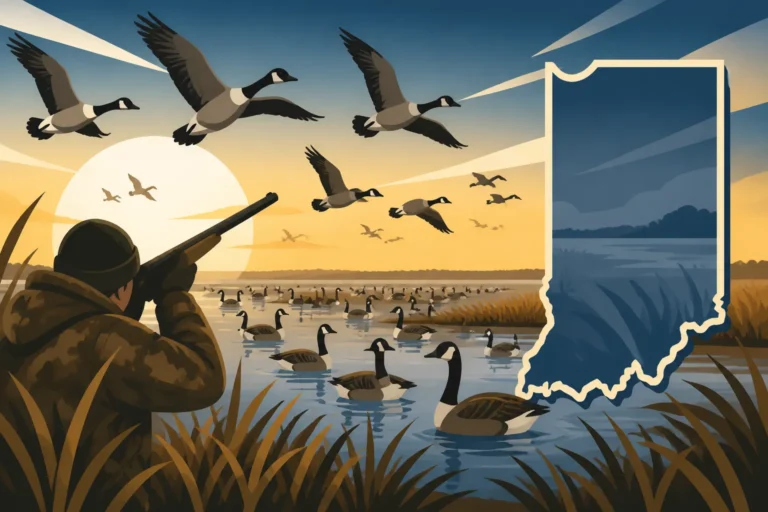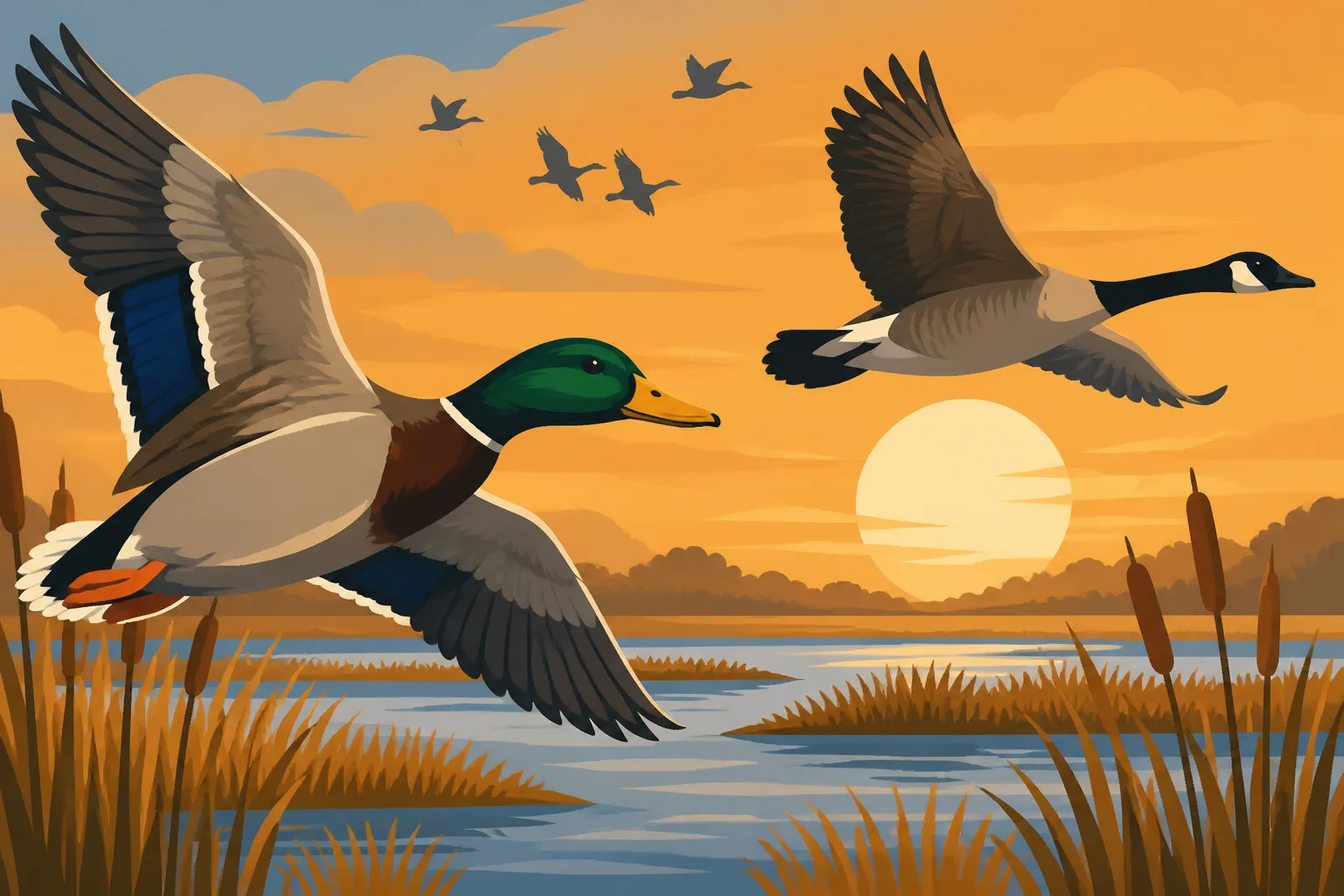
Mallards and Geese on Kankakee Marshes
Hunting the vast, often unpredictable Kankakee Marshes for mallards and geese can be a truly humbling experience. You might spend hours setting the perfect spread, fighting through thick cattails, or braving bitter winds, only to see the birds flare miles out or simply choose another part of the marsh. It’s easy to get discouraged when the rewards don't match the effort. This guide aims to cut through that frustration, offering a deep dive into the Kankakee’s unique waterfowl dynamics, proven tactics, and essential gear to boost your success rates and make those tough mornings more rewarding.
Understanding the Kankakee Marsh Ecosystem for Waterfowl
The Kankakee River valley is more than just a waterway; it's a legendary landscape for waterfowl hunters, albeit one that has undergone immense changes over the centuries. To truly understand how to hunt this unique area, we first need to appreciate its past and present ecological makeup. It's not just about finding a spot with water; it's about finding the right water and the surrounding habitat that ducks and geese depend on.
The Kankakee's Historical Significance and Restoration Efforts
Once known as the "Everglades of the North," the Grand Kankakee Marsh was an immense wetland ecosystem, stretching for miles across northern Indiana. This sprawling natural wonder was a critical stopover for millions of migratory waterfowl traveling the Mississippi Flyway. Imagine a landscape of shallow water, wild rice, and dense vegetation as far as the eye could see – an absolute paradise for ducks and geese. However, human settlement and agricultural expansion led to massive drainage projects in the late 19th and early 20th centuries, transforming much of this wetland into farmland. This historical context is vital because while the vastness of the original marsh is gone, conservation efforts are continuously working to restore portions of its former glory.
Today, organizations like Ducks Unlimited, along with the Indiana Department of Natural Resources (IDNR), are tirelessly working on various restoration projects within the Kankakee River Basin. These efforts focus on re-establishing wetlands, managing water levels, and planting native vegetation crucial for waterfowl. These restored areas, often within Fish and Wildlife Areas (FWAs), become magnets for migrating birds and offer incredible public hunting opportunities. Understanding these ongoing efforts helps hunters appreciate the delicate balance of the ecosystem and recognize why certain areas hold more birds than others; they are often the fruit of diligent conservation work.
Key Habitat Features for Mallards and Geese
The Kankakee Marshes, even in their reduced state, offer a diverse array of habitats that attract different species of waterfowl. For mallards, the key lies in shallow, dabbling waters rich with submerged aquatic vegetation, moist soil plants, and access to waste grain in adjacent agricultural fields. You'll often find them working the edges of cattail stands, exploring flooded timber, or loafing in backwater sloughs where the current is minimal. The depth of the water is critical for mallards; they prefer areas where they can easily tip up to feed without fully diving.
Canada geese, on the other hand, often utilize the larger, more open bodies of water within the Kankakee for roosting, especially during colder periods. During the day, they will typically venture out into nearby agricultural fields, particularly corn and winter wheat, to feed. These fields, often bordering the marsh complex, provide the high-energy carbohydrates geese need. Understanding this distinction between "duck water" and "goose water" – or more accurately, "duck habitat" and "goose habitat" – is paramount. While some areas might attract both, specific setups and scouting efforts should be tailored to the species you are targeting.
Mallard Migration and Behavior in the Kankakee
Mallards are arguably the most iconic duck species for many Indiana waterfowlers, and the Kankakee Marshes are a prime destination for these beautiful birds. Their patterns and preferences shift throughout the season, requiring hunters to be adaptable and observant. Knowing when to expect them and what they're looking for will significantly increase your odds.
Peak Migration Periods for Greenheads
The mallard migration through the Kankakee is a dynamic event that unfolds over several months, usually beginning in earnest around late October and peaking through November and into early December. Initially, you'll encounter a good number of local, resident birds that have been around all summer. These birds can be tricky, as they're highly accustomed to local pressure. As the days shorten and colder weather pushes down from the north, the first waves of truly migratory mallards begin to arrive. These early migrants are often less wary and can offer some fantastic hunting, especially if fresh cold fronts bring them in. For a broader perspective on the overall timing, it's worth reviewing Duck Migration Timing Through Indiana.
The sweet spot for mallard hunting often occurs during the main migration push in mid-November, coinciding with the peak of the rut for deer, interestingly enough. This is when the largest numbers of birds are passing through, utilizing the Kankakee for resting and feeding. As winter progresses, and especially if severe cold or ice pushes south, a final push of mallards will often seek out any remaining open water. These late-season birds can be incredibly resilient and wise, but also incredibly hungry, making finding active feed fields crucial. Keeping a close eye on weather forecasts and migration reports from states north of Indiana can give you a significant advantage in anticipating these movements.
Mallard Feeding Patterns and Preferred Forage
Mallards are dabbling ducks, meaning they feed by tipping their heads down into shallow water, rarely fully submerging. This preference dictates where you'll find them actively feeding. In the Kankakee, their diet is incredibly varied. Early in the season, they'll feast on a mix of aquatic insects, seeds from moist soil plants like smartweed and millet, and native grasses. As the season progresses and the weather gets colder, their focus shifts dramatically to high-energy carbohydrates, particularly waste grain found in harvested agricultural fields adjacent to the marsh.
Fields of cut corn are absolute magnets for mallards, especially if there are puddles or flooded areas within them. They'll also frequent soybean fields, though perhaps less enthusiastically than corn. Beyond waste grain, any pockets of flooded timber or natural sloughs with abundant submerged vegetation will hold birds. Hunters need to scout these areas meticulously, looking for fresh droppings, tell-tale "puddle rings" on the water, and active flight paths in and out of feeding grounds. A mallard will often fly several miles from a roost to a preferred feeding area, so understanding their daily commute is a huge part of being successful.
Decoy Spreads and Calling Strategies for Mallards
When it comes to mallards in the Kankakee, your decoy spread and calling approach can make all the difference between a frustrating day and a memorable one. For decoys, simplicity and realism often trump sheer numbers, especially on pressured birds. A common and effective spread is a modified "J-hook" or "U-shape," with the open end facing into the wind. This creates a natural landing zone for incoming birds. Placing a few "feeders" with their heads down towards the kill hole can add to the illusion. Motion decoys, like spinning-wing or jerk-string models, are incredibly effective at grabbing attention, mimicking realistic movement on the water. However, be mindful of over-using them on heavily pressured days; sometimes less is more.
Calling strategies for mallards should be dynamic and responsive to the birds' behavior. Early in the season, or on quiet days with unpressured birds, a more aggressive greeting call might pull them in. As the season wears on, and birds become warier, a softer approach is often better. Focus on realistic feeding chuckles, soft contented quacks, and comeback calls only when birds are turning away. It’s a conversation, not a monologue. Observe how the birds react to your calling; if they shy away, ease up. If they seem interested but need a nudge, give them a soft cluck or two. Don't be afraid to adjust your Decoy Spreads for Kankakee Divers principles to suit puddle ducks, focusing on natural landing zones and realistic presentation.
Canada Goose Dynamics in the Kankakee Marshes
Canada geese present a different challenge and opportunity on the Kankakee Marshes compared to mallards. Their larger size, distinct social structures, and reliance on different types of habitat require a unique set of tactics. You're dealing with birds that can be incredibly wary, especially the older, more experienced flocks.
Resident vs. Migratory Goose Populations
The Kankakee area supports two distinct populations of Canada geese: resident birds and migratory birds. Resident geese are often locally raised, non-migratory, and spend their entire lives in the same general area. These birds are often heavily pressured and incredibly wise to decoys and calling. They've seen it all, and they know the local hot spots and hunter tendencies like the back of their wing. Hunting resident geese requires extreme stealth, perfect camouflage, and often targeting their consistent flight paths between roosts and feed fields.
Migratory geese, on the other hand, are the birds that have traveled down from breeding grounds further north. These birds can arrive in huge numbers, especially with strong cold fronts. While still wary, they might be less familiar with specific local pressure points and can sometimes be more responsive to large decoy spreads and aggressive calling, especially if they are new to the area and looking for a safe place to rest and feed. Understanding the difference is crucial; what works on a seasoned local flock might fail spectacularly on a fresh group of migrants, and vice-versa. During peak migration, it's impressive to see How Many Geese Winter on Kankakee Marshes, which gives you an idea of the sheer numbers you could encounter.
Goose Roosting and Feeding Habits
Canada geese typically prefer large, open bodies of water for roosting at night, where they feel safe from predators. This could be a wide section of the Kankakee River, a large marsh pool, or even a local lake or reservoir. From these safe havens, they will fly out daily to feed, often covering significant distances. Their preferred feeding grounds are almost exclusively agricultural fields: cut corn, winter wheat, and sometimes even soybean stubble. They are grazers, meticulously picking through fields for waste grain and tender shoots.
Identifying these roost-to-feed flight paths and the specific fields they are using is the cornerstone of successful goose hunting. This requires diligent scouting, watching sunrise and sunset movements, and observing where birds are consistently landing. Their routine is often incredibly precise, especially for resident flocks, making patterning their movements possible. However, migratory birds might be more opportunistic, landing in fields that offer immediate food and security. Pay attention to how the Early Goose Season Tactics in Indiana might differ from the main season; early birds often hit smaller, more localized food sources before the big fields become primary.
Effective Goose Decoy and Calling Tactics
Goose hunting on the Kankakee demands a different approach to decoys and calling compared to ducks. Geese are herd animals, and they are generally drawn to larger spreads. Full-body decoys are highly effective because they offer the most realism, especially in open fields. Spread patterns should aim to mimic a flock of geese feeding and loafing naturally, with some groups clustered and others more spread out. Silo decoys and even flags can also be used to add numbers and movement to a spread without breaking the bank. The key is to create a visual invitation that screams "safety in numbers" and "good food here."
Calling for geese is also about volume and realism. Unlike ducks, geese often respond to louder, more varied calls. Master the basic cluck, honk, and murmur. Learn to imitate the "hail call" to grab attention from distant flocks, then soften your calling to feeding murmurs as they get closer. Flagging is another incredibly effective tool; mimicking the wing beats of a landing goose can often seal the deal, especially when birds are hanging up. Just like with ducks, pay close attention to how the geese react. If they're coming straight in, keep doing what you're doing. If they're flaring, adjust your calling, flag less, or even go silent.
Scouting and Accessing Kankakee Marsh Waterfowl Hotspots
The Kankakee Marshes can be a puzzle to unlock. With expansive areas of public land and highly mobile birds, effective scouting and understanding access regulations are critical for success. You can't just show up and expect to find birds; you need to put in the legwork.
Utilizing Public Access Points and Regulations
Northern Indiana boasts several incredible public hunting opportunities within the Kankakee River Basin, most notably the Kankakee Fish and Wildlife Area (FWA). These managed properties offer access to prime waterfowl habitat, but they come with specific rules and regulations that hunters must understand. Many FWAs operate on a draw system for prime waterfowl units, especially during opening weekends and busy periods. This means you might need to register well in advance or participate in an early morning draw for a blind or specific hunting unit. Always check the IDNR website for specific FWA rules, draw dates, and special regulations for each property, as these can change annually.
Beyond draw-based units, other areas might be open for walk-in hunting, requiring hunters to sign in and out daily. Understanding the Hunting Kankakee River Marsh Waterfowl regulations for each specific public area is paramount to staying legal and safe. Some areas may have specific shooting hours, restrictions on motor usage, or requirements for non-toxic shot in all firearms (which is a standard for waterfowl across the state, but good to double-check). Never assume; always verify the current rules for your chosen hunting location.
Advanced Scouting Techniques
In an expansive and complex system like the Kankakee, relying solely on driving around isn't enough. Advanced scouting techniques are necessary to locate birds and identify prime hunting spots. Start with aerial maps. Tools like Google Earth or the onX Hunt app are indispensable for identifying open water, cattail edges, potential roost sites, and adjacent agricultural fields. Look for natural funnels, pinch points, and areas where water levels might be conducive to duck feeding. The "topo" and "hybrid" layers on GoHunt or other mapping apps can reveal subtle elevation changes that concentrate birds or provide hidden access.
On-the-ground scouting is still king, however. Drive the roads around the marsh at dawn and dusk, looking for birds flying to and from roosts and feed fields. Pay attention to their flight paths and altitudes. Use powerful binoculars to scan distant fields for feeding geese or large concentrations of ducks. A portable spotting scope can be invaluable for identifying species and estimating numbers from a distance. The GoHunt app allows you to drop waypoints, add notes about bird activity, and even track your movements, creating a digital scouting journal that can be incredibly helpful year after year. Don't forget to look for physical sign – droppings, feathers, and mud stirred up by dabbling ducks – as these confirm recent activity. Even without cell service, many mapping apps allow you to download maps for offline use, ensuring you always have your intel. Getting a Scouting Indiana Public Land Before Season strategy in place will pay dividends.
Navigating the Marshes Safely
The Kankakee Marshes, while beautiful, can be deceptively challenging to navigate, especially in low light or harsh weather. Safety must always be your top priority. Insulated chest waders are non-negotiable for marsh hunting. The water can be surprisingly deep in places, and the mud can be incredibly thick and grabby. Knowing how to Waders for Marsh Hunting effectively and safely is crucial. Jon boats, canoes, or kayaks are often necessary to access prime spots, especially if you're carrying a lot of gear. Airboats or mud motors can get you into even more remote areas, but always be aware of regulations regarding their use on specific public lands.
Always tell someone where you are going and when you expect to return. Carry a fully charged cell phone (in a waterproof bag), a whistle, a headlamp, and a basic first-aid kit. The risk of hypothermia in cold water is real, even on mild days if you get wet. Know your limitations, and don't take unnecessary risks just to get to a perceived "hot spot." The birds will be there another day.
Essential Gear and Setup Considerations for the Kankakee
Being prepared with the right gear can make or break a waterfowl hunt on the Kankakee. From staying warm and dry to effectively luring birds, your equipment choices play a huge role in your comfort and success. Don't skimp on the essentials, especially when dealing with cold water and harsh conditions.
Waders, Boats, and Blinds for Marsh Hunting
As mentioned, high-quality, insulated chest waders are arguably the most critical piece of gear for hunting the Kankakee. Look for models with durable construction, comfortable shoulder straps, and integrated boots. Neoprene or breathable waders with layering options beneath are popular choices, offering warmth and flexibility. Having a good pair of waders means you can cross sloughs, retrieve birds, and set decoys in confidence.
For accessing remote areas or if you have a significant amount of gear, a boat is often essential. A sturdy jon boat, canoe, or kayak can be paddled or motored into prime locations. Consider a boat designed for shallow water or with a mud motor if you plan to explore very shallow, vegetated areas. Always ensure your boat is equipped with all necessary safety gear, including PFDs for everyone onboard.
Blind selection depends heavily on your chosen spot. If hunting a field adjacent to the marsh, a low-profile Layout Blind Hunting Indiana Farm Fields offers excellent concealment. For marsh setups, natural blinds built from cattails, willows, or reeds are often the most effective. Portable panel blinds or A-frame blinds can also be used, brushed in with local vegetation to blend seamlessly with the surroundings. The key is to disappear into the landscape; ducks and geese have incredible eyesight.
Shotguns, Ammunition, and Cold Weather Gear
A reliable 12-gauge shotgun is the standard for waterfowl hunting on the Kankakee. Many hunters prefer semi-automatic or pump-action models for their capacity and reliability in adverse conditions. Ensure your shotgun is clean and well-maintained, as marsh conditions can be tough on firearms. Choke selection is crucial; modified or improved cylinder chokes are often versatile enough for typical decoy ranges, while full or extra-full chokes might be used for longer shots at pass-shooting geese.
Regarding ammunition, Indiana, like all states, requires the use of non-toxic shot for waterfowl. Steel shot is the most common and affordable option, but newer alternatives like bismuth and tungsten-based loads offer superior performance, denser patterns, and better energy retention, albeit at a higher cost. Match your shot size to your target – larger shot (BB, BBB, T) for geese, and smaller shot (2, 3, 4) for mallards. Always carry enough ammunition for your hunt, but don't overpack; it's extra weight. For specific rules on bag limits and other regulations, check Indiana Duck and Goose Bag Limits.
Layering is paramount for staying warm in the unpredictable Indiana weather. Start with a moisture-wicking base layer, add insulating mid-layers like fleece or wool, and top it off with a waterproof and windproof outer shell in a suitable camouflage pattern. Don't forget insulated, waterproof gloves, a warm hat, and waterproof boots. Hand warmers can be a lifesaver on bitter cold mornings. Remember, comfort directly impacts your ability to focus and stay out longer, increasing your chances of success.
Adapting to Weather and Pressure on the Kankakee
The Kankakee Marshes are a dynamic environment, and the most successful waterfowl hunters are those who can adapt their strategies to changing weather patterns and, crucially, to hunting pressure. What worked last week might not work today, and being flexible is key.
Impact of Cold Fronts and Ice on Waterfowl Movement
Cold fronts are often a waterfowl hunter's best friend. A strong cold front pushing down from the north typically brings new flights of migratory birds into the Kankakee Basin. These "fresh" birds can be less wary and more eager to decoy, especially if they've traveled a long distance. Keep a close eye on weather forecasts, particularly for sudden drops in temperature and northerly winds, as these often signal new arrivals.
As temperatures drop further, the marsh begins to freeze, gradually reducing the available open water. Partial ice-up can actually be a boon for hunters, as it concentrates birds into smaller, accessible open pockets. Finding these last remaining open water areas can be incredibly productive. However, a complete freeze-up can push all the birds out of the marsh entirely, forcing them south or onto large rivers that remain unfrozen. When hunting in these conditions, focusing on fields with available waste grain and perhaps an adjacent water source becomes paramount. Knowing the Indiana Duck Zone Boundaries can also help understand how wider regional weather patterns might influence local bird movements.
Hunting Pressured Birds and Finding Seclusion
The Kankakee Marshes are popular, and consequently, the birds that utilize them are often heavily pressured. Ducks and geese are incredibly intelligent and learn quickly. By mid-season, they've seen it all: too many decoys, bad calling, hunters standing up too soon. To consistently find success, you need to adapt to these wary birds.
One of the most effective strategies is to hunt less accessible spots. While everyone else is setting up near the easy public access points, consider putting in the extra effort to walk, paddle, or boat deeper into the marsh. Use your GoHunt mapping app to identify overlooked pockets of water or distant sloughs that others might deem too much effort. These secluded spots often hold more birds and offer a more natural hunting experience. Another tactic is to scale back your decoy spread. Instead of a massive spread, try a smaller, more realistic group of a dozen or two decoys, focusing on natural poses and movement. Less aggressive calling, using softer murmurs and feeding calls, can also be more effective on pressured birds. Sometimes, simply being patient and waiting for the mid-morning lull after other hunters have packed up can yield surprising results.
Table of Kankakee Waterfowl Hunting Strategies
| Species | Key Characteristics | Preferred Habitat | Decoy Strategies | Calling Approach | Typical Bag Limit (consult DNR) |
|---|---|---|---|---|---|
| Mallard | Dabbling duck, greenhead drake, quacking hen. Often feeds on land or shallow water. | Shallow water (<18"), moist soil, flooded timber, waste grain fields (corn, beans). | Smaller spreads (1-3 dozen), J-hook/U-shape, motion decoys (spinners, jerk strings) near kill hole. | Aggressive early season (greeting, comeback), softer/feeding chuckles mid-late season. | 6 ducks/day (often with species restrictions) |
| Canada Goose | Grazer, large body, distinct honk. Roosts on open water, feeds in fields. | Large open water roosts, agricultural fields (cut corn, winter wheat, pasture). | Large spreads (3-10+ dozen), full bodies, silos, shells. Flagging for distant birds. | Honks, clucks, murmurs, often louder and more aggressive. Focus on realism. | 5 geese/day (may vary by season/zone) |
Always consult the current Indiana DNR hunting regulations for precise and up-to-date bag limits, shooting hours, and other legal requirements before each hunt.
Disclaimer
Hunting is an inherently dangerous activity. This guide provides general information for educational purposes only. Always prioritize safety, adhere to all local, state, and federal hunting regulations, and consider taking a hunter education course. The information provided does not constitute legal advice. It is the responsibility of the individual hunter to ensure they are fully compliant with all applicable laws and possess the necessary licenses and permits before engaging in any hunting activities.