Why Wild Pheasants Faded From Indiana
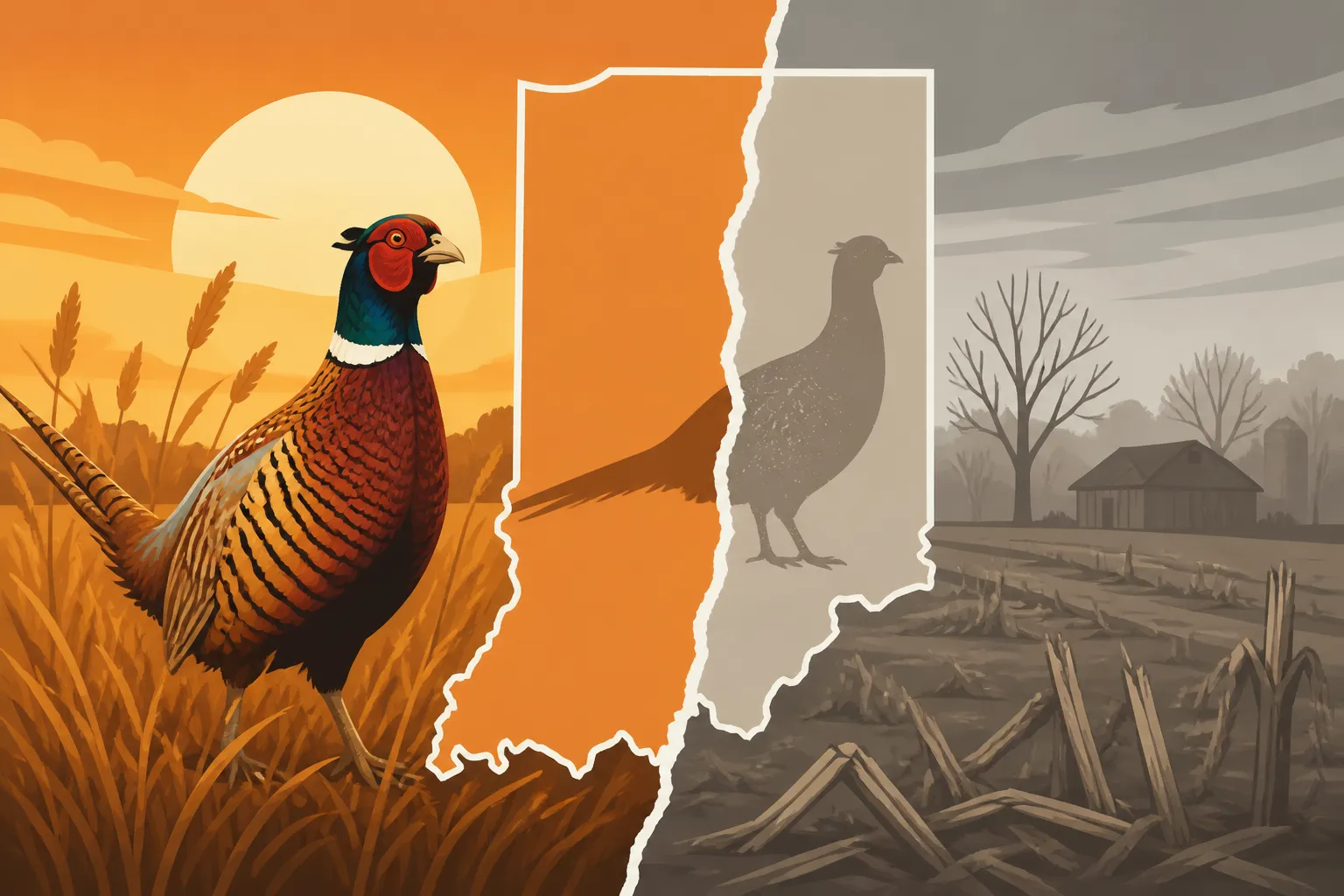
For many Hoosier hunters, the thought of flushing wild pheasants brings a nostalgic sigh, a memory of a bygone era or a story from their grandparents. The once-thriving populations of ring-necked pheasants across Indiana have largely faded, leaving behind stocked birds for recreational hunts. This comprehensive guide delves into the complex environmental, agricultural, and ecological shifts that led to this unfortunate decline, helping us understand why these iconic game birds are now so rare in our wild landscapes.
A Look Back: The Heyday of Indiana Pheasants
It’s easy to feel a pang of longing when you hear old-timers talk about the pheasant hunting of yesteryear. Their stories paint a picture of abundant birds, cackling roosters exploding from every fencerow. It wasn’t a dream; it was once a reality for many parts of Indiana. To truly understand why wild pheasants have largely vanished, we first need to appreciate how and why they thrived here in the first place. These birds weren't always native to our Indiana soils, but for a good stretch of the 20th century, they certainly made themselves at home.
Early Introductions and Initial Success
The ring-necked pheasant, with its iridescent plumage and distinctive crow, is not indigenous to North America. These hardy birds were first introduced from Asia to various parts of the United States in the late 1800s and early 1900s, often by private citizens or early conservation groups who saw their potential as a robust game bird. Indiana saw its own share of these early releases, with the goal of establishing a self-sustaining wild population that could provide hunting opportunities and thrive in agricultural landscapes.
And thrive they did, especially in certain regions. The flat, fertile farmlands of north-central and northeast Indiana proved particularly welcoming. These areas, characterized by a mosaic of row crops, small grains, hayfields, and brushy fence lines, offered precisely the kind of diverse habitat pheasants needed. They quickly adapted, finding ample food in grain stubble, secure nesting sites in hay and grassy fields, and crucial winter cover in dense fencerows and small woodlots. The conditions were just right for these adaptable birds to establish a foothold and begin to reproduce naturally, much to the delight of burgeoning hunter populations.
The Golden Age of Indiana Pheasant Hunting
By the mid-20th century, Indiana was enjoying what many refer to as the "golden age" of pheasant hunting. While never achieving the densities seen in some of the Dakotas or other prime pheasant states, Indiana’s wild bird populations were healthy enough to provide consistent and memorable hunting experiences. Hunters with their pointing dogs would walk miles of corn stubble, push through overgrown ditches, and anticipate the thrilling flush of a rooster.
The landscape itself was an ally. Farms were generally smaller, more diverse, and less intensely managed than they are today. Fields of corn and soybeans were interspersed with oats, wheat, alfalfa, and clover. Critically, these farms were stitched together by brushy fencerows, small woodlots, and uncultivated "odd corners" that provided year-round cover and refuge. It was a habitat tapestry that allowed pheasants to nest, raise broods, find food, and survive winters. This era, sadly, is one we largely read about in history books or hear recounted around a campfire. It's a stark contrast to the modern experience, where hunters seek out specific state-managed properties for Pheasant Hunting Indiana Grassland or try their luck along a remnant Pheasant Hunting a Fencerow Edge.
The Primary Drivers: Habitat Loss and Agricultural Shifts
If you ask any wildlife biologist or seasoned hunter about the decline of wild pheasants, habitat loss will invariably be at the top of their list. It's not just one thing, but a compounding effect of changes to the land itself and how we use it. Indiana’s landscape has undergone a dramatic transformation over the last 70 years, and pheasants, being creatures of specific habitat needs, have paid a heavy price.
Habitat Loss and Fragmentation
The most significant factor in the disappearance of wild pheasants is the massive reduction and fragmentation of suitable habitat. Pheasants require a diverse array of cover types throughout the year to complete their life cycle. They need dense, grassy cover for nesting in the spring, which used to be abundant in hayfields, pastures, and undisturbed field edges. After hatching, chicks need areas rich in insects, often found in weedy fields or along field borders, where they can also find escape cover from predators. Come winter, they need robust, dense cover like cattail marshes, thickets, or standing crops to provide thermal protection from cold winds and snow.
As Indiana developed, this patchwork of essential habitats began to unravel. Urban and suburban sprawl consumed once-fertile farmland. Roads and infrastructure crisscrossed the landscape, breaking up larger habitat blocks into isolated, smaller parcels. But perhaps the biggest hit came from agricultural intensification. Wetlands were drained, and countless miles of brushy fencerows and shelterbelts were removed. These "clean farming" practices eliminated the vital corridors and sanctuaries pheasants needed. Without contiguous habitat, populations became isolated, vulnerable to local extirpation, and unable to rebound or expand naturally. Imagine trying to live your entire life in a small, disconnected room when you need a whole house to survive comfortably – that's what happened to the pheasants.
Changes in Agricultural Practices
Modern agriculture, while incredibly efficient at producing food, is fundamentally different from the farming practices that supported booming pheasant populations. The shift has been profound and continuous, leaving fewer and fewer places for pheasants to call home.
The Rise of Monoculture and "Clean Farming"
Gone are many of the smaller, diverse farms that characterized mid-century Indiana. Today, vast expanses of land are dedicated to monoculture – primarily corn and soybeans. This means fewer rotations with small grains like oats or wheat, and far less hay (alfalfa, clover), which provided critical nesting and winter cover. Furthermore, the philosophy of "clean farming" has become prevalent. This involves maximizing every square inch of tillable ground, leading to the eradication of brushy fencerows, grassy ditches, and woodlots that once served as vital pheasant habitat. What was once considered wasted ground for crops was prime habitat for wildlife, providing everything from nesting sites to winter thermal cover. When farmers remove these features, they remove the very foundation pheasants need to survive. The same fencerows that might have provided cover for Rabbit Hunting Indiana Fencerows are often the first to go.
Pesticides, Herbicides, and Early Harvests
The widespread use of pesticides and herbicides has also played a role. Herbicides eliminate the weeds that provided cover and diverse food sources for adult birds. Pesticides, while targeting crop pests, also reduce the insect populations that are absolutely vital for pheasant chicks. Young pheasants rely heavily on insects for protein during their critical early growth stages. Fewer insects mean lower chick survival rates.
Finally, modern harvesting methods are incredibly efficient and often happen earlier in the season. Fields are stripped clean, leaving little in the way of standing grain for winter food or thermal cover. This leaves pheasants exposed to harsh winter elements and predators, particularly in areas where other dense cover is scarce. These changes have created a landscape that is simply no longer conducive to sustaining robust wild pheasant numbers.
Here’s a snapshot of how agricultural changes have impacted pheasant habitat:
| Aspect | Mid-20th Century Agricultural Practices | Modern Agricultural Practices | Impact on Wild Pheasants |
|---|---|---|---|
| Field Size & Diversity | Smaller, varied fields; rotations including hay, oats, wheat, corn, soybeans. | Large, contiguous fields; heavy emphasis on corn and soybeans (monoculture). | Negative: Reduces diversity of food sources and cover types. Fewer small grain fields (like wheat or oats) mean less nesting and brood-rearing cover. Limits movement corridors and forces birds into larger, more exposed areas. |
| Field Edges & Features | Abundant brushy fencerows, hedgerows, ditches, small woodlots, odd corners. | "Clean farming" – fields often tilled right to the edge; fencerows, brush removed. | Severely Negative: Eliminates critical nesting habitat, winter thermal cover, escape cover from predators, and travel corridors. Without these features, pheasants are exposed, nests are vulnerable, and survival rates plummet, especially during harsh weather. |
| Pesticide/Herbicide Use | More limited, often targeted, or less potent chemical applications. | Widespread, broad-spectrum application of herbicides and insecticides. | Negative: Herbicides destroy crucial weedy cover and diverse plant food sources. Insecticides reduce the insect populations vital for protein intake for pheasant chicks, directly impacting brood survival and overall recruitment. |
| Harvest Timing/Methods | Slower harvest, often leaving some standing crops, more waste grain for scavengers. | Rapid, efficient harvest with modern machinery, minimal waste grain left. | Negative: Early, clean harvests remove crucial winter food sources and standing thermal cover (like unharvested corn). This leaves birds more vulnerable to starvation and exposure during the coldest months, and easier targets for predators with less hiding cover. |
| Wetland Management | More natural wetlands, sloughs, and low-lying wet areas integrated into farmland. | Extensive tiling and drainage systems to convert wet areas into tillable land. | Negative: Eliminates dense wetland vegetation (cattails, reeds) which serve as invaluable winter cover, especially during heavy snows. Also removes crucial water sources and insect-rich areas for brood-rearing, forcing birds into less secure habitats and reducing overall population resilience. |
Other Pressures on Indiana's Pheasants
While habitat loss and changes in agriculture are undoubtedly the lead culprits, other factors contribute to the ongoing struggle for wild pheasants in Indiana. It’s a complex web of environmental challenges, where multiple stressors collectively weaken populations, making them less resilient to any single threat.
Predation and Disease Pressure
Predation is a natural part of any ecosystem, and pheasants have always had predators. However, when habitat becomes fragmented and scarce, the balance shifts dramatically against the pheasants. Without adequate, dense cover – those brushy fencerows, thickets, and large stands of native grasses – pheasants become far more vulnerable. Nests are easier for raccoons, opossums, and skunks to find. Adult birds have fewer places to hide from aerial predators like hawks and owls, or ground predators such as coyotes and foxes.
In a healthy habitat, pheasants have enough cover to evade predators and enough successful nesting attempts to offset losses. In a degraded habitat, every lost nest or adult bird has a much greater impact on the population's ability to recover. While predator populations fluctuate, the key issue for pheasants isn't necessarily an increase in predators, but rather a decrease in the pheasants' ability to escape and reproduce successfully in the face of existing predator pressure. Disease can also factor into the overall health of a population, particularly if birds are already stressed due to poor habitat and food scarcity. Weakened birds are more susceptible to pathogens, further reducing their numbers.
Weather Patterns and Reproduction
Pheasants are relatively hardy birds, but their reproductive success and survival are heavily influenced by weather, particularly during the critical nesting and brood-rearing periods. A late spring with prolonged cold, wet weather can devastate a nesting season. Eggs can chill and fail to hatch, and young chicks, especially those just a few days old, are highly susceptible to hypothermia and drowning. If the primary nesting cover is already scarce, and then harsh weather hits, the impact is even more severe.
Conversely, extended droughts can also be detrimental, reducing the availability of insect protein for growing chicks and potentially impacting the quality of nesting cover. While pheasants have evolved to cope with natural weather fluctuations, the combination of marginal habitat and unfavorable weather can be a death blow to local populations. With fewer safe havens and less robust food sources to buffer these environmental stresses, each bad weather year can set wild pheasant recovery back significantly. This makes any conservation efforts even more vital, as the birds need all the help they can get to withstand these natural challenges.
The Ongoing Effort: Can Wild Pheasants Make a Comeback?
The question on many hunters' minds is whether wild pheasants can ever truly return to Indiana in significant numbers. It's a challenging prospect, given the pervasive changes to our landscape. However, hope is not lost, and dedicated individuals, organizations, and state agencies are working hard to create conditions where these beautiful birds might once again thrive. Understanding these efforts, and how we as hunters can contribute, is crucial for any potential comeback.
Stocking Programs and Habitat Initiatives
Many hunters are familiar with the Indiana DNR's put-and-take pheasant stocking programs on various Fish & Wildlife Areas. These programs offer fantastic recreational hunting opportunities and introduce new hunters to the sport, helping to fund other conservation efforts. However, it's vital to understand that these stocked birds are primarily for the gun; they generally have low survival rates in the wild and do not contribute significantly to establishing self-sustaining wild populations. The real work of bringing back wild pheasants lies in large-scale habitat restoration. This is why you might hear about Indiana's Stocked Versus Wild Pheasants and the distinct management goals for each.
The most impactful initiatives focus on restoring the habitat pheasants desperately need. Federal programs like the Conservation Reserve Program (CRP) pay landowners to take marginal agricultural land out of production and plant it with native grasses and wildflowers, creating excellent nesting and winter cover. State agencies, like the Indiana DNR, also manage public lands, such as Fish & Wildlife Areas, with specific habitat goals in mind. These areas might feature prescribed burns, food plots, and dense cover plantings designed to mimic ideal pheasant habitat, especially in counties that might historically have supported wild populations or where private land efforts are strong, like some Best Indiana Counties for Pheasant. The long-term success of these efforts depends on continued funding, landowner participation, and strategic placement of habitat blocks to allow birds to connect and expand.
Supporting Conservation Efforts
For wild pheasants to truly make a comeback, it requires more than just government programs; it needs the active support and involvement of hunters and private landowners. Organizations like Pheasants Forever are at the forefront of this battle, working tirelessly to implement habitat projects directly on the ground. By joining such organizations, volunteering your time, or contributing financially, you directly support initiatives that plant native grasses, restore wetlands, and create the kind of diverse cover pheasants need.
Additionally, advocating for sound conservation policies and programs is crucial. This includes supporting initiatives that provide incentives for landowners to create wildlife habitat, protect existing natural areas, and manage public lands for diverse game species. Utilizing modern mapping tools, like those offered by GoHunt, can also empower landowners to identify areas on their own property suitable for habitat improvements, or help hunters scout public lands where habitat initiatives are in place. Every hunter who purchases an Indiana Pheasant Permit Requirement is also contributing, as a portion of those funds often goes back into wildlife management and habitat work. While the road to a wild pheasant comeback is long and challenging, collective effort and a renewed focus on habitat are our best hope for seeing those cackling roosters burst from the fields once more.
Disclaimer
This article is for general informational purposes only and does not constitute professional advice. Laws, prices and regulations vary by location and change over time. Consult a qualified professional for guidance on your specific situation.