Best Indiana Counties for Pheasant
For many Indiana hunters, the thought of pheasants conjures up sepia-toned images of days gone by, vast fields, and wild flushes that are increasingly hard to find. The reality is, hunting pheasants in the Hoosier State today requires a bit more planning, a keen eye for specific habitat, and often, an understanding of the excellent stocking programs in place. If you’ve ever felt frustrated trying to pinpoint where to even start looking for these vibrant birds, this guide is for you. We're going to break down the best Indiana counties for pheasant hunting, offering insights into where you'll find the most consistent opportunities, whether you're chasing wild birds or enjoying a well-managed stocked hunt.
Understanding Indiana's Pheasant Landscape
Let's face it, Indiana isn't exactly South Dakota when it comes to wild pheasant populations. Our state's agricultural landscape has changed dramatically over the decades, and with it, the fortunes of our ring-necked friends. But that doesn't mean pheasant hunting is a lost cause here; it just means we need to approach it with a realistic perspective and the right information.
The Decline of Wild Pheasant Populations
Back in the day, Indiana used to boast a thriving population of wild pheasants, especially in the northern and central parts of the state. Those were the days when small, diverse farms provided a mosaic of cover: fencerows, small grain plots, fallow fields, and plenty of nesting habitat. Modern farming practices, while incredibly efficient for food production, have largely eliminated this kind of habitat. Think vast monoculture fields, hedgerows pulled out, and clean farming right up to the road. This dramatic shift is the primary reason Why Wild Pheasants Faded From Indiana, and it's a frustration many seasoned hunters feel deeply. You can spend days walking seemingly perfect cover only to come up empty, and it’s not because you’re doing anything wrong, it’s simply a reflection of the changes in the landscape. Finding truly wild, self-sustaining populations now is a rare treat, often limited to very specific, well-managed private parcels or extremely isolated pockets of public land that mimic that older, more diverse landscape.
Stocked Pheasant Programs and Their Role
Given the challenges for wild birds, the Indiana Department of Natural Resources (DNR) stepped in many years ago with a robust pheasant stocking program. This is where most hunters will find their best and most consistent opportunities in the state. The DNR releases thousands of pheasants on various Fish and Wildlife Areas (FWAs) and some state forests, creating huntable populations in areas where wild birds might not otherwise exist in meaningful numbers. These programs are vital for keeping the tradition of pheasant hunting alive in Indiana. It's a different kind of hunt than chasing wild birds – sometimes requiring a different strategy – but it's incredibly fun and provides ample chances to get out with a dog and friends. These Indiana Pheasant Stocking Locations are well-documented and provide a fantastic resource for hunters.
Key Habitat Requirements for Pheasants
Whether you're looking for a needle-in-a-haystack wild bird or targeting a stocked FWA, understanding what pheasants need is crucial. Pheasants are not forest birds; they are creatures of open grasslands, agricultural fields, and brushy cover. They absolutely thrive in dense, undisturbed grassy cover for nesting and roosting, especially native warm-season grasses. They also rely on crop fields, particularly corn and soybeans, for food during the colder months, and often use fencerows, ditch banks, and wetlands for escape cover.
The problem, as mentioned, is the scarcity of this diverse habitat mix. When you’re scouting, look for properties that break the mold of typical row crops. Search for Conservation Reserve Program (CRP) fields, blocks of switchgrass, un-mowed areas, cattail marshes, and brushy draws or creeks that cut through agricultural land. These pockets, even small ones, can hold birds. Using advanced mapping tools, such as those offered by GoHunt, can be incredibly helpful here. You can layer satellite imagery with public land boundaries to identify these specific habitat types, even if it's just a narrow strip along a railroad track or a thicket bordering a pond. That detailed aerial view can often reveal cover you'd never spot from the road.
Top Counties for Public Land Pheasant Opportunities
While individual property management plays a huge role, certain regions and counties in Indiana naturally offer better pheasant hunting prospects, largely due to public land access and dedicated stocking efforts.
Northern Indiana: Farmland and FWA Hotspots
When most Hoosiers think of pheasant hunting, their minds drift north. This region historically held the densest wild populations and continues to be the focus of the state's pheasant stocking programs. The flat, fertile farmland, interspersed with pockets of woods and wetlands, creates the best potential habitat, even if it's fragmented.
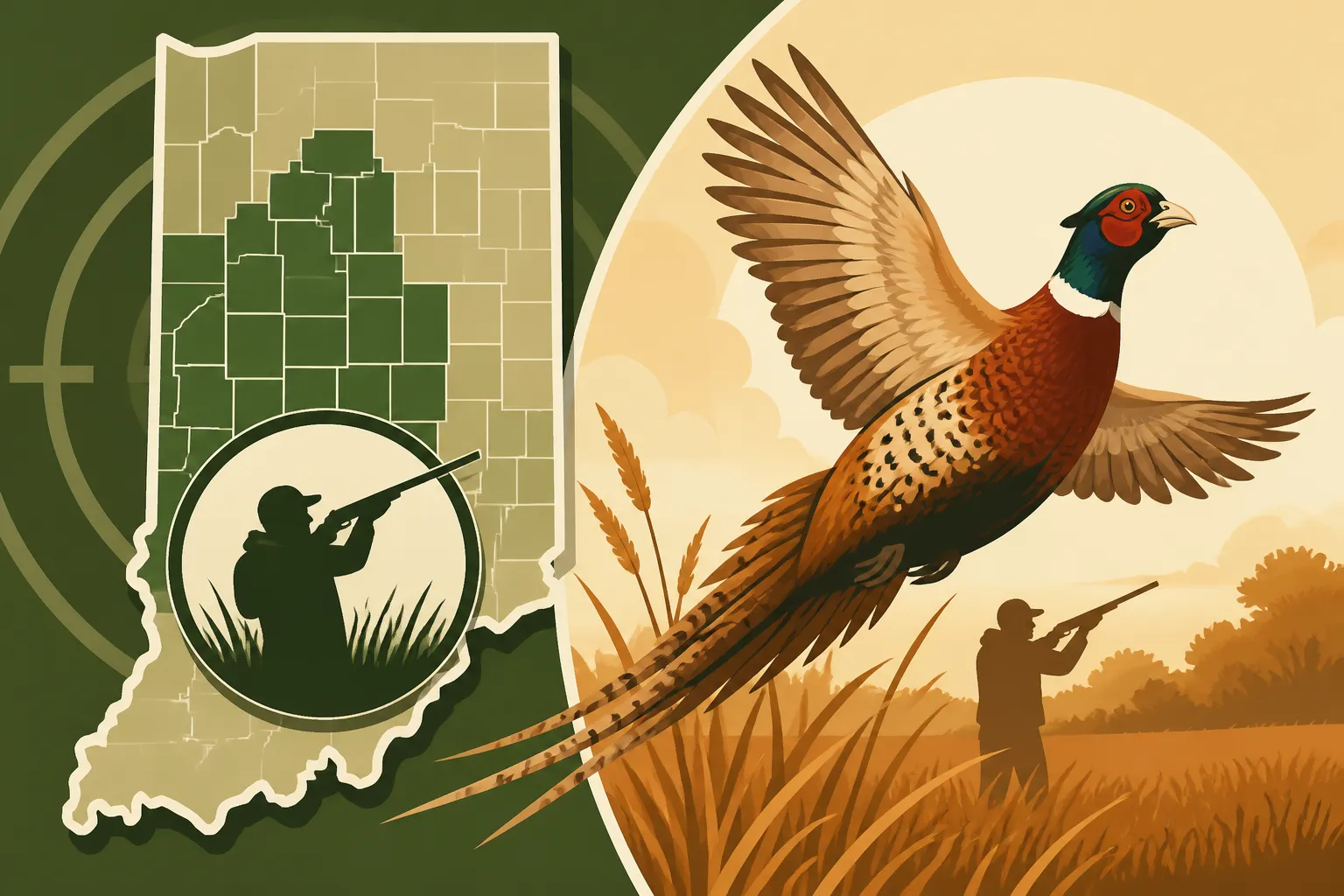
You'll find your most consistent public land pheasant hunting opportunities in counties like Newton, Pulaski, Kosciusko, Noble, and Whitley. These counties are home to some of Indiana's largest and most actively managed Fish and Wildlife Areas (FWAs) that specifically cater to upland game hunters.
- Willow Slough FWA (Newton County): Located in the far northwest, Willow Slough is practically synonymous with pheasant hunting for many Indiana sportsmen. It's a massive property with extensive grassland, marsh, and woodland habitat. It consistently receives a significant number of stocked birds. Hunters often find good success working the edges of thick cover, especially where grasslands meet wetter areas or brushy draws. Willow Slough FWA Pheasant Hunting is a well-known opportunity.
- Tri-County FWA (Kosciusko, Noble, Whitley Counties): Spanning three counties, Tri-County FWA is another premier destination. It features diverse landscapes including shallow lakes, marshes, and upland fields managed for wildlife. Like Willow Slough, it's a key site for pheasant stocking. The sheer size of this FWA means you can often find areas with less pressure if you're willing to walk a bit further.
- Winamac FWA (Pulaski County): Further south in northern Indiana, Winamac FWA is another staple for stocked pheasant hunting. It's a large FWA known for its mix of oak-hickory woodlands, pine plantations, and extensive open grasslands and marshes. The diverse cover often holds birds well, providing challenging but rewarding hunts.
While these FWAs are prime locations, always check the individual property rules and stocking schedules with the DNR, as opportunities and regulations can vary.
West Central Indiana: Patchy but Possible
Moving into west-central Indiana, the landscape begins to change, often with larger agricultural operations and fewer expansive public lands specifically managed for pheasants. Counties like Benton, Warren, and Fountain might occasionally have very small, isolated pockets of wild birds, but these are truly rare finds and often dependent on specific private land conservation efforts. For public land hunting here, opportunities are far more limited and almost exclusively tied to stocked birds on smaller FWAs or specific properties that may have seasonal releases.
Success in these areas demands meticulous scouting. You'll need to use satellite imagery (GoHunt is excellent for this) to identify those precious remnants of fencerows, overgrown ditches, and small, un-farmed parcels that might hold a pheasant or two. Often, these birds are much wilder than those on heavily stocked areas, providing a more challenging experience if you're lucky enough to find them. Don't expect numbers, but a single wild flush from an unexpected ditch can be one of the most memorable moments of the season.
Southern Indiana: Limited but Unique Opportunities
Let's be upfront: Southern Indiana is not traditional pheasant country. The landscape shifts dramatically to rolling hills, extensive forests, and different agricultural practices, none of which naturally favor ring-necked pheasants. The primary upland game in this region is quail and rabbits, along with an abundance of deer and turkey.
However, that doesn't mean there are zero opportunities. Some of the larger Fish and Wildlife Areas in Southern Indiana, particularly those with significant reclaimed land or former agricultural tracts, may occasionally participate in smaller-scale stocking programs. These are typically special, managed hunts or quota-based opportunities, so they require advance planning and checking the DNR schedule. For example, properties like Atterbury FWA (which straddles Johnson and Brown counties) may offer limited pheasant hunting, but it's not a consistent, open-access opportunity like those in the north. If you live in Southern Indiana and want to hunt pheasants, be prepared to travel north or look very closely for these highly specific, often short-lived, local chances.
Maximizing Your Pheasant Hunting Success
Finding the right county and property is just the first step. To truly put some pheasants in the bag, you need to combine good scouting, effective tactics, and a thorough understanding of the rules.
Scouting and Research Beyond the Map
While mapping tools are invaluable for narrowing down your search, there's no substitute for boots on the ground. Preseason scouting is absolutely critical, especially on public land. Take the time to walk potential pheasant cover during the off-season. Look for signs of bird activity: dusting bowls, feather piles, or even droppings. Pay attention to how the cover lays, noting escape routes and dense areas where birds might hold tight. Think about how you would hunt that particular piece of ground.
Beyond just walking, use your mapping apps like GoHunt to its fullest potential. Identify thick thermal cover that birds would use on cold days, brushy fencerows for quick escape, or the edges of standing crops where birds might feed and then retreat to cover. These visual cues, when combined with actual physical reconnaissance, can drastically improve your chances. Scouting Indiana Public Land Before Season is not just for deer; it's vital for pheasants too. You might even adapt techniques like Reading Aerial Photos for Southern Indiana Deer to identify prime pheasant habitat features in more open, agricultural landscapes.
Dog Work and Hunter Tactics
A good bird dog is undeniably the biggest asset a pheasant hunter can have. Whether it's a flushing dog that methodically works cover, or a pointing dog that locks up on a scent, a canine companion vastly increases your chances of finding birds and, more importantly, retrieving downed ones. Pheasants are notorious for running, and a dog's nose can follow scent trails that human eyes would never detect.
If you don't have a dog, pheasant hunting becomes a group effort. The key is to walk slowly and deliberately, often in a line, pushing birds towards the end of a field or into an ambush point. Drive pheasants towards a known escape cover, like a fencerow or a creek bottom, where blockers can be positioned. Focus on working dense cover thoroughly. Birds will often hold incredibly tight, especially in cattails, switchgrass, or thick brush. Don't be afraid to kick every clump. Safety is paramount when hunting in a group; maintain a clear line and always be aware of where other hunters are located to ensure safe shooting lanes. Remember, Running Pointing Dogs on Indiana Pheasants is a classic approach, but any methodical push through Pheasant Hunting Indiana Grassland can be effective with or without a dog.
Permits, Regulations, and Blaze Orange
Indiana's pheasant hunting regulations are straightforward, but critical to follow. For any stocked pheasant hunt on a Fish and Wildlife Area, you will need a special pheasant permit in addition to your regular hunting license. These permits are usually purchased through the Go Outdoors Indiana system. It's essential to check the DNR website or the specific FWA's page for the most current rules, season dates, and any special draw requirements, as these can change year to year.
Blaze orange is also a non-negotiable requirement for pheasant hunting. During deer firearms seasons, and often on stocked FWA hunts, specific amounts of visible orange are mandatory for safety. Always double-check the current regulations for Indiana Blaze Orange Requirements to ensure you're in compliance. This isn't just a rule; it's about protecting yourself and others in the field, especially when birds might flush unexpectedly. Make sure you understand Indiana Pheasant Permit Requirement before heading out.
Resources for Finding Current Pheasant Opportunities
Staying updated on the latest information is crucial for any hunter, and especially for chasing pheasants in Indiana. Conditions and opportunities can change, so knowing where to look for reliable data is a game-changer.
The Indiana DNR and Go Outdoors Indiana
Your absolute first stop for any and all hunting information in Indiana should be the official Indiana Department of Natural Resources (DNR) website. This is where you'll find the most current regulations, season dates, bag limits, and detailed information about specific Fish and Wildlife Areas. The DNR publishes an annual hunting and trapping guide that covers everything you need to know.
Furthermore, the Go Outdoors Indiana portal is your hub for purchasing all necessary licenses and permits, including the specific pheasant permit required for stocked hunts. Many FWAs also post their specific hunting regulations, maps, and sometimes even stocking schedules directly on their individual FWA pages within the DNR website. It's a good habit to check these pages before every hunt, as some properties have unique rules, designated hunting zones, or even mandatory check-in/check-out procedures. This ensures you're always hunting legally and know what to expect.
Utilizing Online Mapping Tools for Habitat
We've touched on this before, but it bears repeating: modern online mapping tools are indispensable for pheasant hunters. While the DNR provides basic maps, platforms like GoHunt offer incredibly detailed satellite imagery, topographic overlays, and critical public/private land boundary information.
You can use GoHunt to meticulously scout from your couch, identifying potential pheasant habitat that might be difficult to spot otherwise. Look for:
- Edge Cover: Where agricultural fields meet dense brush, fencerows, or small woodlots.
- Grasslands: Areas marked as CRP, native warm-season grasses, or even large, un-mowed fields.
- Wetlands and Swamps: Cattail marshes and wet areas provide excellent thermal and escape cover, especially later in the season.
- Fallow Fields: Old fields that have gone to seed and brush.
The ability to see property lines (onX Layers for Indiana Land Status offers similar functionality) is also crucial, especially if you're trying to hunt small, isolated public parcels surrounded by private land. This helps you understand access points and avoid accidental trespassing. Combining this high-tech scouting with your physical scouting will put you miles ahead of simply showing up on opening day.
Local Knowledge and Hunter Networks
While online resources are fantastic, don't underestimate the power of local knowledge and connecting with other hunters. Joining local conservation chapters, such as Pheasants Forever or Quail Forever, can be a great way to meet like-minded individuals, learn about local habitat projects, and sometimes even get tips on where birds are being seen. These organizations often work directly on habitat improvement projects in specific areas, which can indirectly lead to better hunting.
Remember, however, that prime pheasant spots, especially for wild birds, are often closely guarded secrets. Building trust and sharing experiences respectfully is key. Even if you don't get specific coordinates, understanding general movement patterns, local challenges, or what works in a particular area can be incredibly valuable. The camaraderie of the hunt, sharing stories and learning from experienced individuals, is part of what makes our sport so special.
Disclaimer
This article is for general informational purposes only and does not constitute professional advice. Laws, prices and regulations vary by location and change over time. Consult a qualified professional for guidance on your specific situation.