Willow Slough FWA Pheasant Hunting
For many Indiana hunters, the dream of chasing wild pheasants across vast, open fields feels like a distant memory, if it was ever a reality at all. The truth is, wild pheasant populations in much of Indiana are simply not what they once were, leaving many folks feeling frustrated about where to find a good hunt. This guide is dedicated to breaking down everything you need to know about pheasant hunting at Willow Slough Fish and Wildlife Area (FWA), a key destination that provides fantastic opportunities through its dedicated stocking program, helping you prepare for a successful and enjoyable experience.
Understanding Willow Slough FWA's Pheasant Program
Let's be honest, trying to find wild pheasants in Indiana can be a bit like searching for a needle in a haystack for most hunters. Habitat loss over decades has dramatically reduced the widespread, huntable populations that some of our grandparents might remember. That's where places like Willow Slough Fish and Wildlife Area come into play. These FWAs are absolutely essential because they step in to provide pheasant hunting opportunities through strategic stocking programs, ensuring that hunters still have a place to pursue these iconic upland birds. It's a managed system, and understanding how it works is your first step to success.
The Role of Stocking in Indiana Pheasant Hunting
Willow Slough is one of a handful of Indiana Fish and Wildlife Areas that actively stock pheasants to create hunting opportunities. This isn't about chasing truly wild birds that have survived the winter; it's about hunting birds that have been raised and released specifically for the season. This crucial distinction impacts how you approach your hunt, from scouting to tactics. Without these stocking efforts, pheasant hunting would be incredibly limited in many parts of the state. These programs provide a vital recreational outlet and a chance to experience upland hunting that might otherwise be unavailable.
The DNR manages these stocking sites meticulously, often releasing birds just before or during the hunting season. This means the birds are typically in good condition, but they haven't had weeks or months to acclimate to the wild. They might behave differently than truly wild pheasants, often preferring to run rather than hold tight, especially after a day or two of hunting pressure. Knowing this helps set realistic expectations and informs your strategy. It’s a different kind of challenge, but a rewarding one nonetheless.
Permit Requirements and Draw Procedures
Hunting pheasants at Willow Slough FWA isn't a walk-up affair. Due to the popularity and the managed nature of the stocking program, there's typically a permit system in place. Hunters need to apply for specific hunt dates and areas, often through a drawing. This process is designed to manage hunter numbers, reduce crowding, and ensure a quality experience for those drawn. It can be a little bit of a hoop to jump through, but it's totally worth it for the opportunity.
The draw details, including application periods, specific dates, and the cost of permits, will vary from year to year. You'll definitely want to check the official Indiana DNR website or the specific Willow Slough FWA regulations well in advance of the season. Don't wait until the last minute, as application windows can close quickly. Usually, if you're drawn, you'll receive a specific hunt unit assignment and a designated time for check-in on your assigned day. This structured approach helps ensure everyone has a fair shot and enough space to hunt effectively.
Tactics for Hunting Willow Slough Pheasants
Pheasant hunting at a stocked FWA like Willow Slough demands a slightly different approach than chasing elusive wild birds in states known for strong natural populations. While the thrill of a flushing pheasant is universal, how you go about finding and shooting them here often involves understanding the terrain, how birds behave post-release, and the presence of other hunters. It’s all about working the cover intelligently and being ready for fast action.
Working the Cover: From Grass Fields to Fencerows
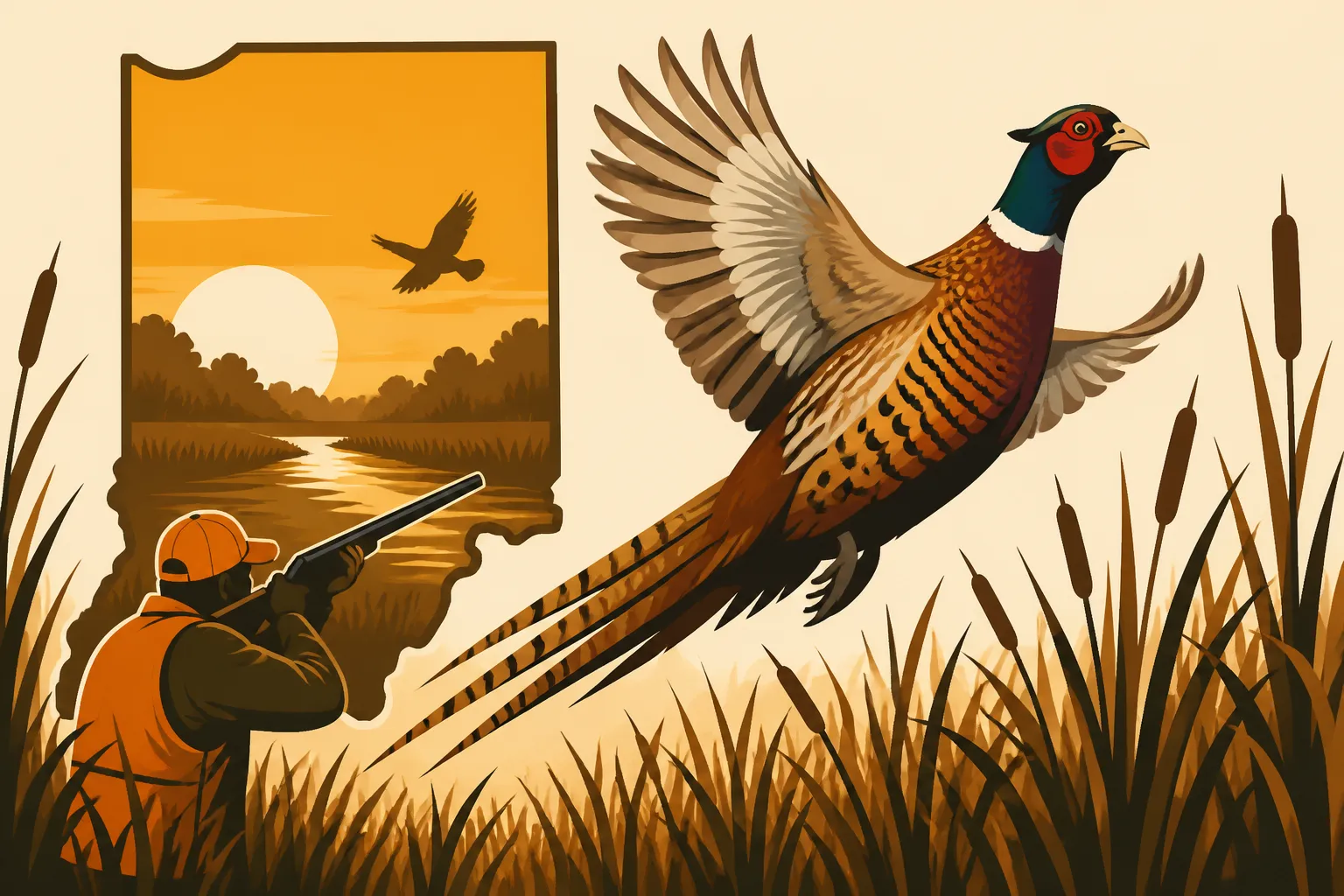
Willow Slough FWA offers a variety of habitat types that pheasants will utilize, though they tend to concentrate in certain areas, especially after stocking. You’ll find extensive fields of switchgrass, dense cattail marshes, and brushy fencerows. The key is to systematically work these areas. Stocked birds might not hold as tight as wild birds, especially once they've been bumped a few times. They often prefer to run through thick cover, so knowing how to push them out or set up blocking positions is crucial. Think of it like a mini-deer drive, but for birds!
When tackling a large block of cover, it's often more effective to have a line of hunters walking slowly, spaced appropriately to cover the width of the field. This helps push birds forward rather than letting them slip out the sides. Pay close attention to the edges of fields, where thick cover meets open ground, and especially any areas with standing corn or sorghum that provides both food and concealment. These transitional zones are often hot spots. If you're hunting without a dog, focus on areas with very dense cover where a bird might feel more secure holding tight, or areas that funnel birds into a smaller space. For more on this, check out Pheasant Hunting Indiana Grassland.
Hunting With and Without a Dog
A good bird dog is undeniably an asset when pheasant hunting at Willow Slough. A well-trained flushing dog can cover ground efficiently, pinpoint birds holding tight, and most importantly, retrieve downed birds from thick cover. Nothing is more heartbreaking than knocking down a pheasant in heavy reeds only to lose it. A dog’s nose and persistence can make all the difference, turning a good hunt into a great one. The energy and excitement a dog brings to the field is also infectious, adding another layer of enjoyment to the experience.
However, many successful pheasant hunts at Willow Slough happen without a dog. If you’re hunting sans canine, you'll need to adjust your tactics. Focus on smaller, manageable blocks of cover that you can thoroughly work. Use strategy to corner birds or push them towards a pre-determined opening. Walking slowly, pausing occasionally, and stomping your feet can sometimes make a bird flush that might otherwise try to run past you. When hunting with a partner or two, strategize your pushes: one or two hunters can push a cover strip while another stands ready at the far end to intercept running or flushing birds. Communication is key, especially when you're covering dense ground.
Preparing for Your Hunt: Gear and Scouting
Hitting the fields at Willow Slough FWA without proper preparation is a recipe for frustration. This isn't just about grabbing your shotgun; it's about understanding the specific rules, having the right equipment for the terrain and weather, and doing your homework before you ever step foot on the property. A little planning goes a long way in ensuring a safe and successful day.
Licenses, Permits, and Regulations
First and foremost, you need to be legally ready. This means having your current Indiana hunting license and any specific pheasant hunting permits required for Willow Slough FWA. As mentioned, these often come through a draw system, so confirm your permit and its associated hunt unit. Always double-check the current Indiana hunting regulations for pheasant season dates, shooting hours, bag limits, and any specific FWA rules that might apply. For instance, there might be regulations regarding the number of shells you can carry, or specific check-in/check-out procedures. It's also important to be aware of Indiana Blaze Orange Requirements for safety, as public land, especially during a managed hunt, often means you'll encounter other hunters.
| Item | Description | Importance |
|---|---|---|
| Indiana Hunting License | Required for all hunting activities. | Legal requirement |
| Willow Slough FWA Permit | Specific permit obtained via draw for pheasant hunting. | Required for access to managed hunt |
| Blaze Orange Clothing | Vest, hat, or jacket meeting minimum square inch requirements. | Safety, highly visible to other hunters |
| Valid Photo ID | For check-in at FWA property office. | Verifies identity for permit access |
| Shotgun | 12 or 20 gauge with appropriate choke (e.g., Modified or Improved Cylinder). | Essential for harvesting birds |
| Ammunition | Lead-free shot (steel, bismuth) may be required on some public lands. Shot size 4, 5, or 6. | Legal compliance, effective for pheasants, safe |
| Cooler with Ice | For preserving your birds after the hunt. | Meat care |
| Water | Hydration for you and your dog. | Essential for endurance and safety |
| Snacks | Energy for a long day in the field. | Personal comfort and endurance |
| Waterproof Boots | For walking through wet grass, dew, or marshy areas. | Comfort, dryness, traction |
| Layered Clothing | Adaptable to changing weather conditions. | Comfort, temperature regulation |
| Mapping App | onX Hunt, GoHunt, or DNR maps for navigation and unit identification. | Navigation, understanding boundaries, scouting |
Essential Gear and Pre-Season Scouting
Your gear list should be practical and designed for walking miles through potentially dense, wet cover. Sturdy, waterproof boots are non-negotiable – wet feet will ruin a hunt faster than anything else. Layered clothing is also key, as temperatures can change dramatically throughout the day, especially in the fall. A good upland vest with plenty of pockets for shells, water, and any downed birds is incredibly helpful. For your firearm, a 12-gauge or 20-gauge shotgun with a modified or improved cylinder choke is typically ideal for pheasants. Make sure you're using appropriate shot sizes, like 4, 5, or 6. Remember to check if non-toxic shot is required at Willow Slough, as many public lands have this rule.
Pre-season scouting, even if it's just digital, is a game-changer. Utilize mapping applications like onX Hunt or GoHunt to familiarize yourself with the specific hunt unit you're assigned. Look for areas of dense cover, edge habitat, and potential travel corridors where birds might move. Identify access points, parking areas, and any natural funnels or pinch points. While you can't scout for individual birds before they're released, understanding the lay of the land will give you a significant advantage. This digital legwork saves precious hunting time and helps you hit the ground running on your assigned day. For a deeper dive into map-based scouting, consider Reading Aerial Photos for Southern Indiana Deer, as many principles apply to all game.
Navigating the Specific Challenges of FWA Hunting
Hunting at a managed Fish and Wildlife Area, especially for stocked pheasants, presents its own unique set of circumstances that differ from hunting on private land or for truly wild game. While it offers fantastic opportunities, it also means you'll likely encounter other hunters and birds that behave a bit differently than what you might read about in classic pheasant hunting tales. Understanding and preparing for these nuances will lead to a much more enjoyable and successful experience.
Managing Hunter Pressure and Expectations
Let's be real: Willow Slough FWA is a popular spot, and you're rarely going to have the whole place to yourself. Expect to see other hunters, especially on peak days or opening weekend for the managed hunts. This is just part of the experience on public land, and particularly at FWAs that provide such sought-after opportunities. This hunter pressure means the birds will often be warier and more prone to running. They're not going to be sitting around waiting for you to walk up! Hunting Pressure on Indiana Public Land is a reality we all face, and it requires a positive attitude and flexibility.
Managing your expectations is crucial. While it's certainly possible to bag your limit, it's not guaranteed. The true reward often lies in the exercise, the camaraderie with hunting partners (or a good dog!), and the thrill of the flush itself. Focus on the experience, the beauty of the Indiana landscape, and the challenge of the hunt. Be courteous to other hunters, give them space, and be understanding if paths cross. A little sportsmanship goes a long way in making everyone's day better.
Adaptability and Ethical Considerations
The conditions at Willow Slough can change quickly, from morning dew to afternoon sun, or from calm to windy. You need to be adaptable. If one section of cover isn't producing, don't be afraid to move to another. If birds are running instead of flying, adjust your approach to try and get ahead of them or push them towards a waiting blocker. The stocked birds might not hold a scent as well for dogs, or they might flush wildly. Being flexible with your tactics is absolutely essential.
Ethical considerations are also paramount. Always ensure you have a safe shot, knowing where your hunting partners and other individuals are located. Never shoot at low-flying birds or birds too close to the ground, as this increases the risk of injuring another hunter or a dog. After a bird is flushed and shot, make every effort to quickly retrieve it. Stocked pheasants are a valuable resource, and wasting game is not only unethical but also goes against the spirit of hunting. Participate in the Indiana Deer Reporting Requirements if it applies, and always ensure you understand all rules for reporting game. The goal is a clean, ethical harvest and a respectful experience for all.
Disclaimer
This article is for general informational purposes only and does not constitute professional advice. Laws, prices and regulations vary by location and change over time. Consult a qualified professional for guidance on your specific situation.