Deer Creek FWA Deer Quota Hunts
Finding a prime spot to deer hunt on public land in Indiana can feel like trying to find a needle in a haystack, especially when you’re looking for a less pressured experience than your typical open-access woods. Many hunters get frustrated by crowded state forests or wildlife areas, leading them to believe that quality hunting on public ground is a pipe dream. This guide is here to shed light on a fantastic, often overlooked opportunity: the deer quota hunts at Deer Creek Fish and Wildlife Area (FWA), helping you understand how to apply, prepare, and potentially succeed on one of these coveted hunts.
What Are Deer Creek FWA Deer Quota Hunts, Anyway?
Let's be honest, the term "quota hunt" can sound a bit bureaucratic and intimidating, like something conjured up in an office rather than out in the woods. But don't let the name fool you. At its heart, a deer quota hunt at a place like Deer Creek FWA is simply a managed hunting opportunity designed to control deer populations within a specific area while also managing hunter pressure. Unlike open-access public lands where anyone with a license can show up, these hunts limit the number of hunters allowed in during specific time frames, often resulting in a higher-quality experience and better deer management outcomes.
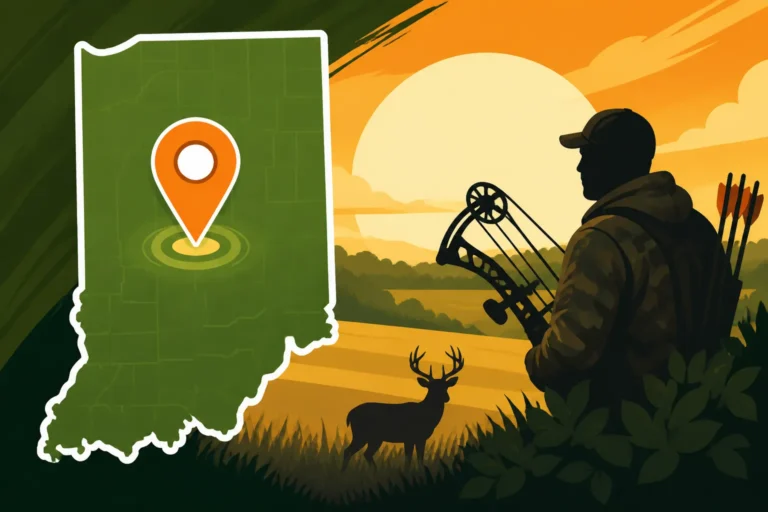
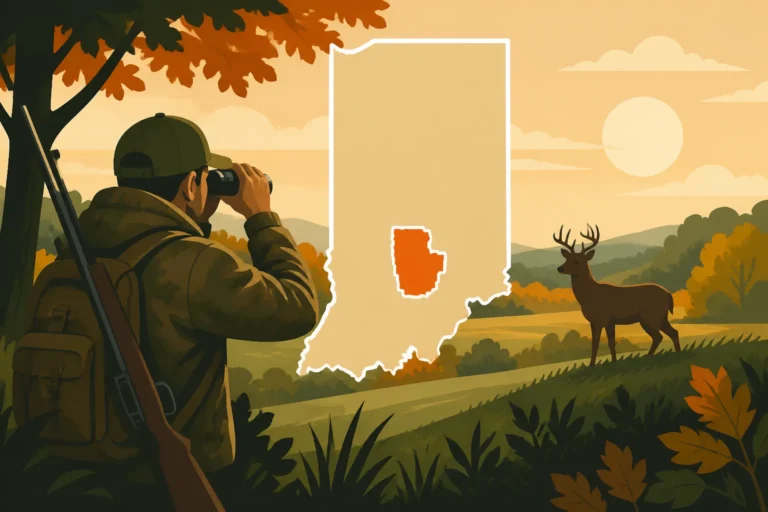
Deer Creek Fish and Wildlife Area is located in west-central Indiana, primarily in Putnam and Montgomery counties. It’s a mix of different habitats, including managed timber, agricultural fields (corn, soybeans), brushy fencerows, and some wetlands along Deer Creek itself. This diverse landscape makes it ideal for deer, offering both abundant food sources and thick cover. The DNR uses quota hunts here to ensure that the deer herd stays healthy, the habitat isn't overbrowsed, and hunters have a fair shot without feeling like they're competing with a small army every time they step into the woods. It's a win-win, but you have to know how to get your foot in the door.
Quota hunts typically run during the various deer seasons – archery, firearms, and muzzleloader – and each hunt period will have a set number of available spots. These aren't just for antlerless deer; depending on the specific hunt period, you might be eligible for an antlered buck as well. The idea is to create a controlled environment where the hunting pressure is predictable, and the deer have a chance to behave more naturally than they would on a heavily trafficked piece of public ground. If you've ever felt like you're constantly bumping into other hunters or their stands, a quota hunt might be the refreshing change you're looking for.
Navigating the Application Process for Deer Creek FWA
Applying for one of these deer quota hunts can feel a bit like trying to solve a puzzle, especially if you're new to the system. It's not as simple as just buying a tag; there's a specific window, an online portal, and a bit of luck involved. The key is to be prepared and understand the steps, so you don't miss out on what could be a fantastic hunting opportunity.
Understanding the Application Window and Deadlines
The application period for most Indiana quota hunts, including those at Deer Creek FWA, typically opens in the late summer, usually around August. This window then generally closes in mid-September. Missing this deadline means you're out of luck for the entire season, which can be incredibly frustrating if you've been planning on it. My advice? Mark your calendar well in advance, even setting a reminder on your phone. Better yet, sign up for email notifications from the Indiana Department of Natural Resources (DNR) so you get a direct alert when the application period opens. It’s usually a short window, and you don’t want to be scrambling at the last minute.
When you apply, you’ll usually select a specific hunt period, often separated by weapon type (archery, firearms, muzzleloader) and date ranges. Some areas might even have specific antlerless-only hunts or youth hunts, so read the details carefully. You'll apply through the official Indiana DNR licensing system, which is part of the Go Outdoors Indiana portal. If you've ever bought a general hunting license online, you're already familiar with the platform. Remember, you generally apply as an individual or sometimes as a party of two, which can be great if you have a hunting buddy you want to share the experience with.
The Go Outdoors Indiana Portal: Your Gateway
The official portal for applying is Go Outdoors Indiana. It’s where you purchase your annual hunting and fishing licenses, and it’s also where you’ll find the application system for all special drawings, including quota hunts. When the application period is open, you’ll typically find a clear link for "Reserved Hunts" or "Quota Hunts." You'll need an active Indiana hunting license to apply, so make sure that's taken care of first. You can learn more about Buying a License on Go Outdoors Indiana.
The application process is usually pretty straightforward:
- Log into your Go Outdoors Indiana account.
- Navigate to the "Reserved Hunts" or "Quota Hunts" section.
- Find Deer Creek FWA in the list of available hunts.
- Select your preferred hunt period (date range and weapon type).
- Confirm your application and pay any small, non-refundable application fee.
It sounds simple, but double-check everything before you submit. Make sure you’ve selected the correct FWA and the dates that work for you. There's nothing worse than getting drawn for a hunt you can't attend because you accidentally clicked the wrong box. After you apply, it's a waiting game. The drawing typically happens shortly after the application deadline, and results are usually posted online, often with an email notification if you've provided one.
Understanding Draw Odds and Permit Types
Let’s be realistic: getting drawn for a quota hunt, especially at a popular FWA like Deer Creek, isn't a guarantee. The number of applications often far exceeds the available spots, making it a true lottery. Your odds depend on several factors: the popularity of the FWA, the specific hunt dates, and the number of available permits for that period. Some hunt periods, particularly during the peak rut or opening weekend of firearms season, will be much harder to draw than others.
Quota hunts at Deer Creek FWA often allow for specific types of deer to be harvested. For example, some hunts might be "any deer," allowing you to take an antlered buck or an antlerless deer. Other periods might be "antlerless only," designed specifically to help manage the doe population. It's critical to know what type of permit you're applying for and what you're allowed to harvest if successful. These details will be clearly outlined in the hunt description on the Go Outdoors Indiana portal. Always review the Indiana Deer Season Structure Explained to understand how these special hunts fit into the broader regulatory framework. Being aware of the specific regulations for the hunt you draw can prevent disappointment or, worse, a violation.
Preparing for Your Deer Creek FWA Hunt: Beyond the Draw
Getting drawn for a Deer Creek FWA quota hunt is just the first step. The real work begins after you receive that coveted email notification. Preparation is paramount, and it goes far beyond just packing your gear. You need to understand the area, the deer behavior, and how other hunters might influence your experience.
Pre-Season Scouting and Map Research
Even though Deer Creek FWA is a managed area, pre-season scouting is absolutely essential. Since physical scouting might be limited before your hunt dates, virtual scouting becomes your best friend. Fire up your onX Hunt app or your GoHunt mapping tools. These platforms offer incredible detail, allowing you to pore over aerial imagery, topo maps, and land ownership overlays. Look for key features:
- Edge Habitat: Where fields meet timber, or different timber types merge. Deer love edges for security and travel.
- Funnels: Pinch points created by terrain, thick cover, or bodies of water that concentrate deer movement. Think about where deer might cross a creek or move between two woodlots. Hunting a Funnel Between Two Woodlots is a great resource here.
- Food Sources: Identify agricultural fields, oak groves for acorns, or other browse areas. Deer will always be near food.
- Bedding Areas: Look for dense cover, thickets, or south-facing slopes that offer shelter. These are often adjacent to food sources.
- Access Points and Pressure: Note the parking areas and main trails. While quota hunts limit hunters, understanding general access points can help you find less pressured pockets.
I spend hours on these apps, marking potential stand locations, identifying travel corridors, and mapping out my entry and exit routes. It's like building a puzzle piece by piece. Combining aerial photos with topographic lines can reveal subtle elevation changes, saddles, and benches that deer frequently use. This kind of detailed virtual scouting is invaluable, especially when you're hunting unfamiliar territory. You can learn more about general scouting techniques in Scouting Indiana Public Land Before Season and specific approaches in Reading Aerial Photos for Southern Indiana Deer. Even though Deer Creek FWA isn't in Southern Indiana, the principles of map reading for deer movement are universal.
Understanding Deer Creek FWA's Unique Habitat
Deer Creek FWA, as mentioned, is a mosaic of different habitats. This diversity means deer behavior can vary widely across the property. You might encounter deer that are accustomed to feeding in open agricultural fields at dawn and dusk, or you might find them sticking tight to dense timber blocks during daylight hours, especially if they've experienced pressure.
- Timber Blocks: Look for mature hardwoods, particularly oak, which provide crucial mast crops. These areas are excellent for finding rub lines and scrape lines.
- Brushy Areas/Thickets: These provide excellent bedding and security cover. Deer will often bed down in the thickest stuff they can find, especially during hunting season. Consider focusing your efforts on the edges of these areas, or if you're feeling adventurous, slipping into them cautiously.
- Agricultural Fields: Corn and soybean fields are major food sources. During early season hunts, standing corn provides incredible cover. Later in the season, after harvest, the waste grain is a huge draw for deer, though they might become more nocturnal in open fields. Don't forget to consider Late-Season Food Sources for Indiana Whitetails if your hunt falls in December.
- Creek Bottoms and Drainages: Deer often use these as travel corridors, especially during the rut. They provide natural cover and relatively easy travel through otherwise dense woods.
The key is to use your mapping tools to identify these habitat types and then formulate a plan based on the time of year and anticipated deer behavior. Think about the wind direction and thermals, especially in creek bottoms or areas with elevation changes. Always consider how your approach will affect deer movement – you want to get to your stand undetected.
General Tactics for Pressured Public Land Deer
Even with limited hunter numbers, deer on an FWA quota hunt are still public land deer; they're generally warier and more accustomed to human activity than deer on private, unpressured ground. This means your tactics need to be sharp and adaptable.
- Go Deeper or Go Smarter: Don't just hunt the fringes near parking lots. Many hunters still tend to stick close to easy access. Use your maps to identify areas that are a mile or more from a road. If you're physically able, putting in the miles can often get you into less disturbed pockets. Alternatively, if deeper isn't an option, find smart ways to hunt closer-in areas that others overlook, like small, dense thickets or odd corners.
- Hunt the Wind Religiously: This is non-negotiable. Deer rely heavily on their sense of smell. Always know the wind direction and plan your approach and stand location accordingly. A bad wind can ruin your hunt before it even starts.
- Patience and Persistence: Quota hunts are often short (a few days). You might not see a ton of deer, but the one you do see could be the one you're looking for. Sit longer, stay focused, and be patient. Early morning and late afternoon are prime times, but don't discount midday movement, especially during the rut.
- Minimize Scent: Use scent-eliminating sprays, wash your hunting clothes in scent-free detergent, and store them properly. Everything counts when deer are wary.
- Adapt to Conditions: Weather changes, pressure changes, and deer movement changes. Be prepared to adapt your strategy. If it's windy, hunt a sheltered leeward side of a ridge. If it's raining, deer movement might be slow, but it's also a great time to move quietly.
Remember, the deer at Deer Creek FWA are wild animals, and they'll react to pressure. Your ability to anticipate their movements and remain undetected will be crucial for success. For additional insights on hunting in areas with higher hunter numbers, check out Hunting Pressure on Indiana Public Land.
Rules and Regulations Specific to Deer Creek FWA Quota Hunts
Beyond the standard statewide hunting regulations, every Fish and Wildlife Area (FWA) has its own set of rules, and quota hunts often come with even more specific guidelines. It’s absolutely critical to familiarize yourself with these to ensure a safe, legal, and enjoyable hunt. Ignorance of the rules is never an excuse, and a violation can mean losing your hunting privileges or facing hefty fines.
FWA Sign-In and Check-Out Procedures
One of the most important rules for most Indiana FWAs, including Deer Creek, is the mandatory check-in and check-out process. This isn't just a suggestion; it's a legal requirement.
- Sign-In: Before you enter the hunting area, you must sign in at a designated self-service station (usually a small kiosk with forms) or digitally via the Go Outdoors Indiana mobile app. This registers your presence on the property for that day.
- Carry Your Permit: Always have your drawn quota hunt permit with you. This, along with your valid hunting license and harvest information program (HIP) certification if hunting migratory birds, is your proof of legal access.
- Check-Out: Just as important as signing in, you must check out when you leave the property for the day. This usually involves dropping off a filled-out form or completing the process on the app. This data helps the DNR manage hunter numbers and gather harvest information. Even if you don't harvest anything, you still need to check out.
Failure to properly check in or out can be considered trespassing or a hunting violation, so make it a habit. This is part of the Indiana Property Access Permit Requirement that applies to many managed public lands.
Blaze Orange and Other Safety Requirements
Safety is always paramount, especially on public land. During any firearms deer season, including applicable quota hunt periods, Indiana law requires hunters to wear hunter orange. Specifically, you need at least 500 square inches of hunter orange (or hunter pink) visible from all directions. This typically means wearing an outer garment like a vest or jacket. This rule is designed to make you visible to other hunters and significantly reduce the risk of accidents.
- Archery Season Nuances: During the statewide archery season, hunter orange is not required unless you are also hunting in a county where a firearms season (like fall turkey firearms) is open concurrently. However, for many FWA quota hunts, especially during crossover periods or even during dedicated archery hunts, the FWA itself might require hunter orange as a safety measure due to the presence of staff or other activities. Always check the specific Deer Creek FWA quota hunt rules on your permit or the DNR website for that season. When in doubt, wear orange. It’s better to be safe than sorry. For a full breakdown of requirements, see Indiana Blaze Orange Requirements.
- Tree Stand Safety: If you plan to hunt from a tree stand, a fall arrest system (safety harness) is not just recommended, it's a non-negotiable piece of gear. Many FWAs also have specific rules regarding tree stands, such as how long they can be left up, if screws or nails are allowed, and whether they need to be marked with your ID. At Deer Creek FWA, it's typically "portable stands only," and they cannot be left overnight for extended periods. Check Treestand Rules on Indiana Public Land for general guidance.
Weapon Restrictions and Bag Limits
The specific weapon type you can use during your Deer Creek FWA quota hunt will be clearly outlined on your permit and in the hunt details.
- Archery Hunts: These are typically restricted to vertical bows and crossbows.
- Firearms Hunts: These usually allow shotguns, muzzleloaders, and certain legal rifles (which, thanks to recent legislative changes, now include many centerfire rifle cartridges). Make sure your firearm and ammunition comply with all current Indiana regulations.
- Muzzleloader Hunts: Restricted to muzzleloading firearms.
Bag Limits are also very specific for quota hunts. Your permit will state exactly what you are allowed to harvest. This might be:
- One antlered deer: If specified, and often counts against your statewide antlered bag limit.
- One or more antlerless deer: This is very common in quota hunts, as population control is a primary goal. Antlerless tags from a quota hunt are typically in addition to your statewide antlerless bag limits, making them a great opportunity to fill your freezer.
Always double-check your permit for the exact bag limit. After harvesting a deer, you must immediately tag it with your valid deer tag and report it to the Indiana DNR through the online system or mobile app within 48 hours. This is a critical step in Indiana Deer Reporting Requirements.
A Quick Glance at Deer Creek FWA Quota Hunt Essentials
Here's a handy table to summarize some key aspects of Deer Creek FWA quota hunts. Remember to always consult the current DNR regulations and your specific hunt permit for the most up-to-date information.
| Feature | Description | Important Note |
|---|---|---|
| Location | West-central Indiana (Putnam & Montgomery counties) | Diverse habitat: timber, agriculture, wetlands. |
| Application Period | Typically late August to mid-September | Mark your calendar! Apply via Go Outdoors Indiana. |
| Permit Type | Drawn via lottery; specific dates & weapon types | Usually includes antlerless, sometimes antlered deer. Check your specific permit. |
| Check-In/Out | Mandatory daily sign-in and check-out at kiosks or via Go Outdoors app | Essential for legal access and data collection. |
| Blaze Orange | Mandatory during firearms seasons, often required for archery too on FWAs | At least 500 sq inches visible 360 degrees. Always check FWA-specific rules. |
| Tree Stands/Blinds | Portable stands only; no permanent structures. Cannot usually be left overnight. | Must be removed daily or as specified. Check FWA rules for marking/ID requirements. |
| Weapon Types | Specified by hunt period (Archery, Firearms, Muzzleloader) | Ensure your chosen weapon meets current Indiana regulations. |
| Bag Limits | Clearly stated on permit; often 1 antlerless + possibility of antlered. | In addition to statewide bag limits for antlerless. Report all harvests within 48 hours. |
| Scouting | Virtual scouting with onX Hunt/GoHunt highly recommended; physical access might be restricted pre-hunt. | Focus on edges, funnels, food sources, and dense cover. |
| Pressure | Lower hunter numbers due to quota system, but deer are still wary. | Expect deer to be sensitive to human presence; focus on scent control and quiet movement. |
Maximizing Your Success on a Deer Creek FWA Quota Hunt
You've done the research, applied, and against the odds, you drew a Deer Creek FWA quota hunt! Now the pressure is on. Success isn't guaranteed, but with thoughtful strategies, you can significantly increase your chances of filling a tag and enjoying a memorable experience.
Strategies for the Hunt: Timing, Placement, and Patience
Quota hunts are often short, typically only a few days, so you need to make every moment count.
- Optimal Timing: Just like any deer hunt, the first and last hours of daylight are usually the most productive. Be in your stand well before legal shooting light and stay until after legal shooting light ends. That quiet time when deer start moving back to bedding or out to feed is critical. However, don't ignore midday. During the rut (if your hunt coincides with it) or on cold, dreary days, deer can be up and moving at any hour. Often, pressured deer will use the midday lull in human activity to slip between bedding and feeding areas.
- Strategic Stand Placement: Based on your virtual scouting (with tools like onX Hunt), you should have several potential stand locations identified. On the morning of your hunt, approach these spots as quietly and scent-free as possible. Think about entry and exit routes that minimize disturbance to the surrounding area. Ideally, you want to set up downwind of anticipated deer travel routes or bedding areas, using terrain and cover to your advantage. Consider if a ground blind makes more sense than a tree stand in certain dense cover types.
- Patience is a Virtue: It’s easy to get antsy, especially on a limited-time hunt. Resist the urge to move around too much. Once you’re in your spot, settle in and become part of the woods. Scan constantly, not just for deer, but for subtle movements, flicking ears, or a flash of white. Use your binoculars to pick apart dense cover. The deer you're looking for might be standing still, just out of sight, waiting you out.
Remember, even with limited hunters, Deer Creek FWA deer are still wild and wary. They’ve learned to avoid obvious human activity. Focus on being as quiet and scent-free as possible, and let the deer come to you.
Dealing with Other Hunters: Expect the Unexpected
While quota hunts aim to reduce hunter pressure, it doesn't mean you'll have the entire FWA to yourself. You will likely encounter other hunters. How you deal with this can greatly impact your experience.
- Be Respectful: Acknowledge other hunters with a polite wave or nod, but avoid loud conversations or excessive interaction. Everyone is out there for a similar experience.
- Have Backup Plans: Your carefully scouted spot might already have another hunter in it. This is where those multiple identified stand locations come in handy. Be flexible and have a Plan B (and C!). Don't get discouraged; simply move on to another promising spot.
- Use Pressure to Your Advantage: Sometimes, other hunters, by simply walking through the woods, can inadvertently push deer towards you. Pay attention to where other hunters are (within safe limits, of course) and position yourself on escape routes or funnels that deer might use to avoid them. Knowing how Deer Drives With Three or Four Hunters work on public land can give you insight into deer escape behavior, even if you're not participating in a drive.
- Safe Zones: Always be aware of your surroundings and your shooting lanes. Make sure you have a safe backdrop for any shot and clearly identify your target. The mandatory blaze orange helps, but ultimately, target identification is your responsibility.
Post-Harvest Procedures: From Field to Freezer
Successfully harvesting a deer on a quota hunt is a fantastic feeling, but the work isn't over.
- Tag Immediately: The moment your deer is down, immediately attach your valid deer tag to the animal. Do not move or transport the deer without it.
- Field Dressing: Depending on the temperature, field dressing the deer quickly is crucial to preserve the meat. If it’s warm, getting the guts out to cool the carcass is paramount. If it's cold, you have a bit more time. For tips on handling game in cooler weather, check out Field Dressing a Deer in Cold Weather.
- Extraction: Consider how you’ll get your deer out of the woods. Deer Creek FWA typically does not allow ATVs or other motorized vehicles off designated roads. You might need to drag it, use a deer cart, or bone out the deer in the field to lighten the load if you've gone deep.
- Reporting: Within 48 hours, you must report your harvest to the Indiana DNR via the Go Outdoors Indiana app or website. This step is critical for data collection and legal compliance.
- CWD Considerations: Be aware of Indiana's Chronic Wasting Disease (CWD) positive area. Deer Creek FWA is currently not within the official CWD zone, but always check current regulations. If you harvest a deer, and there are CWD concerns in or around the FWA, follow any specific testing or carcass movement guidelines issued by the DNR.
- Tracking Challenges: If your deer runs, take a moment, mark the last spot, and then begin tracking carefully. Blood Trailing After Dark in Indiana can be challenging, so having a good headlamp and possibly a tracking partner is invaluable.
Quota hunts at Deer Creek FWA offer a truly unique opportunity for Indiana deer hunters looking for a managed, less pressured experience. By understanding the application process, preparing thoroughly, and hunting ethically and safely, you can make the most of this special chance to connect with Indiana's wild spaces and hopefully, bring home some venison.
Disclaimer
This article is for general informational purposes only and does not constitute professional advice. Laws, prices and regulations vary by location and change over time. Consult a qualified professional for guidance on your specific situation.