Jackson County Public Hunting Access
Finding good public hunting ground in Indiana can feel like trying to solve a complex puzzle, especially when you're looking for areas with diverse terrain and solid game populations that don't get completely overrun. Many hunters drive right past fantastic opportunities without realizing it, often because they don't know where to start looking or how to effectively scout the less-obvious spots. This guide is designed to pull back the curtain on hunting access in Jackson County, Indiana, giving you the detailed rundown on what's available and how to make the most of it, from navigating the hills to understanding the game you'll find there.
Understanding Jackson County's Public Hunting Landscape
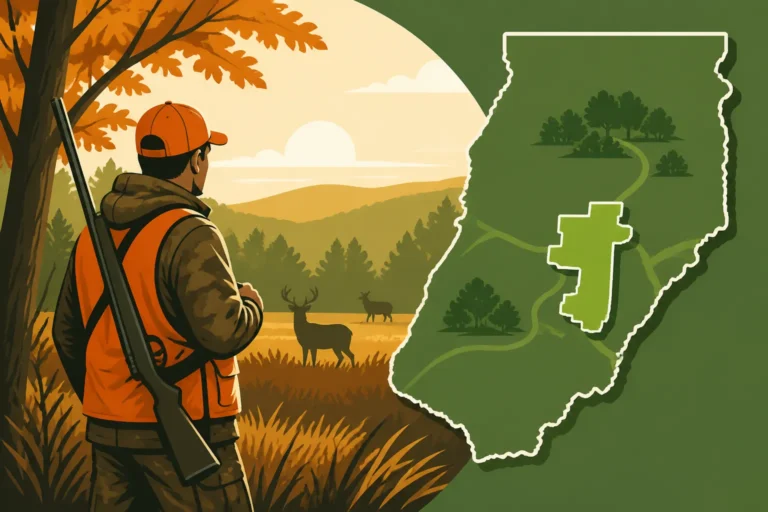
Jackson County, nestled in the heart of Southern Indiana's rolling hills and timber, offers a rich tapestry of public hunting opportunities that are often overlooked by those focusing on the larger, more heavily advertised areas. While it might not have a sprawling Fish and Wildlife Area (FWA) dedicated entirely within its borders, it makes up for it with significant chunks of state forest and proximity to vast national forest lands. The landscape here is defined by hardwood forests, steep ridges, and winding creek bottoms, providing ideal habitat for whitetails, turkeys, and various small game.
Jackson-Washington State Forest: A Core Opportunity
When you talk about public hunting in Jackson County, Jackson-Washington State Forest is usually the first place that comes to mind, and for good reason. This massive tract of timber, encompassing thousands of acres, is the crown jewel of public access in the area. It’s managed primarily for timber production and recreation, and hunting is absolutely a key part of that. Here, you'll find a mix of mature hardwoods, regenerated clear-cuts, and pine plantations, creating a diverse ecosystem that supports a healthy game population.
The sheer size of Jackson-Washington can be intimidating at first. You might drive the main roads and see parking lots that look full, making you think every spot is hammered. But the beauty of a place this big is that most hunters don't venture far from their vehicles. If you're willing to put in the legwork and climb a few ridges, you can quickly find solitude and unpressured pockets of deer and turkey. The terrain varies from gentle slopes to seriously steep climbs, so be prepared for a workout. Focus on areas away from visible logging activity if you're looking for quiet deer sign, but don't discount those younger growth areas as excellent bedding cover once the timber operations have moved on. Jackson-Washington State Forest Hunting provides more insight into specific tactics for this expansive area.
Nearby Hoosier National Forest Portions
While not entirely within Jackson County, the western and southern edges of the county brush up against significant portions of the Hoosier National Forest. This means that if you're hunting Jackson County, you're often just a stone's throw away from even more public ground that shares similar characteristics. The Hoosier National Forest is known for its rugged terrain, deep hollows, and extensive oak-hickory forests, which are absolutely prime habitat for deer and turkey.
Access points into the Hoosier from Jackson County can sometimes be a bit more subtle than the main entrances to state forests. You might find smaller, less-maintained pull-offs or access via county roads that dead-end into federal land. This can be a huge advantage, as these less-obvious entrances often lead to areas that see far less hunting pressure. Don't be afraid to pull out your maps and look for those obscure access roads. The habitat quality in the Hoosier is consistently high, particularly for mature timber-dwelling animals. You might find yourself traversing old logging roads or navigating thick undergrowth, but the reward can be worth it. For more detailed strategies on this expansive area, check out Hoosier National Forest Hunting.
Smaller State-Managed Properties
Beyond the big state forest, Jackson County also benefits from smaller, localized state-managed properties that might not be as well-known but can offer fantastic, low-pressure opportunities. These often include smaller tracts of state forest land or even unique properties managed by local conservation groups in partnership with the state. These smaller parcels tend to be scattered and require a bit more digging to locate, but that's precisely what makes them valuable for the diligent hunter.
These smaller areas might not be explicitly listed on every "public land" map, but with a bit of research on the Indiana DNR website or by using advanced mapping tools, you can pinpoint them. For example, some old gravel pits or reclaimed industrial sites might have been converted into wildlife habitat areas, offering unique cover and food sources. These spots can be phenomenal for small game, and sometimes even hold a surprising number of deer or turkey, especially if they are surrounded by private agricultural fields or dense timber. The key here is proactive research and boots-on-the-ground scouting to understand the specific dynamics of each small parcel.
Navigating and Scouting Your Hunting Ground
Successfully hunting Jackson County's public lands isn't just about showing up; it's about preparation, smart navigation, and understanding the local terrain and wildlife patterns. The rugged landscape can be deceiving, and what looks like a simple walk on a map can quickly turn into a challenging climb. Having the right tools and strategies for scouting both digitally and physically is paramount.
Essential Mapping Tools for Jackson County
Modern mapping tools have revolutionized how we approach public land hunting, and they are absolutely indispensable for Jackson County. Forget relying solely on paper maps (though a backup is always wise!). Digital mapping applications like onX Hunt are game-changers for identifying property boundaries, finding access points, and understanding terrain features. With onX Hunt, you can instantly see public and private land distinctions, which is crucial in areas where public and private parcels are intertwined. You can drop pins for potential stand locations, mark deer sign, and track your movements, all from your phone. This is particularly useful when you're trying to figure out if that promising-looking ridge actually crosses over onto private property.
Another valuable resource is the Indiana DNR's online mapping tools and the "Go Outdoors Indiana" app. These often provide specific information on FWA regulations, designated parking areas, and sometimes even recent timber cuts or habitat projects. Combining these state-specific resources with a robust app like onX Hunt gives you an unparalleled advantage. You can layer different maps, identify potential funnels between public and private ground, and even analyze topography to predict deer movement patterns. Seriously, if you're not using these tools, you're handicapping yourself before you even step out of the truck. Scouting Indiana Public Land Before Season delves deeper into leveraging these tools.
Pre-Season Scouting Strategies for Hill Country
Pre-season scouting in Jackson County's hill country is grueling but incredibly rewarding. You're looking for far more than just deer tracks. The key is to identify consistent travel corridors, bedding areas, and food sources that exist year after year, regardless of the immediate conditions. Start by looking at aerial photos and topographic maps on onX Hunt or similar platforms. Identify prominent ridges, saddles, and creek bottoms that could act as natural funnels. Look for thick, north-facing slopes, which often serve as bedding areas due to cooler temperatures in early season and thermal cover in late season. South-facing slopes, catching more sun, can be important for late-season feeding.
Once you have some target areas, hit the woods. Focus on finding old rubs, persistent scrape lines along logging roads or ridge tops, and established game trails. Don't just look for fresh sign; look for patterns of sign. A few old rubs in the same spot year after year tell you more than one fresh rub that might be a fluke. Pay close attention to mast crops, especially acorns from various oak species, as these are primary food sources for deer and turkey. Reading Aerial Photos for Southern Indiana Deer offers specific techniques for this type of terrain. Also, understanding Wind and Thermals on a Southern Indiana Ridge is critical for stand placement, as air currents behave differently in hilly country.
Understanding Access Points and Terrain Challenges
Accessing hunting areas in Jackson County can be a mixed bag. You'll find well-marked parking lots at some trailheads within Jackson-Washington State Forest, but other access points might be nothing more than a wide shoulder on a county road. Always confirm parking regulations and try to avoid blocking gates or private driveways. Knowing how far you're willing to walk is key. Many hunters stop at the first sign of a hill, so pushing deeper into the timber, especially into areas with multiple steep climbs or descents, can put you into untouched territory.
The terrain itself presents significant challenges. You're dealing with steep inclines and declines, rocky ground, and dense undergrowth in places. This means your physical conditioning needs to be on point, and you'll want to invest in good quality hiking boots with excellent ankle support. Always carry enough water, especially in early archery season. It's easy to get disoriented in the endless hills and hollows, so rely heavily on your GPS device or mapping app like onX Hunt to keep track of your location and your way back to your vehicle. Remember, the effort you put into getting to a remote spot often directly correlates with the quality of the hunting experience.
What You Can Hunt and When in Jackson County
Jackson County's public lands offer a diverse hunting experience, primarily centered around its robust deer and turkey populations, but also providing good opportunities for small game. Understanding the seasons and specific regulations for each species is crucial to a successful hunt.
Deer Hunting: The Main Event
Deer hunting is undoubtedly the most popular pursuit in Jackson County, and for good reason. The combination of dense timber, varied terrain, and surrounding agricultural areas creates excellent habitat. You'll find both archery and firearms seasons offer great chances, with the late muzzleloader season providing an additional opportunity for those willing to brave the colder weather. Indiana Deer Season Structure Explained provides a comprehensive overview of the statewide seasons.
The hilly, timbered nature of Jackson-Washington State Forest and the adjacent Hoosier National Forest portions means deer often use ridge lines and saddles as primary travel routes, particularly during the rut. Scouting for these natural funnels is key. During the early archery season, deer might be more predictable, frequenting food sources like acorn flats or smaller clearings. As hunting pressure mounts and the season progresses, they'll often retreat to the thickest cover on those steep hillsides. Later in the season, when food sources become scarcer, focusing on creek bottoms or areas with persistent browse can be highly effective. Hunting the Rut in Early November is a prime time to be in the woods, as bucks are actively seeking does and are more vulnerable.
| Season Type | Primary Dates (Approx.) | Key Tactics | Gear Considerations |
|---|---|---|---|
| Archery | Oct. 1 – Jan. 7 | Stand hunting over food, still-hunting ridges | Bow/Crossbow, climbing stand/saddle, good optics |
| Youth Weekend | Late Sept. | Ground blinds, sitting field edges | Youth-appropriate firearm, mentor support |
| Firearms | Mid-Nov. (2 weeks) | Still-hunting, slow drives, stand hunting funnels | Rifle/Shotgun, orange vest, communication with group |
| Muzzleloader | Early Dec. (3 weeks) | Cold-weather still-hunting, food source sits | Muzzleloader, warm layers, patient approach |
Please note: Always verify current season dates and bag limits with the Indiana DNR directly, as these can change annually.
Turkey Hunting Opportunities
Jackson County is also a fantastic destination for wild turkey hunters, especially during the spring season. The extensive hardwood forests, particularly those with a good mix of mature oaks and younger growth, provide ideal roosting and foraging habitat. Spring turkey hunting is a thrilling experience, and the challenging terrain only adds to the adventure.
The primary strategy for spring turkeys often involves locating birds on the roost at dawn and then attempting to call them in. This can be tricky in hilly country, as gobblers might be on an adjacent ridge or across a deep hollow. Being patient and knowing when to make a move are crucial. Run-and-gun tactics can also be effective, covering ground and listening for distant gobblers. Look for areas with open understory where turkeys can easily strut and forage, often near ridgetops or along logging trails. Spring Turkey Hunting in Indiana outlines the general rules and strategies for the state. Fall turkey hunting is also an option, primarily during the archery season, where different tactics like flock busting and calling birds back in can be effective. Hunting Indiana's Fall Turkey Windows can guide you on those specific methods.
Small Game and Other Species
While deer and turkey get most of the attention, Jackson County's public lands offer great opportunities for small game hunters too. Squirrels are abundant in the oak-hickory forests, particularly in the fall when the mast crop is plentiful. You can often have success simply still-hunting through the woods, stopping to listen and look for movement in the treetops. Squirrel Hunting Indiana Bottomland Hardwoods provides some great tips for these types of areas.
Rabbit hunting is also popular, especially along brushy field edges, fencerows, and areas of dense regenerating clear-cuts. Be prepared to walk through thick cover, and a good hunting dog can be a huge asset here. Beyond squirrels and rabbits, you might also find opportunities for coyote hunting. Coyotes are prevalent across Indiana, and the mixed habitat of Jackson County provides plenty of cover for them. Coyote Calling in Indiana Farm Country can be adapted to the more timbered settings of Jackson County's public land, focusing on draws and ridge lines. Always be mindful of specific regulations for these species, as some may have different season dates or equipment restrictions.
Disclaimer
This article is for general informational purposes only and does not constitute professional advice. Laws, prices and regulations vary by location and change over time. Consult a qualified professional for guidance on your specific situation.