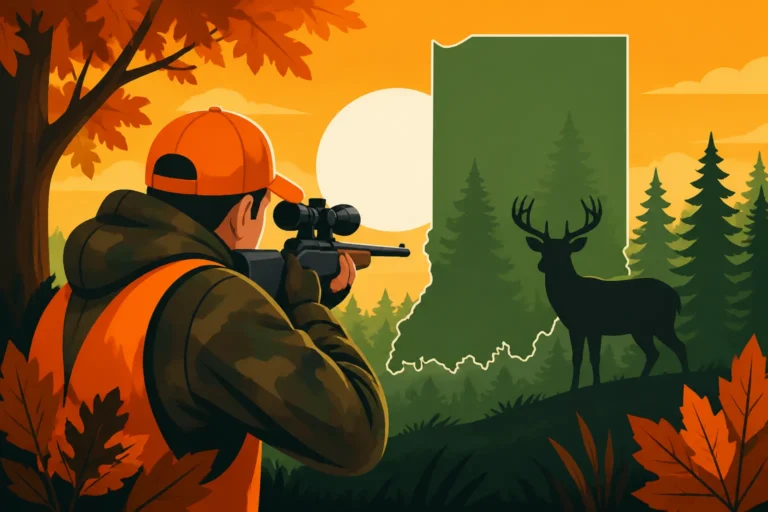
Indiana State Forest Hunting
For many Indiana hunters, the dream of chasing whitetails, elusive gobblers, or bustling small game can feel out of reach without private land access. The truth is, securing a prime hunting spot in the Hoosier State can be a real challenge, leaving countless hunters feeling frustrated and confined. This comprehensive guide will pull back the curtain on Indiana's state forests, revealing their immense potential as diverse hunting grounds and equipping you with the knowledge to confidently navigate these public lands, from understanding regulations to implementing effective hunting strategies.
Understanding Indiana's State Forests for Hunting
Indiana's state forests represent a vital component of the public land system available to hunters, often offering a different experience than the sprawling Hoosier National Forest or the intensively managed Fish and Wildlife Areas (FWAs). These forests are managed by the Indiana Department of Natural Resources (DNR) Division of Forestry, with a primary focus on sustainable timber production, watershed protection, recreation, and, crucially, wildlife habitat. This multi-use management means they often have a mosaic of forest types and age classes, from mature hardwoods to regenerating clear-cuts, which can create incredibly diverse habitats for game animals.
The Role of Timber Management in Habitat
One of the defining characteristics of state forests is active timber management. Unlike some hands-off public lands, state forests routinely undergo selective timber harvesting, clear-cutting, and other silvicultural practices. While some hunters might initially view logging as disruptive, it's actually a critical tool for creating and enhancing wildlife habitat. Early successional forests – those young, brushy areas that spring up after a cut – provide essential browse and cover for deer, rabbits, and many bird species. Mature forests, on the other hand, produce mast crops like acorns and hickory nuts, critical food sources, and offer roosting sites for turkeys.
The key for hunters is to understand that these timber operations are cyclical. A clear-cut area today might be a thicket holding deer in three to five years, and a prime spot for small game even sooner. By Reading Aerial Photos for Southern Indiana Deer and scouting on the ground, you can identify these different age classes of forest and anticipate where game will be. The varying stages of growth across a state forest create a dynamic ecosystem that prevents stagnation and supports a healthier, more diverse wildlife population overall.
General Rules and Expectations on State Forest Land
Hunting in Indiana state forests largely follows statewide regulations for seasons and bag limits, but there are specific rules unique to these properties that every hunter needs to know. For instance, while permanent treestands are generally forbidden on most public lands, temporary stands are usually permitted but must be removed within a specific timeframe after the season closes, often within a couple of weeks. It’s also important to remember that these are active forests with other recreational users like hikers, horseback riders, and mushroom foragers, especially outside of peak hunting season.
Respecting fellow outdoor enthusiasts and exercising caution is paramount. Wearing blaze orange during firearms seasons is not just a legal requirement for deer hunters, it's a common-sense safety measure for anyone entering the woods. Familiarize yourself with all local regulations for the specific state forest you plan to hunt, as some might have special rules or restricted areas. Always check the Indiana DNR website or local property office for the most current information before heading out.
Key State Forests for Deer Hunting
Indiana's state forests offer some fantastic deer hunting opportunities, especially in the southern part of the state where topography and timber provide excellent habitat. These areas can be challenging, with rugged terrain and often higher hunting pressure, but they also hold good numbers of deer, including mature bucks, for those willing to put in the effort.
Southern Indiana Hill Country Forests
The southern half of Indiana is home to several large state forests that are prime deer country. Areas like Morgan-Monroe, Yellowwood, Jackson-Washington, and Clark State Forests are characterized by steep ridges, deep hollows, and extensive hardwood timber. These forests are part of the larger landscape that includes the Hoosier National Forest, and deer often move between these public lands and surrounding private parcels. Morgan-Monroe State Forest Hunting is particularly popular for its extensive timber and proximity to urban centers, drawing hunters from across the state. Similarly, Yellowwood State Forest Hunting is renowned for its scenic beauty and challenging terrain, which can deter some hunters, leaving more ground for those willing to hike.
Hunting these areas requires a good understanding of topography and deer movement. Focus on identifying natural funnels, saddles along ridge tops, benches on hillsides, and areas with diverse mast crops. Often, the steepest, most remote sections receive less pressure and can hold older, wiser deer. It's not uncommon to find clear-cuts or recent timber harvests within these forests that provide fantastic thick cover and browse, creating excellent bedding areas.
Central and Northern Indiana State Forests
While less numerous and generally smaller than their southern counterparts, state forests in central and northern Indiana can still offer quality deer hunting. Properties like Salamonie River State Forest or Frances Slocum State Forest, for instance, often feature a mix of hardwoods, pines, and proximity to agricultural fields. Deer in these regions will often utilize the forest as cover and bedding, moving into adjacent fields to feed, especially during the late season.
Hunting strategies here might involve targeting field edges, pinch points between woodlots, or areas where thick cover meets more open timber. Public land in northern Indiana often sits within a patchwork of private agricultural land, so understanding deer travel corridors between these different land types is crucial. Scouting for fresh sign along the edges of these forests and within cover patches can pay dividends. Using tools like onX Hunt can be incredibly useful to identify property boundaries and potential travel routes.
Turkey Hunting Opportunities in State Forests
Indiana's state forests are also fantastic places to pursue wild turkeys, particularly during the spring season. The mature hardwood forests, often interspersed with open ridges and creek bottoms, provide ideal habitat for roosting, feeding, and strutting. Unlike private land where finding permission can be tough, state forests offer extensive, accessible acreage for spring gobblers.
Spring Gobblers in Timbered Hills
In the southern state forests, such as Jackson-Washington State Forest Hunting and Clark State Forest Hunting, you'll find classic timber hunting for turkeys. Gobblers here tend to roost on prominent ridge lines, especially near water sources or in tall oaks. Your strategy should often involve getting into the woods well before dawn, listening for gobbles on the roost, and then carefully positioning yourself to call the bird in. Patience is key, as these birds can be pressured and might hang up on adjacent ridges or in thick cover.
Knowing the terrain is crucial. Turkeys will often travel the easiest path, so identifying old logging roads, ridgetop flats, or benches can put you in a good spot. Remember, turkeys have excellent eyesight, so finding good cover to set up against a large tree is paramount. Don't be afraid to Run-and-Gun Turkey Tactics on Public Land if the birds aren't responding, covering ground to locate a more vocal gobbler.
Fall Turkey Hunting Prospects
While less popular than spring hunting, fall turkey season in Indiana's state forests can also be productive. Fall hunting methods often differ significantly from spring, focusing more on breaking up a flock and then calling individual birds back in. State forests provide ample space for this tactic, particularly in areas with good mast production. Turkeys will spend their days foraging for acorns, hickory nuts, and other food sources.
Look for areas with heavy oak stands or beech trees, as these will be key food sources. You might locate flocks by simply walking through the woods or by using locator calls. Once a flock is located, try to scatter them as widely as possible, then quickly set up and use comeback calls to lure individuals back in. Fall hunting offers a unique challenge and a great way to extend your turkey season in these accessible public areas.
Small Game and Upland Bird Hunting
State forests aren't just for big game; they also provide excellent habitat for a variety of small game animals and, in some cases, opportunities for upland birds. This diversity makes them year-round destinations for hunters seeking different experiences.
Squirrel and Rabbit Hunting
For many Hoosier hunters, state forests are synonymous with squirrel and rabbit hunting. The extensive hardwood timber found in many state forests is perfect for squirrels, especially during good mast years. Hunting is often best early in the season when leaves are still on the trees, requiring keen eyes and patience, or later in the season after a hard frost has dropped the leaves, making squirrels easier to spot. Squirrel Hunting Indiana Bottomland Hardwoods or focusing on hickory and oak groves will often yield the best results.
Rabbit hunting is also popular, particularly in areas of younger forest growth, clear-cuts, or along brushy edges and logging roads. These areas provide the thick cover that rabbits rely on for protection. Hunters often enjoy combining a walk through these areas with a good rabbit dog. The open understories that result from certain timber management practices can create ideal conditions for rabbits to thrive.
Other Small Game and Furbearers
Beyond squirrels and rabbits, state forests can also offer opportunities for other small game and furbearers. Woodcock, for instance, can be found in moist, young timber stands, especially during their fall migration. Raccoons, opossums, and foxes are also prevalent and can be pursued during their respective seasons. Trapping furbearers is also an option for licensed trappers in specific areas of state forests, providing another way to interact with the diverse wildlife populations these areas support.
For those interested in these varied pursuits, understanding the habitat preferences for each species is crucial. For example, woodcock prefer dense, moist cover, while raccoons are often found near water sources. Scouting specific habitats before the season opens will significantly increase your success rates.
Navigating Regulations and Access
Hunting on public land comes with a set of regulations designed to ensure safety, conservation, and fair chase. State forests have specific rules that you need to be aware of, some of which differ slightly from other public land types.
Vehicle and Foot Traffic Rules
Generally, vehicle access in Indiana state forests is restricted to designated roads and parking areas. Off-road vehicle use, including ATVs or UTVs, is typically not permitted for hunting access. Hunters should expect to do a lot of walking, especially when pursuing deer and turkeys in the more remote sections. This can be a physical challenge, but it also helps distribute hunting pressure and offers a more immersive experience. You might be able to use a deer cart or game sled to help with extraction, but only on designated trails or roads.
Always park in marked parking lots or pull-offs that don't block gates or roads. Be mindful of areas designated for other recreational activities, as hunting might be restricted in certain high-use zones to ensure public safety. Using an app like onX Hunt is invaluable for showing you exactly where you can drive and park, as well as property boundaries.
Treestand and Ground Blind Requirements
Treestands and ground blinds are a common sight in Indiana state forests, but they come with strict regulations. Permanent treestands are prohibited, meaning you cannot build a stand that is affixed to a tree year-round or causes permanent damage. Only portable, temporary stands are allowed. Furthermore, these stands must be clearly labeled with your name and address or DNR customer ID number and must be removed within a specified period after the season closes. Failure to do so can result in fines or confiscation.
Ground blinds are also typically allowed but must follow similar rules regarding temporary placement and removal. Treestand Rules on Indiana Public Land dictate what types of stands are legal and how they must be marked and maintained. It's a good practice to use non-damaging attachment methods for your stands, such as ratchet straps or ropes, avoiding nails or screws that would damage the trees.
Camping and Public Use Areas
Many Indiana state forests offer primitive camping opportunities, which can be a huge bonus for hunters who want to stay close to their hunting grounds, particularly during multi-day hunts. Camping Rules on Indiana State Forest Land vary by property, but generally, primitive camping is allowed in designated areas or by following specific "backcountry" guidelines. Some forests might have designated campgrounds with more amenities, while others allow dispersed camping under certain conditions.
Always check the specific forest's rules regarding campfires, waste disposal, and duration of stay. Maintaining a clean camp and practicing Leave No Trace principles is essential to ensure these privileges remain available for all users. Remember that you're sharing these spaces, so keeping noise levels down and respecting others is important.
Effective Scouting and Hunting Strategies
Hunting success in Indiana's state forests often hinges on thorough preparation and smart in-the-field strategies. These lands can be challenging, but understanding how to scout and adapt your tactics will greatly improve your odds.
Pre-Season Scouting and Map Study
Effective hunting in state forests starts long before opening day. Pre-season scouting is absolutely critical. Use aerial maps and topographical maps from resources like GoHunt or the Indiana DNR website to identify potential bedding areas, food sources, water, and travel corridors. Look for features like ridge saddles, benches, creek bottoms, draws, and dense cover that funnel deer movement. Pay close attention to areas that have seen recent timber cuts, as these regenerate into excellent thick cover and browse.
Don't be afraid to put boots on the ground during the off-season. Walk the areas you've identified on maps, looking for old sign, rub lines, scrape areas, and prominent game trails. Learn the lay of the land, noting potential stand locations, access points, and exit routes. This familiarization will give you a huge advantage when the season arrives, especially in the dark pre-dawn hours. Consider Scouting Indiana Public Land Before Season to gain that crucial edge.
Adapting to Terrain and Pressure
State forests, especially in southern Indiana, are known for their rugged terrain. Be prepared for steep climbs and descents, and pack appropriate gear, including sturdy hiking boots and sufficient water. Deer and turkeys often gravitate towards the steepest, hardest-to-reach areas because they receive less human pressure. If you're willing to walk further and climb higher, you'll often find less competition and potentially more undisturbed game.
Hunting pressure is another major factor on public land. During popular seasons like the firearms deer season, areas close to roads and easy access points will see heavy hunter activity. To counter this, identify areas that require a longer walk or more difficult hike. Sometimes, even walking an extra half-mile from the nearest parking area can significantly reduce the pressure you encounter. Consider hunting mid-week if possible, as weekends tend to be the busiest. Hunting Pressure on Indiana Public Land is a reality you must account for in your planning.
Stand Placement and Still-Hunting Tactics
When it comes to stand placement, focus on pinch points, saddles, or benches that funnel deer movement. In thick cover, a stand that offers a clear shooting lane of 20-30 yards might be more effective than trying to see long distances. Always consider wind direction and thermals, especially in hilly terrain where air currents can be unpredictable. Setting up quietly and minimizing scent is always crucial.
Still-hunting is another highly effective tactic in the diverse terrain of state forests, particularly for those who prefer to be mobile. This involves moving slowly and deliberately through the woods, pausing frequently to observe and listen. It allows you to cover more ground, react to fresh sign, and potentially jump-shoot small game or intercept a cruising buck. This method is especially potent in large, timbered tracts where deer might be spread out.
Challenges and Considerations for State Forest Hunters
While Indiana's state forests offer incredible hunting opportunities, they also present unique challenges that hunters should be aware of and prepared for.
The Physical Demands of the Terrain
Hunting in many state forests, particularly in the southern region, is a physically demanding endeavor. The steep ridges and deep hollows mean a lot of vertical gain and loss, often over uneven ground. You'll be carrying your gear, and potentially dragging out game over this same rugged landscape. It's not a walk in the park.
Being in good physical condition is a significant advantage. Regular exercise, including hiking with a pack, will prepare you for the rigors of a full day in the woods. Ensure your gear, especially your boots, is up to the task of handling mud, rocky terrain, and potentially adverse weather conditions. Carrying enough water and high-energy snacks is crucial to maintain your stamina throughout the hunt.
Sharing the Woods with Other Users
Unlike strictly regulated hunting preserves, state forests are multi-use properties. This means you will encounter other recreational users, including hikers, mountain bikers, horseback riders, and mushroom foragers, especially on weekends and in more accessible areas. This sharing requires patience, respect, and heightened awareness.
During firearms seasons, wearing blaze orange is not just a rule for deer hunters; it's a smart practice for anyone entering the woods. Always identify your target clearly and be absolutely sure of your background. If you encounter non-hunters, a friendly wave and a brief explanation of what you're doing can go a long way in fostering good relations between user groups.
Navigating Timber Operations
Active timber harvesting is a reality in state forests, and while beneficial for habitat, it can occasionally impact your hunting plans. You might arrive at a favorite spot only to find a recent clear-cut, a logging operation in progress, or new access roads. While these areas can create future habitat, during active operations, they are often noisy and disruptive.
Check the DNR website or call the local forest office to inquire about planned or ongoing timber sales in the areas you intend to hunt. This can help you avoid frustration and allow you to adjust your plans accordingly. Sometimes, a recent cut can open up new lanes of travel for deer or expose new food sources, so staying informed is key.
Comparing State Forests to Other Public Lands
Indiana offers a variety of public hunting lands, each with its own characteristics and management styles. Understanding how state forests fit into this larger picture can help you choose the best location for your hunt.
State Forests vs. Hoosier National Forest
The Hoosier National Forest (HNF) is Indiana's largest contiguous public land base, covering over 200,000 acres in the southern part of the state. Like state forests, it's primarily timbered hill country, but its management often differs. The HNF is managed by the U.S. Forest Service, often with a broader focus on ecosystem health, recreation, and wilderness characteristics. While logging occurs, it might be less intensive or frequent than in state forests.
Hunters often find the HNF to offer a more remote, wilderness-like experience due to its sheer size. However, this also means potentially longer walks, less developed trail systems in some areas, and fewer active habitat manipulations compared to state forests. Hoosier National Forest Hunting is a unique experience, offering vast tracts for those willing to get truly deep into the woods, while state forests might offer a slightly more "managed" feel with active timber operations often providing dense, transitional habitat.
State Forests vs. Fish and Wildlife Areas (FWAs)
Indiana's Fish and Wildlife Areas (FWAs) are managed much more intensively for wildlife production and public recreation, often with a strong emphasis on specific game species like waterfowl or pheasants. They frequently feature food plots, wetland management, and controlled burns. Access rules can be more restrictive, sometimes requiring check-in/check-out procedures or daily draw hunts, and vehicle access is typically very limited, often requiring hunters to park and walk.
State forests, on the other hand, generally have more lenient access rules (no check-in required), and while they manage for habitat, they don't typically have the same level of intensive, specific game management as FWAs. FWAs are often smaller and can experience higher hunter densities due to their targeted management. If you're looking for a focused hunt on a particular species with intensive management, an FWA might be your choice. If you prefer extensive, rugged timber and a more traditional "woods" hunting experience with diverse opportunities, state forests are often a better fit.
Summary of Indiana Public Land Types for Hunting
To help you decide where to hunt, here's a quick comparison of general characteristics:
| Feature | Indiana State Forests | Hoosier National Forest | Fish and Wildlife Areas (FWAs) |
|---|---|---|---|
| Management Focus | Timber, Habitat, Recreation | Ecosystem Health, Recreation | Intensive Wildlife Production |
| Primary Habitat | Hardwood Timber, Mixed Age | Extensive Hardwood Timber | Mixed: Wetlands, Fields, Timber |
| Access/Rules | Generally Open, No Check-in | Generally Open, No Check-in | Often Require Check-in/Draw Hunts |
| Timber Harvesting | Active, Frequent | Less Frequent/Intensive | Variable, Habitat-Driven |
| Game Species | Deer, Turkey, Small Game | Deer, Turkey, Small Game | Deer, Turkey, Waterfowl, Upland Birds |
| Terrain | Rolling to Rugged Hills | Very Rugged Hills | Variable, Often Flatter |
| Hunter Pressure | Moderate to High (Near Roads) | Moderate (Can find solitude) | High (Due to targeted game) |
| Camping | Primitive & Developed Options | Primitive & Developed Options | Usually Developed Campgrounds Only |
This table provides a generalized overview, and specific rules or conditions can vary by individual property. Always consult the Indiana DNR website and specific property maps before planning your hunt on any Public Hunting Land in Indiana.
Disclaimer
This article is for general informational purposes only and does not constitute professional advice. Laws, prices and regulations vary by location and change over time. Consult a qualified professional for guidance on your specific situation.