Indiana Pheasant Stocking Locations
For many years, hunters across Indiana have yearned for the days of abundant wild pheasants, often feeling a pang of nostalgia for a game bird that's become increasingly rare in our landscapes. While true wild pheasant strongholds are indeed few and far between, the good news is that the Indiana Department of Natural Resources (DNR) works hard to provide quality hunting opportunities through its dedicated pheasant stocking program. This guide will take a deep dive into Indiana's pheasant stocking locations, how the program operates, and what you can do to make the most of these exciting hunts.
Understanding Indiana's Pheasant Landscape
It's easy to look back at old hunting photos or listen to stories from our grandfathers and feel like we missed out on the "good old days" of pheasant hunting. While it's true that wild pheasant populations have faced significant challenges over the decades, understanding why that is helps us appreciate the efforts made today to keep the tradition alive.
The Historical Context of Indiana Pheasants
The ring-necked pheasant isn't native to Indiana, but these beautiful, hardy birds were introduced over a century ago and thrived in the diverse agricultural landscapes of yesteryear. Imagine vast tracts of small farms, diverse crop rotations, and an abundance of fencerows, fallow fields, and small woodlots. This mosaic provided the perfect mix of nesting cover, winter shelter, and diverse food sources that pheasants need to flourish. Unfortunately, as agricultural practices intensified, fields grew larger, fencerows disappeared, and cleaner farming methods reduced the critical habitat pheasants rely on for survival, especially during harsh winters and nesting seasons. This habitat loss is the primary reason we don't see the widespread wild pheasant numbers we once did, leading to the need for managed stocking programs.
Where Wild Pheasants Still Roam
Even with the widespread decline, whispers and sometimes even sightings of wild pheasants still persist in certain corners of Indiana. These are typically areas with exceptionally good, undisturbed habitat, often in isolated pockets of grassland, dense cattail marshes, or along stretches of river bottom where cover remains intact despite surrounding development. You might find them in areas that mimic their historical preferences: diverse agriculture mixed with significant tracts of un-mowed conservation land, often associated with wildlife refuges or specific private lands managed for conservation. These populations are incredibly fragile, and while they offer a glimmer of hope, they rarely provide consistent hunting opportunities on a large scale. This distinction between the few remaining wild strongholds and the managed stocking locations is crucial for hunters to understand when planning their season.
Indiana's Pheasant Stocking Program: The Details
Because wild pheasants are so scarce, the Indiana DNR runs an active pheasant stocking program to create hunting opportunities. It’s a fantastic way to introduce new hunters to upland bird hunting or to simply get out and enjoy the thrill of a pheasant flush without having to travel out of state.
How the Program Works
The Indiana DNR's pheasant stocking program is a well-oiled machine designed to maximize hunter success and provide access to quality hunting. Essentially, pheasants are raised on game farms, carefully conditioned, and then released onto specific public lands shortly before and during the designated pheasant hunting season. These birds are strong fliers and provide a challenging hunt, much like their wild counterparts. The program isn't about re-establishing self-sustaining wild populations (though any natural reproduction is a bonus); it's about providing a "put-and-take" hunting experience. This means you'll be hunting birds that are fresh from the game farm, full of fight, and often hold well for pointing dogs, making for an exciting hunt. The DNR carefully selects the release sites to ensure they have adequate cover for the pheasants to spread out, allowing for a more natural hunting experience. This program is often run in conjunction with various partners, helping to ensure a consistent supply of birds for hunters.
Key Stocking Locations
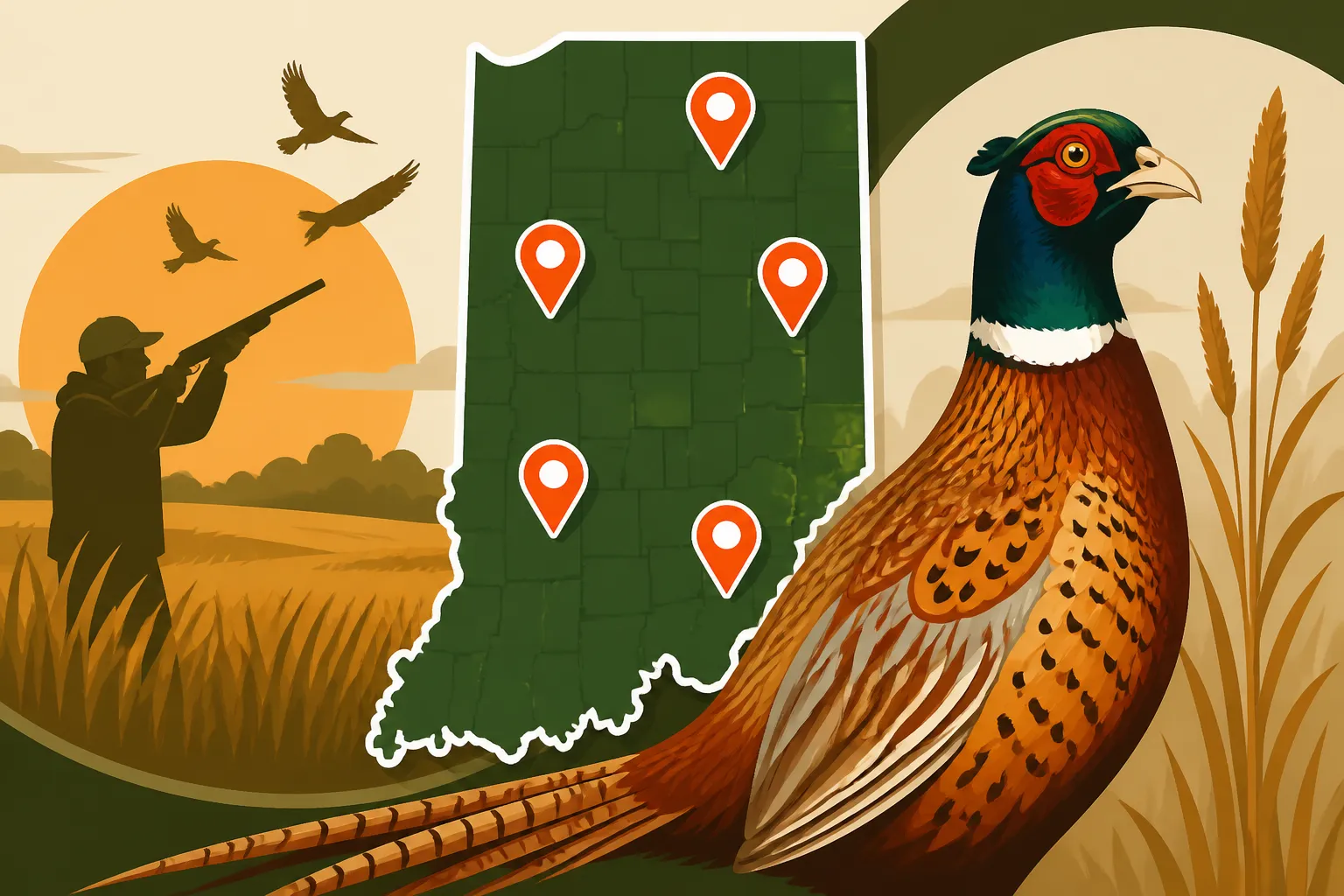
Knowing where the birds are released is, of course, the golden ticket! Indiana's pheasant stocking program focuses primarily on several Fish and Wildlife Areas (FWAs) that offer the necessary habitat and management capabilities to support these hunts. These areas are specifically chosen for their open fields, grassland cover, and ease of access for hunters.
Here are some of the primary FWAs known for their pheasant stocking efforts:
- Willow Slough Fish and Wildlife Area (Newton County): This is one of the most well-known spots. Willow Slough is a sprawling area in northwestern Indiana offering a mix of grasslands, wetlands, and agricultural fields. Its diverse habitat makes it ideal for pheasants, and it's a popular destination for hunters looking for upland bird action.
- Tri-County Fish and Wildlife Area (Kosciusko, Noble, and Whitley Counties): Located in the northeastern part of the state, Tri-County offers extensive grasslands and restored wetlands that are perfect for pheasant releases. It's another excellent choice for hunters willing to explore the diverse landscapes of this region.
- Winamac Fish and Wildlife Area (Pulaski County): Further south in northern Indiana, Winamac is another reliable FWA for pheasant stocking. It provides a good mix of open fields and brushy cover that pheasants appreciate, making for a challenging and rewarding hunt.
- Atterbury Fish and Wildlife Area (Brown and Johnson Counties): While perhaps better known for its deer hunting, Atterbury also participates in the pheasant stocking program, offering opportunities in central Indiana.
- Glendale Fish and Wildlife Area (Daviess County): In southwestern Indiana, Glendale is a key FWA that offers pheasant hunting. Its expansive fields and managed habitats make it a strong contender for those in the southern part of the state.
These FWAs often require special permits or sign-in procedures, especially on busy opening days or weekends. It's always a good idea to check the specific FWA's rules and regulations, as well as the Indiana DNR website, before heading out. Sometimes, smaller, localized releases may occur, but the FWAs listed above are the consistent hotbeds for pheasant hunting in Indiana. Tools like GoHunt can be invaluable for pinpointing these areas and understanding their boundaries. You can often scout these areas using online maps to look for suitable cover, remembering that Pheasant Hunting Indiana Grassland is a key tactic.
The Hunt Draw and Permit System
Hunting pheasants on stocked public land isn't always as simple as just showing up with your shotgun. To manage pressure and ensure a quality experience, the Indiana DNR often implements a draw or permit system for pheasant hunts, particularly during the early parts of the season or on specific dates. This system typically involves applying for a reserved spot ahead of time.
Here's a general overview of how it often works:
- Application Period: Hunters will usually need to apply online through the Go Outdoors Indiana portal during a specified application window. This application might be for specific dates or specific Fish and Wildlife Areas.
- Draw Results: Successful applicants are then notified and provided with their hunting dates and locations. This lottery system ensures fair access and helps prevent overcrowding, which can quickly degrade the hunting experience.
- Daily Check-in: Even if you're drawn for a hunt, you'll still need to check in at the FWA office on your assigned day. This is crucial for obtaining your daily hunting permit, understanding any specific rules for that day, and getting updated information on where birds might have been recently released or where hunters have found success. It's also how the DNR gathers harvest data, which is vital for managing the program. Don't forget to understand the Indiana Property Access Sign-In Process for any public land.
- Standby Opportunities: If you weren't drawn, don't despair! Many FWAs offer standby opportunities on hunting days. This means you can show up at the check station early in the morning and wait to see if any drawn hunters don't show up. It's a first-come, first-served system for remaining spots, so being early is key to improving your chances.
Always check the current year's hunting regulations booklet or the Indiana DNR website for the most up-to-date information on application periods, draw dates, and specific FWA requirements. Planning ahead is the name of the game when it comes to securing a spot for these popular hunts.
Maximizing Your Hunt on Stocked Ground
Pheasant hunting, especially on stocked ground, can be incredibly exciting. These birds are released into prime cover, and they'll hold tight, offering a heart-stopping flush when you get close. But it's not always easy – you need the right gear, a good strategy, and a healthy dose of patience.
Gear and Tactics for Stocked Pheasants
When you're out chasing pheasants, your gear and tactics can make all the difference between a successful day and a long walk. Think about what works best for walking through dense cover and getting a shot off quickly.
- Shotguns and Ammunition: For pheasants, a 12 or 20 gauge shotgun is typically the most popular choice. While a 12 gauge offers a slightly denser pattern, a 20 gauge is lighter to carry all day, which is a real consideration when you're covering miles of ground. When choosing your shotgun, consider Best Shotgun Gauge for Indiana Pheasant. Most hunters opt for a modified or improved cylinder choke for shots that are often close and fast, though a full choke can be useful in very open fields. As for shells, 5 or 6 shot is generally preferred for pheasants, providing good penetration without excessive damage to the meat. Make sure you're using the right Shot Size for Pheasant and Rabbit for maximum effectiveness.
- Dogs or No Dogs: A good bird dog, whether a pointing breed like a German Shorthaired Pointer or a flushing dog like a Springer Spaniel, dramatically increases your chances of finding and retrieving birds. Dogs can cover more ground, sniff out birds that would be missed by a human nose, and retrieve downed birds from thick cover, saving you the frustration of a lost pheasant. If you're fortunate enough to hunt with a canine companion, consider the best practices for Running Pointing Dogs on Indiana Pheasants. If you don't have a dog, recruit a few hunting buddies. A line of hunters slowly pushing through cover can be very effective, especially when trying to push birds towards a blocking hunter at the end of a field or fencerow.
- Pushing Cover: Pheasants love thick cover – tall grass, briar patches, cattails, and brushy fencerows. Don't be afraid to get into the nastiest stuff; that's often where the birds are. Work slowly and methodically, making sure to cover every inch of likely habitat. Pay special attention to the edges of fields, where thick cover meets open ground. Often, pheasants will run ahead of you, so it's critical to anticipate their movements and sometimes even circle ahead. When considering Hunting a Fencerow Edge, remember these birds will often use linear cover to escape.
Scouting and Preparation
Even with stocked birds, preparation is key. You're not just showing up and expecting birds to jump in your vest. A little homework goes a long way.
- Before You Go: The first step is to visit the Indiana DNR website. Look for specific information on Indiana Pheasant Season and Stocking dates, designated stocking locations, and any draw or permit requirements. This information changes annually, so always double-check. Many FWAs will post maps of their hunting areas online, which you can download or print. These maps will show boundaries, parking areas, and sometimes even indicate areas of good cover.
- Using Mapping Tools: This is where modern technology really shines. Tools like GoHunt are incredibly useful for pre-hunt scouting. You can use aerial imagery to identify prime habitat—think dense grasslands, brushy draws, and crop field edges. Look for areas that offer a mix of cover types, as pheasants will move between them for feeding, loafing, and roosting. You can also mark potential entry and exit points, and even plot out a hunting strategy before you ever set foot on the ground.
- Understanding the Terrain: Knowing the layout of the land can help you plan your pushes more effectively. Consider the wind direction; pheasants often flush into the wind, making for a slower, easier shot. Also, think about how pheasants might run or flush. If you're hunting with a group, coordinate your movements to cover ground efficiently and block potential escape routes. Remember, these birds are smart and will try to outwit you!
Etiquette and Safety on Public Stocking Sites
Hunting stocked pheasants on public land can sometimes mean hunting alongside other people. Good etiquette and safety aren't just polite; they're essential for a positive experience for everyone.
- Blaze Orange is Non-Negotiable: Safety is paramount. Always wear plenty of blaze orange. Indiana law mandates specific Indiana Blaze Orange Requirements for hunters, and on stocked pheasant hunts, it's particularly important due to the number of hunters in the field. This isn't just a suggestion; it's a critical safety measure to ensure you are highly visible to other hunters, especially when birds flush unpredictably.
- Respect Other Hunters: If you arrive at a field and see another hunting party already working it, give them space. Move to another area or wait until they've finished. Crowding other hunters not only creates safety hazards but also diminishes the quality of the hunt for everyone involved. A simple nod or wave, and a respectful distance, go a long way.
- Know the Rules: Each FWA might have slightly different rules regarding parking, non-toxic shot requirements (though less common for pheasants than waterfowl), or designated hunting zones. Always read the signage at the check station and abide by all Indiana Small Game Season Rules. Ignorance of the rules is no excuse, and violating them can lead to fines or loss of hunting privileges.
- Manage Your Hunting Party: If you're hunting with a group, ensure everyone understands the plan, their role, and most importantly, safe shooting lanes. Communication is key, especially when pushing cover. Everyone should be aware of where other hunters are at all times, and shots should only be taken when you have a clear view of the bird and a safe backdrop.
By being prepared, understanding the program, and practicing good hunting ethics, you can have a truly rewarding experience chasing pheasants on Indiana's public lands. It's a fantastic way to enjoy the outdoors and keep the tradition of upland bird hunting alive in the Hoosier state.
| Indiana Pheasant Stocking Locations (Primary FWAs) | General Region | Habitat Focus | Key Considerations |
|---|---|---|---|
| Willow Slough Fish and Wildlife Area | Northwest Indiana | Grasslands, wetlands, fields | Popular, check draw/permit system |
| Tri-County Fish and Wildlife Area | Northeast Indiana | Grasslands, restored wetlands | Diverse habitat, great for dog work |
| Winamac Fish and Wildlife Area | North-central Indiana | Open fields, brushy cover | Consistent stocking, often requires sign-in |
| Atterbury Fish and Wildlife Area | Central Indiana | Mixed fields, timber edges | Also known for deer, check specific pheasant areas |
| Glendale Fish and Wildlife Area | Southwest Indiana | Expansive fields, managed areas | Important for southern Indiana upland opportunities |
Disclaimer
This article is for general informational purposes only and does not constitute professional advice. Laws, prices and regulations vary by location and change over time. Consult a qualified professional for guidance on your specific situation.