Indiana Wild Turkey Nesting Success
For those of us who eagerly anticipate the spring gobble and the thrill of a fall flock, few things are as critical—or as concerning—as the health of Indiana's wild turkey population. It's truly disheartening to hit the woods year after year and notice fewer poults scratching around with the hens, or perhaps an overall decline in bird sightings. This comprehensive guide is here to shed light on exactly what "nesting success" means for our Hoosier turkeys, why it's so vital, and what factors truly influence those vital little poults making it to adulthood.
Understanding Wild Turkey Nesting Success: The Foundation of Our Flocks
When we talk about wild turkey nesting success, we're really digging into the very heart of the turkey population cycle. It's not just about a hen laying eggs; it's about those eggs hatching and, crucially, the young poults surviving their most vulnerable weeks. Without consistent, healthy nesting success, our turkey numbers simply cannot sustain themselves, let alone grow. It’s the metric that tells us if the next generation is strong or struggling.
Defining a "Successful Nest" and What it Means
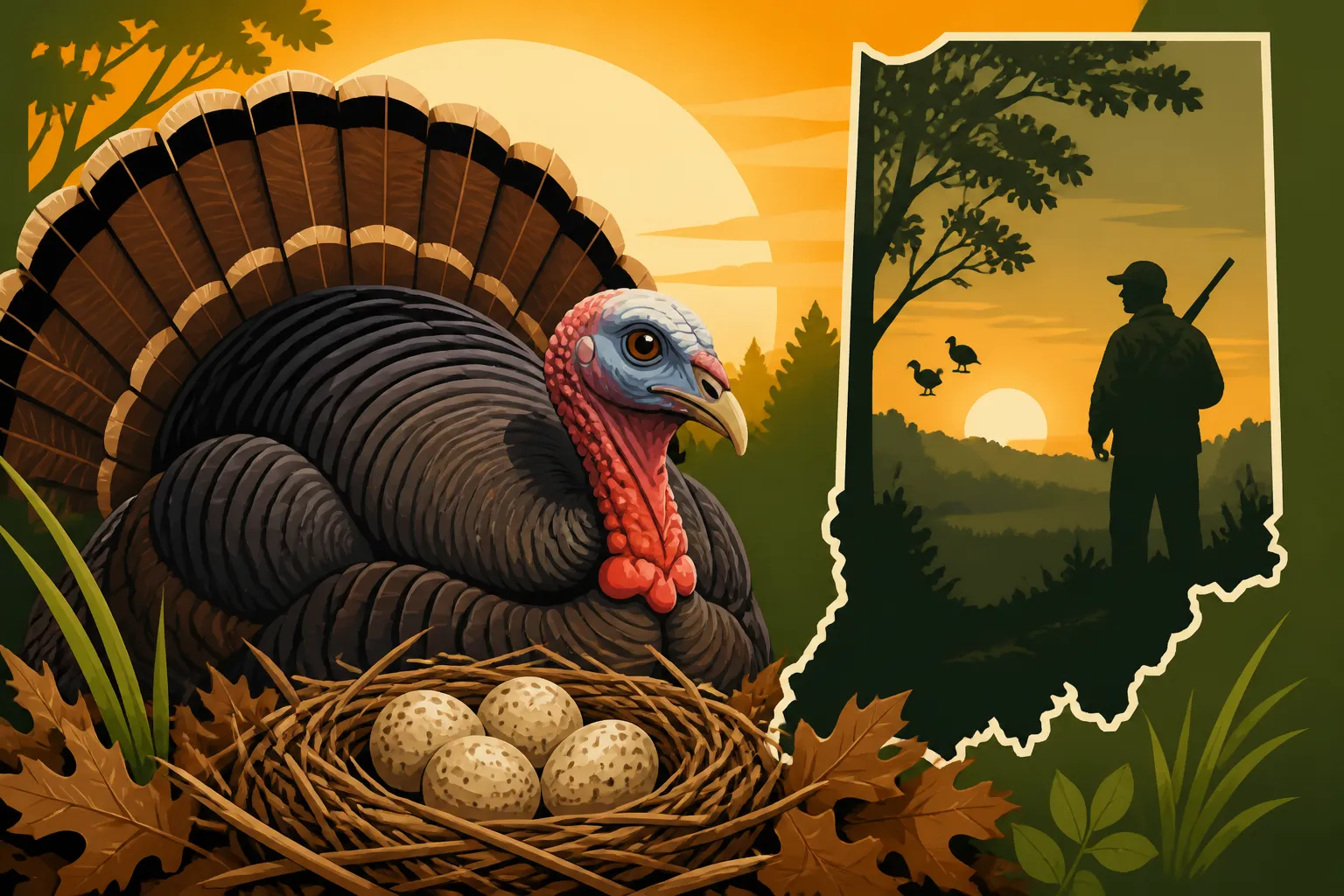
A "successful nest" for wild turkeys sounds straightforward, right? A hen sits on eggs, they hatch, voila! But it's a bit more nuanced than that. For wildlife biologists, a nest is considered successful if at least one egg hatches. This doesn't mean all of them have to hatch, or that all the poults have to survive. It's simply the first hurdle cleared. Think of it as the initial win, the first indication that a hen has found a safe spot, laid her clutch, and incubated them through to term.
This initial success is heavily influenced by factors like nest site selection—is it hidden well enough from predators? Is the cover thick enough? Did she get disturbed by human activity or a passing coyote? We often focus on the number of birds we see, but so much of the groundwork is laid in these quiet, unseen nesting efforts. Without a good number of successful nests each year, the foundation of the population can begin to crumble, leading to noticeable dips in turkey numbers down the road.
Poult Survival: The Real Test of a Generation
While a successful nest is a great start, the true measure of a strong turkey generation lies in "poult survival." This is where the rubber meets the road. Poult survival refers to how many of those newly hatched chicks make it through their first few weeks and months. These little guys are incredibly vulnerable immediately after hatching. They're small, flightless, and dependent on the hen for warmth and protection.
Their survival rate is influenced by a myriad of challenges: weather (cold, wet springs can be devastating), diseases, and perhaps most significantly, predation. Raccoons, opossums, skunks, snakes, coyotes, and even some birds of prey are all looking for an easy meal, and tiny poults fit the bill perfectly. When poult survival is high, we see more jakes and jennies the following spring, and eventually, more mature birds contributing to the breeding population. Low poult survival, on the other hand, means fewer turkeys in the years to come, which can certainly be a gut punch to hunters hoping for a vibrant season. The long-term health of our flocks hinges not just on eggs hatching, but on those little fuzzballs making it to maturity.
Key Factors Influencing Indiana's Turkey Nesting Success
Indiana's landscape is diverse, from the rolling hills of the south to the flat farmlands up north, and this diversity means that factors affecting turkey nesting success can vary. However, certain elements consistently play a major role across the state. Understanding these influences helps us appreciate the delicate balance required for our turkey populations to thrive.
Weather Extremes and Early Broods
Ask any turkey hunter who's paid attention for a few seasons, and they'll tell you that spring weather can make or break a hatch. Turkeys typically nest in late April through May, and early June, meaning their most vulnerable period for poults often coincides with unpredictable Indiana spring weather. Cold, wet springs are absolute killers for young poults. They are not well-insulated, and prolonged exposure to cold rain or plummeting temperatures can lead to hypothermia and death.
A hen can only do so much to keep her brood warm and dry. If the weather hits at just the wrong time, especially shortly after hatching, it can wipe out an entire brood. Conversely, mild, dry springs tend to correlate with better poult survival, as the young birds have an easier time regulating their body temperature and drying off. This is why you often hear veteran hunters discuss "poult-to-hen ratios and what they mean" after a particularly harsh or mild spring; it's a direct indicator of what the weather allowed. It's a frustrating reality that something completely out of our control, like a week of cold rain, can have such a profound impact on the hunting we anticipate for years to come.
Predation Pressure on Nests and Poults
Predation is a constant threat to wild turkeys, from the moment eggs are laid until the birds are mature. Nests are particularly vulnerable. Predators like raccoons, opossums, skunks, and even foxes have a keen sense of smell and actively seek out nests for an easy protein-packed meal. A hen trying to incubate a clutch is relatively defenseless on the nest, and if she's flushed off, the eggs are often quickly discovered and devoured.
Once poults hatch, the threat shifts slightly but remains intense. Now, ground predators are still a major concern, but aerial predators like owls and hawks also become a serious menace to tiny, flightless poults. Even coyotes, with their increasing presence across Indiana's varied landscapes, will opportunistically prey on young turkeys. This relentless pressure means that good nesting cover is paramount, offering hens and poults a fighting chance to hide from prying eyes and noses. When you're scouting Indiana public land before season, pay attention to thick, brushy areas; those aren't just deer bedding areas, they're vital for turkey nesting and poult survival too.
Habitat Quality for Nesting and Brooding
Habitat is the bedrock of nesting success. Without suitable habitat, all other factors become secondary. For nesting, hens need dense, protective cover that conceals their nests from predators and provides a sense of security. This often means thickets, brush piles, tall grasses, or areas with a lot of downed timber. A lack of these secure nesting sites forces hens into less optimal, more exposed locations, drastically increasing the chances of nest failure.
Once poults hatch, their needs change slightly, but remain tied to quality habitat. Brooding cover needs to be dense enough for protection from predators, but also open enough at ground level for poults to easily move around and forage for insects. Poults primarily eat insects for the first few weeks, so areas rich in bug life, often found in early successional habitats, old fields, or lightly grazed pastures adjacent to timber, are crucial. Think about those areas where you see a hen leading a string of little ones through a field edge or a creek bottom. That’s ideal brooding habitat. Declining habitat quality, whether due to intense agriculture, development, or even overly clean forestry practices that remove necessary undergrowth, directly impacts "Indiana turkey population trends" by limiting the ability of new generations to get a foothold.
Monitoring Nesting Success: How Indiana DNR Gathers Data
Understanding how our wild turkey populations are doing isn't just guesswork; it's based on rigorous monitoring by the Indiana Department of Natural Resources (DNR). These folks work tirelessly to gather data that helps inform hunting regulations and conservation efforts. For hunters and conservationists alike, knowing how this data is collected gives us a better appreciation for the science behind our seasons.
Hen with Poult Surveys
One of the primary ways the Indiana DNR assesses nesting success and subsequent poult survival is through "hen with poult surveys." This is exactly what it sounds like: counting hens and the number of poults accompanying them during the summer months. These surveys are often conducted by DNR staff, but also rely heavily on voluntary participation from observant citizens and hunters. The idea is to get a snapshot of how many young birds made it through the critical early weeks.
The information collected typically includes the number of hens observed, the number of poults with each hen, and the size class of the poults (small, medium, large) which helps estimate their age. This data is then used to calculate the "poult-to-hen ratios," a crucial indicator. A high ratio suggests good nesting success and poult survival for that year, while a low ratio rings alarm bells. This data doesn't just appear out of thin air; it's the result of countless hours of observation in the field. When you're out and about during summer, keep an eye out for these family groups and consider reporting your sightings to the DNR; every piece of information helps.
Brood Counts and What They Mean
Building on the hen with poult surveys, "brood counts" specifically track the number of young turkeys (the "brood") per hen. This metric is a more direct indicator of reproductive success. A strong brood count means that not only did nests successfully hatch, but the poults survived well into the summer, signaling a healthy recruitment of young birds into the population.
These counts are essential for understanding the current year's productivity and projecting future turkey populations. If brood counts are consistently low for several years, it can indicate underlying issues with habitat, predation, or persistent unfavorable weather patterns, which might lead to adjustments in "Indiana spring turkey season rules" or bag limits in subsequent years. Conversely, robust brood counts provide confidence that the population is expanding or maintaining itself, allowing for stable hunting opportunities. It's truly fascinating how these seemingly simple observations can provide such profound insights into the complex dynamics of a wild population.
Challenges in Data Collection for Nesting Success
Gathering accurate data on wild turkeys, especially something as elusive as nesting success, comes with significant challenges. Turkeys are wild, after all, and they don't exactly line up to be counted! Hens are incredibly secretive during nesting, choosing dense cover that makes finding nests extremely difficult, even for experienced biologists. Once poults hatch, they too are masters of camouflage and evasion, especially in thick summer foliage.
Factors like observer bias in voluntary surveys, varying visibility across different habitat types, and the sheer vastness of Indiana's turkey range mean that precise, 100% accurate counts are nearly impossible. The DNR relies on statistical methods and long-term trends to smooth out yearly fluctuations and get a reliable picture. This is why consistent, widespread participation in hen with poult surveys, combined with other data like harvest reports, is so vital. It’s a bit like putting together a giant puzzle with many missing pieces, but with enough effort, a clear image emerges. For hunters using resources like GoHunt, understanding these data challenges helps put the reported population trends and regulations into context.
Impact of Nesting Success on Indiana Turkey Populations and Hunting
The direct link between robust nesting success and the health of Indiana's wild turkey populations cannot be overstated. It's the engine that drives population growth and stability, and ultimately, it dictates the quality of our hunting seasons for years to come. When those little poults thrive, we all benefit.
How Poor Nesting Affects Bag Limits and Regulations
When nesting success is consistently low, it sends a clear signal to wildlife managers that the population isn't recruiting enough young birds to replace those lost to natural mortality or hunting pressure. This can have direct consequences for hunters in Indiana. To ensure the long-term sustainability of the turkey resource, the DNR might consider more conservative hunting regulations. This could manifest as reduced "Indiana spring turkey bag limit rules," shorter season lengths, or even localized restrictions in areas experiencing significant declines.
While such changes can be frustrating for hunters who look forward to pursuing gobblers each spring, they are usually implemented out of necessity. The goal is always to protect the breeding stock and allow the population to recover. It's a tough balancing act, managing a cherished game species while also ensuring its future. This is why your personal observations in the field and your participation in surveys can actually contribute to the decision-making process that directly impacts future hunting opportunities.
Long-Term Population Trends and What This Means for Hunters
Consistent patterns in nesting success directly influence the "Indiana turkey population trends." A string of good nesting years will generally lead to an increasing or stable population, meaning more birds on the landscape in the coming seasons. This translates to more gobbling activity, more visual sightings, and generally better hunting opportunities. More birds mean a higher likelihood of encountering legal gobblers and filling your tags.
Conversely, several consecutive years of poor nesting success can lead to a noticeable decline in the overall turkey population. This isn't just about fewer jakes; it means fewer mature gobblers down the road, and fewer hens to breed and produce future generations. For hunters, this translates to tougher hunting conditions—fewer birds to locate, less responsive gobblers, and a generally more challenging experience. Understanding these long-term trends, often accessible through DNR reports or platforms like GoHunt, helps us manage our expectations and appreciate the cyclical nature of wildlife populations.
The Ripple Effect: From Poult to Spring Gobbler
Think of nesting success as the foundation of a pyramid, with the magnificent spring gobblers we chase at the very top. Every successful hatch, every poult that survives its vulnerable youth, contributes directly to the number of birds available for hunters in the following years. A poult hatched this spring, if it's a male, will be a jake next spring, and a mature gobbler in two or three years. If it's a female, she'll contribute to breeding efforts.
Therefore, the quality of a given nesting season will have a ripple effect that extends several years into the future. A banner year for nesting could mean exceptional hunting two or three seasons down the line, with an abundance of vocal, healthy birds. On the flip side, a poor nesting season will eventually result in a dip in harvest numbers and more challenging hunting. This interconnectedness highlights why we, as hunters and conservationists, should care deeply about the factors affecting those tiny, fragile poults. It’s not just about today’s hunt; it’s about ensuring the tradition continues for future generations.
What Hunters Can Do to Help Support Nesting Success
As hunters and outdoor enthusiasts, we have a vested interest in the health of Indiana's wild turkey populations. While we can't control the weather or stop all predation, there are concrete steps we can take to actively support nesting success and contribute to robust turkey numbers. Our actions, even seemingly small ones, can make a difference.
Habitat Improvement Efforts
One of the most impactful things hunters can do is engage in "habitat improvement efforts." This means creating or enhancing the conditions that turkeys need to successfully nest and raise their young. On private land, this could involve planting native grasses and wildflowers to provide dense nesting cover, leaving brush piles and woody debris, or establishing diverse food plots that attract insects for poults. Even simply delaying mowing in certain areas until after the nesting season can protect countless nests.
For those hunting public land, direct habitat work might be limited, but supporting organizations that do perform habitat restoration, such as the National Wild Turkey Federation (NWTF) or local conservation groups, is invaluable. Every dollar and every volunteer hour spent on creating better nesting and brooding cover translates directly into a higher potential for turkey survival. When you're finding ground others walk past, consider if that neglected area could be improved to benefit turkeys. Even something as simple as allowing an old field to grow wild for a season can create critical nesting habitat.
Ethical Hunting Practices
Ethical hunting practices play a crucial role in maintaining healthy turkey populations, which in turn supports nesting success. This means strictly adhering to all "Indiana spring turkey season rules," bag limits, and reporting requirements. Taking only legal birds, typically mature gobblers in the spring, ensures that the breeding hens are left alone to fulfill their vital role in reproduction. Avoiding disturbance of known nesting areas, if possible, is another way to help.
The goal of hunting regulations is to allow for sustainable harvest without negatively impacting the population's ability to reproduce. When hunters follow these rules, they act as stewards of the resource, ensuring that enough hens are available to nest and enough gobblers are in the woods to breed them. It's not just about filling your tag; it's about being part of the solution to maintain healthy flocks for everyone.
Reporting Sightings and Participating in Surveys
One of the easiest yet most powerful ways hunters can contribute is by actively participating in the Indiana DNR's hen with poult surveys and reporting their turkey sightings. Every time you see a hen, especially one with poults, taking a moment to record the date, location, and number of poults provides invaluable data to wildlife biologists. This helps them get a clearer picture of regional nesting success and overall population health.
Think of yourself as an unpaid, highly effective field agent for the DNR. You're already out there, observing the landscape, so why not put those observations to good use? Many states have online portals or apps for submitting these sightings, making it incredibly convenient. When you're planning your hunt using an app like GoHunt, make a mental note to also log any turkey sightings you have. This collective effort, from thousands of hunters across the state, helps fill in those data gaps and ensures that management decisions are based on the most accurate and up-to-date information possible. It’s a direct way to contribute to the future of wild turkeys in Indiana.
Regional Differences in Indiana's Nesting Success
Indiana is a state of diverse landscapes, and it stands to reason that wild turkey nesting success isn't uniform across every county. From the rugged, unglaciated hills of southern Indiana to the flat, agricultural plains of the north, turkeys face different challenges and opportunities. Understanding these regional variations can help hunters and conservationists focus their efforts where they're most needed.
Southern Indiana's Challenges and Opportunities
Southern Indiana, particularly the counties within or adjacent to the Hoosier National Forest, presents a unique set of circumstances for wild turkeys. This region is characterized by steep, timbered ridges, deep hollows, and extensive unbroken forest cover. While this provides ample room for turkeys to roam, it also comes with challenges. Dense timber can sometimes lack the ideal early successional growth needed for prime nesting and brooding cover, especially in mature, unmanaged forests.
However, the opportunities here are significant. The sheer amount of public land in this region offers vast tracts where turkeys can exist with less human disturbance than in more populated areas. Strategic timber management, such as responsible logging operations that create small clearings or regenerate forest stands, can actually improve nesting and brooding habitat by encouraging new, dense growth. Furthermore, the topography itself can offer protection; poults might find refuge in the rugged terrain. Hunters in this area often focus on reading a ridge for Hoosier Forest deer, but the same principles apply to finding quality turkey habitat.
Northern Farmland Advantages and Management Implications
Shift your focus to Northern Indiana, and you'll find a dramatically different landscape: vast expanses of agriculture interspersed with woodlots, fencerows, and creek bottoms. Here, turkeys often thrive in what's sometimes referred to as "fragmented habitat." The edges where cornfields meet timber, or where a dense fencerow provides cover, can be incredibly productive for nesting. The abundance of agricultural insects can also be a boon for poults.
However, this landscape also presents its own set of management implications. Intensive farming practices can reduce available nesting cover, and widespread use of pesticides can diminish the insect populations vital for young poults. Predation can also be concentrated in these smaller woodlots and fencerows. For turkeys in this region, strategic habitat management on private lands, such as leaving buffer strips along fields, planting native grasses, and creating brushy edges, is incredibly important. Hunters often find success hunting Northern Indiana farmland deer, and these same edge habitats are prime for turkeys. Programs that incentivize landowners to create and maintain wildlife habitat are crucial for ensuring continued nesting success in these agriculturally dominated areas.
Management Implications for Statewide Consistency
Given these regional differences, the Indiana DNR strives for management strategies that consider both statewide and local conditions. Data from hen with poult surveys helps identify areas where nesting success might be struggling or excelling, allowing for more targeted conservation efforts. For instance, if southern Indiana is experiencing consistent low poult survival due to habitat limitations, programs promoting forest regeneration might be prioritized there. If northern Indiana struggles with predation in fragmented habitats, efforts to educate landowners on beneficial habitat features could be emphasized.
The goal is to foster "Indiana turkey population trends" that are robust and resilient across the entire state. This approach ensures that, whether you're chasing longbeards in the deep timber of the Hoosier National Forest or calling a gobbler off a field edge in Steuben County, you have a reasonable expectation of encountering healthy turkey populations. It's a testament to dedicated wildlife management that aims for consistency in opportunity, despite the inherent variations of Indiana's diverse environment.
The Future of Indiana Wild Turkeys: Continued Success
The future of wild turkeys in Indiana hinges directly on sustained nesting success. It's a constant effort, a dance with nature that requires ongoing monitoring, informed management decisions, and the active participation of hunters and conservationists alike. While we celebrate the incredible comeback story of the wild turkey in Indiana, we can never take their presence for granted.
By understanding the factors that influence nesting success – from weather patterns to predator presence and the critical role of quality habitat – we equip ourselves to be better stewards. Your contribution, whether it's reporting a hen and her brood, participating in habitat projects, or simply adhering to ethical hunting practices, helps write the next chapter for these magnificent birds. The spring woods would simply not be the same without the thunderous gobble, and ensuring strong nesting seasons is how we keep that tradition alive and well for generations to come.
Disclaimer
This article is for general informational purposes only and does not constitute professional advice. Laws, prices and regulations vary by location and change over time. Consult a qualified professional for guidance on your specific situation.