Indiana Deer Harvest Records
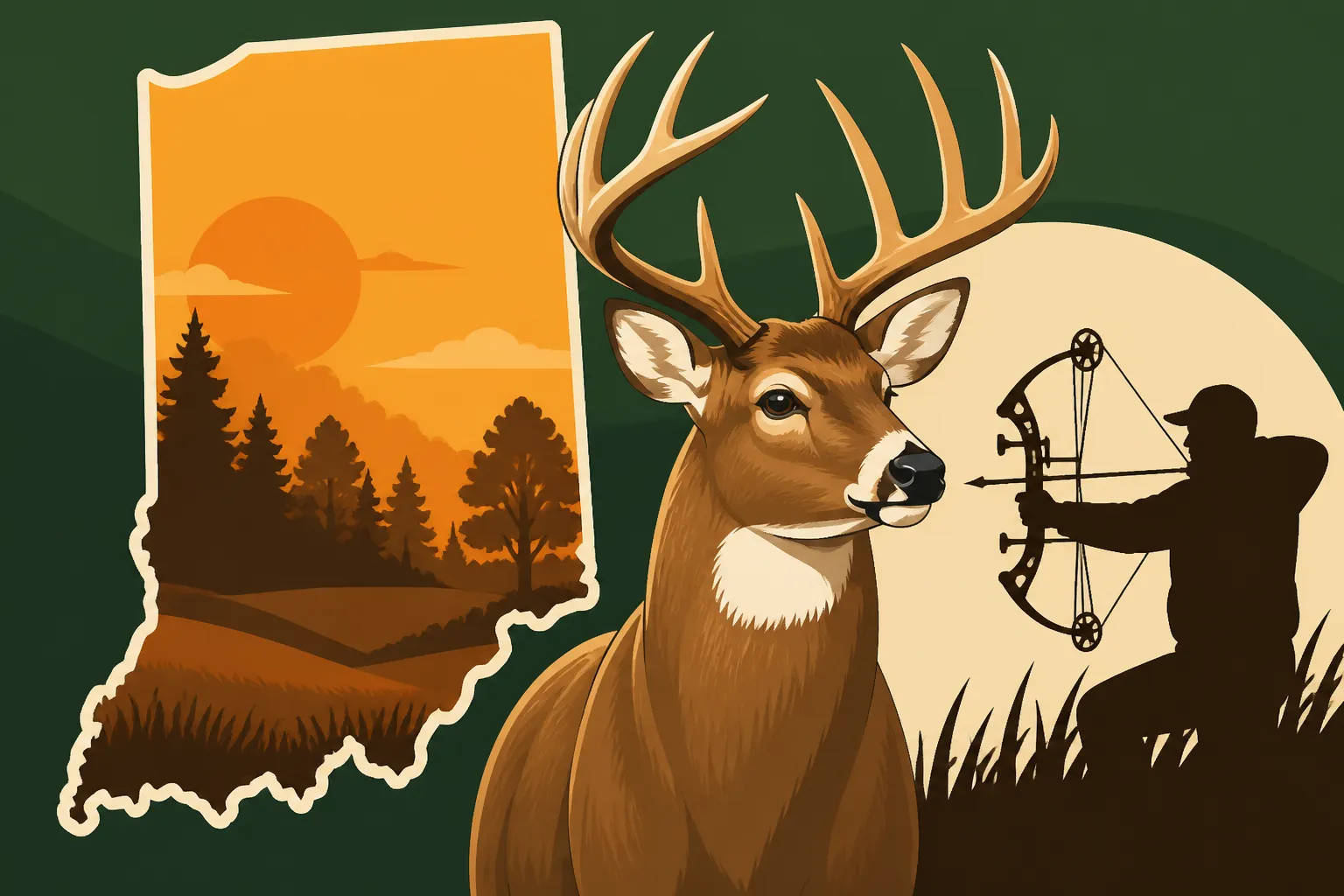
You know that feeling when you've just wrapped up deer season, whether it was a banner year or a struggle, and you can't help but wonder how your experience stacks up against the rest of Indiana? It’s more than just bragging rights; understanding the broader picture of deer harvest records can genuinely transform your hunting strategy. This guide is here to pull back the curtain on Indiana's deer harvest records, showing you not only where the deer are being taken but how to use that intel to make your next season even more successful.
The Importance of Understanding Indiana's Deer Harvest Records
For many of us, deer hunting is steeped in tradition, passed down through generations. But in today's world, there's a treasure trove of data that can elevate our understanding and success in the field. The Indiana Department of Natural Resources (DNR) diligently collects and compiles deer harvest records, and these aren't just dry statistics; they're a vital roadmap to the health of our deer herd and the dynamics of hunting pressure across the state. Ignoring this information is like trying to navigate the Hoosier National Forest without a map – you might get somewhere, but you're probably missing out on the best routes.
Why Deer Harvest Data Matters to Hunters
Let's be honest, we're all looking for an edge. We spend countless hours scouting, hanging stands, and practicing our shots. But are we hunting in the right places, at the right times, and using the most effective strategies? That's where harvest data comes in. By diving into these records, you can begin to identify patterns: which counties consistently produce high deer numbers, which areas are seeing an increase or decrease in antlerless harvest, or even how different weapon types contribute to the overall take.
For instance, if you're consistently striking out in a particular woodlot, checking the local county’s harvest numbers might reveal that deer density is just lower than you thought, or perhaps hunting pressure is exceptionally high. Conversely, finding a county with consistent, high harvests over several years, especially in areas with similar habitat to what you're scouting, can point you toward a new honey hole. It’s about being informed, moving beyond anecdotes, and making data-driven decisions that put you closer to success. Understanding these records can even help you pinpoint the peak of the rut in early November by showing the timing of peak buck harvests statewide.
How the DNR Uses Harvest Information
The Indiana DNR isn't just collecting this data for fun; it's the backbone of their wildlife management strategy. Every reported deer helps the DNR assess the overall health and population trends of Indiana's white-tailed deer herd. They look at factors like the buck-to-doe ratio, fawn recruitment rates, and the age structure of harvested bucks. This information allows them to make critical decisions, such as adjusting season dates, setting bag limits, or establishing deer reduction zones.
Think about it: if harvest numbers start to drop significantly in a specific region, it might signal an issue with habitat, disease, or over-harvesting. On the flip side, if populations are booming, they might expand antlerless opportunities to help maintain ecological balance and mitigate crop damage. These decisions directly impact your hunting opportunities and the long-term sustainability of the resource we all cherish. By participating in the reporting process, you're not just complying with the law; you're actively contributing to the future of Indiana Hunting Licenses and What They Cost and the health of the herd for generations to come.
Deciphering the Indiana DNR's Annual Harvest Reports
Indiana's deer harvest reports can seem a bit dense at first glance, filled with tables and percentages. But once you know what to look for, they become incredibly insightful tools. These reports are meticulously compiled each year by the Indiana DNR, aggregating every single deer reported by hunters across the state. They break down the numbers in various ways, offering a comprehensive look at the season's results.
Key Metrics in the Harvest Report
When you dive into the DNR’s annual harvest report, you'll encounter several key metrics that paint a detailed picture. First, you'll see the total statewide harvest, which is the overall number of deer taken by all hunters. This top-line number gives you a quick snapshot of the season's success compared to previous years. Beyond that, the report typically breaks down the harvest by sex (buck vs. antlerless), which is crucial for understanding population balance. A high antlerless harvest is often a sign of healthy population management aimed at controlling herd growth.
Another important breakdown is by weapon type: archery, firearms, and muzzleloader. This data helps show the impact of different hunting methods and how successful hunters are during specific seasons, like Muzzleloader Deer Hunting in Indiana which closes in December. You might see a significantly higher buck harvest during the firearms season, for example, reflecting its popularity and timing with the rut. Finally, and perhaps most interesting for local hunters, is the county-by-county harvest data. This is where you can really start to drill down, seeing specific numbers for your home county or areas you plan to scout. It's a goldmine for understanding localized deer activity and success rates.
Understanding Data Sources and Collection Methods
The accuracy of these harvest reports relies entirely on hunters doing their part. In Indiana, it's mandatory to report your deer harvest within 48 hours of taking the animal. This can be done online through the Go Outdoors Indiana website, via a toll-free phone number, or through the Indiana DNR’s mobile app. This direct reporting from every successful hunter is the primary source of all the data found in the annual reports.
The DNR collects not just the county of harvest, but also the date, sex, and whether the deer was antlered or antlerless. This robust collection method ensures a comprehensive dataset. While there's always a small margin for error or non-compliance, the vast majority of Indiana hunters dutifully report their harvests, making these reports remarkably accurate and reliable. The more detailed and widespread the reporting, the better the DNR can manage the herd, and the more valuable this data becomes for us as hunters trying to gain an edge.
Geographic Trends in Indiana Deer Harvests
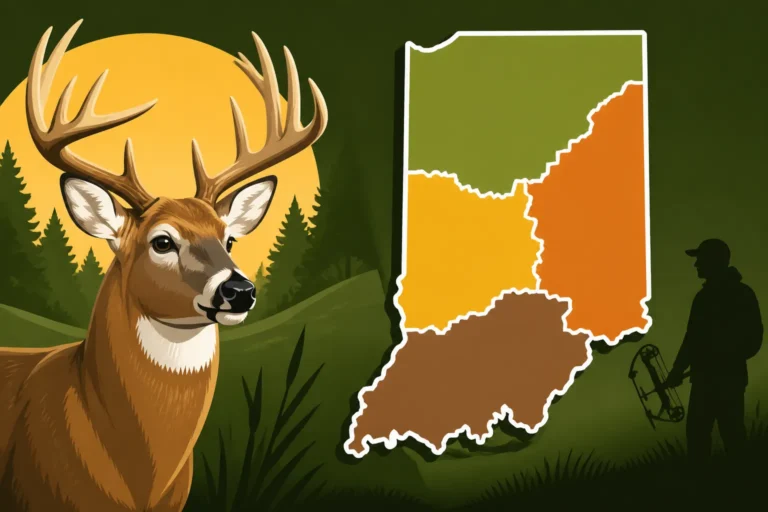
Indiana is a diverse state, from the rolling hills and dense timber of the south to the flat, agricultural plains of the north. This geographic variety means that deer habitat, population densities, and consequently, harvest patterns can differ dramatically from one region to another. Understanding these localized trends is crucial for any hunter looking to maximize their success, whether they're hunting their backyard woodlot or planning a trip to public land.
Southern Hills Versus Northern Farmland Harvest Differences
Hunting in southern Indiana, particularly in areas like the Hoosier National Forest or the state forests in Brown, Monroe, and Jackson counties, often feels like a completely different world compared to the vast agricultural landscapes of northern Indiana. In the southern hills, deer densities might be slightly lower overall, but the habitat often leads to older, more mature bucks. The terrain is rugged, heavily timbered, with deep ravines and thick draws, which makes for challenging but rewarding hunting. Harvests here often reflect a higher percentage of mature bucks dueists who work harder to find them. The total number of deer harvested might be lower per square mile, but the quality of the buck harvest can be exceptional. For more on this, check out Why Southern Indiana Grows Big Bucks.
Contrast that with northern Indiana, where vast expanses of corn and soybean fields provide an abundance of food, leading to incredibly high deer densities. Here, deer have access to year-round nutrition, often resulting in impressive antler growth at younger ages. Harvest numbers in these counties tend to be higher in overall volume, with more antlerless deer taken due to higher populations. Hunting here often involves focusing on small woodlots, fencerows, and creek bottoms that serve as bedding and travel corridors between feeding areas. While trophy bucks are certainly present, the hunting strategy often shifts to capitalizing on high deer traffic in these agricultural pockets. Understanding this difference is key to knowing what to expect and how to adapt your tactics, whether you're Hunting Northern Indiana Farmland Deer or navigating steep ridges.
Top-Producing Counties for Overall Deer Harvest
When we talk about overall deer harvest, some Indiana counties consistently rise to the top. These are typically counties with a great mix of habitat, including agriculture for food and timbered areas for cover, often with a moderate amount of public and private land. While specific rankings can fluctuate year to year, counties like Steuben, Noble, LaGrange in the northeast, or Parke and Vermillion in the west, and Franklin and Dearborn in the southeast, often report some of the highest total deer harvests.
What makes these areas so productive? Often, it's a combination of healthy deer populations, ample food sources, and accessible hunting grounds. These aren't necessarily the counties producing the biggest bucks every year, but they offer consistent opportunities for hunters to fill their tags. If you're looking for sheer numbers, perhaps to stock your freezer with venison or simply enjoy a high-opportunity hunt, these consistently high-volume counties are a great place to start your research. Checking the DNR reports for Which Indiana County Kills the Most Deer will give you the most up-to-date information.
Counties Known for Trophy-Class Bucks
While every county in Indiana has the potential to produce a Boone & Crockett contender, some areas have a reputation for consistently yielding larger, older-aged bucks. These aren't always the counties with the highest total harvest, but rather those where the average quality of harvested bucks tends to be higher. Southern Indiana counties, particularly those with vast tracts of timber and less road access, often fit this bill. Areas within or adjacent to the Hoosier National Forest, such as Brown, Monroe, Lawrence, and Martin counties, are frequently mentioned in discussions about big buck potential.
Why do these areas shine for trophy potential? Factors include:
- Age Structure: Less pressure in remote areas allows bucks to reach older age classes.
- Genetics: Healthy deer with good genetics.
- Nutrition: While not always agricultural, these areas often have diverse mast crops (acorns, persimmons) that provide excellent seasonal nutrition.
- Cover: The rugged terrain offers exceptional cover for mature bucks to elude hunters and reach their full potential.
Don't overlook central and western Indiana, though. Pockets of agricultural land interspersed with significant timber blocks can also produce giants, benefiting from rich nutrition. Using tools like GoHunt can help you scout and pinpoint properties within these areas, often showing you satellite imagery and property boundaries that make finding these hidden gems easier. Looking at historical harvest data in conjunction with habitat maps using GoHunt can be a real game-changer for targeting big deer. If you're dreaming of a wall-hanger, focusing your efforts on Best Indiana Counties for Big Bucks should be a top priority.
Historical Harvest Trends and Their Implications
Understanding where we are today often means knowing where we've been. Indiana's deer harvest records aren't just snapshots of a single season; they form a historical timeline that reveals fascinating patterns and responses to various factors. Looking at these trends over decades can offer profound insights into the dynamics of our deer population and how management strategies, environmental shifts, and even disease outbreaks have shaped the hunting landscape.
Major Shifts in Deer Harvest Over Decades
If you go back far enough, you'd find a time when deer were virtually non-existent in Indiana, extirpated by unregulated hunting and habitat loss. The modern deer herd is a testament to successful conservation and reintroduction efforts. Tracking harvest data since the re-establishment of deer hunting seasons in the mid-20th century shows a remarkable success story. Harvest numbers steadily climbed for decades as the deer population rebounded and spread across the state.
However, in more recent years, we've seen a stabilization, and in some areas, slight declines or plateaus in total harvest. This isn't necessarily a bad thing; it often indicates a more mature, stable population rather than one in rapid expansion. Major shifts can also be seen in the ratio of buck to antlerless harvest. Early on, buck harvest dominated as the priority was population growth. Now, with robust populations, antlerless harvest plays a much larger role in population control, particularly in Deer Reduction Zone counties. These shifts reflect evolving management goals to balance herd health with agricultural concerns and hunter opportunity.
Impact of Rule Changes and Seasons on Harvest Numbers
The Indiana DNR continuously evaluates and sometimes adjusts hunting regulations, and these changes invariably leave their mark on harvest records. For example, the introduction of the statewide rifle law (House Enrolled Act 1231 in 2020) that allowed centerfire rifles in 2021, removing the previous straight-wall cartridge requirement, significantly impacted the types of weapons used and potentially hunter participation and success. While Indiana's New Statewide Rifle Rules aim to standardize and simplify hunting, their full effect on long-term harvest numbers is still being assessed.
Similarly, changes to season lengths, bag limits, or the establishment of special youth or antlerless-only seasons directly correlate with harvest fluctuations. When a bonus antlerless tag option is introduced in certain counties, you'll see a bump in antlerless harvest there. Understanding when these rule changes occurred and what their intended effects were can help you interpret the peaks and valleys in the historical data. It’s a dynamic system, and the harvest reports serve as a vital feedback loop.
The Role of EHD and CWD in Harvest Fluctuations
Unfortunately, not all fluctuations in harvest data are due to management strategies or hunter effort; natural factors like disease also play a significant role. Epizootic Hemorrhagic Disease (EHD) is a common, often fatal, viral disease in white-tailed deer, typically spread by biting midges. Indiana experiences EHD outbreaks periodically, especially during late summer and early fall in drought years. When a severe EHD outbreak occurs in a particular county or region, you'll see a noticeable dip in the deer harvest numbers for that area in the following season's report, sometimes quite dramatic. While deer populations usually recover, these events can locally impact hunting for a year or two.
More recently, Chronic Wasting Disease (CWD) has become a serious concern. CWD is a neurological disease that is always fatal to deer and other cervids. While Indiana's CWD prevalence remains relatively low, the discovery of positive cases, such as the initial ones in LaGrange and Steuben counties, has led to specific management actions, including mandatory testing in Indiana's Chronic Wasting Disease Positive Area. While CWD itself might not immediately cause a massive drop in harvest like EHD, the necessary management responses, such as enhanced surveillance or targeted culling, can influence local harvest data. These disease impacts are critical to monitor, as they can affect deer numbers and hunting strategies for years to come.
Maximizing Your Own Hunt with Harvest Data
So, you've sifted through the DNR reports, looked at county data, and noted historical trends. Now what? The real magic happens when you translate this broad information into actionable strategies for your personal hunting pursuits. Harvest data isn't just for wildlife biologists; it's a powerful tool for the everyday hunter, whether you're chasing your first deer or your tenth.
Using Data to Scout New Areas and Identify Hotspots
Imagine you're looking for a new spot to hunt, maybe on public land or a permission property you just gained access to. Instead of just blindly walking in, you can leverage harvest data. Start by identifying counties that consistently show high buck harvest numbers if you're targeting a mature whitetail, or high antlerless numbers if you're trying to fill the freezer. For example, if you see that a specific county bordering the Hoosier National Forest Hunting consistently yields good results, it tells you that the local deer herd is healthy and huntable.
Once you've narrowed down a region, dive deeper. Look at where those deer are being reported within that county if possible, or cross-reference the county data with known public hunting areas. If a specific Fish and Wildlife Area (FWA) or State Forest is within a high-harvest county, that's a strong indicator to begin your on-the-ground scouting there. Apps like GoHunt, combined with DNR maps, allow you to overlay property lines and topographical features directly onto aerial imagery, helping you pinpoint potential funnels, bedding areas, and food sources within those high-producing zones. This targeted approach saves you valuable time and increases your odds of finding a productive hunting spot. For instance, if you're looking to find Where Hoosier National Forest Bucks Bed, historical harvest data can point you towards specific regions within the forest where bucks are consistently taken, then you use maps and boots-on-the-ground to find the specific bedding.
Interpreting Trends for Better Season Planning
Harvest data doesn't just tell you where to hunt; it can also give you clues about when to hunt. By looking at historical harvest trends over the course of a season, you can see when peak activity occurs for different weapon types. For example, the firearms season often sees a massive spike in harvest, usually coinciding with the peak of the rut in early to mid-November. If you're planning your vacation days around hunting, knowing these historical peaks can help you choose the absolute best time to be in the woods.
Similarly, if you notice a consistent increase in late-season archery harvests in a particular area, it might indicate strong late-season food sources or less hunting pressure after the main firearms season. This kind of nuanced understanding allows you to fine-tune your approach, perhaps focusing on different tactics during the late season when deer are concentrated on available food. Whether it's the Hunting the Rut in Early November or making a plan for Hunting the Late-Season January Lull, harvest data provides a valuable historical playbook.
Leveraging Tools like GoHunt for Personalized Insights
While the DNR reports are fantastic general resources, modern hunting technology takes harvest data to the next level. Platforms like GoHunt integrate vast amounts of data, including historical harvest information, with advanced mapping tools. Instead of just looking at raw numbers, GoHunt can help you visualize these trends directly on a map, allowing you to see how harvest data relates to specific parcels of land, habitat types, or even historical weather patterns.
Imagine being able to filter harvest data by year, weapon, and even buck age class within your specific hunting unit or a prospective new area. GoHunt allows you to do just that, offering a more granular view than broad state reports. You can use it to identify areas with high success rates for mature bucks, cross-reference that with available public land, and then use the mapping features to scout potential stand locations from your couch. This personalized approach to data analysis, combined with detailed satellite imagery and proprietary layers, turns raw numbers into actionable intelligence, giving you a competitive edge in finding those elusive Indiana whitetails. It’s a powerful companion for Scouting Indiana Public Land Before Season or anywhere else you plan to hunt.
Regional Deer Harvest Comparison Table
To give you a clearer picture of how diverse Indiana's deer hunting can be, here's a generalized comparison of expected harvest characteristics across some key regions. Remember, these are broad trends, and specific county data will offer even more detail.
| Feature | Southern Indiana (Hills & Forests) | Central Indiana (Mixed Farmland & Timber) | Northern Indiana (Mostly Farmland) |
|---|---|---|---|
| Habitat Type | Rugged, dense timber, deep ravines, oak/hickory forests (e.g., HNF) | Mixed agriculture, suburban fringes, smaller woodlots, creek bottoms | Vast agriculture (corn/beans), small woodlots, fencerows, wetlands |
| Deer Density | Moderate to Low | Moderate to High | High |
| Overall Harvest Numbers | Lower total volume, but consistent | High volume, often leading the state in total harvest | High volume, significant antlerless harvest for population control |
| Buck Age Structure | Higher potential for older-aged bucks (3.5+ years) due to cover | Good mix of age classes, often robust 2.5-3.5 year olds | Younger age classes more common, but trophy potential due to nutrition |
| Trophy Potential | Excellent, often producing record book deer due to age | Good, often producing heavy-bodied, well-antlered bucks | Excellent, due to nutrition and high populations |
| Hunting Pressure | Can be heavy on accessible public lands; remote areas offer solitude | Varies greatly; heavy near urban areas, lighter on larger tracts | Can be high in small woodlots; often focused on field edges |
| Typical Hunting Style | Still-hunting, saddle hunting, mobile stand setups | Stand hunting, focusing on funnels, food plots, creek crossings | Stand hunting on field edges, pinch points, still-hunting fencerows |
| Primary Food Sources | Acorns, persimmons, browse, forest openings | Corn, soybeans, alfalfa, food plots, mast crops | Corn, soybeans, food plots |
Disclaimer
The information provided in this guide is for general informational and educational purposes only. While every effort has been made to ensure accuracy and to provide current information, hunting regulations and deer populations are dynamic and subject to change by the Indiana Department of Natural Resources (DNR). Always consult the official Indiana DNR hunting regulations and local ordinances before engaging in any hunting activity. Hunting involves inherent risks, and hunters should always prioritize safety, ethical practices, and compliance with all applicable laws.