Indiana Buck Age Structure
For many deer hunters across Indiana, there's a burning question that goes beyond simply "how many deer are out there?" It's about the quality of the herd, specifically, how old are the bucks? We all want to know if there's a real chance at encountering those elusive, mature whitetails. This guide dives deep into Indiana's buck age structure, exploring what it means for our hunting experiences and what factors shape the deer we pursue in the Hoosier State.
Understanding Buck Age Structure and Why It Matters
When we talk about hunting "quality," a big part of that conversation usually revolves around seeing and having the opportunity to pursue mature bucks. But what does that really mean, and why should it be something Indiana hunters are thinking about? It's more than just antlers; it's about the health and balance of our deer herd.
What "Age Structure" Really Means for Deer
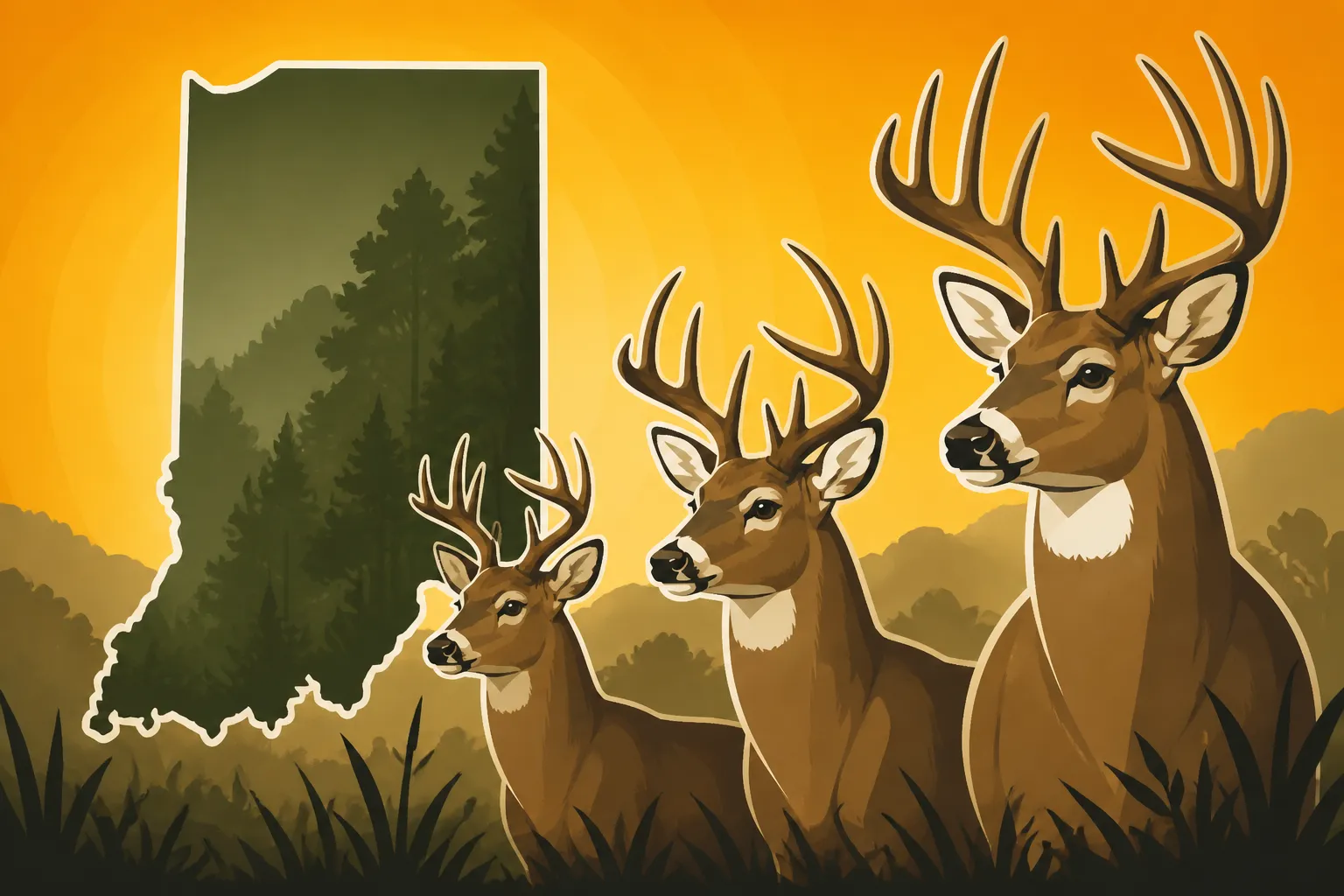
At its core, "buck age structure" refers to the proportion of bucks in different age classes within a given deer population. Think of it like a demographic chart for our antlered friends: how many 1.5-year-old bucks are there compared to 2.5-year-olds, 3.5-year-olds, and even older, truly mature animals? In a perfectly balanced, unpressured herd, you'd expect to see a healthy distribution across all age classes. However, in most hunted populations like ours here in Indiana, that distribution can be skewed.
For many hunters, especially those focused on a "trophy" or a truly challenging hunt, a mature buck is often considered one that is 3.5 years old or older. These are the deer that have survived multiple hunting seasons, learned the ropes, and developed the body mass and antler growth potential that makes them so sought after. A healthy age structure means a good number of these older animals are present, offering a more dynamic and rewarding hunting experience. It also speaks volumes about the overall management and health of the herd, indicating that bucks are surviving long enough to reach their full potential.
The Impact on Hunter Success and Experience
Let's be honest: while filling the freezer is important, there's a special thrill in pursuing a truly mature buck. It's not just about the size of the antlers, but the challenge itself. Older bucks are wily, experienced, and incredibly adept at avoiding detection. When a region boasts a good buck age structure, hunters have a higher likelihood of encountering these seasoned animals. This translates directly into a more exciting and fulfilling hunting season, even if you don't pull the trigger.
Imagine spending countless hours Scouting Indiana Public Land Before Season and finally spotting a buck with a heavy rack, wide spread, and a calm, deliberate way of moving that tells you he's seen it all before. That's the experience a healthy age structure delivers. It shifts the focus from just "getting a deer" to "hunting a deer." If the buck age structure is heavily weighted towards younger, 1.5-year-old bucks, your chances of seeing those older, more challenging animals diminish significantly. This can lead to frustration for hunters seeking that specific kind of challenge, making it feel like every buck is just a "forky" or a small 8-pointer.
Indiana's Current Buck Age Structure
So, where does Indiana stand when it comes to the age of its buck population? It's a complex picture, influenced by a variety of factors unique to our state's diverse landscapes and hunting traditions. The overall goal of wildlife management is to maintain a healthy and sustainable deer herd, and that includes considering the age composition of bucks.
Overview of Indiana's Deer Herd
Indiana's deer herd is generally considered healthy and robust, with a good population across most regions. The Indiana Department of Natural Resources (DNR) works diligently to manage the herd through various regulations, aiming to strike a balance between recreational hunting opportunities and biological sustainability. This involves careful monitoring of Indiana Deer Population Estimate data and harvest reports. The focus has often been on managing the overall deer numbers, primarily through antlerless harvest, to maintain ecological balance and mitigate deer-vehicle collisions and crop damage.
However, the age structure of bucks is a different aspect of management. While Indiana doesn't have statewide antler point restrictions, the cumulative effect of hunter decisions, habitat, and local pressures sculpts the age profile of our antlered deer. Historically, like many states, Indiana's buck age structure could lean younger in heavily hunted areas. Yet, there's a growing awareness among hunters and wildlife managers about the benefits of allowing bucks to mature, not just for bigger antlers, but for more stable breeding patterns and overall herd health.
Factors Influencing Buck Age in Indiana
Several key factors play a significant role in shaping the average age of bucks across Indiana:
- Hunting Pressure: This is arguably the biggest influence. Areas with high hunting pressure, especially public lands or easily accessible private parcels, often see a younger buck age structure. Hunters naturally take the first legal buck they see, and if there's always someone in the woods, bucks don't get the chance to grow old. Conversely, properties with limited access or those managed with a focus on quality deer tend to have an older age structure.
- Antlerless Harvest Strategies: While primarily aimed at controlling overall deer numbers, a robust doe harvest can indirectly influence buck age structure. By managing the overall population, competition for resources can decrease, and the overall health of the herd improves, potentially allowing more bucks to reach maturity. However, the direct link to buck age is less pronounced than hunter selectivity.
- Habitat Quality and Nutrition: Good habitat, rich in diverse food sources and ample cover, allows bucks to thrive. Better nutrition means faster growth, healthier animals, and a greater ability to survive the stresses of winter and the rigors of the rut. Areas with superior habitat, whether in agriculture-rich northern Indiana or the diverse forests of the south, can produce bucks that not only grow larger antlers but also have the resilience to age.
- Legislative Changes: The recent changes allowing Indiana's New Statewide Rifle Rules for deer hunting could also play a role, albeit a long-term one. While modern straight-wall cartridge rifles were already common, opening up new cartridge options could potentially increase hunter efficacy and lead to more harvests, which might put more pressure on the buck population. However, it's too early to draw definitive conclusions, and ethical hunting practices remain paramount.
Regional Differences in Indiana Buck Age
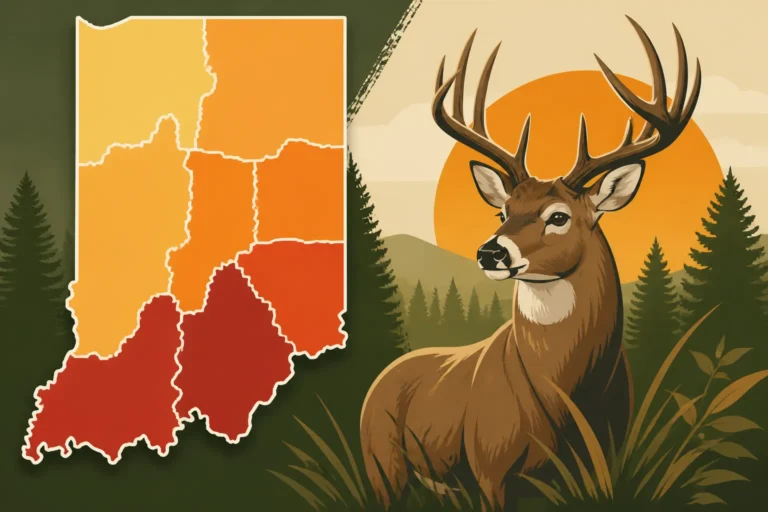
Indiana is a diverse state, from the flat, agricultural fields of the north to the rolling, timbered hills of the south. It stands to reason that the buck age structure would vary significantly depending on where you're hunting. What you experience in Brown County will likely be very different from a hunt near Lafayette.
Southern Indiana Hill Country
When people talk about Why Southern Indiana Grows Big Bucks, part of that equation is often the potential for bucks to reach older age classes. The southern part of the state, with its extensive timber tracts, rugged topography, and larger blocks of public land like the Hoosier National Forest, can offer more refuge for bucks to grow old. These areas often have:
- Lower Human Density: While hunting pressure can still be significant on public lands, the sheer size and difficulty of access in some areas mean bucks can find sanctuaries.
- Diverse Habitat: The mix of hardwoods, dense thickets, and scattered clearings provides excellent cover and varied food sources throughout the year.
- Challenging Terrain: The steep ridges and deep hollers make hunting physically demanding, which can sometimes reduce overall hunter numbers in remote pockets, allowing some bucks to slip through undetected.
It's not uncommon to hear tales of seasoned hunters consistently encountering mature deer in these parts, having learned to navigate the challenging terrain and find those hard-to-reach honey holes. For example, a buck living deep within a secluded cove in the Hoosier National Forest might have a better chance of seeing his fifth birthday than one constantly dodging hunters in a small woodlot bordering a busy highway.
Northern Indiana Farmland and Central Regions
In stark contrast, the northern and central parts of Indiana are characterized by vast agricultural fields, smaller, fragmented woodlots, and higher population densities. This landscape often presents a different set of challenges and, consequently, a different buck age structure.
- Intensive Agriculture: While offering abundant food, the lack of extensive cover in many areas means bucks have fewer places to hide, making them more vulnerable.
- High Hunter Density: With more people living in these regions, hunting pressure on available private and public land tends to be higher.
- Smaller Woodlots: Bucks often live in smaller, isolated timber blocks, forcing them to move more openly between bedding and feeding areas, increasing their exposure to hunters and vehicles.
That's not to say big, old bucks don't exist here – they absolutely do! But they often achieve their age by becoming incredibly nocturnal, utilizing very specific, often overlooked pieces of cover, and adapting to human presence. Hunters often find success by Hunting Northern Indiana Farmland Deer by focusing on small funnels, ditch lines, and brushy fence rows that offer just enough cover for a mature buck to feel secure.
The Role of Specific Counties and Reduction Zones
Beyond these broad regional differences, specific counties can also exhibit unique buck age structures. Some counties might have very liberal antlerless harvest regulations, or conversely, a strong local tradition of "letting young bucks walk."
Indiana also implements Hunting a Deer Reduction Zone in certain areas, typically near urban centers or where deer populations are causing significant damage. While the primary goal of these zones is to reduce overall deer numbers through increased doe harvest, they can indirectly influence buck age structure. If the overall population is brought down, remaining bucks might have better access to resources, potentially leading to better body and antler development, but the increased hunting opportunity could also mean more pressure on all deer.
| Indiana Region | Typical Habitat Profile | General Buck Age Tendency | Influencing Factors |
|---|---|---|---|
| Southern Hills | Extensive timber, rugged terrain, large public land blocks | Older average age | Vast cover allows bucks to escape pressure, challenging terrain can deter some hunters, diverse habitat supports better nutrition. |
| Central Farmland | Fragmented woodlots, intensive agriculture, suburban areas | Mixed, often younger | High human and hunting pressure, limited contiguous cover, bucks adapt to nocturnal movements and small refuges. |
| Northern Farmland | Large agricultural fields, small woodlots, fencerows | Younger average age | High hunter density, less extensive cover, greater visibility means bucks are often exposed earlier in life. |
How Hunters Can Influence and Understand Buck Age Structure
As hunters, we aren't just consumers of the resource; we're also active participants in shaping it. Our individual and collective decisions can have a real impact on the buck age structure in the areas we hunt, and there are tools and strategies we can use to better understand what's happening on our own hunting grounds.
Individual Hunter Decisions and "Passing on Young Bucks"
One of the most direct ways hunters can influence the age structure of bucks is through personal harvest decisions. The "if it's brown, it's down" mentality, while perfectly legal and sometimes necessary for meat, doesn't contribute to an older age structure. The concept of "letting them go to let them grow" has gained traction, encouraging hunters to pass on younger bucks (e.g., 1.5- and 2.5-year-olds) in the hope they'll survive to become mature animals.
This approach requires discipline and can be challenging, especially when a legal buck walks by and you've been sitting for hours. However, on private land, where multiple hunters agree to this management philosophy, it can lead to noticeable improvements in buck age structure over time. Imagine managing your property with this goal, leading to more opportunities to harvest a truly old, wise buck. For those hunting public land, it's a more individual choice, but every decision to pass on a young deer contributes, however small, to the possibility of that deer aging. This choice often leads to a deeper appreciation for the animals and a more fulfilling pursuit.
Utilizing Resources to Gauge Age Structure
Understanding the buck age structure on your specific hunting property or public land parcel starts with good old-fashioned observation and modern tools.
- Scouting: During the off-season, pay attention to rubs, scrapes, and tracks. While not definitive for age, larger sign can indicate an older deer. During the season, simply observing deer can give you clues.
- Trail Cameras: These are invaluable. By running trail cameras year-round (where legal, of course), you can monitor specific bucks over multiple seasons. You can watch a particular buck grow from a spike to a mature 8-pointer, giving you firsthand insight into the age structure of your local area. Consider strategies like Trail Cameras for Deer Reduction Zone Scouting to help you keep tabs on deer movement.
- Harvest Data: While specific, real-time age data isn't always readily available at a hyper-local level, tools and platforms like GoHunt can help you analyze broader harvest trends and look at historical data within certain regions of Indiana. Understanding how many deer are harvested, and the general antler characteristics, can give you an indirect feel for the pressure and potential age. Always check with the Indiana DNR for their latest reports and data as well.
- Field Dressing Observations: Once you've harvested a buck, examine its teeth. This is the most accurate way to determine its age in the field, providing valuable data for your personal records and helping you understand what kind of bucks you're encountering.
The Future of Indiana Buck Age Structure
The management of Indiana's deer herd, including its buck age structure, is an ongoing process. The DNR continuously analyzes harvest data, conducts studies, and listens to hunter feedback to make informed decisions. Hunters play a critical role in this, not just through their harvest decisions, but also by accurately reporting their deer. The more comprehensive the data, the better the management decisions can be.
Future trends in buck age structure will likely be shaped by a combination of factors: evolving hunter ethics and a greater emphasis on quality over quantity, continued habitat management efforts, and any further legislative adjustments. The ability to harvest a variety of species like those discussed in White-Tailed Deer Across Indiana contributes to the overall health and balance of the ecosystem. As technology advances, with apps and platforms like GoHunt offering increasingly detailed insights, hunters will also have more tools at their disposal to make educated decisions and contribute positively to the health and age structure of Indiana's incredible deer herd.
Disclaimer
This article is for general informational purposes only and does not constitute professional advice. Laws, prices and regulations vary by location and change over time. Consult a qualified professional for guidance on your specific situation.