Which County Found Indiana’s First CWD Case
The news about Chronic Wasting Disease (CWD) can send a shiver down any Hoosier hunter's spine, bringing with it a lot of questions and a touch of unease about the future of our deer herd. It's a serious concern, and understanding its presence in our state starts with knowing the initial discovery. This guide is here to shed light on exactly which county registered Indiana's very first confirmed CWD case, what that meant for hunters, and how we're all adapting to this ongoing challenge.
The Initial Discovery: Where Our CWD Journey Began
For years, Indiana hunters watched CWD spread in neighboring states with a mix of dread and hope that it wouldn't cross our borders. Many of us followed the news from Wisconsin, Illinois, and Michigan, hoping Indiana would somehow remain an untouched island in the CWD landscape. Unfortunately, that hope was dashed, and the first confirmed case marked a significant shift in how we approach deer management and hunting practices. It wasn't just a biological finding; it was a moment that underscored the importance of vigilance and community action for every hunter in the state, from the seasoned veteran to the new apprentice.
Pinpointing the First Confirmed Case
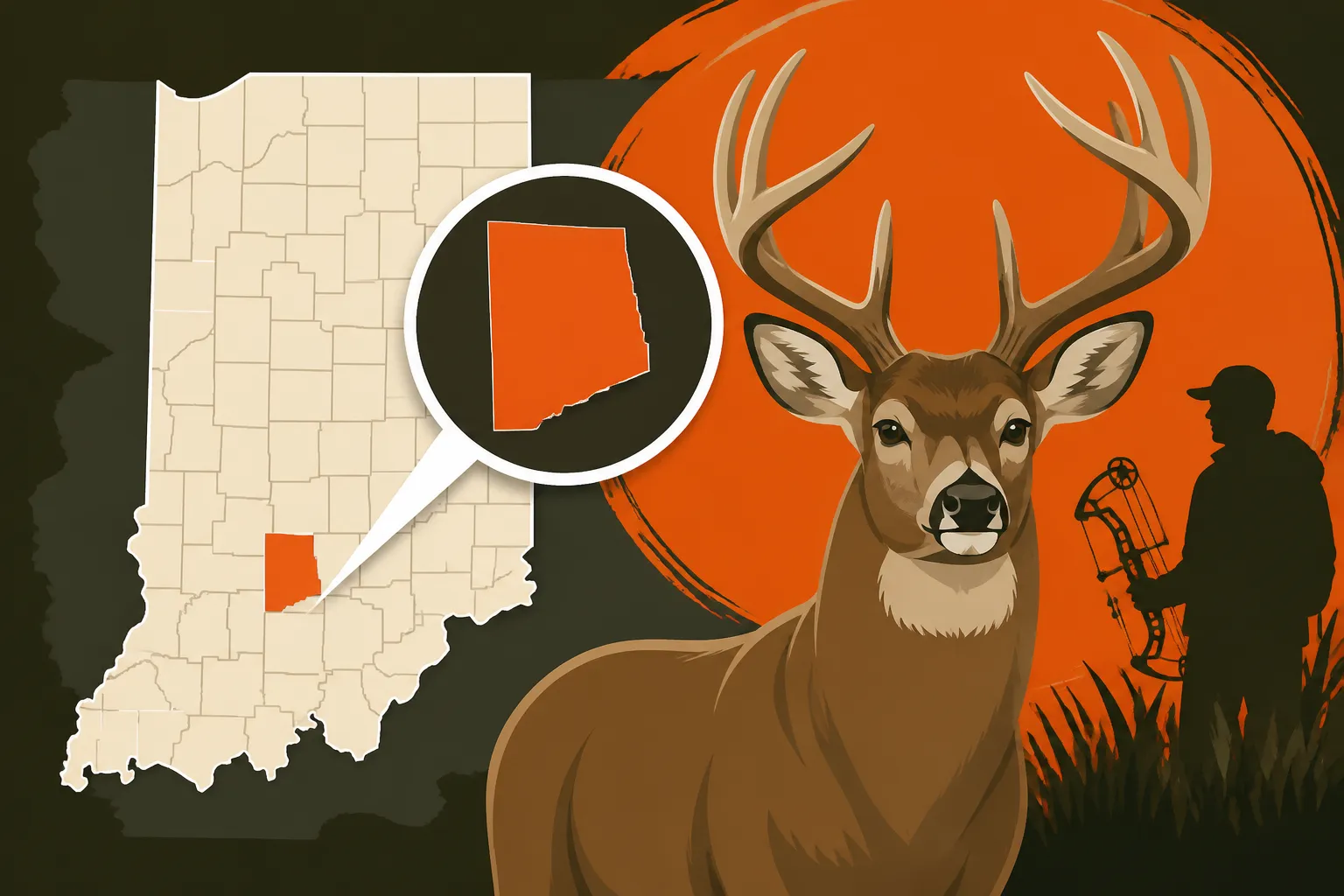
The weight of being the first fell upon LaGrange County, located in the far northeastern corner of our state. Imagine the feeling when that news broke – it wasn't a complete surprise to some wildlife biologists who had been monitoring its creep across the Midwest, but for the average hunter, it was a stark reminder that this wasn't just a "somewhere else" problem anymore. The specific deer was an adult male whitetail, harvested by a hunter during the season, and later confirmed positive through rigorous testing. This wasn't some isolated incident in a research facility; it was a wild deer, living and moving within our hunting grounds, proving that CWD had indeed arrived within Indiana's borders. This initial detection immediately set off alarm bells and triggered a cascade of responses from the Indiana Department of Natural Resources (DNR). It was a moment that cemented the reality of CWD's presence in Indiana.
The Immediate Impact and Hunter Reaction
When the announcement came that LaGrange County had Indiana's first CWD case, the hunting community felt a collective jolt. It wasn't just a headline; for many, it felt personal. Hunters started to question how this would impact their traditions, their favorite hunting spots, and most importantly, the health of the deer they pursued. There was a lot of talk around campfires and online forums, with people wondering about everything from "Is my venison safe to eat?" to "Will I still be able to hunt the same way?" The initial reaction was often one of concern, even a bit of confusion, as the nuances of CWD weren't widely understood by everyone. Suddenly, checking a deer became more than just reporting a harvest; it became a part of a larger, critical disease surveillance effort. Many hunters turned to reputable resources, perhaps even using features on platforms like GoHunt, to sift through the information, understand the new regulations, and find out about testing locations quickly. This initial discovery in LaGrange County truly changed the conversation around deer hunting in Indiana, laying the groundwork for how we now talk about and manage CWD. You can learn more about the broader situation in our guide to Chronic Wasting Disease in Indiana Deer.
Understanding Chronic Wasting Disease: The Silent Threat
To truly grasp the significance of CWD's presence in Indiana, it's vital to understand what this disease is, how it functions, and why it poses such a persistent challenge. It's not like the flu or a bacterial infection that can be treated with antibiotics. CWD is an entirely different beast, earning its moniker as a "silent threat" because of its insidious nature and long-term implications for cervid populations. This knowledge empowers hunters to make informed decisions and contribute effectively to mitigation efforts.
The Prion Problem and Its Nature
At its core, CWD is caused by an abnormal, misfolded protein called a prion. Unlike viruses or bacteria, prions are not living organisms; they are simply proteins that have taken on an incorrect shape. The scary part is that once these abnormal prions enter a deer's system, they act like a rogue agent, prompting other normal proteins in the brain and nervous system to also misfold. Over time, these accumulating misfolded proteins create microscopic holes in the brain, essentially turning it into a sponge-like material. This neurological damage slowly but inevitably leads to the clinical symptoms of CWD. It's a progressive, degenerative disease that is always fatal, and there is currently no known cure or vaccine. This unique and resilient nature of prions is what makes CWD so challenging to manage and contain once it establishes itself in a deer population.
How CWD Spreads Through Deer Populations
CWD spreads through both direct and indirect contact. Direct transmission occurs when an infected deer comes into physical contact with a healthy deer, exchanging saliva, urine, or feces. Imagine deer rubbing antlers, licking each other, or simply sharing a mineral lick – these are all potential pathways. Indirect transmission, however, is where the real problem lies. Infected deer shed prions into the environment through their bodily fluids and even decaying carcasses. These prions are incredibly persistent; they can bind to soil particles, remain viable for years, and even be taken up by plants. This means a healthy deer can contract CWD by simply grazing in an area where an infected deer once stood, or where an infected carcass decomposed. The higher the deer density in an area, the greater the likelihood of both direct and indirect transmission, making areas with robust deer populations, like many parts of Indiana, particularly vulnerable to widespread infection. Understanding these transmission routes is critical for appreciating the difficulty in controlling CWD once it takes hold.
Recognizing the Subtle Signs and Symptoms
Unfortunately, CWD often goes unnoticed in its early stages, which can last for many months, even years. A deer can be infected and spreading prions long before it shows any outward signs of illness. When symptoms do appear, they are usually neurological and behavioral. The most hallmark sign is progressive weight loss, or "wasting," despite the deer continuing to eat. Other common symptoms include lethargy, listlessness, drooping ears, excessive drooling, increased thirst and urination, and changes in behavior such as a loss of fear of humans or an abnormal gait. It's important to remember that these symptoms can also be indicative of other illnesses, injuries, or even malnutrition. This is why visual observation alone is rarely enough for a definitive diagnosis; laboratory testing is the only way to confirm CWD. As hunters, being vigilant and reporting any deer showing these abnormal signs to the Indiana DNR is a crucial part of early detection and management. You can always check official channels or apps like GoHunt for specific contact information to report sick animals. Further information can be found in our comprehensive guide on Reporting a Sick Animal in Indiana.
Indiana's Proactive Response and Ongoing Management
Following the initial detection in LaGrange County, the Indiana DNR wasted no time implementing a robust strategy to monitor, contain, and manage CWD. This wasn't a one-time reaction; it's an ongoing, adaptive process that involves continuous surveillance, public education, and regulatory measures designed to protect our deer herd and hunting traditions. The state’s approach is a testament to the dedication of wildlife professionals and the cooperation requested from the hunting community.
Establishing the Initial CWD Positive Area and Subsequent Expansions
The discovery of CWD in LaGrange County led swiftly to the designation of a "CWD Positive Area." Initially, this core area included LaGrange and Steuben counties, recognizing that the disease doesn't respect county lines and could easily spread between contiguous deer populations. As time progressed and additional CWD-positive deer were identified through surveillance, the boundaries expanded. For instance, you might recall the news detailing Why Noble County Expanded the CWD Positive Area, reflecting the dynamic nature of disease management. These expansions are not taken lightly; they are based on scientific data from testing and mapping deer movement. Understanding Which Six Counties Sit in Indiana's CWD Positive Area is crucial for hunters who frequent these regions, as specific regulations apply there. The goal of defining these zones is to focus intensive surveillance and management efforts where they are most needed, to prevent broader spread across the state.
Mandatory Testing, Enhanced Surveillance, and Sampling Efforts
Within the CWD Positive Area, and often in adjacent or high-risk counties, the Indiana DNR implements mandatory testing of harvested deer during specific periods. This is a critical component of their enhanced surveillance strategy. Hunters who harvest a deer in these designated zones are required to submit a sample for CWD testing. Beyond mandatory testing, the DNR also provides ample opportunities for voluntary testing in other areas, encouraging all hunters to participate. This involves strategically placed check stations, self-serve kiosks, and collaborations with local meat processors who collect samples. Many hunters utilize resources like the Indiana DNR app or online platforms such as GoHunt to easily locate these CWD sampling locations and stay updated on the latest requirements. This extensive sampling effort allows the DNR to track the prevalence and geographical spread of CWD, providing crucial data for their management decisions. Our article on Indiana CWD Testing for Hunters provides a deeper dive into this process.
Carcass Movement Restrictions and Their Importance
One of the most significant preventative measures implemented by the DNR involves restrictions on moving deer carcasses, especially out of the CWD Positive Area. The logic is simple: if you transport an infected carcass across county or state lines, you could inadvertently be transporting prions to new, uninfected areas. To mitigate this risk, hunters are generally restricted to moving only specific parts of a harvested deer out of the CWD Positive Area. These typically include deboned meat, clean skull plates (with antlers attached if desired), capes (without spinal cord material), and finished taxidermy products. The spinal column, brain, and other high-risk tissues are generally prohibited from leaving the area and must be disposed of properly. These regulations are not meant to inconvenience hunters but are vital safeguards to prevent the further spread of CWD throughout Indiana's deer population. For a full breakdown of these rules, please refer to our guide on Indiana Carcass Movement Restrictions. If you're wondering about handling the meat itself, our post on Handling Venison From a CWD Positive Area offers practical advice.
| Feature | Description | Why it Matters for Indiana Hunters |
|---|---|---|
| Causative Agent | Misfolded proteins called prions, not bacteria or viruses. | Cannot be destroyed by cooking; persists in environment. |
| Transmission | Direct contact (deer-to-deer) & Indirect (environment via bodily fluids). | High deer densities increase risk; prions linger in soil. |
| Symptoms | Weight loss, lethargy, drooling, increased thirst. Often hard to spot early. | Many sick deer show no obvious signs; testing is crucial for detection. |
| Impact on Humans | No confirmed cases of CWD in humans, but health agencies advise caution. | Don't consume meat from CWD-positive animals; get deer tested. |
| Management | Surveillance, testing, carcass disposal, targeted harvest in affected areas. | Your participation in reporting and testing directly aids containment. |
What Every Hunter Can Do: Being Part of the Solution
The fight against CWD isn't just up to the DNR; it's a collective effort that requires the active participation and vigilance of every single hunter in Indiana. We are the eyes and ears in the woods, the first line of defense, and our actions play a crucial role in preventing the spread of this devastating disease. Think of it as protecting the future of our hunting heritage – something we all cherish deeply.
Vigilance in the Field and Reporting Suspect Animals
As hunters, we spend countless hours in the woods, observing deer behavior, and that makes us uniquely positioned to spot abnormalities. It's imperative that we remain vigilant in the field, paying close attention to any deer that appears to be sick, unusually lethargic, or exhibiting any of the classic CWD symptoms like severe weight loss, excessive drooling, or neurological issues. If you encounter a deer that you suspect might be diseased, it's crucial to report it to the Indiana DNR immediately. Do not approach or handle the animal unnecessarily. Your timely report provides valuable data that helps wildlife managers track potential new outbreaks and focus their surveillance efforts. Whether you use the official DNR contact numbers or an online reporting tool, your observations can make a real difference in the state's Indiana Wildlife Disease Monitoring efforts.
Responsible Harvest, Processing, and Testing
After a successful harvest, especially if you're hunting in or near the CWD Positive Area, responsible practices become paramount. Always follow the guidelines for submitting your deer for CWD testing, even if it's voluntary in your specific county. Getting your deer tested provides vital information to the DNR about the disease's distribution. When processing your deer, wear gloves and practice good hygiene. Avoid consuming any meat from a deer that tests positive for CWD, or from any animal that appeared sick before harvest. Properly dispose of any high-risk tissues, like the brain and spinal cord, in a designated manner, often at landfills or through DNR drop-offs, to prevent environmental contamination. Always double-check the latest regulations for your specific hunting unit, perhaps using a reliable app like GoHunt or checking the official Indiana DNR website, to ensure you're in compliance.
Staying Informed and Supporting Management Efforts
Regulations and recommendations regarding CWD can and do change as new information becomes available or as the disease status evolves. It's every hunter's responsibility to stay informed about the latest updates from the Indiana DNR. Regularly check their website, subscribe to their newsletters, and pay attention to news releases. By understanding the science behind CWD and the reasons for specific management actions, hunters can become advocates for responsible practices. Support the DNR's efforts by participating in voluntary testing, adhering strictly to carcass movement restrictions, and helping to educate other hunters. Our collective commitment to these measures is the strongest tool we have in minimizing the impact of CWD on Indiana's deer herd and preserving our rich hunting heritage for generations to come. This commitment extends to understanding resources like How Many Deer Have Tested CWD-Positive in Indiana to grasp the scope of the challenge.
Disclaimer
This article is for general informational purposes only and does not constitute professional advice. Laws, prices and regulations vary by location and change over time. Consult a qualified professional for guidance on your specific situation.