Indiana Sandhill Crane Migration
There's nothing quite like the sound of sandhill cranes migrating overhead. That distinct, guttural bugle echoing from the heavens, often long before you can even spot their graceful forms, is a sure sign of the changing seasons here in Indiana. But for many, understanding when and where to actually witness this incredible spectacle can feel like trying to catch smoke. This guide aims to pull back the curtain on the Indiana sandhill crane migration, giving you the insider knowledge to experience one of nature's true marvels right here in the Hoosier State.
Understanding the Sandhill Crane: A Majestic Migrant
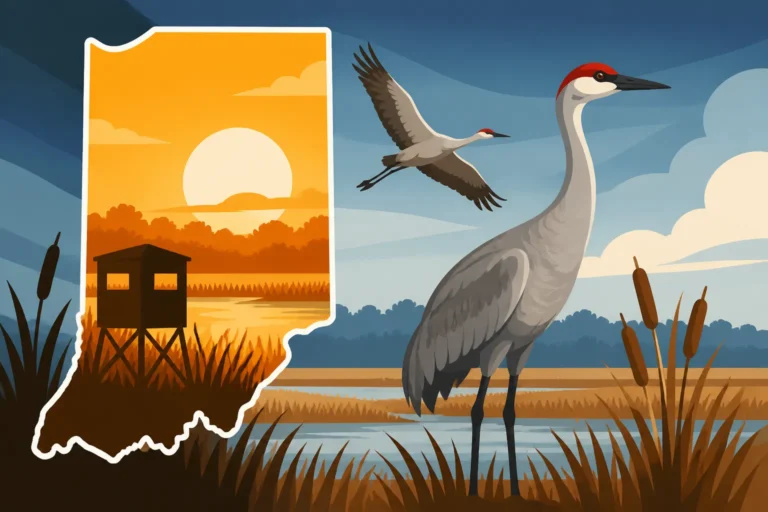
Before we dive into their specific movements through Indiana, it's worth taking a moment to appreciate the sandhill crane itself. These aren't your average wading birds; they're ancient, elegant, and truly awe-inspiring. Standing tall, often over four feet, with an impressive wingspan, they cut a striking figure whether soaring high above or gracefully stalking through a marsh. They possess a wildness that connects us to a primeval past, a living dinosaur that graces our skies.
Distinctive Features and Calls
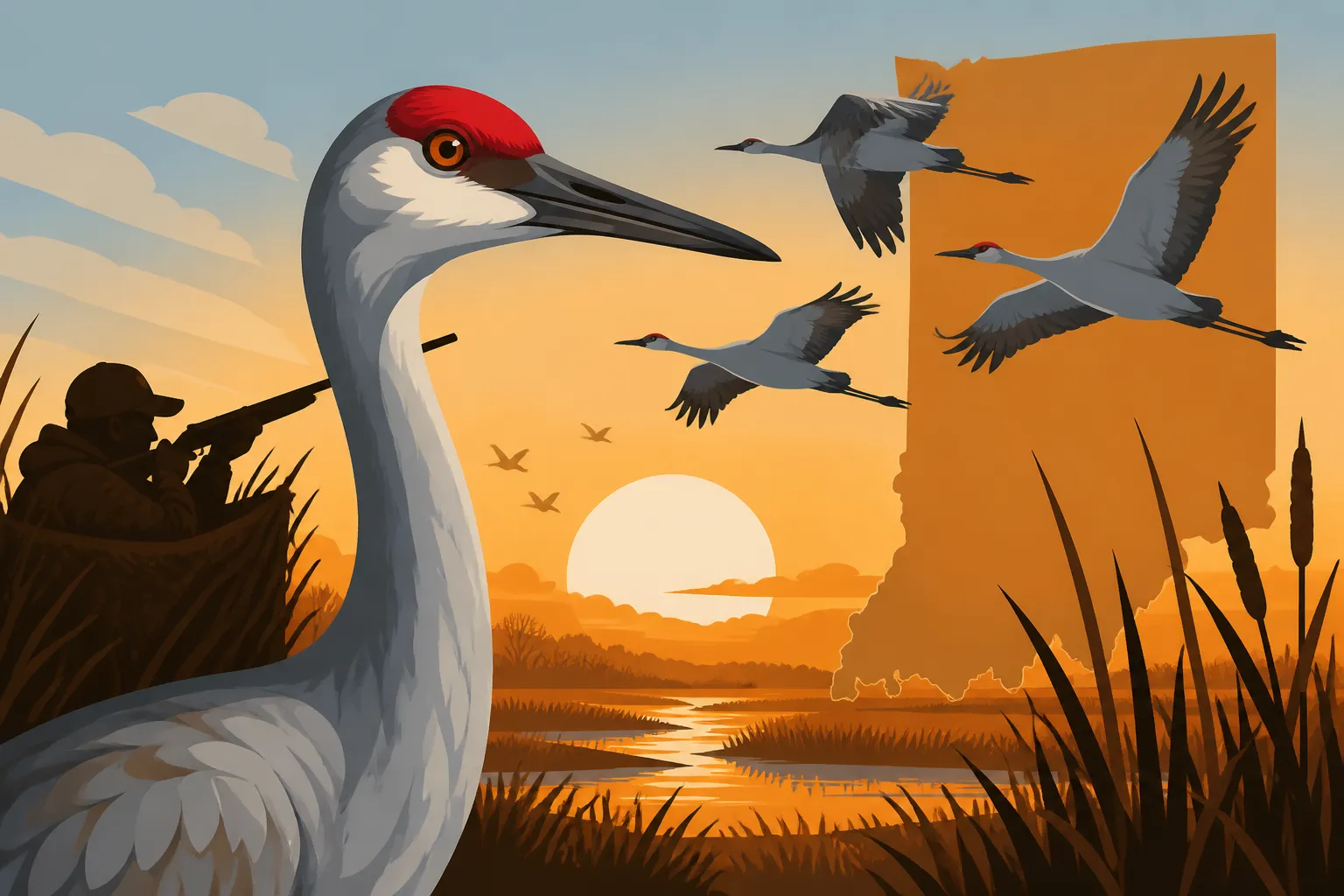
You'll recognize an adult sandhill crane by its overall gray plumage, often tinged with rusty brown, particularly on the back and wings, thanks to iron staining from the wetlands they frequent. The most distinctive feature, however, is the patch of bare, reddish skin on their crown. Juveniles will lack this red cap and appear more uniformly brown. Their long legs and neck, coupled with a relatively short tail, give them an unmistakable silhouette both on the ground and in flight.
But beyond their looks, it's their voice that truly sets them apart. Their call is a loud, rolling, trumpeting bugle, produced by a long trachea that coils into their sternum, acting like a resonating chamber. When thousands of these birds gather, especially at dawn or dusk, the cacophony is something you have to hear to believe. It’s a sound that carries for miles, a truly wild symphony that signifies their presence. Hearing that sound, even if you can’t see them, is enough to send shivers down your spine and remind you of the vastness of the natural world. It's a sound that feels both ancient and incredibly vital.
Sandhill Crane Subspecies in Indiana
While there are several subspecies of sandhill cranes across North America, the vast majority of cranes you'll encounter during migration through Indiana belong to the Eastern Population of the Greater Sandhill Crane. These are larger birds, typically breeding in the upper Midwest and Canada, and migrating south for the winter. It’s a population that has seen remarkable recovery over the last few decades, thanks to conservation efforts and increased awareness. Sometimes, a few Lesser Sandhill Cranes, a smaller subspecies, might also pass through, but they are less common in our flyway. However, for most of us, identifying them on the wing or even on the ground is a challenge, and it's simply the thrill of seeing any sandhill crane that truly captures our attention.
The Indiana Flyway: A Crucial Stopover
Indiana sits squarely within a vital migratory corridor for the Eastern Population of sandhill cranes. Our state's landscape, with its mix of agricultural fields, shallow wetlands, and scattered woodlands, provides exactly what these birds need to fuel up and rest during their arduous journeys. For birds traveling thousands of miles, a reliable stopover like Indiana isn't just a convenience; it's a matter of survival.
The Eastern Population's Journey
The Eastern Population of sandhill cranes breeds primarily in states like Michigan, Wisconsin, and parts of Canada. As the days shorten and temperatures drop in the fall, these birds begin their southerly migration, funneling through Indiana on their way to traditional wintering grounds, predominantly in Florida and southern Georgia. In the spring, the entire process reverses, as they make their way back north to their breeding territories. This annual pilgrimage is a testament to their incredible navigational abilities and endurance.
Imagine being one of these birds, traveling hundreds of miles in a single day, pushed by winds, guided by an innate sense of direction. It’s an exhausting journey, and that’s where Indiana comes in. We offer a critical pause, a place to refuel and recover, before the next leg of the journey. Many of these birds have followed the same routes for generations, and our state has become an indispensable part of their inherited map.
Stopover Importance and Fueling Up
Indiana's importance as a stopover cannot be overstated. Cranes are omnivores, and during migration, they rely heavily on waste grain left in harvested agricultural fields—especially corn. These fields provide a high-energy food source vital for building fat reserves needed for continued flight. Alongside these fields, our state's numerous shallow wetlands, marshes, and even flooded agricultural areas provide safe roosting sites. These birds prefer to spend the night standing in shallow water, offering protection from ground predators.
Think about it: after a long day of flying, a crane needs to land somewhere safe, eat a hearty meal, and rest undisturbed. Indiana’s landscape, with its patchwork of fields and water, often provides just that. These stopovers are not just quick breaks; cranes might spend several days or even a few weeks in an area if conditions are good, allowing them to thoroughly replenish their energy stores. If you're using a tool like GoHunt to scout for hunting opportunities, sometimes you might also pick up on areas that would be ideal for crane viewing, just by looking at the mix of agriculture and wetlands.
Peak Migration Periods in Indiana
Timing is everything when it comes to witnessing the sandhill crane migration. While individual birds might pass through earlier or later, there are definite windows when their numbers swell, making for truly unforgettable experiences. Missing these windows can mean seeing only a handful, rather than the thousands that can gather.
Fall Migration Timing and Patterns
The fall migration typically begins in earnest in late September, with small numbers of cranes starting to appear. However, the real spectacle unfolds from mid-October through November. This is when the largest concentrations build up, especially in major staging areas. As winter approaches and food sources further north diminish, more and more birds pour into Indiana.
During this period, you’ll often see large flocks circling high overhead, catching thermals to conserve energy as they drift south. On the ground, thousands can gather in specific fields or wetlands. It's truly a sight to behold, a landscape dotted with gray forms and alive with their ancient calls. If you're out Scouting Indiana Public Land Before Season, keep an eye—and ear—out for these birds as you're checking game sign. Their presence is a vibrant part of Indiana's fall wildlife tapestry.
Spring Migration: The Return North
While the fall migration often gets more attention due to the massive staging numbers, the spring migration is equally impressive, though perhaps more spread out. Cranes begin their northward journey as early as late February, but the peak migration period usually runs through March and into early April. As snow melts and temperatures rise, they start to push north, eager to reach their breeding grounds.
In the spring, you might observe smaller, more dispersed flocks than in the fall, as they often travel more directly once they've had a chance to rest and feed. However, large groups still gather in key stopover points if harsh weather temporarily halts their progress. The urgency of returning to breed often means they're not lingering as long as they might in the fall. Still, seeing them against a backdrop of budding trees and emerging green is a powerful reminder that winter's grip is finally loosening.
Weather's Influence on Migration
Weather plays a huge role in the timing and intensity of crane migration. Strong cold fronts pushing down from the north in the fall can trigger massive movements of birds, bringing thousands into Indiana overnight. Conversely, a prolonged period of warm weather can delay their departure from northern breeding grounds.
In the spring, sustained southerly winds act as a tailwind, helping birds conserve energy and push quickly northward. A sudden cold snap or persistent northerly winds can cause birds to "stack up" in Indiana, delaying their journey and concentrating them in our staging areas. Monitoring weather patterns, particularly wind direction and temperature shifts, can give you an edge in predicting when the best crane viewing opportunities will arise. This dynamic interaction between bird and climate is a constant marvel, and understanding it can make your crane-watching efforts much more fruitful.
Key Indiana Viewing and Staging Areas
You don't have to travel far to see sandhill cranes in Indiana, but knowing where they prefer to gather will significantly increase your chances of witnessing large numbers. Certain public lands and even private agricultural fields become major hubs during peak migration.
Public Lands Known for Cranes
Indiana is fortunate to have several publicly accessible areas that are renowned for sandhill crane viewing. These areas often feature a combination of shallow wetlands for roosting and nearby agricultural fields for feeding, making them ideal stopover points.
- Jasper-Pulaski Fish and Wildlife Area (FWA): This is, without a doubt, the epicenter of sandhill crane viewing in Indiana. Located in northwest Indiana, Jasper-Pulaski is specifically managed to provide habitat for migratory birds. During peak fall migration, literally tens of thousands of cranes can be present. The Indiana DNR maintains observation decks and viewing areas, making it incredibly accessible for visitors. It's an experience that truly redefines what "a lot of birds" means. The sheer number of cranes, their calls, and their synchronized flights are something you'll never forget. This area is a prime example of Indiana Fish and Wildlife Areas playing a crucial role in wildlife conservation.
- Muscatatuck National Wildlife Refuge (NWR): Down in southern Indiana, Muscatatuck NWR offers another excellent opportunity, particularly during the spring migration. While not typically seeing the massive numbers of Jasper-Pulaski, it regularly hosts thousands of cranes, along with a diverse array of other waterfowl. The refuge has driving tours and observation points that make viewing easy.
- Kankakee Sands Prairie and Savanna: This impressive restoration project, managed by The Nature Conservancy, also in northwest Indiana, has become an increasingly important stopover for cranes. While they might utilize the protected marshes for roosting, the surrounding restored prairies and agricultural fields offer feeding opportunities. If you're interested in Hunting Kankakee River Marsh Waterfowl, you'll likely find sandhill cranes using similar areas, showcasing the biodiversity of these unique habitats.
- Other FWAs and State Forests: Many other state-managed properties, especially those with wetland components or adjacent agricultural fields, will host smaller flocks of cranes. Areas like Willow Slough FWA or Kingsbury FWA can see significant numbers depending on water levels and food availability. Always check the individual property rules and any specific viewing guidelines. Using resources like GoHunt or the Indiana DNR website can help identify more localized hotspots throughout the state.
Private Land Observations and Field Use
It's not just public lands where you'll find cranes. These adaptable birds frequently utilize private agricultural fields, particularly large cornfields that have been harvested. After the combine has gone through, significant amounts of waste grain remain, providing a feast for thousands of cranes. These fields also offer open sightlines, which cranes prefer for security.
You might spot them in recently harvested soybean fields as well, though corn is typically their preferred food source. Often, adjacent flooded fields or shallow ponds on private property will serve as communal roosting sites. While you should never trespass to view wildlife, it’s not uncommon to see large flocks of cranes from public roads that run alongside these private farm fields. Always respect private property boundaries and view from a safe distance. A good pair of binoculars or a spotting scope can make roadside viewing much more rewarding. Understanding Indiana Trespass and Permission Law is crucial for any outdoor enthusiast.
Sandhill Cranes and Other Indiana Wildlife
The presence of thousands of sandhill cranes creates a dynamic ecological scene, influencing and interacting with other wildlife species in Indiana. They are a prominent, albeit temporary, fixture in our ecosystems during their migratory periods.
Interactions with Waterfowl and Other Birds
Where you find sandhill cranes, you often find other migratory birds. Wetlands and flooded fields used by cranes for roosting are also critical habitats for various waterfowl species, including mallards, geese, and various dabbling and diving ducks. It’s not uncommon to see cranes feeding in the same fields as large flocks of Canada geese, though usually, cranes maintain a slight distance.
The sheer volume of birds in these staging areas creates a vibrant, bustling environment. Shorebirds might also utilize the shallow edges, and various raptors, like northern harriers or red-tailed hawks, can often be seen circling overhead, drawn by the abundance of potential prey. This intermingling of species highlights the importance of these diverse habitats for the entire migratory bird community. If you're out to appreciate Indiana Waterfowl Migration Timing, you're likely to experience the crane migration firsthand as well.
Impact on Agricultural Lands
While cranes are a natural wonder, their impressive numbers can sometimes lead to conflicts with agricultural interests. As mentioned, they primarily feed on waste grain in harvested fields. However, they can sometimes forage in newly planted fields, particularly those with corn or soybeans, where they might pull up seedlings to get at the seed. This can lead to crop damage, which is a real frustration for farmers.
Farmers often employ various deterrents, such as propane cannons, scarecrows, or even hazing techniques, to keep cranes out of vulnerable fields. It’s a delicate balance between conserving this magnificent species and supporting the livelihoods of Indiana’s agricultural community. The vast majority of their foraging, however, is beneficial or benign, cleaning up spilled grain that would otherwise rot or attract rodents. It's a complex relationship that requires ongoing management and understanding from all sides.
Conservation Efforts and Challenges
The story of the sandhill crane's recovery is a conservation success story, but their future still faces challenges. Understanding these efforts and threats is crucial to appreciating the long-term health of this iconic migratory bird.
Habitat Protection and Restoration
A significant reason for the sandhill crane's comeback in Indiana and across its range is dedicated habitat protection and restoration. Organizations like the Indiana Department of Natural Resources (DNR), The Nature Conservancy, and the U.S. Fish and Wildlife Service have invested heavily in acquiring, managing, and restoring wetlands and grasslands. Jasper-Pulaski FWA is a prime example of this, where land is actively managed to create ideal conditions for cranes, from controlling water levels to planting specific food crops.
These efforts aren't just about the cranes; they benefit countless other species that rely on healthy wetland and grassland ecosystems. Private landowners also play a crucial role, often participating in conservation programs that enhance habitat on their property. This collaborative approach, from government agencies to non-profits and private citizens, is what truly makes a difference. Anyone interested in wildlife conservation in Indiana should certainly check out what's being done at places like Muscatatuck National Wildlife Refuge Hunting or Patoka River National Wildlife Refuge Hunting, which are critical for many species.
Threats from Habitat Loss and Climate Change
Despite conservation successes, sandhill cranes still face significant threats. Perhaps the most pressing is ongoing habitat loss, particularly the draining and conversion of wetlands for agriculture or development. While some areas are protected, the overall trend of wetland loss in many parts of the country continues to put pressure on migratory bird populations. Every acre of marsh or floodplain forest that disappears means one less place for cranes to rest, feed, or potentially even breed.
Climate change also poses a long-term threat. Shifts in weather patterns, including more extreme droughts or floods, can impact food availability and the suitability of critical stopover and wintering grounds. Changes in temperature can also alter the timing of insect hatches and plant growth, potentially disrupting the delicate synchronization between migration and food resources. Diseases like Avian Influenza in Indiana Birds are also a concern, especially with large numbers of birds congregating, which could potentially spread illness rapidly.
It's a stark reminder that even seemingly robust wildlife populations need our continued vigilance and support. The majestic sight and sound of the sandhill crane migration are a powerful call to action, reminding us of our shared responsibility to protect the wild places and wild creatures that make Indiana such a special place to live.
Planning Your Sandhill Crane Viewing Trip
Ready to experience this amazing spectacle for yourself? Here’s a quick guide to help you plan your crane viewing adventure in Indiana.
| Aspect | Fall Migration (Peak) | Spring Migration (Peak) | Key Viewing Locations | Best Times of Day | Tips for Success |
|---|---|---|---|---|---|
| Months | Mid-October to Mid-November | March to Early April | Jasper-Pulaski FWA, Muscatatuck NWR, Kankakee Sands | Dawn & Dusk | Dress warmly, bring binoculars/spotting scope, arrive early, be patient, respect wildlife and private land. |
| Crane Behavior | Large staging flocks, feeding in fields, roosting in wetlands. | More dispersed, direct travel, resting in stopovers. | Public lands, private agricultural fields (view from road). | Morning & Evening | Check weather forecasts (cold fronts/south winds), use apps like GoHunt for mapping, observe from a distance. |
| Numbers | Tens of thousands | Thousands | Any FWA or NWR with wetlands and agricultural fields nearby. | All Day (less active) | Listen for their calls, look for specific field types, bring a camera, minimize disturbance. |
Remember, observing wildlife requires patience and respect. Keep your distance, use binoculars or a spotting scope for close-up views, and avoid any actions that might disturb the birds. Their ability to rest and feed undisturbed is critical to their survival during migration.
Disclaimer
This article is for general informational purposes only and does not constitute professional advice. Laws, prices and regulations vary by location and change over time. Consult a qualified professional for guidance on your specific situation.