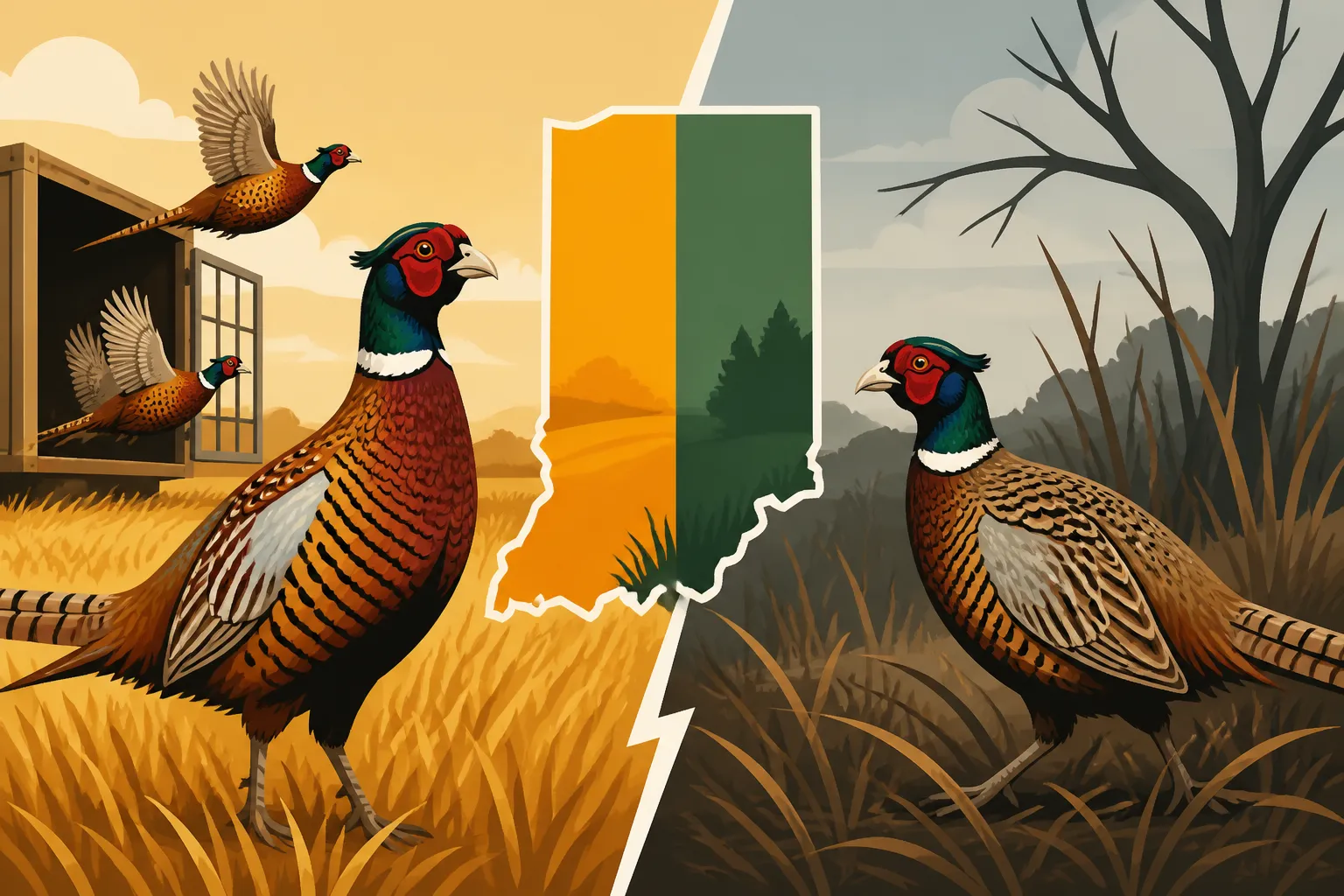
Indiana’s Stocked Versus Wild Pheasants
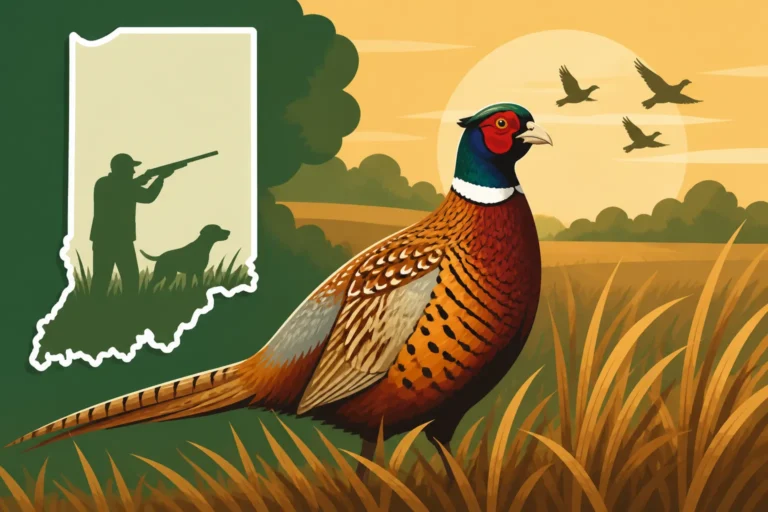
Oh, the memories of a crisp fall day, the rustle of cornstalks, and then… WHIRRRRRR! The explosive flush of a rooster pheasant, startling you to your core, followed by the satisfying boom of a shotgun. For many Hoosiers, those days of widespread wild pheasants are largely a cherished memory, replaced by a different, though still rewarding, hunting experience. It can be frustrating to hear old timers wax poetic about endless wild birds when you're struggling to find even one. This guide is here to shed light on Indiana's pheasant hunting landscape, differentiating between the elusive wild birds and the more accessible stocked pheasants, and giving you the realistic rundown on where and how to pursue both.
The Golden Age: Wild Pheasants of Yesteryear
It’s hard for younger hunters to imagine, but Indiana was once a haven for wild ring-necked pheasants. They weren't native, mind you, having been introduced from Asia in the late 1800s and early 1900s, but they absolutely thrived in our agricultural landscape for decades. Their vibrant colors and explosive flight made them a prized game bird, and pursuing them with a good bird dog was a quintessential fall experience for generations.
Historical Abundance and Habitat
Back in the mid-20th century, especially from the 1940s through the 1960s, pheasants were widespread across much of central and northern Indiana. Think about what the landscape looked like then: smaller farm fields, more diverse crop rotations, abundant fencerows crisscrossing the countryside, and plenty of idle lands and fallow fields. This patchwork mosaic of small grains, hayfields, pastures, and brushy cover was absolutely perfect for pheasants. They needed tall grass for nesting and roosting, standing grain for winter food, and thick cover like fencerows and cattail sloughs for escape from predators and harsh weather. Farmers often left portions of fields unharvested, providing critical winter forage and cover. It was a symbiotic relationship between agriculture and wildlife that benefited these beautiful birds immensely.
Reasons for Decline
Sadly, those glory days are largely behind us, and the decline of wild pheasants across much of the Midwest, including Indiana, is a heartbreaking story of habitat loss. The post-World War II agricultural boom brought with it a shift towards larger-scale, more intensive farming practices. Suddenly, those "inefficient" fencerows were ripped out to make way for bigger equipment and maximize tillable acreage. Hayfields, crucial for nesting hens, were converted to row crops like corn and soybeans, which are harvested before pheasants can successfully raise a brood.
Furthermore, the drive for "clean farming" meant less idle ground, fewer weedy field edges, and increased pesticide use, which reduced the insect populations that young pheasants need for protein. Urban and suburban sprawl also ate away at prime habitat, converting farmlands into housing developments and commercial zones. Add to this the natural pressures of predation from raccoons, skunks, and coyotes, and the changing climate patterns, and you have a perfect storm that decimated wild pheasant populations. Hunters saw fewer and fewer birds each year, and the sound of a wild rooster flush became increasingly rare outside of very specific, managed areas.
Indiana's Pheasant Stocking Program
Recognizing the desire among hunters to experience pheasant hunting, and the reality of declining wild populations, the Indiana Department of Natural Resources (DNR) stepped in decades ago with a pheasant stocking program. This program isn't about re-establishing wild populations in most areas – that would require massive habitat changes beyond the DNR's scope – but rather about providing direct hunting opportunities for hunters.
Purpose and Goals
The primary goal of Indiana's pheasant stocking program is straightforward: to provide a put-and-take hunting experience. This means birds are raised in captivity and released shortly before or during the hunting season specifically for hunters to pursue and harvest. It offers a chance for folks, especially those without access to private land with remnant wild populations, to enjoy a pheasant hunt. It’s also a fantastic way to introduce new hunters, particularly youth, to upland bird hunting, as the birds tend to hold better for dogs and are generally more accessible than their wild counterparts. While it doesn't replicate the challenge of truly wild bird hunting, it keeps the tradition alive and provides a valuable recreational outlet. This approach allows hunters to still experience the thrill of the flush and the satisfaction of working with a bird dog, even if the genetic makeup and behavior of the birds are a bit different.
Key Stocking Locations
The DNR carefully selects specific properties for its pheasant releases, primarily state Fish and Wildlife Areas (FWAs) that have suitable habitat, are open to public hunting, and can handle the increased hunter pressure. These locations are strategically chosen to ensure a reasonable chance of success for hunters. Some of the most well-known FWAs in Indiana that regularly participate in the pheasant stocking program include:
- Willow Slough Fish and Wildlife Area: Located in Newton County, this FWA is a classic for waterfowl and upland birds, and a regular for pheasant releases.
- Winamac Fish and Wildlife Area: Up in Pulaski County, Winamac offers diverse habitats and is a popular spot for stocked pheasants.
- Atterbury Fish and Wildlife Area: In Johnson County, Atterbury is close to Indianapolis and provides accessible opportunities.
- Tri-County Fish and Wildlife Area: Found in Kosciusko, Elkhart, and Noble counties, this FWA is another popular destination.
- Glendale Fish and Wildlife Area: Down in Daviess County, Glendale serves hunters in southern Indiana.
- Pigeon River Fish and Wildlife Area: Located in Lagrange and Steuben counties, this is a prime spot in northeast Indiana.
Before heading out, always check the Indiana DNR website or the Go Outdoors Indiana app for the most current information on specific release dates and locations, as these can change annually. Many of these areas require a special "put-and-take" pheasant hunt permit in addition to your general hunting license, so make sure you're properly licensed up. More details can be found by researching Indiana Pheasant Permit Requirement, which outlines what's needed.
Program Details and Timing
The pheasant stocking program usually kicks off around the general opening of Indiana's small game season in early November and continues through specific periods, often into mid-January. The birds are typically released in batches multiple times throughout the season to ensure ongoing opportunities. These releases often occur on Fridays, making for popular weekend hunts.
Hunters should be aware that these birds, while feisty, are pen-raised. This means they might behave differently than truly wild pheasants. They might hold tighter, run less, or sometimes seem a bit disoriented initially. However, they quickly adapt to their new surroundings, and with enough pressure, they can become quite wary. Using a good bird dog is still highly recommended, not only to locate birds but also to help retrieve them in thick cover, preventing lost game. While the daily bag limit for pheasants in Indiana is usually two cocks (males) during the put-and-take season, always double-check the current regulations, which can be found in the comprehensive guide on Indiana Small Game Season Rules.
Hunting Stocked Pheasants: A Different Kind of Challenge
Hunting stocked pheasants definitely has a different feel compared to the pursuit of truly wild birds. It’s not necessarily easier, but the challenge shifts from finding the bird to working the cover effectively and getting a good shot when it flushes. This is where good strategy, dog work, and knowing the terrain of the Fish and Wildlife Area really pay off.
Tactics for Stocked Birds
When you're chasing stocked pheasants on an FWA, you're not trying to find a needle in a haystack; you're trying to find a needle that's been dropped into a smaller, more defined haystack that many other hunters are also searching. These birds are often released into specific blocks of habitat, usually dense fields of switchgrass, standing corn, or sorghum food plots designed for cover. The key is to systematically work these areas.
- Walking Slowly and Methodically: Don't just wander. Walk in a grid pattern or a line with your hunting partners (if you have them), covering every inch of likely cover. Pheasants, especially newly released ones, will often hold tight, relying on camouflage.
- Utilize a Good Dog: This is paramount. A well-trained flushing dog, like a Labrador Retriever or a Springer Spaniel, can root out birds holding tight in heavy cover. A pointing dog, like a German Shorthaired Pointer or English Setter, can be just as effective, allowing you to move into position for the shot. Even with stocked birds, a solid retrieve is crucial to ensure you don't lose wounded game. Consider investing in Bird Dog Gear for Indiana Cover to make sure your canine companion is ready for the hunt.
- Anticipate the Flush: These birds can explode at your feet. Be ready. Keep your gun shouldered and your eyes scanning ahead, particularly in thick spots.
- Work the Edges: Pheasants will often use the edges of fields or transitions in cover. Walk along fencerows, ditch banks, and the perimeter of food plots.
- Re-Work Areas: Don't be afraid to circle back and re-hunt a good piece of cover, especially later in the day. Birds that were missed or ran might have settled back in.
Hunter Experience and Expectations
It’s important to set realistic expectations for hunting stocked pheasants. While it offers exciting flushes, it won't always feel like a wilderness adventure. You'll likely encounter other hunters, especially on opening weekends. The birds themselves might not be as "wild" or wary as those that have lived their entire lives in the wild. However, that doesn't diminish the fun or the challenge. The thrill of a flushing rooster is universal, and the opportunity to work your dog and spend time afield is invaluable. For many, it's a social hunt, enjoyed with friends or family, and often concludes with a delicious pheasant dinner. Think of it as a guaranteed chance to participate in a storied tradition, rather than a quest for a truly wild trophy.
Finding Stocked Areas
Finding where these birds are released is relatively simple. The Indiana DNR publishes a list of participating Fish and Wildlife Areas and often provides maps of the specific hunt units or fields where birds are stocked. Your first stop should always be the DNR's website or the Go Outdoors Indiana platform, which is also where you can often purchase the required put-and-take pheasant license. Additionally, digital mapping tools can be a huge asset. While GoHunt is often associated with big game, its detailed mapping capabilities can be extremely useful for small game hunters in Indiana. You can use it to identify public land boundaries, analyze topography, and even get a clearer picture of the different habitat types within a specific FWA, helping you plan your route and strategize your approach for hunting specific areas within the larger property.
Where Wild Pheasants Persist in Indiana
Despite the widespread decline, pockets of wild pheasants still cling to existence in Indiana. These birds are a testament to resilient genetics and the presence of critical, undisturbed habitat. Finding and hunting these truly wild roosters is a much more challenging and often more rewarding endeavor for the dedicated upland hunter.
Remaining Habitat Strongholds
Wild pheasants are primarily found in specific regions where habitat conditions have remained somewhat intact or where conservation efforts have made a significant impact. Historically, the best wild pheasant country was found in northeast Indiana (counties like Noble, LaGrange, Steuben, DeKalb, Allen, and Whitley) and parts of northwest Indiana. These areas often still retain a higher proportion of diverse agriculture, including small grains, hayfields, and more unkempt fencerows and wetlands.
The key to these strongholds is the continuous presence of:
- Diverse Crop Rotations: Farmers who still plant alfalfa, clover, or small grains (like oats or wheat) provide crucial nesting and brooding cover.
- Thick, Undisturbed Cover: Wide, brushy fencerows, cattail marshes, natural grass buffers around waterways, and Conservation Reserve Program (CRP) lands are vital. These areas offer escape cover, winter thermal protection, and roosting sites.
- Lower Human Population Density: Less development means fewer disturbances and more uninterrupted habitat.
If you're really committed to finding wild birds, you'll need to spend time scouting these particular regions and identifying private lands or small, less-pressured public parcels that exhibit these habitat characteristics. Sometimes, even Hunting Small Private Tracts in Indiana with excellent habitat can hold these elusive birds.
Characteristics of Wild Birds
Wild pheasants are a different animal altogether compared to their pen-raised cousins. They are survivors, honed by generations of evading predators and hunters.
- Extreme Wariness: These birds are incredibly sharp. They'll hear you coming long before you see them. They often run long distances ahead of dogs and hunters, using cover to their advantage, only flushing as a last resort.
- Elusive Flushes: When a wild rooster does flush, it's usually explosive and unexpected, often far out of shotgun range. They fly fast and hard, disappearing into the nearest heavy cover in seconds.
- Habitat Savvy: Wild pheasants know their home range intimately. They utilize every ditch, fencerow, and patch of weeds for cover, movement, and escape. They’re experts at staying hidden.
- Physical Toughness: These birds are lean, strong, and fast. They can withstand harsh winter conditions better than their stocked counterparts, thanks to their natural resilience.
Hunting wild pheasants demands patience, excellent dog work, and a deep understanding of pheasant behavior and habitat.
Scouting for Wild Birds
Finding truly wild pheasants requires a significant commitment to scouting, often outside of the hunting season. This isn't a "show up and hunt" scenario.
- Map Reconnaissance: Start with aerial imagery. Use online mapping tools, or even platforms like GoHunt, to identify promising areas. Look for the "stripes and squares" of diverse agriculture, wide fencerows, un-mowed ditches, marshes, and CRP fields. Pay close attention to areas that connect different types of cover. This skill is critical, and often overlaps with general principles like Reading Aerial Photos for Southern Indiana Deer, just applied to a different species and habitat.
- Spring and Summer Recon: Drive the back roads in promising counties. In late spring, listen for crowing roosters at dawn – a sure sign of wild birds. In summer, look for hens with broods along roadsides in the early mornings or late evenings. Note down locations where you see birds or good habitat.
- Knocking on Doors: Since most remaining wild pheasant habitat is on private land, gaining permission from landowners is absolutely crucial. Be polite, offer to share game, and respect their property. Establishing a good relationship can open up incredible hunting opportunities.
- Look for Sign: Even without seeing birds, you can find clues. Look for tracks in muddy spots or snow, dusting bowls where birds have cleaned themselves, and droppings. In the fall, look for areas with waste grain or natural food sources adjacent to thick cover.
Successful wild pheasant hunting is a passion project, a true testament to the hunter's dedication and persistence. For those who seek it, the reward of a wild rooster flush is unparalleled. When heading out, make sure you're equipped with the right gear. Choosing a proper shotgun, as outlined in Shotguns for Indiana Pheasant and Small Game, is just as important as knowing where to look.
Hunting Both Types of Pheasants: A Comparative Look
To give you a clearer picture, let's break down the key differences between hunting stocked and wild pheasants in Indiana. Understanding these distinctions can help you tailor your expectations and tactics, leading to a more satisfying experience, no matter which type of bird you're pursuing.
| Feature | Stocked Pheasants | Wild Pheasants |
|---|---|---|
| Availability | High in designated FWAs during season | Very low, isolated pockets, mostly private land |
| Behavior | May hold tight, run less, sometimes disoriented initially | Extremely wary, prone to running, flush far out, highly elusive |
| Habitat Preference | Managed food plots, switchgrass, defined cover blocks on FWAs | Diverse agriculture, wide fencerows, wetlands, dense natural cover |
| Hunting Pressure | High on public stocking days, especially weekends | Low to moderate, often on private land, requires more effort to find |
| Dog Work | Highly beneficial, helps locate holding birds and retrieve | Essential, requires experienced, wide-ranging dog with good nose |
| Challenge Level | Moderate – finding the bird is less the issue than working the cover effectively | High – finding the bird is the primary challenge, requiring extensive scouting |
| Typical Location | Indiana Fish and Wildlife Areas (FWAs) | Northeast Indiana, specific private land tracts, select public areas |
| Permit Needs | Standard Indiana hunting license + Put-and-Take pheasant permit | Standard Indiana hunting license |
Conservation Efforts and Future Outlook
While the widespread return of wild pheasants across Indiana might be a long shot, that doesn't mean conservation efforts aren't important or that there's no hope for local populations. Dedicated individuals, conservation organizations, and government programs are working tirelessly to improve habitat for pheasants and many other ground-nesting birds.
Habitat Restoration Initiatives
The primary driver for any wild pheasant recovery is habitat, habitat, habitat. Several programs and initiatives are focused on this:
- Conservation Reserve Program (CRP): This federal program pays landowners to take environmentally sensitive land out of agricultural production and plant it with grasses and trees for a set period. CRP fields provide excellent nesting, brooding, and winter cover for pheasants, as well as many other wildlife species. These are often the bright spots on aerial maps for small game hunters.
- Pheasants Forever (PF): This incredible organization is dedicated to pheasant and other wildlife habitat. PF chapters in Indiana work directly with landowners, offering technical assistance and even financial incentives to establish and maintain pheasant-friendly habitat. They focus on planting native grasses, creating food plots, and restoring wetlands. Supporting local PF chapters is one of the best ways to contribute to wild pheasant recovery.
- Indiana DNR Programs: The DNR actively manages habitat on its Fish and Wildlife Areas, often with pheasants and other upland birds in mind. This includes prescribed burns, mowing rotations, and planting specific cover crops. They also offer advice and resources for private landowners interested in improving wildlife habitat.
These initiatives are crucial, and any hunter who cares about the future of upland hunting in Indiana should consider getting involved or at least supporting these efforts.
Challenges and Hopes
The challenges facing wild pheasants in Indiana are immense. The economic pressures on farmers to maximize crop production make it difficult to set aside land for wildlife. Habitat fragmentation, ongoing development, and even changing weather patterns pose significant hurdles. However, there is hope.
Modern agriculture is evolving, and there's a growing awareness of the benefits of conservation practices, both for soil health and wildlife. Precision agriculture might allow for more targeted habitat creation without sacrificing too much production. Climate-resilient crops and diversified farming models could also play a role. The dedication of conservation groups and the passion of hunters who value wild birds are powerful forces. While we may never see the widespread populations of the past, maintaining and expanding the existing strongholds for wild pheasants, particularly in regions like Where Wild Pheasants Persist in Indiana, remains a vital goal.
Supporting Pheasants Forever and Other Groups
If you want to make a real difference for pheasants in Indiana, consider becoming a member of Pheasants Forever. Your membership dollars directly support habitat projects on the ground, and local chapters often host events, fundraisers, and youth hunts. Other conservation organizations, like the National Wild Turkey Federation (NWTF) or Ducks Unlimited, also do important habitat work that indirectly benefits pheasants by improving overall ecosystem health. Even simply purchasing your Indiana hunting licenses and permits contributes to wildlife management and conservation through the "user pays, public benefits" model of the North American Model of Wildlife Conservation. Every little bit helps ensure that the explosive flush of a pheasant, wild or stocked, remains a part of Indiana's hunting heritage for generations to come.
Disclaimer
Always consult the most current Indiana Department of Natural Resources (DNR) regulations before engaging in any hunting activities. Seasons, bag limits, and specific area rules can change, and it is the hunter's responsibility to know and follow all applicable laws. This guide is for informational purposes only and does not supersede official DNR regulations.