Indiana Resident Canada Goose Population
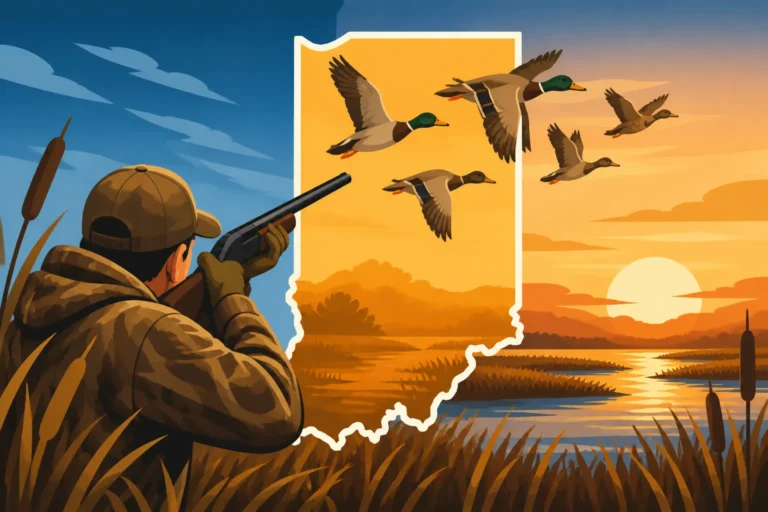
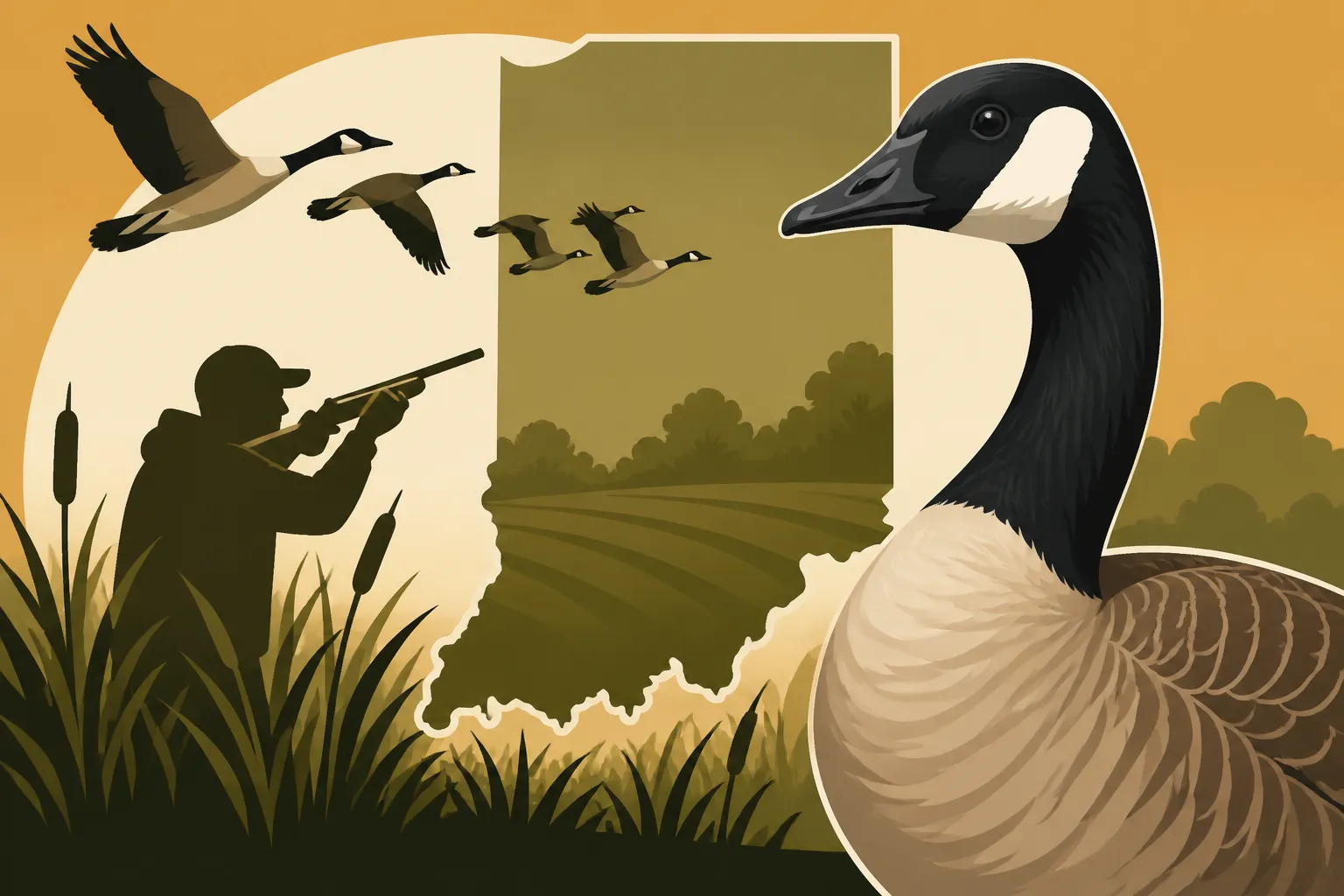
If you've spent any time at all around Indiana's waterways, city parks, or even farm fields, you've no doubt noticed them: flocks of Canada geese that seem to be here all the time, not just during migration. These aren't your typical migratory birds simply passing through; these are Indiana's resident Canada geese, and their booming population presents both unique opportunities and frustrations for hunters and landowners alike. This guide will dive deep into understanding this distinct population, the challenges they pose, and how to effectively hunt them within Indiana's regulations.
Understanding the Resident Canada Goose Phenomenon in Indiana
It’s easy to feel like Canada geese are everywhere these days, whether you’re trying to enjoy a quiet evening on a reservoir or keep them from decimating your freshly planted fields. But these aren’t the same geese that graced our skies decades ago, nor are they simply stopping over on their way to somewhere else. This is a story about a hugely successful conservation effort that, in some ways, worked almost too well, creating a unique challenge and opportunity right in our backyard.
The Rise of the Resident Goose
Decades ago, Canada geese were a species in decline across much of their range, including Indiana. Overhunting and habitat loss took a heavy toll. However, dedicated conservation efforts, including reintroduction programs in the mid-20th century, focused on bringing these majestic birds back. The geese used in these reintroductions were often from non-migratory populations or raised in captivity, and they quickly established a new norm: they simply stayed put. They didn't have the ingrained migratory patterns of their northern cousins. Instead, they found everything they needed right here in Indiana—and they thrived.
These birds, often larger and less wary than their wild-migratory counterparts, learned to live alongside humans. They quickly adapted to urban and suburban environments, finding safe havens in parks, golf courses, and corporate campuses where hunting pressure was nonexistent. As these populations grew, they started spilling over into agricultural areas and smaller private ponds, further expanding their range and increasing their numbers exponentially. It’s a classic success story of wildlife management, but one that has brought its own set of complications.
Why They Stick Around: Habitat and Food Sources
The reason these resident geese aren't packing their bags for colder climates is simple: Indiana provides a year-round buffet and an abundance of safe havens. Our state, particularly the central and northern regions, is a patchwork of agricultural fields, suburban ponds, and slow-moving rivers. This landscape is absolutely ideal for a goose that doesn’t feel the urge to fly thousands of miles twice a year.
Think about it: during the spring and summer, they have access to lush green grass in parks and lawns, young crops in fields, and plenty of water for nesting and brooding. The sheer number of retention ponds, golf course water features, and small lakes offers them protection from predators and ample space to raise their goslings. Then, as fall and winter set in, they simply shift their focus. Waste grain from harvested corn and soybean fields becomes a readily available, high-energy food source. Open water, especially on larger reservoirs or stretches of rivers that rarely freeze completely, provides roosting security. This steady, reliable food supply, combined with relatively low predation and often zero hunting pressure in their core areas, allows them to maintain a high survival rate and reproduce successfully year after year. It's truly an all-inclusive resort for a Canada goose, and they've fully embraced it.
The Impact of a Thriving Resident Goose Population
While the return of Canada geese is a wildlife success story, the sheer numbers of resident birds have created a new set of challenges and management considerations for both wildlife agencies and private citizens. It’s a delicate balance, trying to appreciate a robust wildlife population while mitigating the negative effects of its overabundance.
Ecological Considerations and Challenges
When any species experiences an uncontrolled population boom, it inevitably leads to ecological shifts and conflicts. For resident Canada geese, this manifests in several noticeable ways. First, their grazing habits can cause significant damage to agricultural crops, especially young shoots of corn, wheat, and soybeans. Farmers often report considerable financial losses due to geese feeding in their fields. Beyond agriculture, their incessant grazing can also degrade the quality of turf in parks, golf courses, and recreational areas, leading to bare spots and soil erosion.
Perhaps the most visible and widely lamented impact is the accumulation of droppings. A single goose can produce a pound or more of waste per day, and when hundreds or thousands congregate, this quickly becomes a major environmental and public health concern. The droppings not only make recreational areas unsightly and unpleasant, but they can also contribute to nutrient loading in water bodies, potentially exacerbating algal blooms and impacting water quality. Furthermore, large flocks can become aggressive, particularly during nesting season, posing a nuisance or even a minor threat to people, pets, and other wildlife. It's a classic case of too much of a good thing creating problems for everyone else sharing the landscape.
Management Strategies and Hunter Opportunity
To address the challenges posed by these abundant resident geese, the Indiana Department of Natural Resources (DNR) employs a variety of management strategies. These generally fall into two categories: direct control and habitat modification, with hunting playing a crucial role in population regulation. Direct control often involves hazing techniques, egg addling (treating eggs to prevent hatching), or even trapping and relocating birds from sensitive areas, though these methods can be labor-intensive and costly. Habitat modification focuses on making areas less attractive to geese, such as letting grass grow taller around ponds or planting less palatable vegetation.
However, hunting remains one of the most effective and cost-efficient tools for managing resident goose populations. Unlike their migratory counterparts, resident geese can often be hunted during special early seasons that precede the main waterfowl seasons. These early seasons are specifically designed to target these locally breeding birds and help reduce their numbers before they become too established or cause extensive damage. For hunters, this translates into fantastic opportunities to pursue geese when many other hunting seasons are still closed or haven't peaked. It's a chance to get out in the field, enjoy early fall weather, and help manage a valuable, albeit sometimes problematic, resource.
Hunting Resident Canada Geese in Indiana
Hunting resident Canada geese can be a thrilling and rewarding experience, offering a chance to hone your waterfowl skills without the often unpredictable nature of major migratory flights. Because these birds are settled into their routines, they can be patterned, but their sheer numbers also mean they can quickly become pressured. Success often boils down to understanding their habits, timing your hunts, and having the right setup.
Season Dates and Regulations for Resident Geese
One of the best things about hunting resident Canada geese in Indiana is the special early season, which is specifically designed to allow hunters to target these local populations. These early seasons typically occur in September, well before the main duck and goose seasons kick into full swing. The specific dates can vary slightly year to year, so it's absolutely critical to check the current Indiana DNR hunting regulations booklet or visit their official website before you head out. Don't rely on last year's calendar! The generous bag limits during this early season also reflect the management goal of reducing the resident population.
Beyond the specific dates, general waterfowl regulations still apply. You'll need an Indiana hunting license, a state migratory bird stamp, and a federal duck stamp. Remember, all hunters of migratory game birds must also be HIP (Harvest Information Program) certified. Knowing these requirements is fundamental to a legal and enjoyable hunt. For those looking to keep up with current regulations and season changes, checking resources like the GoHunt app or website can be incredibly helpful for up-to-the-minute information and mapping.
Here’s a simplified look at key requirements for resident goose hunting:
| Requirement | Details | Important Note |
|---|---|---|
| Indiana Hunting License | Required for all hunters. | Check resident/non-resident options. |
| Indiana Migratory Bird Stamp | Required for hunting migratory birds. | State-specific. |
| Federal Duck Stamp | Required for all waterfowl hunters 16 years and older. | Sign across the front! |
| HIP Certification | Mandatory for all migratory game bird hunters. | Free, completed online or at license vendors. |
| Non-toxic Shot | Absolutely required for all waterfowl hunting in Indiana. | No lead shot allowed for geese. |
| Legal Shooting Hours | Typically 30 minutes before sunrise to sunset. | Confirm exact times for your hunt date. |
| Bag Limit | Often generous during early resident goose season. | Varies by season, check current regs. |
Keep in mind that while hunting resident geese is generally less restrictive than other waterfowl seasons, there can be specific local rules or restrictions, especially on certain public lands or within Deer Reduction Zone areas. Always double-check property-specific regulations if hunting on a Fish and Wildlife Area or National Wildlife Refuge. For those planning to hunt the Early Goose Season Tactics in Indiana on private land, ensure you have explicit permission.
Tactics for Success: Field Hunting and Water Sets
Hunting resident Canada geese often involves either field hunting or setting up near water. Both require a good understanding of goose behavior and careful setup.
Field Hunting:
Resident geese are creatures of habit. They love to fly from their roost to a feeding field, often at first light. Your scouting is key here. Spend some time observing where they're feeding in the days leading up to your hunt. Look for cut corn, soybean, or wheat fields. Once you've identified a hot field, your setup is paramount. You'll need a good spread of decoys, often 2-3 dozen or more, to replicate a natural feeding flock. Full-body decoys are fantastic, but good quality shells and silhouettes can also be effective, especially when you have many to deploy. Lay out your decoys in family groups, leaving a landing zone for incoming birds. Your blind choice is also critical. Layout blinds, brushed into the field stubble, are ideal for staying hidden. Layout Blind Hunting Indiana Farm Fields is a masterclass in this technique. Pay close attention to the wind, as geese almost always land and take off into it. Position your blind so you have the wind at your back, with the landing zone out front. Calling can be very effective, but don't overdo it. A few confident honks and clucks are often all you need to draw them in. Sometimes, simply using a flag to imitate a goose flapping its wings can be a powerful attractant.
Water Sets:
If geese are primarily roosting or loafing on a particular pond, lake, or river bend, a water set might be your best bet. This is particularly effective if you can identify a spot where they routinely come to water during the day, perhaps after feeding, or where they gather before heading to their evening roost. Decoys here might include floating goose decoys, often mixed with some full-body field decoys placed on the bank or shore. Again, realism is key for your Decoy Spreads for Kankakee Divers. Your blind can be a well-camouflaged ground blind along the edge of the water, or if legal and safe, a boat blind. Rivers like the Wabash can offer excellent opportunities for Hunting the Wabash River Bottoms, where geese might gather in backwater sloughs. Just like with field hunting, wind direction is crucial. Geese will cup their wings and glide into the wind, so position your blind to allow for a close-range shot as they approach the decoys. Early morning or late afternoon can be prime times for water sets, as geese are moving to and from their roosts. When hunting near water, remember to consider using Waders for Cattail Marsh Hunting for mobility and comfort.
Regardless of your chosen tactic, scouting is truly your greatest ally. Knowing where the geese are, what they're doing, and how they're reacting to pressure will greatly increase your odds. The GoHunt platform can be a powerful tool for analyzing aerial imagery and pinpointing potential feeding and roosting locations, helping you narrow down your scouting efforts significantly. Always be mindful of ethical hunting practices, safe gun handling, and responsible land use. You'll also want to make sure you're using appropriate Waterfowl Loads for Kankakee Divers and a shotgun patterned for geese to ensure clean kills.
Hunting resident Canada geese offers an exciting early-season opportunity for waterfowl enthusiasts in Indiana. By understanding their behavior, adhering to regulations, and employing smart tactics, you can enjoy successful hunts while contributing to the sustainable management of this prevalent species.
Disclaimer
This article is for general informational purposes only and does not constitute professional advice. Laws, prices and regulations vary by location and change over time. Consult a qualified professional for guidance on your specific situation.