Aging Venison in Cold Weather
You've just wrapped up a successful cold-weather hunt in Indiana, and there it is – a beautiful deer ready for the freezer. But before you rush into butchering, you might be wondering if there’s a way to make that venison even better. Many hunters grapple with the idea of aging their deer, especially when the weather outside is cooperating, hoping to achieve that melt-in-your-mouth tenderness and enhanced flavor. This guide will walk you through the ins and outs of aging venison specifically when the mercury dips, offering practical advice to help you get the absolute most out of your hard-earned harvest.
Why Age Venison? The Secret to Better Meat
Aging venison isn't just some old-school tradition; it's a science-backed process that can dramatically improve the quality of your deer meat. Think of it like a fine wine or a good steak – a little time under the right conditions can transform it from good to truly exceptional. Many hunters, myself included, have experienced the disappointment of tough, dry venison, even from a well-placed shot. Often, the culprit isn't the deer itself, but how quickly it was processed without allowing natural tenderization to occur.
The Science Behind Tenderization
When an animal is harvested, its muscles are rich in glycogen. As the animal cools, this glycogen converts to lactic acid, which plays a crucial role in lowering the pH of the muscle tissue. This pH drop, combined with the action of naturally occurring enzymes within the muscle fibers, starts to break down tough connective tissues. This process is called enzymatic tenderization or autolysis. Without it, muscle fibers remain stiff, resulting in tougher meat.
Imagine trying to tear apart a freshly killed deer's muscles versus muscles that have relaxed and broken down slightly. The enzymes are like tiny biological scissors, snipping away at the molecular bonds that make meat chewy. This isn't spoilage; it's a controlled decomposition that actually enhances eating quality. It’s why a dry-aged steak at a high-end restaurant tastes so much more tender and flavorful than a fresh-cut one. We're aiming for a similar effect with our venison.
Enhancing Flavor and Moisture Retention
Beyond tenderness, aging also contributes significantly to the flavor profile of venison. As the enzymes break down proteins and fats, they release compounds that create more complex and desirable flavors. This is often described as a richer, nuttier, or more "beefy" taste, without necessarily increasing the gamey notes, which are usually associated with blood or gut content.
Furthermore, proper aging can help with moisture retention. While you might lose a tiny bit of moisture through evaporation on the surface, the structural changes in the muscle fibers actually improve the meat's ability to hold onto moisture during cooking. This means less dry, crumbly venison and more juicy, flavorful meals. It's a delicate balance, of course, as excessive drying or improper conditions can lead to negative results, but when done right, the difference is truly noticeable on your dinner plate.
Conditions for Successful Cold-Weather Aging
Okay, so you're convinced that aging is the way to go for better venison. But how do you actually do it, especially when relying on Mother Nature's refrigeration in Indiana? The key here is control and consistency. Simply hanging a deer in a barn and hoping for the best isn't always enough, especially with our unpredictable Midwest winters.
Maintaining Consistent Temperature
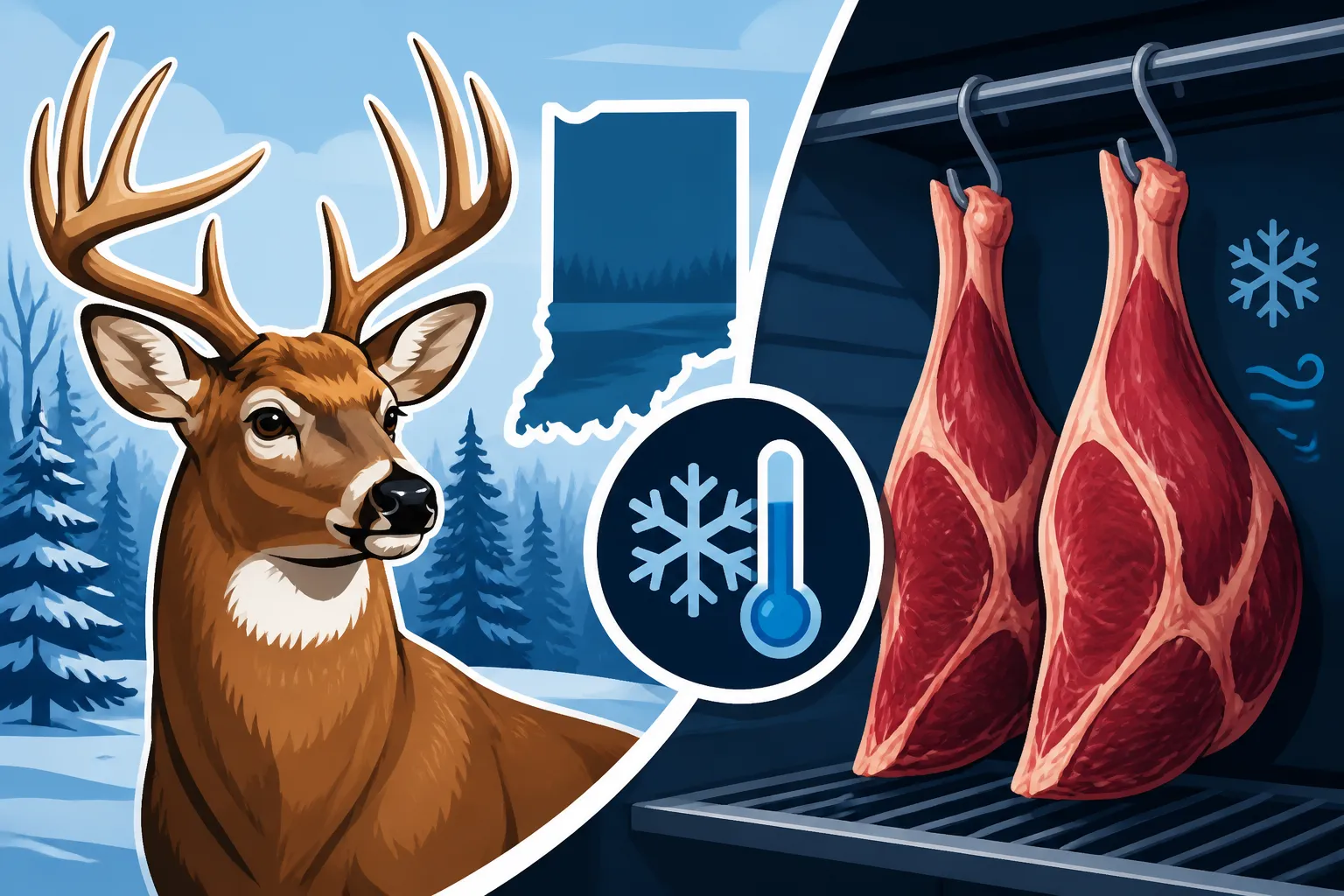
This is the absolute cornerstone of successful venison aging. You need a consistent temperature range, ideally between 34°F and 40°F (1°C and 4°C). Temperatures much below freezing will halt the enzymatic process, meaning your venison won't tenderize. Temperatures above 40°F, on the other hand, dramatically increase the risk of bacterial growth and spoilage.
Indiana's cold weather can be a blessing, but also a challenge. We might have a week of perfect 30-degree days, followed by a sudden warm spell into the 50s, or a brutal cold front that drops us into single digits. This fluctuation is your enemy. If you're relying on an unheated garage, shed, or even hanging the deer outdoors, you must monitor the temperature constantly. This is where tools like a thermometer with a high/low memory function come in handy. I often check the extended forecast, using resources like GoHunt, to see if a consistent cold snap is predicted before I even consider aging outdoors. If you can't guarantee a steady temperature, it's often safer to process the deer promptly. You don't want to risk an entire harvest for a few degrees of tenderness.
Managing Humidity and Air Circulation
Temperature is king, but humidity and air circulation are its loyal subjects. Too much humidity, combined with limited airflow, creates a perfect breeding ground for mold and bacteria on the surface of the carcass. Too little humidity, and the meat can dry out excessively, leading to a hard, crusty exterior and potentially impacting the underlying meat quality. The ideal humidity level for aging venison is generally between 70% and 85%.
Good air circulation is vital for carrying away excess moisture and preventing stagnant air around the carcass. If you're aging in a confined space, a small, oscillating fan can work wonders. Ensure the air is moving around the entire carcass, not just blowing directly on one spot. If you're hanging the deer outdoors, pick a spot with some natural breeze, but also one that's sheltered from direct rain or snow. A covered porch or an open-sided shed can be ideal. The goal is to keep the surface of the meat dry to the touch, but not desiccated.
Importance of Cleanliness and Pest Control
This might seem obvious, but it's often overlooked. The aging area must be meticulously clean. Any lingering odors, old blood, or animal droppings can introduce bacteria that will spoil your meat. Sweep and clean the area thoroughly before hanging your deer.
Pest control is equally critical. In cold weather, insects might not be a huge concern, but rodents (mice, rats, squirrels) and even domestic animals (your dog!) are always looking for an easy meal. Ensure your aging area is secure from curious critters. A skinned deer is a beacon for scavengers. If hanging outdoors, you might need to build a simple cage or protective barrier around the carcass to deter unwanted visitors. Remember, aging is a controlled process; any breach in cleanliness or security can quickly turn a potential gourmet meal into a wasted harvest.
Here’s a quick overview of ideal aging conditions:
| Condition | Ideal Range | Why it's Important | What to Watch For |
|---|---|---|---|
| Temperature | 34-40°F (1-4°C) | Optimal enzymatic activity, inhibits bacterial growth | Freezing (halts aging), warming (promotes spoilage) |
| Humidity | 70-85% | Prevents excessive drying and mold growth | Too high (mold), too low (crusty, dry exterior) |
| Airflow | Moderate, consistent | Evaporates surface moisture, prevents stagnant air, inhibits bacterial growth | Stagnant air (bacteria/mold), direct fan (excessive drying) |
| Cleanliness | Spotless | Prevents introduction of harmful bacteria and off-flavors | Any debris, old blood, pest droppings, odors |
| Pest Control | Secure from all animals | Protects carcass from damage and contamination | Rodents, birds, insects (if warmer), domestic pets |
Practical Steps for Aging Deer at Home
Once you understand the 'why' and the 'what' of aging, it's time to get into the 'how.' Successfully aging a deer in cold weather involves a series of careful steps, starting right after the shot. Each stage contributes to the final quality of the meat.
Initial Field Dressing and Preparation
The moment your deer hits the ground, the clock starts ticking. Prompt and thorough field dressing is paramount, especially if you plan to age the venison. The goal is to cool the carcass as quickly as possible and remove any sources of bacterial contamination. This means getting the guts out efficiently. For detailed guidance on this critical first step, you might find our article on Field Dressing a Deer in Cold Weather quite helpful.
After gutting, consider removing the hide if temperatures are consistently cold and you have a clean place to do it. While some hunters prefer to age with the hide on for minimal moisture loss, removing it allows for faster cooling of the muscle tissue and better air circulation around the entire carcass, which can be beneficial in achieving that ideal surface dryness and preventing off-flavors. If you leave the hide on, make sure to get the deer into your controlled aging environment as quickly as possible. The animal's own body heat trapped under the hide can cause rapid spoilage if not addressed.
Hanging the Carcass Properly
How you hang your deer is also crucial. The best method is to hang it by the hind legs, head down. This allows any remaining blood to drain downwards and helps stretch the muscle fibers, which can aid in tenderization. Make sure the gambrels or ropes you use are strong enough to support the entire weight of the deer without slipping.
Ensure there's ample space around the carcass. You don't want it touching walls, other deer, or anything else that could impede airflow or transfer unwanted bacteria. If you have multiple deer from a successful Deer Drives With Three or Four Hunters, give each one plenty of breathing room. If possible, consider quartering larger deer, especially if you have limited space or struggle with temperature control. Quartering allows for faster cooling and easier handling, though it does expose more surface area to drying. However, it's still possible to age quarters effectively in the right conditions.
Monitoring and Inspection During Aging
Once your deer is hanging, your job isn't over. Daily monitoring is essential. This involves:
- Checking Temperatures: Regularly inspect your thermometer to ensure the temperature stays within the 34-40°F range. A remote thermometer with an alarm can be a lifesaver if your aging spot is a detached garage or shed. If you see temperatures climbing too high, you need to act immediately, whether that means adjusting airflow, bringing the deer into a cooler space, or cutting your aging short and butchering.
- Visual Inspection: Look for any signs of mold growth, particularly fuzzy green or black spots. A light, dry white mold on the surface isn't necessarily a problem and can be trimmed away later, but anything more aggressive is a red flag. Also, check for any off-odors. Fresh venison has a clean, slightly metallic smell. Anything sour, putrid, or exceptionally strong indicates spoilage.
- Surface Feel: The surface of the meat should feel relatively dry to the touch, almost forming a protective "crust." This is a good sign that moisture is evaporating correctly and bacterial growth is being inhibited.
The typical aging time for venison in ideal conditions is usually between 7 and 14 days, though some go longer. The size and age of the deer, as well as personal preference, will dictate the exact duration. A younger deer or a doe might be perfectly tender after a week, while a mature buck could benefit from closer to two weeks. I often refer to a tool like GoHunt to track local conditions and make informed decisions on how long to age. Knowing your Deer Meat Yield From an Indiana Buck might also influence your decision on how much effort to put into aging.
When to Skip Aging and Process Quickly
While aging offers fantastic benefits, it's not always the right choice. There are specific circumstances where rushing to process your deer is not just acceptable, but absolutely necessary to ensure safe, quality meat. Don't feel pressured to age if the conditions aren't perfect; a quickly processed deer is far superior to a spoiled one.
Unreliable Temperatures or Warm Weather
As we discussed, consistent cold temperatures are non-negotiable for safe aging. If Indiana's weather decides to throw a curveball with unpredictable warm spells – maybe a late-season hunt in November that feels more like October, or a January thaws that sends temps soaring into the 50s for a few days – then aging is a gamble you shouldn't take.
Think about it: you spend all that time scouting, preparing, and then making a successful shot during Hunting the Late-Season January Lull or a January cold front. Why risk spoiling the meat you worked so hard for? If you can't guarantee a consistent temperature range between 34-40°F, or if you don't have access to a temperature-controlled cooler, it's always best to skin, quarter, and get that venison into a refrigerator or freezer as quickly as possible. Rapid cooling after harvest is critical regardless of aging plans.
Compromised Carcass or Gut Shots
Not every hunt goes perfectly, and sometimes the deer takes a less-than-ideal hit. If your deer was gut-shot, for instance, there's a high risk of bacterial contamination from the ruptured digestive tract. Even with meticulous field dressing, bacteria can quickly spread into the muscle tissue. In these cases, aging is out of the question. You need to process that deer immediately, carefully trimming away any affected meat.
Similarly, if the carcass was left out for an extended period in mild temperatures before field dressing, or if there's any visible sign of infection or disease, aging becomes a dangerous proposition. The goal of aging is controlled decomposition, not encouraging the growth of harmful pathogens. Your priority should always be food safety.
Chronic Wasting Disease (CWD) Concerns
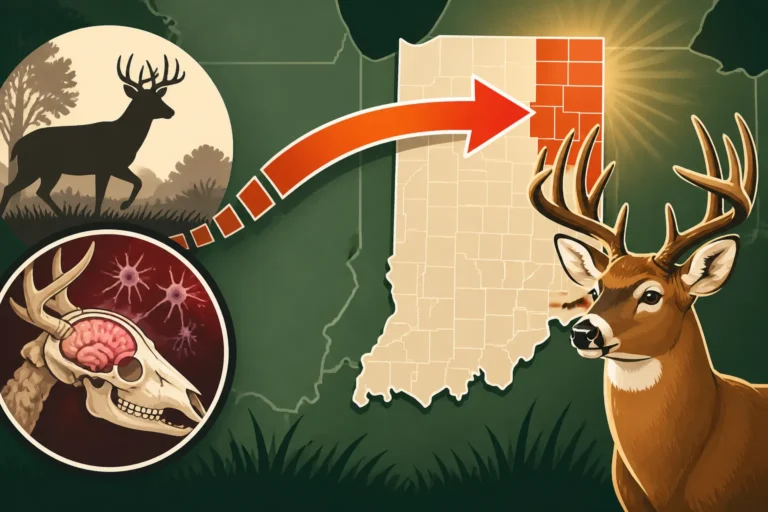
This is a serious consideration for all Indiana deer hunters. Chronic Wasting Disease (CWD) is a neurological disease that affects deer, elk, and moose. While there's no known link to human health, health authorities recommend caution when consuming meat from CWD-positive animals. Indiana has CWD-positive areas, particularly in certain counties in the northeast. You can learn more about How Many Deer Have Tested CWD-Positive in Indiana to stay informed.
If you harvest a deer in a CWD-positive area, or if you have any reason to suspect the deer might be infected (e.g., it looked sickly, emaciated, or was acting abnormally), it's highly recommended to get the deer tested before consumption, and absolutely before aging. The IDNR offers free CWD testing for hunters in designated areas. While waiting for results, if you can't guarantee optimal aging conditions, it's best to process and freeze the meat. If the deer tests positive, specific guidelines for Handling Venison From a CWD Positive Area must be followed, which typically means avoiding consumption. Do not attempt to age a potentially CWD-positive deer.
In summary, while aging venison in cold weather can elevate your harvest to new culinary heights, it demands careful attention to detail and adherence to strict conditions. When in doubt, err on the side of caution and process your deer quickly to ensure safe, high-quality meat for your family and friends.
Disclaimer
This article is for general informational purposes only and does not constitute professional advice. Laws, prices and regulations vary by location and change over time. Consult a qualified professional for guidance on your specific situation.