Resident Goose Problems Near Indianapolis
If you live anywhere near Indianapolis, you've probably noticed it: Canada geese are everywhere, and what once seemed like a charming sight has turned into a real headache. Their booming populations, especially in suburban and urban areas, create a host of issues, from ruined lawns to legitimate health concerns. These birds, once primarily migratory, have found a year-round paradise in our manicured landscapes. This comprehensive guide will explore why these resident geese are thriving, the specific problems they cause for residents and property owners, and practical strategies for managing their pervasive presence around the Circle City.
Understanding the Rise of Resident Geese Near Indianapolis
It wasn't always like this. Canada geese used to be a prized migratory bird, passing through Indiana on their way north or south. But over decades, something changed. A segment of the population decided that the vast network of ponds, golf courses, corporate parks, and carefully cultivated green spaces around Indianapolis offered everything they needed to stay put. They are now what we call "resident geese," meaning they live here all year, raising brood after brood without ever feeling the urge to fly south for the winter.
The Allure of Urban and Suburban Habitats
Think about it from a goose's perspective. What does a wild goose need? Water, food, and safety from predators. Suburban and urban environments, especially around Indianapolis, provide these in spades. Everywhere you look, there are retention ponds, golf course water features, and decorative lakes, all providing safe havens. These bodies of water are typically free from natural predators like coyotes, foxes, or eagles that might otherwise thin the flock. The mowed lawns that surround these water bodies offer easy access to tender, nutritious grasses. They don't have to worry about finding wild forage or hidden nesting sites when everything is laid out for them, neatly trimmed and fertilized. It's a five-star resort for a goose, and they’ve taken full advantage of it.
Many of these geese are descendants of birds released in the mid-20th century as part of restoration efforts, or they are offspring of birds that simply decided to stop migrating. They've adapted incredibly well to human proximity, often showing little fear. They’re less wary than their migratory cousins, having rarely encountered serious threats. This tolerance makes them comfortable loafing in parks, waddling across parking lots, and nesting right next to busy walking paths. It creates a cycle where more geese stay, more breed, and the problem simply compounds.
An Abundance of Easy Food Sources
Beyond the safety of urban ponds, the sheer availability of easy, calorie-rich food is a major draw for resident geese. Mowed turfgrass is their buffet. Golf courses, corporate campuses, city parks, and even private lawns are essentially giant salad bars for them. Unlike wild geese that might have to work hard to find seeds, grains, or aquatic vegetation, resident geese simply graze at their leisure. They especially love the young, succulent shoots of grass that come with regular mowing and fertilizing.
People often inadvertently contribute to the problem by feeding them. While it might seem like a kind gesture, feeding geese with bread or other human foods only reinforces their dependency on human areas and provides them with extra energy to breed more successfully. This supplemental feeding can also lead to nutrient deficiencies for the birds and contributes to water pollution. It's a tricky situation because we want to enjoy nature, but sometimes our good intentions have unintended consequences, leading to an even greater concentration of geese in easily accessible spots.
Reduced Predation and Human Tolerance
One of the biggest factors in the exponential growth of resident goose populations near Indianapolis is the dramatic reduction in natural predation. In wilder settings, predators like coyotes, foxes, raccoons, and even some raptors would prey on goose eggs, goslings, or sick adult birds. However, in urban and suburban areas, these predators are far less common or less effective due to human intervention and habitat fragmentation. The very things we build to protect our families and pets—fences, secure neighborhoods, busy roads—also protect the geese.
Furthermore, these geese have grown accustomed to human presence and are often protected by local ordinances that prohibit harming wildlife within city limits. While hunting is a traditional method of population control for migratory waterfowl, urban resident geese are largely immune to this pressure. It's rare for an Indianapolis homeowner to legally hunt geese in their backyard. This creates a safe zone where they can reproduce unchecked, leading to ever-larger flocks. We often value wildlife, but when populations become unbalanced, it's a sign that the ecosystem around us is out of whack, and we need to consider intervention.
The Tangible Impact of Goose Overpopulation
While a lone goose or a small family might be charming, large, permanent flocks of resident geese quickly become a nuisance, and often, a health hazard. Their presence can severely degrade outdoor spaces, create unpleasant conditions, and even pose significant risks to both humans and other wildlife. It's more than just a minor inconvenience; it can be a serious drain on resources and quality of life.
Property Damage and Maintenance Headaches
One of the most immediate and visible problems caused by resident geese is the sheer amount of damage they inflict on property. A single goose can produce a surprising amount of droppings—up to a pound or more per day. When you multiply that by a flock of fifty or a hundred birds, you're looking at hundreds of pounds of excrement coating lawns, sidewalks, patios, and even cars. This isn't just unsightly; it's acidic and can kill grass, making golf courses and well-maintained lawns look patchy and unhealthy. Imagine trying to keep your park-like property in tip-top shape only to have it constantly smeared with goose waste. It’s an ongoing battle, and it quickly adds up in maintenance costs, from extra cleaning to reseeding damaged turf.
Beyond the droppings, geese can also cause erosion, especially around pond banks and shorelines, as they constantly enter and exit the water. Their incessant grazing can decimate newly planted seedlings or landscape features. Any attempt to beautify an area is often undone by a hungry flock of geese looking for an easy meal. For businesses, this can translate into lost curb appeal and increased operational expenses to keep their grounds presentable. Homeowners find themselves endlessly cleaning decks and walkways, feeling like they're fighting a losing battle against nature's feathered wrecking crew.
Health Concerns and Sanitation Issues
The unsanitary conditions created by large goose populations are a significant health concern. Goose droppings can contain bacteria like E. coli and Salmonella, as well as parasites such as Giardia and Cryptosporidium. These can be transmitted to humans through direct contact, contaminated water, or by being tracked indoors. Children playing in parks, pets, and anyone coming into contact with contaminated areas are at risk. We love our green spaces, but when they're carpeted in goose droppings, they become less inviting and potentially dangerous. The thought of stepping barefoot on a lawn only to find it covered in fresh goose droppings is enough to make anyone cringe.
Moreover, large concentrations of geese contribute to poor water quality in ponds and lakes. Their droppings add excessive nutrients, leading to algal blooms that can deplete oxygen, harm fish, and make the water unsafe for recreation. This impacts not just aesthetic value but the ecological health of these water bodies. Imagine trying to enjoy a community pond for fishing or kayaking when it’s covered in green slime and surrounded by foul-smelling goose waste. This is a very real scenario for many communities around Indianapolis struggling with resident geese. Monitoring for potential diseases in local wildlife populations is critical, and these geese certainly complicate that effort. Indiana Wildlife Disease Monitoring is an important resource for understanding these broader issues.
Safety Risks Beyond the Backyard
The problems with resident geese extend beyond property damage and health concerns into public safety. One of the most critical areas is aviation. Large flocks of geese, especially near airports, pose a severe risk of bird strikes to aircraft. While Indianapolis International Airport (IND) and smaller airfields have robust wildlife management programs, the sheer number of geese in the surrounding urban sprawl makes control a constant challenge. A bird strike, particularly with a large bird like a goose, can cause significant damage to engines or airframes and even lead to catastrophic accidents.
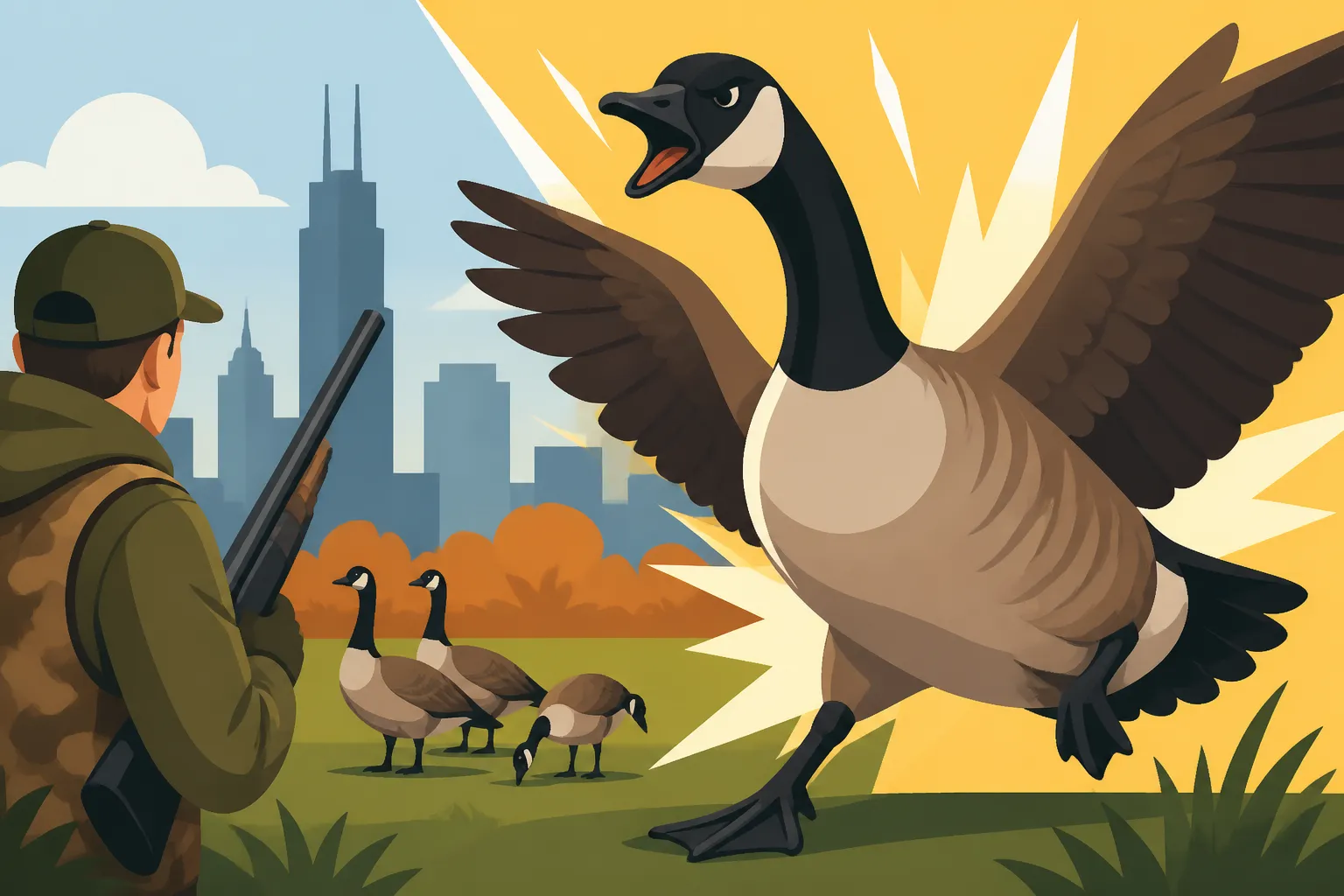
On the ground, aggressive geese can be a hazard, especially during nesting season. Ganders, the male geese, are highly protective of their nests and goslings and will not hesitate to chase, hiss, and even attack perceived threats, including people and pets. While usually not seriously injurious to humans, these attacks can cause falls, particularly for the elderly or children. Imagine walking through a park or even across a corporate campus and suddenly being charged by an angry gander – it's unsettling and can be genuinely frightening. Even on roads, large flocks crossing or loafing on the shoulders can create traffic hazards, especially on less-traveled suburban routes. These birds are beautiful, but their numbers can sometimes create very real conflicts with human activity.
Effective Strategies for Goose Management
Dealing with an established population of resident geese requires a multi-faceted approach, often combining deterrence, habitat modification, and, when necessary, more direct intervention. There’s no single magic bullet, and what works best often depends on the specific location and the severity of the problem. It requires persistence and a solid understanding of goose behavior.
Non-Lethal Deterrence and Habitat Modification
Before resorting to more drastic measures, many property owners and managers explore non-lethal deterrence. The goal here is to make an area less appealing to geese. This can include modifying the habitat, such as letting grass grow taller (geese prefer short grass because it's easier to graze and provides clear sightlines for predators) or planting shrubs and other vegetation that create barriers around water bodies. Anything that breaks up open sightlines and makes them feel less secure can help.
Another common tactic is using visual or auditory deterrents. Devices like effigies of predators (coyotes, foxes), Mylar tape, or flashing lights can be effective for a short time, though geese often habituate to them quickly. Some folks even use motion-activated sprinklers or sonic emitters to startle geese. Another option is border collies or other trained herding dogs, which can be incredibly effective at hazing geese without harming them, making an area consistently feel unsafe. This method is gaining traction in many urban areas, though it requires dedicated handlers. For larger properties, using a service that employs such dogs can be a smart move, and looking at resources like GoHunt might even provide insights into effective hazing programs or local service providers. Using a Ground Blind on Indiana Public Land shows that geese, like other wildlife, can get used to things if they don't perceive a threat, so mixing up tactics is key.
Exploring Regulated Hunting and Removal Programs
When non-lethal methods are insufficient, or populations are simply too high, regulated hunting and removal programs become necessary. In appropriate areas, particularly rural-urban fringes where safety permits, hunting can be an effective way to control goose numbers. Indiana has specific seasons and bag limits for Indiana Duck and Goose Bag Limits, and hunters contribute to population management. For resident geese, there can be special early seasons or extended opportunities. However, hunting is often not feasible within highly populated areas due to safety concerns and local ordinances.
In these sensitive areas, egg addling or nest destruction is a common method. This involves treating eggs to prevent them from hatching or removing nests altogether, reducing the number of new goslings. This must be done with proper permits and training, as it’s illegal to disturb migratory bird nests or eggs without authorization. Another option for severe cases is live trapping and relocating geese, though this is often expensive and simply moves the problem to another area. Euthanasia, though often controversial, may be considered a last resort in extreme cases of overpopulation where public health or safety is severely impacted, again requiring strict permits and professional execution. Landowners needing to remove nuisance animals often need specific permits; understanding Indiana Landowner Deer Permit Rules can offer a glimpse into similar processes for other species.
The Role of Community and Professional Intervention
Effective goose management rarely falls to a single individual. It often requires a concerted effort from communities, property owners, and professional wildlife management services. Homeowners associations, park departments, and corporate land managers can collaborate to implement consistent deterrence strategies across larger areas. If one pond is managed effectively but the next isn't, the geese will simply move back and forth. This is where community-wide plans, possibly leveraging platforms like GoHunt for coordinated efforts or information sharing, can be highly impactful.
Professional wildlife control operators have the expertise, equipment, and necessary permits to implement more aggressive and legally compliant management strategies. They can conduct population assessments, manage egg addling programs, and even coordinate limited, permitted removal actions. For example, a golf course struggling with dozens of geese might hire a professional service to manage their resident flock year-round. Educating the public about the harms of feeding geese and promoting habitat modifications are also crucial long-term strategies. It's about changing both the environment and human behavior to encourage geese to find more natural, less problematic habitats.
Navigating Indiana's Goose Management Framework
Dealing with wildlife, even nuisance wildlife, is never as simple as just "getting rid of them." There are laws, regulations, and ethical considerations to navigate. In Indiana, the Department of Natural Resources (DNR) oversees most wildlife management, but local ordinances and federal laws also play a significant role, especially when dealing with a protected species like Canada geese.
Understanding Indiana DNR Regulations
The Indiana DNR is the primary authority for wildlife management in the state. While resident Canada geese are a nuisance, they are still protected under the Migratory Bird Treaty Act, making it illegal to harm them, their nests, or their eggs without proper authorization. The DNR provides guidance and issues permits for managing nuisance wildlife, including geese. For instance, landowners experiencing damage may apply for a federal depredation permit, often obtained through the DNR, which allows for specific control measures like egg addling or hazing. You can find detailed information on their website or by contacting your local wildlife biologist.
It’s crucial to understand that simply chasing geese away with a stick might be legal, but removing eggs or shooting birds without a permit is not. The DNR also sets the framework for hunting seasons and bag limits for geese, which typically target both migratory and resident populations. For hunters, knowing the Indiana Duck and Goose Bag Limits and understanding the season dates, including any special early goose seasons, is essential. These opportunities are one way the state attempts to keep populations in check where hunting is viable.
Local Ordinances and Permitting for Goose Control
Beyond state regulations, cities and counties around Indianapolis often have their own ordinances regarding wildlife. For example, many municipal parks prohibit feeding wildlife, and some may have specific rules about trapping or discharging firearms, even for nuisance control. Before undertaking any significant goose management activity on your property, especially if it involves anything beyond simple hazing, it's wise to check with your local city or county government. This ensures you're not inadvertently breaking a local law.
Permits are often required for specific activities, such as egg addling or lethal removal. These permits are typically issued by the U.S. Fish and Wildlife Service, often with the assistance or recommendation of the Indiana DNR. The application process usually involves demonstrating that non-lethal methods have been attempted or are impractical, and outlining the proposed control measures. This layered approach to regulation is designed to protect wildlife while allowing for necessary management when populations become problematic. You might use a tool like GoHunt to research public land regulations in more detail, even for private land considerations like Hunting Small Private Tracts in Indiana, which still requires adherence to all local and state laws.
Utilizing Resources and Professional Assistance
When faced with a persistent goose problem, don't feel like you have to go it alone. The Indiana DNR website is an excellent starting point, offering resources on nuisance wildlife and contact information for local biologists. There are also numerous private wildlife management companies that specialize in goose control. These professionals are well-versed in the legal framework, possess the necessary permits, and have access to effective techniques and equipment. They can provide tailored solutions, whether it’s installing exclusion fencing, implementing hazing programs with trained dogs, or coordinating permitted egg and nest management.
Engaging with community groups, such as homeowners associations or neighborhood watch programs, can also be beneficial. A coordinated effort across multiple properties can often be more effective than individual actions. Imagine a whole subdivision deciding to let their pond banks naturalize or to collectively hire a hazing service – the impact would be much greater than one homeowner's efforts. Utilizing tools like Scouting Indiana Public Land Before Season might give you an idea of how wildlife managers track populations, which can be useful for understanding the scale of the problem in your area, and perhaps even finding ways to get involved in local initiatives. It’s all about finding the right balance between coexisting with nature and protecting our homes and public spaces from unchecked wildlife populations.
Comparison of Goose Deterrence Methods
| Method | Description | Pros | Cons | Effectiveness |
|---|---|---|---|---|
| Habitat Modification | Letting grass grow tall, planting dense shrubs near water. | Natural, long-term solution; aesthetic appeal. | Can take time to implement; may not fit all landscapes. | Good for long-term reduction; geese avoid tall grass. |
| Visual Deterrents | Coyote effigies, Mylar tape, flashing lights, laser pointers. | Inexpensive, easy to deploy; no harm to birds. | Geese quickly habituate; requires frequent relocation/variation. | Short-term, limited success without variety. |
| Auditory Deterrents | Propane cannons, distress calls, loud noises. | Can cover large areas; no harm to birds. | Geese habituate quickly; can disturb neighbors. | Temporary; best with varied sounds/timing. |
| Chemical Repellents | Sprays that make grass unpalatable. | Non-lethal; targets specific areas. | Must be reapplied after rain; can be costly for large areas. | Variable; depends on application and goose hunger. |
| Trained Hazing Dogs | Border Collies trained to chase and herd geese without harming them. | Highly effective, persistent threat; natural predator simulation. | Requires professional handlers; cost can be significant. | Very high, especially with consistent application. |
| Egg Addling/Destruction | Coating eggs with oil or removing nests to prevent hatching (with permit). | Directly reduces future population without harming adults. | Requires federal permit; time-consuming; must be done early in season. | High for population control over time. |
| Fencing/Barriers | Low-profile fencing around water bodies, netting. | Physical deterrent; prevents access to water/grass. | Can be unsightly; may not be practical for large areas. | High for keeping geese out of specific spots. |
| Hunting (Permitted Areas) | Regulated harvest during open seasons. | Direct population control; provides recreation. | Not feasible in urban areas; requires safety considerations. | High where safely and legally possible. |
Disclaimer
This article is for general informational purposes only and does not constitute professional advice. Laws, prices and regulations vary by location and change over time. Consult a qualified professional for guidance on your specific situation.