Indiana Waterfowl on the Mississippi Flyway
For many Indiana hunters, the thought of waterfowl conjures images of frigid dawns, the whistling of wings overhead, and the camaraderie of a blind. Yet, navigating the intricacies of Indiana's position on the mighty Mississippi Flyway, understanding migration patterns, and knowing where to find the birds can feel overwhelming. This comprehensive guide will pull back the curtain on waterfowl hunting in the Hoosier State, offering insights into the species you'll encounter, the best places to find them, and the strategies that will help you fill your strap.
Understanding Indiana's Strategic Location on the Mississippi Flyway
Indiana might be landlocked, but its position in the heartland makes it a critical stopover for millions of migratory birds. We're talking ducks, geese, and a whole host of other feathered travelers that follow the ancient pathways of the Mississippi Flyway. This isn't just a casual flight path; it's a superhighway for waterfowl moving between their northern breeding grounds and southern wintering areas. Understanding this geographic advantage is key to successful waterfowl hunting in our state.
The Dynamics of the Mississippi Flyway
The Mississippi Flyway is one of four major migratory bird routes in North America, stretching from central Canada all the way down to the Gulf of Mexico. Indiana sits squarely within this immense corridor, making it a pivotal area for birds seeking food, water, and rest during their arduous journeys. Our diverse habitats, from vast agricultural fields to sprawling river systems and restored wetlands, provide exactly what these weary travelers need.
Think of it like this: if you're driving cross-country, you look for good rest stops with amenities. For ducks and geese, Indiana offers some prime real estate in the form of flooded timber, shallow marshes, and expansive grain fields. The timing of their arrival and departure is heavily influenced by weather patterns to the north. A strong cold front pushing south can literally dump thousands of birds into Indiana overnight, while mild weather can hold them up further north, making for slower hunting days here. It's a constant dance with nature's whims, but knowing we're on that main highway gives us an edge, especially during peak migration periods.
Key Geographical Features Attracting Waterfowl
Indiana's landscape, while varied, offers specific features that act like magnets for migrating waterfowl. The northern part of the state, particularly around the Kankakee River and its associated marshes, is a legendary waterfowl destination. The Kankakee, often called the "Everglades of the North," was historically a vast wetland system that, even after extensive drainage, still retains incredible habitat value. Birds will congregate here in massive numbers, especially during peak migration, creating spectacular flights.
Further south, the mighty Wabash River Valley, with its extensive floodplains, oxbow lakes, and associated agricultural lands, becomes another major draw. These river bottoms provide crucial resting and feeding areas, especially when water levels fluctuate, offering sanctuary and sustenance. Then there are the numerous smaller rivers, creeks, and even private farm ponds scattered across the state. Each of these bodies of water, combined with abundant food sources like corn and soybeans in surrounding fields, plays a role in sustaining the massive numbers of birds that pass through or choose to winter in Indiana. Understanding these local hot spots and how to access them is crucial for any serious waterfowler looking to maximize their opportunities.
Key Waterfowl Species You'll Encounter in Indiana
When you're bundled up in a blind before dawn, it's not just "ducks" you're waiting for. Indiana sees an incredible variety of waterfowl species, each with its own flight patterns, calls, and preferred habitats. Knowing who's flying can help you tailor your decoy spread, calling techniques, and even your approach to the hunt, making you a more versatile and successful hunter.
Dabbling Ducks: Puddle Jumpers of the Hoosier State
Dabbling ducks are probably what most people picture when they think of duck hunting. These are the "puddle ducks" that feed by tipping up in shallow water, with their tails in the air, rather than diving completely underwater. They primarily prefer shallow marshes, flooded fields, and slow-moving rivers where food is easily accessible near the surface. The most common species you'll encounter and target in Indiana include:
- Mallards: Often considered the king of dabblers, easily recognized by the drakes' iridescent green head and distinct curl in their tail feathers. Mallards are abundant in Indiana and are often the primary target for many hunters due to their numbers and willingness to decoy. They're highly adaptable, found in everything from small farm ponds to the extensive wetlands of the Kankakee River Marshes. They respond exceptionally well to calling and carefully constructed decoy spreads.
- Wood Ducks: Stunningly beautiful and highly sought after, wood ducks often frequent timbered swamps, flooded woods, and small, secluded creeks. Their distinctive, almost squealing call is unmistakable in the still morning air. You'll often find them tucked away in quiet backwaters and dense cover, making them a challenge to decoy in open water. They prefer to drop into tight openings among trees.
- Green-winged Teal: These are small, incredibly fast-flying ducks that are typically early migrants, often signaling the start of the waterfowl season. They're common in very shallow, marshy areas and often travel in tight, erratic flocks that can surprise even experienced shooters. You might see them zip through ahead of the main migration, offering quick, challenging shots that test your reflexes.
- Gadwalls: Often called "gray ducks" due to their somewhat drab, understated plumage, gadwalls are nevertheless excellent table fare. They are common across Indiana, preferring open water with emergent vegetation, and can often be found in mixed flocks with mallards, making them a welcome addition to the strap.
- Northern Pintails: Elegant ducks with long, slender necks and a distinctive, elongated pintail on the drake. They prefer open, shallow water and vast agricultural fields where they can graze. While not always as numerous as mallards in many areas, they are a highly prized bird for their beauty and wary nature.
- American Wigeon: Also known as "bald pates" for the striking white crown on the drakes' heads, wigeon are primarily grazers, often found feeding on short grasses in fields or in shallow water where they dabble for vegetation. They have a distinctive three-note whistle that can often be heard before you see them.
Understanding the unique behaviors and preferred habitats of these dabblers is crucial for planning successful hunts. For instance, you wouldn't set up a large open-water spread for wood ducks; instead, you'd look for flooded timber or tight creek bends where they feel more secure.
Diving Ducks and Geese: Deeper Waters and Broader Horizons
While dabblers dominate the scene in many Indiana wetlands, diving ducks are also present, often found in deeper, more open water bodies like larger lakes, reservoirs, and wide river sections. These birds propel themselves underwater using their powerful feet to find food, primarily submerged aquatic vegetation and invertebrates.
- Canvasbacks: Renowned for their incredible speed in flight and their exceptional flavor, canvasbacks are large diving ducks with a distinctive wedge-shaped head and a long, sloping bill. They prefer large, expansive bodies of water with abundant submerged aquatic vegetation, often rafting up in impressive numbers. Finding and successfully decoying a "can" is considered a special treat for any waterfowler, a true trophy.
- Redheads: Similar in size and general habitat preference to canvasbacks, redheads have a rounded, striking reddish head (on the drake) and a blue-gray bill. They, too, prefer larger, deeper water and are often found in mixed flocks with other divers.
- Scaup (Bluebills): Both Greater and Lesser Scaup are common migrants through Indiana, often found in large, dense rafts on open water. They are known for their fast, direct flights and can offer exciting pass shooting opportunities when they are moving between feeding and resting areas.
And then, of course, there are the geese, which provide another major component of Indiana's waterfowl hunting opportunities.
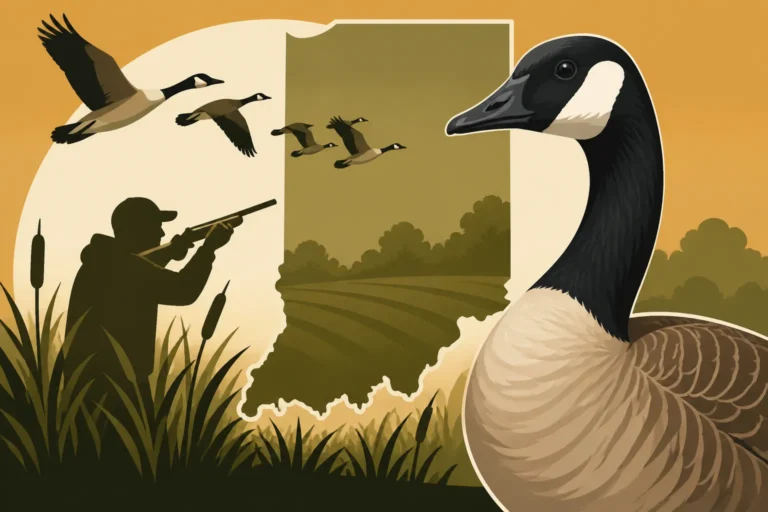
- Canada Geese: Our most common goose, found everywhere from urban parks to vast agricultural fields. Indiana boasts a robust resident population that breeds within the state, which is then heavily supplemented by migrating birds from further north during the fall and winter. They can be found decoying into large field spreads or shot over water, and their loud, unmistakable honking is a signature sound of the Indiana waterfowl season.
- Snow Geese: While less common and often more localized than Canadas, snow geese do pass through Indiana, sometimes in immense, swirling flocks that can literally block out the sun. They're generally found in large, open agricultural fields, where they can feed on waste grain. Hunting snow geese can be a completely different game, often requiring hundreds of decoys and electronic calls to effectively bring them in.
Knowing the physical differences and behavioral nuances between these species will not only enhance your appreciation for our diverse wildlife but also significantly inform your hunting strategies. You might see them together in a general area, but often they congregate with their own kind, indicating specific habitat preferences.
Prime Waterfowl Hunting Locations in Indiana
Indiana offers a fantastic array of public and private lands for waterfowl hunting. From massive state-managed areas to smaller local spots, there are opportunities for every type of hunter, regardless of their preferred style. Finding the right location often boils down to diligent scouting, understanding bird movements, and sometimes, a bit of plain old good luck.
State Fish and Wildlife Areas (FWAs)
Indiana's Fish and Wildlife Areas (FWAs) are managed by the Indiana Department of Natural Resources (DNR) to provide diverse wildlife habitat and public recreation, including hunting. Many of these properties have dedicated wetlands and impoundments that are meticulously managed to attract and hold waterfowl throughout the migration period. They are arguably the most popular and reliable destinations for public land waterfowlers in the state.
Some of the standout FWAs for waterfowl include:
- Willow Slough Fish and Wildlife Area (Newton County): Located in the heart of the historic Kankakee Marsh region, Willow Slough is legendary among Indiana waterfowlers. It features extensive shallow wetlands, flooded timber, and carefully managed impoundments. Hunters often participate in daily or seasonal draws for prime hunting blinds, which can be fiercely competitive but offer incredible opportunities. It serves as a key staging area and feeding ground for thousands of ducks and geese.
- Kingsbury Fish and Wildlife Area (LaPorte County): Also situated in the broader Kankakee region, Kingsbury offers a diverse mix of wetlands, river bottom habitat, and adjacent agricultural fields. It's well-known for strong flights of mallards, wood ducks, and Canada geese throughout the season. Like Willow Slough, managed hunts and draw systems are often in place to distribute pressure and enhance the hunting experience.
- Glendale Fish and Wildlife Area (Daviess County): Down in southwestern Indiana, Glendale is notable for its large reservoir and extensive, managed wetlands. It functions as a significant wintering area for many waterfowl species, especially diving ducks and large concentrations of Canada geese. They offer diverse hunting opportunities, from blind draws to walk-in areas, catering to different preferences.
- Tri-County Fish and Wildlife Area (Kosciusko, Noble, and Whitley Counties): This FWA in northern Indiana provides numerous natural lakes, marshes, and flowages. It's a popular spot for both dabblers and divers, particularly during the colder parts of the season when birds are seeking larger, more stable water bodies.
These FWAs require hunters to check in and follow specific rules, which often include daily draws for blind allocations. It's a system designed to spread out pressure and ensure quality hunting, but it means you need to arrive early and be prepared for the draw process. Many hunters utilize mapping applications, like those found on GoHunt or the Indiana DNR's own mapping tools, to scout these areas virtually before ever stepping foot on the ground, helping them understand boundaries, access points, and potential staging areas.
River Systems and Private Land Opportunities
Beyond the dedicated FWAs, Indiana's extensive river systems are absolute magnets for waterfowl. The Wabash River, in particular, with its broad floodplains, numerous oxbow lakes, and intricate backwater sloughs, offers tremendous opportunities for both ducks and geese. These areas can be fantastic for jump shooting ducks along smaller creeks or setting up blinds in flooded timber when water levels are just right. The White River and the mainstem of the Kankakee River also provide significant habitat and migratory corridors. Hunting these river bottoms often means navigating private land.
Securing permission on private land, especially those tracts adjacent to major rivers or featuring flooded fields, can unlock some of the best waterfowl hunting Indiana has to offer. Farmers often welcome hunters to help reduce crop damage from large flocks of geese or ducks that can decimate fields. This is where local connections, a friendly demeanor, and a willingness to offer help (or even share some venison or turkey from your other hunts) can make all the difference in gaining access. When scouting these areas, look for standing water in cut corn or soybean fields, or small ponds and sloughs that might not be prominently marked on public maps. Ducks and geese are creatures of habit; if they're using a specific field to feed, they will likely return. Remember, always get explicit permission before entering private land, as Indiana's trespass laws are strictly enforced. For more details on this crucial aspect, you might find our guide on Getting Private Land Permission in Indiana incredibly helpful.
Timing Your Hunts: Migration Patterns and Seasons
Waterfowl hunting is deeply tied to the rhythm of the seasons and the unpredictable nature of migration. Knowing when to be in the blind is just as important as knowing where to set up. Indiana's waterfowl seasons are carefully structured to align with these natural movements, maximizing opportunities while ensuring sustainable populations.
Understanding Indiana's Duck Zones and Season Splits
Indiana, like many states, divides its waterfowl hunting opportunities by "zones" and often employs "split" seasons. This approach is primarily designed to account for the varying arrival and departure times of different species and to provide hunting opportunities across different stages of migration, from early teal to late-season mallards. Currently, Indiana is divided into two primary duck zones: the North Zone and the South Zone.
- North Zone: This zone generally opens earlier, usually in late September or early October, specifically to target early migrants like teal and wood ducks. It typically features a short break or "split" before reopening for the main migration of mallards and other dabblers, often extending into December. This zone covers the northern tier of counties, encompassing critical areas like the Kankakee River basin, which often sees the first significant push of birds.
- South Zone: The South Zone typically opens a bit later, usually mid-October, and may have a similar split season structure, often extending further into January to catch late-season migrating and wintering birds. This zone covers the vast majority of the state, including the expansive Wabash and White River valleys, where birds may linger longer due to milder temperatures and available food.
The exact dates for these seasons vary slightly year-to-year, based on federal frameworks and state surveys, so always consult the most current Indiana DNR migratory bird regulations digest. These regulations will also detail the daily bag limits and possession limits for various species. For a comprehensive overview, checking out our guide on Indiana Duck and Goose Bag Limits is highly recommended. These split seasons are designed to maximize opportunities, but they also mean hunters need to be diligent about checking the current year's dates to avoid being on the wrong side of the law.
Tracking Migratory Flights and Weather Patterns
Successfully timing your waterfowl hunts means becoming an astute student of both weather patterns and bird migration. Cold fronts pushing down from Canada are perhaps the most significant factor influencing bird movements. A dramatic drop in temperature up north, especially accompanied by snow or ice, can push huge numbers of ducks and geese south into Indiana almost overnight. Conversely, prolonged mild weather can keep birds hanging around in states north of us, resulting in slower hunting conditions here.
Hunters often rely on a combination of resources to track these critical movements:
- USFWS Waterfowl Population Status Reports: These provide a broader, continental picture of breeding populations and overall migration forecasts, offering long-range insights.
- DNR Reports and Local Updates: The Indiana DNR, along with local hunting clubs and wildlife agencies, often provide localized updates on bird numbers and observed movements within specific regions of the state.
- Online Forums and Social Media: Other hunters often share real-time (or near real-time) observations and scouting reports, though discretion is always advised when interpreting such information.
- Personal Scouting: Nothing, absolutely nothing, beats putting boots on the ground (or eyes in the sky with a drone, if legally permitted and used ethically) to see where the birds are actually sitting, feeding, and roosting. This is where modern mapping tools, like those found on GoHunt, can truly shine, helping you identify potential resting and feeding areas on aerial maps even before you leave home.
Understanding how to read weather maps, paying close attention to wind direction (which profoundly influences flight paths), and tracking temperature swings are all crucial components of becoming a consistently successful waterfowl hunter. A warm spell in December might seem pleasant for humans, but it could mean fewer birds are moving through the state, while a sudden, severe freeze up north could bring in a fresh wave of new birds. This constant vigilance and adaptation are integral to the thrill and challenge of waterfowl hunting in the heart of the Mississippi Flyway. For even more detailed information, consider reading our post on Indiana Waterfowl Migration Timing.
Essential Gear and Tactics for Indiana Waterfowling
Waterfowl hunting is often a gear-intensive pursuit, and for very good reason. You're frequently out in harsh, unforgiving conditions, dealing with mud, water, and biting cold. Having the right equipment and, more importantly, knowing how to use it effectively and ethically can make all the difference between a frustrating, unproductive day and a successful, memorable one.
Decoy Spreads and Calling Strategies
Decoys are the cornerstone of most duck and goose hunting setups, acting as visual magnets for passing birds. The primary goal is to create a realistic-looking spread that draws birds in close for a clean, ethical shot.
- Ducks: For dabbling ducks like mallards, a spread of 1-3 dozen decoys is often sufficient for smaller water bodies or flooded timber. On larger, more open water or expansive agricultural fields, more can definitely be better to grab attention. Integrate some motion decoys, such as spinning wing models or jerk cords, to add crucial realism and simulate active feeding birds. For species like wood ducks in timber, a few decoys carefully placed to mimic natural groupings can be surprisingly effective. The key is natural placement—ducks don't land in tight, unnatural clusters. Always create open landing zones, ideally into the wind, which is how birds naturally approach. Our guide on Decoy Spreads for Kankakee Divers offers specific, advanced advice for decoying those tougher, more wary birds.
- Geese: Canada geese often require significantly larger spreads, especially when hunting them in open agricultural fields. Full-body field decoys, silhouettes, and shell decoys can all be highly effective, often in combination. A common strategy involves creating a "kill hole" in the middle of a large spread, where hunters hide, leaving a natural landing spot. Snow geese, when present in huntable numbers, might demand hundreds of white decoys, often combined with white clothing for hunters to blend in seamlessly with the vast white mass.
Calling is equally critical and complements your decoy spread. For ducks, a good mallard call is an absolute must, capable of producing a variety of calls: a welcoming greeting call, an enticing comeback call, and a contented "feed" chuckle. Mastering different calls and, crucially, knowing when not to call is a learned art that comes with experience. For geese, short, sharp honks and clucks, mimicking excited, feeding birds, are highly effective. Practice makes perfect, and listening intently to real birds can be your best teacher. Remember, sometimes silence is golden, especially when birds are circling directly overhead and already committed.
Blinds, Waders, and Weather-Appropriate Clothing
Staying concealed, comfortable, and dry is absolutely paramount for successful and enjoyable waterfowl hunting.
- Blinds: Depending on your hunting location, a blind can range from natural cover brushed in meticulously with local vegetation to elaborate, permanent structures, or highly portable layout blinds.
- Layout Blinds: These low-profile blinds are excellent for hunting geese or ducks in open fields where natural cover is scarce. They allow you to lie down completely concealed, popping up quickly for the shot. Learning how to brush in a layout blind effectively with natural material from the field is crucial for breaking up your silhouette. Our article on Layout Blind Hunting Indiana Farm Fields goes into extensive detail on this technique.
- Natural Cover: In flooded timber, along marsh edges, or within river bottoms, often all you need is a good clump of reeds, a strategically positioned fallen log, or some thick brush to break up your outline and blend into the environment.
- Waders: Quality, durable waders are non-negotiable for marsh and flooded timber hunting. Chest waders are generally preferred, allowing you to traverse deeper water and retrieve downed birds without getting soaked. Look for durable, well-insulated options for those often bitterly cold Indiana mornings and frigid water. Consider our insights on Waders for Marsh Hunting for more specific recommendations.
- Clothing: Layering is absolutely key for Indiana's notoriously unpredictable weather, which can change dramatically during a single hunt. Start with moisture-wicking base layers to keep sweat away from your skin, add insulating mid-layers (like fleece or down) for warmth, and finish with a waterproof and windproof outer shell in a camo pattern that meticulously matches your specific hunting environment. Blaze orange is not required for waterfowl hunting, but good, effective camouflage is unequivocally essential for breaking up your human form. Warm hats, waterproof gloves, and reliable, waterproof boots (beyond your waders) are also critical for staying warm, dry, and focused throughout the hunt.
Shotguns, Ammunition, and Retrievers
The right firearm and appropriate ammunition are crucial for ethical and effective waterfowl hunting, ensuring quick, clean kills.
- Shotguns: Most experienced waterfowl hunters universally gravitate towards 12-gauge shotguns, as they offer the widest range of ammunition choices, diverse shot sizes, and consistent patterns necessary for various scenarios. While 20-gauge can be effective for closer shots, especially with modern tungsten loads, the 12-gauge remains the workhorse. Pump-action, semi-automatic, and over/under shotguns are all popular, reliable choices. A good choke tube (modified or improved modified is often a versatile choice for mixed ranges) is essential for consistent patterns and should be tested thoroughly.
- Ammunition: Crucially, lead shot is unequivocally prohibited for all waterfowl hunting in the United States, including Indiana. You must use non-toxic shot, which includes steel, bismuth, tungsten alloy, or other approved materials. Steel shot is the most common and generally affordable option, but heavier-than-lead alternatives like bismuth or tungsten offer superior density, greater energy, and improved performance, albeit at a higher cost. Choose shot sizes appropriate for the birds you're primarily targeting (e.g., #2 or BB for ducks, BB or BBB for geese, depending on range). For more detailed information on this critical regulation, review our comprehensive guide on Where Nontoxic Shot Is Required in Indiana.
- Retrievers: A well-trained retrieving dog (typically a Labrador or Chesapeake Bay Retriever, but many breeds excel) is an invaluable asset for waterfowl hunting. They minimize crippling losses, speed up retrieves in often frigid water, and add immense joy and companionship to the hunt. If you don't have a dog, be prepared to get wet and muddy retrieving birds yourself, always prioritizing ethical recovery of every single downed bird.
Regulations, Licenses, and Conservation Efforts
Beyond the immediate thrill of the hunt, understanding and strictly adhering to all regulations, obtaining the proper licenses, and appreciating the extensive conservation efforts are fundamental to the sustainability and future of waterfowl hunting in Indiana. These aren't merely bureaucratic hurdles; they are the bedrock that sustains healthy waterfowl populations for future generations and ensures the integrity of the sport.
Licensing and Permitting Requirements
Before you even think about setting out decoys or blowing a call, you need to ensure you're properly licensed and have all the necessary permits. Waterfowl hunting in Indiana requires several key documents:
- Indiana Hunting License: A valid Indiana hunting license is the baseline requirement for all hunters. This can be a resident or nonresident annual license, or it may be incorporated into a hunting bundle, offering convenience for multiple species.
- Indiana Migratory Waterfowl Stamp: This state-specific stamp is required in addition to your general hunting license. Crucially, the funds generated from the sale of this stamp directly support vital waterfowl habitat acquisition, restoration, and enhancement projects within Indiana's borders.
- Federal Migratory Bird Hunting and Conservation Stamp (Federal Duck Stamp): This iconic stamp, depicting a different waterfowl species each year, is a national requirement for all migratory bird hunters aged 16 and older. It's one of the most successful conservation programs in U.S. history, with an astounding 98% of the purchase price going directly to acquire and protect wetland habitat across the United States. For specific details on purchasing this essential stamp, refer to our article on the Indiana Federal Duck Stamp Requirement.
- Harvest Information Program (HIP) Registration: Every migratory bird hunter, regardless of age, must register with the federal Harvest Information Program (HIP) annually. This brief, mandatory survey helps the U.S. Fish and Wildlife Service gather critical harvest data, which is absolutely essential for scientifically informed decision-making in setting future hunting seasons and bag limits. It's free and can be done quickly online or at most license vendors.
Failing to have any of these documents in your possession while hunting can result in significant fines, confiscation of equipment, and other severe penalties, so double-check your paperwork and digital licenses well before opening day, and keep them accessible while afield.
Season Structure and Bag Limits
As mentioned earlier, Indiana's waterfowl seasons are intentionally complex, featuring distinct North and South Zones and often employing split seasons. Beyond the specific dates, strict daily bag limits and possession limits are meticulously in place for individual species. These limits are carefully set by the U.S. Fish and Wildlife Service, in close cooperation with state agencies, based on extensive annual population surveys, habitat conditions, and scientific modeling.
For example, a typical daily bag limit might be 6 ducks, but within that 6-duck limit, there might be very specific restrictions on certain species like mallards (e.g., no more than 4 mallards, only 2 of which can be hens), wood ducks (a limit of 3), pintails (often a limit of 1), or canvasbacks (also typically a limit of 1). Goose bag limits also vary significantly by species (Canada, snow, white-fronted). It's absolutely crucial for hunters to be able to accurately identify their birds in hand and abide by these specific species limits. Shooting over your limit, or shooting an illegal species, carries serious legal consequences. Always, without exception, consult the current year's official Indiana DNR Migratory Bird Regulations digest for the most up-to-date and accurate information.
The Role of Conservation in Waterfowl Hunting
Waterfowl hunters are, by and large, some of the most dedicated and effective conservationists on the planet. The substantial money generated from hunting licenses, state stamps, and especially federal duck stamps has directly led to the conservation of millions of acres of critical wetlands and associated habitats across North America. Organizations like Ducks Unlimited, Delta Waterfowl, and countless local conservation groups work tirelessly to restore, enhance, and protect critical breeding, migration, and wintering habitats that benefit not only waterfowl but a vast array of other wildlife.
In Indiana, these profound conservation efforts directly benefit our local wildlife populations. Restored wetlands, meticulously managed impoundments on FWAs, and even private land initiatives contribute significantly to a healthier, more robust ecosystem for all wildlife, not just ducks and geese. The unwavering commitment of hunters to fund and actively participate in these conservation efforts ensures that the awe-inspiring spectacle of migrating waterfowl continues to grace our skies for future generations. It's a powerful and undeniable testament to the idea that ethical hunting and effective conservation are inextricably linked, driving real, positive change for wildlife.
Challenges and Rewards of Indiana Waterfowling
Waterfowl hunting is often depicted as a glamorous, picture-perfect pursuit, but the reality for many Hoosier hunters involves facing truly tough conditions, enduring slow days, and constantly adapting to changing circumstances. However, these very challenges are precisely what make the ultimate rewards so much sweeter and more profound.
Navigating Weather and Bird Pressure
Indiana's weather can be notoriously fickle and unpredictable, and waterfowl hunters often bear the full brunt of its volatility. You might begin your day in comfortably mild fall temperatures, only for a biting cold front to sweep through, bringing freezing rain, sleet, or heavy snow by midday. This inherent unpredictability means you always need to be meticulously prepared for anything Mother Nature throws your way. Dressing in smart, functional layers, having reliable rain gear, and possessing a solid plan B (like a thermos of hot coffee, a hearty meal, or an extra set of dry clothes in the truck) are absolutely essential for comfort and safety.
Beyond the weather, bird pressure is a significant factor, especially on popular public lands and heavily hunted areas. Ducks and geese are incredibly intelligent and learn quickly. They swiftly learn where hunters are located, what sounds fake or unnatural, and where safe havens exist where they can rest undisturbed. This means that what worked successfully last week might not work today, or even later the same morning. Birds that have been "shot at" frequently develop a strong aversion to certain calls, decoy spreads, or even specific hunting locations. This constant pressure demands that hunters be highly adaptable, willing to try new tactics, scout relentlessly, and sometimes, simply move to a completely new location if the birds aren't cooperating. Don't be surprised or disheartened if the birds just aren't flying on a given day; it happens to everyone, even the most seasoned veterans.
The Thrill of the Decoy and Ethical Considerations
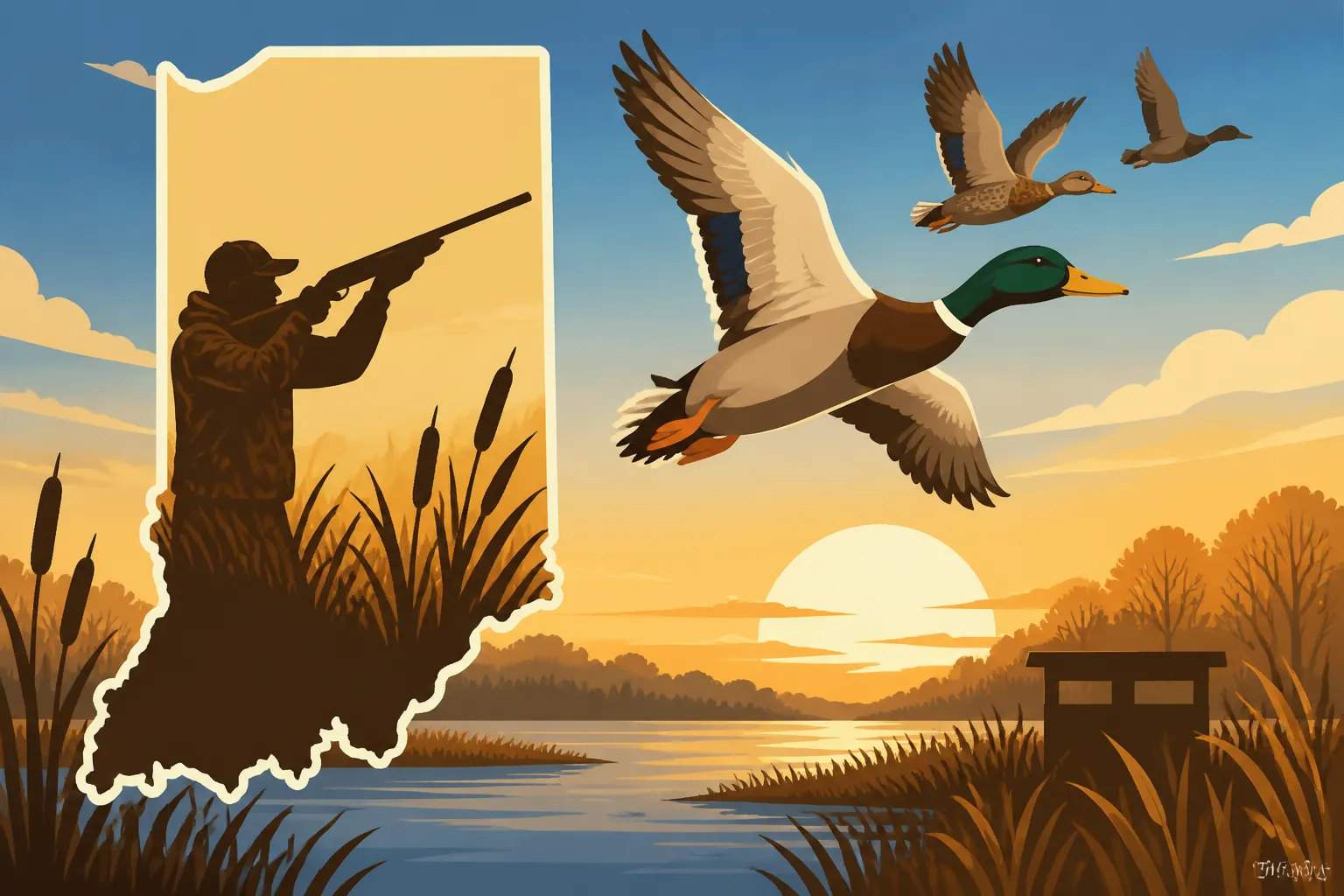
Despite the numerous challenges, there's nothing quite like the breathtaking sight of a flock of mallards, wings cupped, feet down, fully committed to your decoy spread, dropping gracefully into the water. Or the guttural, excited honking of a long string of Canada geese banking hard against the wind and sliding effortlessly into your field blind. These moments are the absolute culmination of all the diligent scouting, the brutally early mornings, the numb fingers, and the countless hours of practice with calls and gear. It's a pure, primal connection to nature that few other activities can truly offer. The ethereal sound of wings overhead in the predawn gloom, the splash of a landing bird, the triumphant bark of a retriever—these are the profound rewards that keep dedicated hunters coming back year after year, drawn by the magic of the marsh.
However, with that exhilarating thrill comes a profound ethical responsibility. Every waterfowl hunter must strive for quick, clean, and humane kills. This means practicing your shooting skills consistently, knowing your effective range with your chosen shotgun and ammunition, and understanding your firearm's capabilities. It also means absolutely committing to retrieving every single bird you shoot. Leaving a crippled bird unrecovered is not only profoundly unethical but also strictly illegal, leading to wasted game and suffering. This is precisely where a good retriever truly shines, minimizing lost birds and ensuring every bird is brought to hand. If a bird sails after the shot, mark its exact landing spot immediately, and do everything in your power to find and recover it. This unwavering commitment to ethical hunting practices is a core, non-negotiable tenet of the waterfowl tradition and is absolutely essential for the health of both the bird populations and the future of the sport itself. GoHunt also encourages responsible hunting practices, emphasizing the importance of ethical behavior.
Conservation and the Future of Waterfowl in Indiana
The landscape of waterfowl hunting is in a constant state of evolution, profoundly influenced by environmental changes, ongoing human development, and the tireless, dedicated efforts of conservationists. For Indiana waterfowlers, understanding these complex dynamics is key to ensuring the sport's longevity and the health of the resource for generations to come.
Habitat Challenges and Restoration Efforts
Indiana's rich agricultural history has, unfortunately, led to the widespread loss of vast, vital wetland habitats that once stretched across the state. The extensive draining of iconic areas like the Grand Kankakee Marsh for farming dramatically altered the landscape and hydrology of entire regions. While these historical changes brought significant economic benefits and allowed for agricultural expansion, they simultaneously reduced critical stopover and breeding grounds for countless waterfowl.
Today, significant, collaborative efforts are powerfully underway to restore and enhance these vital habitats. Organizations like Ducks Unlimited, working in close partnership with the Indiana DNR, private landowners, and other conservation groups, are implementing ambitious projects to:
- Restore Wetlands: This involves actively re-establishing natural hydrology, carefully planting native wetland vegetation, and constructing shallow water impoundments designed to mimic natural marsh conditions.
- Enhance Water Quality: Efforts focus on reducing nutrient and sediment runoff from agricultural lands, which directly benefits both aquatic life and, in turn, the birds that depend on these clean water sources.
- Protect Riparian Zones: Maintaining healthy, diverse vegetation along riverbanks, creek beds, and lake shores provides crucial cover, nesting sites, and food sources for waterfowl and other wildlife.
- Establish Nesting Cover: Creating expansive grasslands and upland areas adjacent to wetlands provides safe, undisturbed nesting cover for dabbling ducks and geese, vital for successful reproduction.
These efforts are ongoing and require consistent, substantial funding, much of which comes directly from the dedicated hunting community through license and stamp purchases. The unwavering dedication to these projects demonstrates a powerful, long-term commitment to not just hunting, but to the overall health and biodiversity of Indiana's diverse ecosystems.
The Impact of Climate Change and Management Strategies
Climate change presents a complex and evolving challenge for waterfowl populations and their long-established migration patterns. Milder winters in northern states and Canada can lead to birds "short-stopping" their migration, meaning they stay further north for longer periods if sufficient food and open water remain available. This phenomenon can significantly impact hunter success in traditional southern wintering grounds, including parts of Indiana, leading to fewer birds migrating through. Changes in rainfall patterns can also directly affect wetland availability and water levels, impacting breeding success, foraging opportunities, and overall migration routes.
In response to these changing conditions, wildlife managers continually adapt their strategies, employing science-based approaches. This includes:
- Adaptive Harvest Management (AHM): This robust framework allows for flexible adjustments in season lengths and bag limits based on annual population data, ensuring sustainable harvests even in the face of environmental variability and fluctuating bird numbers.
- Data Collection and Research: Ongoing banding programs, comprehensive aerial surveys across flyways, and detailed hunter harvest surveys (like the HIP registration) provide crucial, real-time information needed to make informed and effective management decisions that protect the resource.
- Interstate and International Cooperation: Because waterfowl migrate across numerous state and national borders, successful, flyway-wide management absolutely requires close collaboration and coordination among all jurisdictions along the entire Mississippi Flyway, from breeding grounds to wintering areas.
The future of waterfowl hunting in Indiana, and indeed across North America, depends critically on this synergistic blend of rigorous scientific management, proactive habitat restoration, and the continued, passionate support of dedicated hunters. By understanding these challenges and actively contributing to ongoing conservation efforts, we can all help ensure that the skies over Indiana continue to be filled with the magnificent sights and sounds of migrating ducks and geese for countless generations to come.
Common Indiana Waterfowl Species & Their Habitat Preferences
| Species | Primary Habitat Preference | Common Indiana Locations | Typical Diet | Key Hunting Tip |
|---|---|---|---|---|
| Mallard | Shallow wetlands, flooded timber, agricultural fields | Kankakee Marshes, Wabash River, many FWAs, farm ponds | Seeds, grains (corn, soybeans), aquatic invertebrates | Highly versatile, respond well to calling & diverse spreads. Scout for food sources. |
| Wood Duck | Flooded timber, small creeks, wooded swamps | Smaller creeks, timbered river bottoms, secluded FWA areas | Acorns, seeds, aquatic insects | Hunt tight to cover in flooded woods; often fly early/late. Use limited decoys. |
| Canada Goose | Agricultural fields, large bodies of open water, pastures | Statewide, especially northern farm fields & major rivers | Grasses, grains, aquatic plants | Large field spreads & aggressive calling often work. Scout feeding patterns daily. |
| Green-winged Teal | Shallow marshes, mudflats, flooded fields | Early season in many FWAs, shallow edges of larger water | Small seeds, aquatic insects, snails | Very fast flyers; target early in the season. Use small decoys and light calling. |
| Gadwall | Marshes, open water with emergent vegetation, flooded fields | Many FWAs, larger ponds, river backwaters | Aquatic plants, seeds | Blend well with mallards; often found in mixed flocks. |
| Pintail | Open, shallow water, agricultural fields | Large wetlands, open farm fields near water | Seeds, grains, aquatic invertebrates | Prefer open spreads and shy away from thick cover. Utilize long-neck decoys. |
| Canvasback | Large, deep open water, reservoirs | Larger lakes (e.g., Monroe), major rivers, deep FWA impoundments | Submerged aquatic vegetation | Hard to decoy without specialized spreads on large water; often pass shot. |
Disclaimer
Hunting involves inherent risks, and conditions in the field can be unpredictable. Always prioritize safety, adhere to all local, state, and federal regulations, and practice ethical hunting principles. This guide is for informational purposes only and should not replace official DNR regulations or professional instruction.