Indiana Muskrat and Mink Trapping Trends
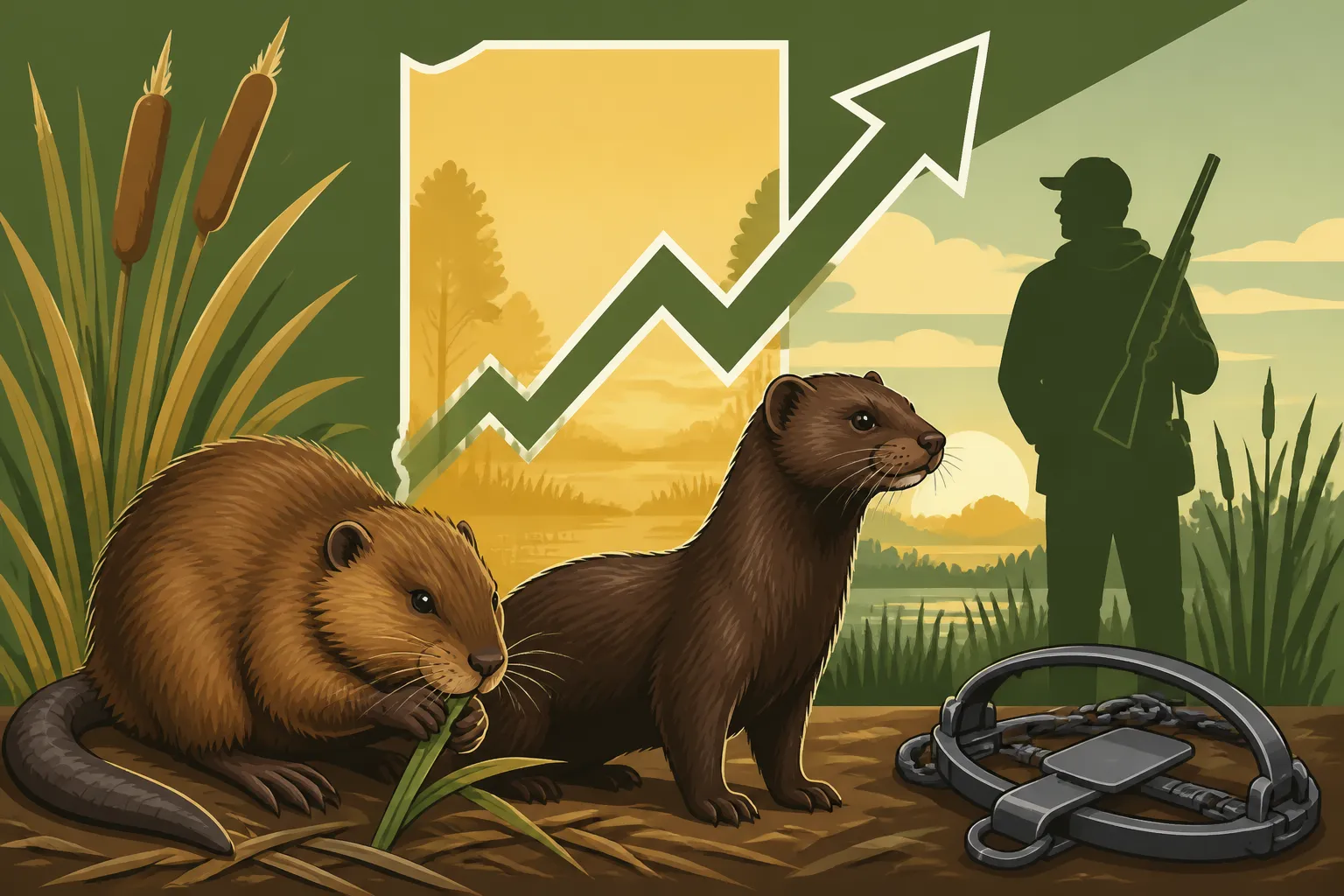
Trapping furbearers in Indiana is a time-honored tradition that often flies under the radar compared to the excitement of deer or turkey season. Yet, for many Hoosiers, the pursuit of animals like muskrats and mink offers a unique connection to the land, a test of wits, and a chance to harvest valuable resources. If you've ever felt a bit daunted by getting started, or wondered about the current state of these elusive wetland dwellers, this guide is here to shed some light on the trends and techniques for trapping muskrats and mink across our great state.
The Enduring Appeal of Muskrat and Mink Trapping in Indiana
There’s something incredibly rewarding about setting a trap line along a quiet creek or through a marshy area, knowing you’re participating in a tradition that spans generations. Muskrats and mink, while smaller than some of Indiana's other furbearers, offer a fantastic entry point into trapping and continue to be a source of both challenge and satisfaction for experienced trappers.
Muskrats: A Wetland Staple
Muskrats are truly the workhorses of Indiana's furbearer wetlands. You'll find them almost anywhere there's permanent water – from the smallest farm ponds and ditches to sprawling marshes and slow-moving rivers. Their cylindrical, hairless tails are unmistakable, and they're constantly busy building dome-shaped lodges out of vegetation, or burrowing into banks. These little engineers play a significant role in their aquatic ecosystems, influencing vegetation growth and even creating habitat for other species.
Historically, muskrats were a huge commodity for trappers in Indiana, providing a consistent source of income during the leaner winter months. While fur prices fluctuate, the muskrat remains a popular target because they are generally abundant and relatively predictable once you learn their habits. For a new trapper, catching muskrats offers a fantastic way to learn the ropes of water trapping, reading sign, and understanding animal behavior without the steep learning curve of more elusive species. You'll often find their tracks and droppings along muddy banks, or see their distinctive "runs" through shallow water where they travel between feeding areas and their dens. They are primarily vegetarians, munching on cattails, sedges, and other aquatic plants, and they'll often create obvious feeding platforms where they dine.
Mink: The Elusive Stream Stalker
Mink, on the other hand, are a different beast altogether. These sleek, dark-furred predators are the embodiment of stealth and cunning, making them a prize for any trapper. They're typically found in similar habitats to muskrats – near water, but they prefer a more varied landscape that includes dense cover along riverbanks, brushy creeks, and rock piles. Unlike muskrats, mink are carnivores, with a diet that includes muskrats, small mammals like voles and mice, birds, frogs, and fish. They are constantly on the move, patrolling their territories along the water's edge, using their keen senses to locate prey.
Catching a mink often feels like hitting the jackpot. Their fur is historically more valuable than muskrat, and their elusive nature means they're not as numerous or as easy to trap consistently. Many trappers target mink by setting traps along their travel routes where they move between water and land, or near culverts, log jams, and undercut banks. These are natural funnels where a mink is almost guaranteed to pass. Sometimes, a mink will be a bonus catch in a muskrat set, but dedicated mink trappers often use specific baits and lure, coupled with precise set locations, to entice these wary predators. They're a true challenge and offer a deep sense of accomplishment when you finally connect with one.
Understanding Population Dynamics and Environmental Factors
The health of Indiana's muskrat and mink populations, and by extension, the success of trappers, is deeply intertwined with environmental conditions. These aren't creatures that exist in a vacuum; their numbers ebb and flow with the availability of suitable habitat, food, and the pressures of predators and disease.
Water Levels and Habitat
For muskrats, consistent and healthy water levels are paramount. Think about it: they live in the water or in burrows along its banks. Drought conditions can devastate muskrat populations by drying up their preferred wetlands, forcing them to move or making them more vulnerable to predators. Conversely, severe flooding can wash out their lodges and burrows, scattering young kits and disrupting their breeding cycles. A stable water environment, with adequate depth and slow-moving currents, is ideal for them to thrive. This is especially true for the smaller ditches and ponds across central and northern Indiana farmland, where water levels can fluctuate dramatically.
Mink are also tied to water, as it provides a primary food source and travel corridor, but they are more adaptable to changes. While prolonged drought can reduce their prey base (like muskrats, frogs, and small fish), mink are capable of traveling significant distances overland to find new hunting grounds. However, the overall health of riparian (stream-side) habitats is critical for mink. Loss of dense brush, log jams, and undercut banks due to development or aggressive stream clearing directly impacts their ability to hunt and hide. Habitat degradation is a major concern for many furbearers in a state like Indiana, where agricultural land use is so widespread.
Food Sources and Predator Pressure
Muskrats primarily rely on aquatic vegetation. When marshes are drained or streams are cleared of plant life, their food supply dwindles, directly impacting their ability to sustain large populations. A healthy wetland rich in cattails, sedges, and other submerged plants is a muskrat paradise. For mink, a diverse food web is key. They need a steady supply of muskrats, fish, and small rodents to thrive. A decline in any of these prey species can put pressure on mink populations.
Nature also has its own checks and balances. Both muskrats and mink face predation from various animals. Hawks, owls, coyotes, and even raccoons will prey on muskrats, especially younger or less cautious individuals. Mink, being predators themselves, have fewer natural enemies, but large owls, coyotes, and bobcats will certainly take a mink if the opportunity arises. Understanding these ecological relationships helps trappers appreciate the complexity of the populations they're pursuing. It's a constant balancing act in the wild.
Disease and Climate
While not as widely publicized as Chronic Wasting Disease in deer, furbearers can also be affected by various diseases. Outbreaks can certainly impact local populations. For example, certain parasites or bacterial infections can become more prevalent in dense populations, leading to localized die-offs. Climate change, with its potential for more extreme weather events – longer droughts, more intense floods, or unseasonably warm winters – can also indirectly affect these species by altering their habitats and food sources. A mild winter, for instance, might mean fewer muskrats are pushed into concentrated areas, affecting trapping success. Trappers often become keen observers of these environmental shifts and their impact on the animals they target.
Navigating Trapping Regulations and Modern Techniques
Before you even think about setting a trap, understanding Indiana's regulations is absolutely critical. The rules are designed to ensure sustainable populations and ethical practices, and they're updated periodically. Ignoring them can lead to serious penalties.
Indiana's Trapping Regulations
The Indiana Department of Natural Resources (DNR) sets the seasons, bag limits (though typically unlimited for muskrats and mink during season), and legal methods for trapping. You'll need an Indiana Trapping License Requirements to participate. Always double-check the latest regulations on the DNR website, or consider using apps like GoHunt which can sometimes provide quick access to regulations and updates straight from the source. Pay close attention to season dates, as they vary for different furbearers, and rules about trap types and placement. For instance, there are regulations regarding setback distances from public roads, and specific requirements for identifying your traps. It's not just about knowing what to catch, but how and where you're allowed to do it.
A common oversight for new trappers is not having clear land access. Always get explicit permission if you're trapping on private land. On public lands, like Fish and Wildlife Areas or State Forests, specific sign-in procedures or restrictions might apply. While GoHunt is often associated with deer and turkey hunting, its mapping features can be invaluable for identifying potential wetland and riparian habitats, and for understanding public versus private boundaries. Indiana Public Hunting Land in Indiana is available, but understanding site-specific rules is essential.
Ethical and Effective Trapping Methods
Modern trapping emphasizes humane and ethical practices. For muskrats and mink, you'll primarily be looking at conibear-style body grip traps (appropriately sized for the species), foothold traps, or even cage traps in some scenarios.
- Conibear Traps: These are very effective for muskrats and mink when placed correctly in their travel lanes, often submerged or partially submerged. A common set for muskrats is a "run set" in shallow water or a "bank den set" near their entrance. For mink, a similar approach can work, but also "culvert sets" or "pocket sets" near natural travel routes are popular.
- Foothold Traps: These are live-restraining traps that hold the animal by the foot. They require checking frequently to ensure the animal is dispatched humanely. Many trappers use them for mink with bait or lure, often in blind sets along stream banks.
- Cage Traps: While less common for muskrats due to their aquatic nature, cage traps can be effective for mink, particularly if you're targeting them around outbuildings or areas where you want to avoid catching other wildlife.
Regardless of the trap type, proper trap placement is key. This means understanding the animal's movements and habits to ensure a quick, clean capture. Trappers often use natural features like log crossings, narrow channels, or den entrances to funnel animals into their sets. The goal is always a swift, humane experience for the animal.
Scouting for Success
You can't catch what isn't there, and you certainly can't catch it if your traps aren't where the animals are traveling. Scouting is perhaps the most critical skill for a successful trapper. It's not just about looking for tracks, although Reading Indiana Mud for Fresh Deer Movement can apply just as well to furbearers. You're looking for signs of active animals and natural funnels.
For muskrats, look for:
- Lodges or Bank Burrows: Their homes are obvious indicators of activity.
- Runs and Slides: Paths through vegetation or mud leading into water.
- Feeding Platforms: Piles of aquatic vegetation where they’ve been dining.
- Droppings: Small, dark pellets found along banks or feeding platforms.
For mink, look for:
- Tracks: Small, cat-like tracks often found along muddy banks or sandbars.
- Scat: Twisted, dark droppings often containing fur, feathers, or fish scales.
- Den Sites: Often in log piles, rock crevices, or abandoned muskrat burrows.
- Travel Corridors: Undercut banks, culverts, log jams, and fencerows near water.
Scouting isn't a one-and-done activity. It should happen before the season, and continue throughout, as animal movements change with weather and food availability. Mapping tools within GoHunt can help you visualize waterways, wetlands, and other potential habitats, allowing you to identify likely travel corridors and pinch points before you even step foot in the field. Understanding property boundaries is paramount, especially when setting traps near private land. Mapping tools within GoHunt can help you ensure you're on public ground or have secured the necessary permissions. This careful observation is what sets successful trappers apart.
Trends in Trapping Success and Furbearer Management
The world of trapping is dynamic, influenced by everything from global fur markets to local habitat changes and the simple ebb and flow of nature's populations. Indiana's muskrats and mink are no exception.
Historical Context and Recent Trends
Historically, trapping was a major economic activity in Indiana, with trappers annually harvesting thousands of muskrats, mink, raccoons, and other furbearers. The peak of this activity often coincided with periods of high fur prices, particularly from the 1970s through the early 1980s. Since then, interest in trapping, and corresponding fur prices, have seen fluctuations. We've seen periods where trapping seemed to wane, with fewer trappers actively pursuing these animals, potentially leading to local population increases. Then, there are resurgences, often driven by new generations discovering the passion for the outdoors and sustainable harvesting.
Recent trends suggest a continued interest in trapping as a traditional outdoor pursuit, though perhaps not at the commercial scale of decades past. Many modern trappers are more focused on the outdoor experience, wildlife management, and the challenge, rather than solely the monetary value of the fur. This shift means that while fewer people might be running massive trap lines, there's still a dedicated community out there. We sometimes see localized booms or busts in populations, perhaps due to a good breeding year, or conversely, a harsh winter or drought. This is where observation from experienced trappers becomes vital, as they are often the first to notice these subtle shifts on the ground.
The Role of Wildlife Management
The Indiana DNR plays a crucial role in managing furbearer populations, including muskrats and mink. They rely on various methods to assess population health, although directly counting small, elusive animals like mink is difficult. Instead, they often use harvest data reported by trappers, field observations, habitat assessments, and sometimes specific surveys to gauge population trends. This information helps them set seasons and regulations that ensure sustainable harvests, meaning enough animals are left to breed and replenish the population for future years.
For example, if an Indiana Wildlife Disease Monitoring effort indicates a localized problem impacting a species, the DNR might adjust trapping pressure in that area. Or, if reports indicate an overall decline in a species, they might shorten a season or implement other restrictions. It's a continuous process of monitoring and adaptation. While the DNR may focus on species like Indiana River Otter Recovery or Indiana Bobcat Sighting Reports by Year due to their conservation status, muskrats and mink remain important components of the ecosystem and are actively managed through regulated seasons, similar to how Indiana Raccoon Season Dates are set.
Conservation and Habitat Restoration
Trappers, perhaps more than any other group, have a vested interest in healthy furbearer populations and robust habitats. Without good habitat, there are no animals to trap. Because muskrats and mink are so tied to aquatic and riparian environments, efforts to restore wetlands, protect stream banks, and improve water quality directly benefit these species. Projects that re-establish native vegetation along waterways or create new shallow-water marsh habitats are boons for muskrats, which in turn can provide a food source for mink.
Many trappers are also actively involved in conservation efforts, whether through local clubs, participation in surveys, or simply by being stewards of the land they trap. They understand that sustainable harvesting is part of a larger picture of healthy ecosystems. By responsibly Trapping Indiana Furbearers, they help maintain balanced populations, and sometimes even remove nuisance animals that might be causing damage to property or agricultural fields. It's a dynamic relationship between humans and wildlife that has shaped Indiana's landscape for centuries, and it continues today through the dedicated efforts of those who understand and appreciate the small, wild residents of our waterways.
| Feature | Muskrat | Mink |
|---|---|---|
| Diet | Primarily vegetarian (aquatic plants) | Carnivore (muskrats, small mammals, fish) |
| Habitat | Permanent water: ponds, marshes, ditches, rivers | Near water: streams, rivers, swamps; dense bank cover |
| Size (Adult) | Roughly 1-2 feet long, 2-4 lbs | Roughly 1-2.5 feet long, 1-3 lbs |
| Tail | Laterally flattened, hairless | Bushy, cylindrical |
| Activity | Nocturnal and crepuscular, often visible | Primarily nocturnal, very secretive |
| Trapping Tip | Target runs, feeding platforms, den entrances | Target travel routes, culverts, log jams |
Disclaimer
This article is for general informational purposes only and does not constitute professional advice. Laws, prices and regulations vary by location and change over time. Consult a qualified professional for guidance on your specific situation.