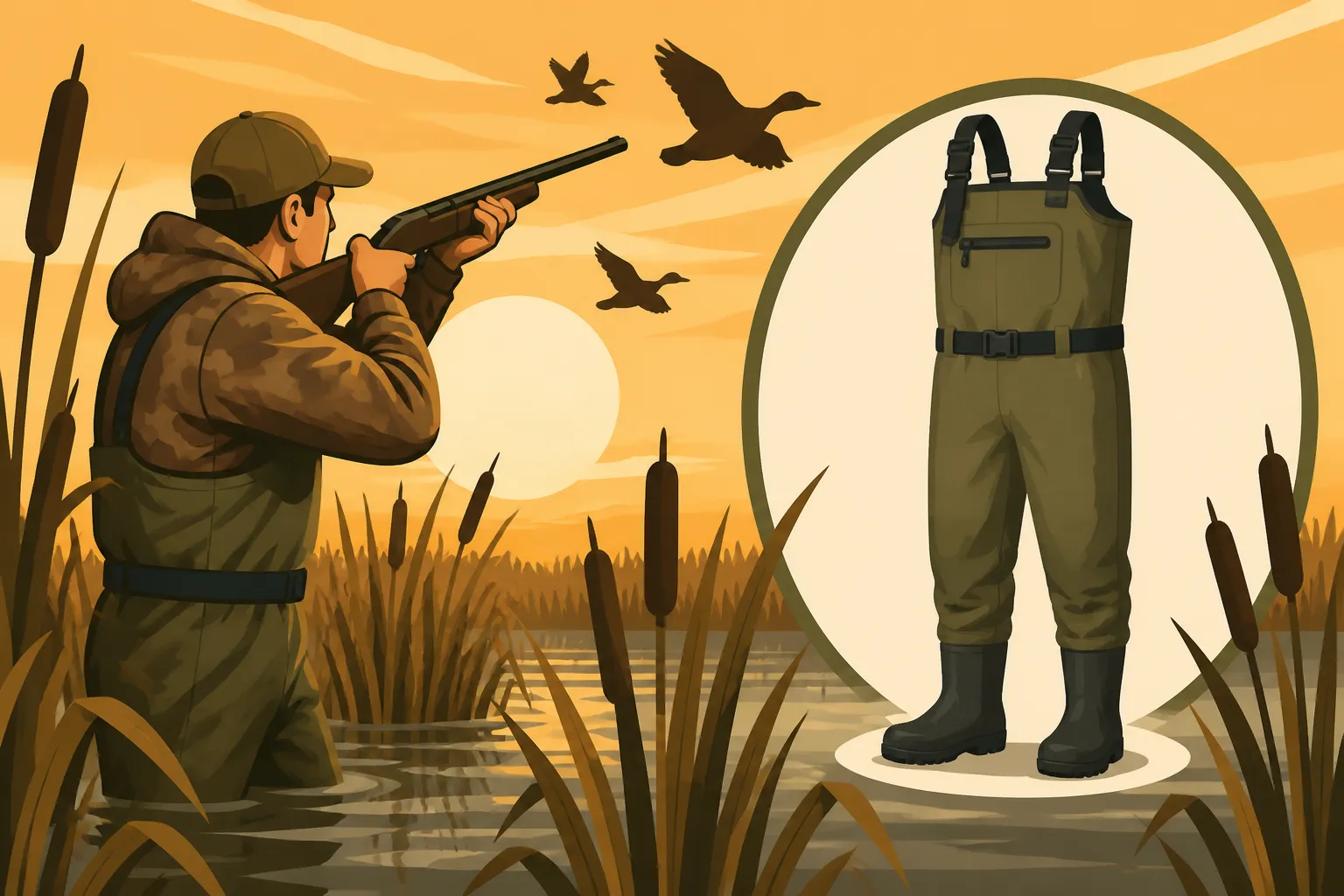
Waders for Cattail Marsh Hunting
Navigating Indiana's cattail marshes for waterfowl hunting can feel like you're fighting the terrain as much as you are the birds. That thick, grasping mud, hidden obstacles, and inconsistent water depths can absolutely soak a hunt before it even begins if you're not wearing the right gear. This guide is all about helping you cut through the confusion and choose the best waders to keep you dry, comfortable, and focused on the flight, not on your feet.
The Unique Challenges of Indiana Cattail Marshes for Waders
Hunting Indiana's marshes, especially those expansive, iconic stretches like parts of the Kankakee, isn't like wading a gentle trout stream. We're talking about a whole different beast. The terrain here is notoriously demanding, and if your waders aren't up to the task, you're in for a miserable, potentially even dangerous, day. It’s not just about staying dry; it’s about navigating truly challenging conditions safely and comfortably.
Why Standard Waders Just Don't Cut It Here
Many hunters, especially those new to marsh hunting or those transitioning from more forgiving environments, often make the mistake of thinking any old pair of waders will suffice. They learn quickly, often the hard way, that a lightweight, breathable wader designed for a clear-bottomed river simply can't stand up to the abuse of an Indiana cattail marsh. The material might be too thin, puncturing easily on sharp sticks or broken cattail stalks, or the boot design might offer insufficient traction in the deep, clinging mud.
Imagine sinking up to your knees unexpectedly in thick muck, and your flimsy waders snag on a submerged log. The last thing you want is a sudden, icy breach. Traditional waders are fantastic for their intended purposes, but the dynamic and aggressive nature of marsh environments requires specialized features. Durability isn't a luxury here; it's a necessity that directly impacts your success and safety. The continuous tug-of-war with the marsh bottom demands robust construction that many standard models simply don't possess.
Moreover, the sheer density of cattails and other vegetation creates friction and abrasion points that quickly wear down lesser materials. You're constantly pushing through, around, and sometimes even over thick stands, and each movement tests the integrity of your gear. A small leak might seem manageable at first, but after hours in freezing water, it can quickly turn into hypothermia or at least a hunt-ending chill. You need something that can take a beating and keep you dry through it all, day after day.
The Mud, Muck, and Hidden Hazards
The signature challenge of Indiana cattail marshes is undoubtedly the mud and muck. It's a special kind of mud – often deep, incredibly sticky, and capable of sucking the boots right off your feet if they're not secured properly. You might start in what looks like firm footing, only to take a step and sink unexpectedly into a soft spot. This isn't just an annoyance; it's a constant physical drain and a potential safety hazard.
Beyond the grasping mud, these marshes hide a plethora of hazards beneath the surface. Old fence posts, submerged logs, discarded farm equipment, sharp rocks, and even broken glass or metal can lie unseen, waiting to tear through thin wader material. A single misstep can lead to a puncture, a twisted ankle, or worse. This means your waders need to be tough enough to withstand unexpected encounters with sharp objects, and your boots need to provide exceptional ankle support to prevent injury when you step into an unseen hole.
Furthermore, the fluctuating water levels throughout the season mean what was a shallow wading area yesterday could be waist-deep today. You need waders that offer ample coverage, even in deeper pockets, to avoid overtopping. There's nothing quite like that sudden rush of freezing water over the top of your waders to make you question all your life choices. This unpredictable nature makes selecting waders with sufficient height and robust construction paramount for any serious Indiana waterfowl hunter. You'll definitely want to scout your routes, especially if you're heading into new territory, but even familiar spots can change year-to-year. Reading Indiana Mud for Fresh Deer Movement can also help you understand how varied the ground can be.
Key Features to Look for in Indiana Marsh Waders
When you're wading into the thick of an Indiana cattail marsh, your waders are your first line of defense against the elements. You're not just buying a piece of clothing; you're investing in your comfort, safety, and ultimately, your success. Knowing what features truly matter can save you a lot of grief and cold, wet mornings.
Material Matters: Durability Versus Flexibility
The choice of material is paramount for marsh waders, balancing the need for extreme durability against the desire for flexibility and comfort. You'll primarily encounter two main material types: neoprene and breathable laminates (like Gore-Tex or similar proprietary technologies).
Neoprene waders are legendary for their warmth and puncture resistance. They offer excellent insulation, which is a huge bonus during those frigid late-season hunts in Indiana. The material itself is quite thick and stretchy, providing a snug fit that also acts as an extra layer of warmth. However, neoprene can be heavy, especially when wet, and less breathable, making them uncomfortable during strenuous activity or warmer early-season hunts. They can feel like wearing a wetsuit, which is great in cold water but can lead to sweating and overheating if you're walking long distances or if the day warms up.
Breathable laminate waders, on the other hand, prioritize ventilation and lighter weight. Constructed from multiple layers of synthetic fabrics, they allow perspiration to escape while preventing water from entering. This makes them much more comfortable for active hunting or in milder temperatures. The downside is that while robust, they might not offer the same level of inherent warmth or the same brute-force puncture resistance as thick neoprene. They often require layering underneath to achieve adequate warmth in cold Indiana weather. Many manufacturers, including some you might research on sites like GoHunt, now offer reinforced breathable waders specifically designed for waterfowl, incorporating extra durable panels in high-wear areas like the knees and seat. This provides a good compromise between breathability and the necessary toughness for marsh conditions.
Here's a quick comparison of common wader materials:
| Material Type | Pros | Cons | Ideal Use Case |
|---|---|---|---|
| Neoprene | Excellent warmth, very puncture resistant, good insulation | Heavy, less breathable, can be bulky, prone to sweat build-up | Cold-weather, stationary marsh hunting, icy conditions |
| Breathable Laminate | Lightweight, highly breathable, flexible, comfortable for active hunting | Requires layering for warmth, potentially less puncture resistant than thick neoprene (unless reinforced) | Active hunting, early to mid-season, fluctuating temperatures |
Insulation and Layering for Indiana's Volatile Weather
Indiana weather is notorious for its unpredictability. One morning might start with a crisp chill, only to warm considerably by midday, while another can hover around freezing all day long. This makes insulation a critical consideration for your waders.
For neoprene waders, the insulation is built into the material itself, typically ranging from 3mm to 7mm thickness. For truly cold, late-season hunts where you're sitting in icy water, 5mm or 7mm neoprene is often preferred. This provides robust thermal protection, allowing you to focus on the ducks rather than shivering. However, these can be too warm for mild early-season days or if you have a long walk to your hunting spot.
With breathable waders, insulation is primarily achieved through effective layering underneath. This is where they really shine in versatility. You can adjust your base layers and mid-layers according to the day's forecast and your activity level. A good set of moisture-wicking Base Layers for an Indiana December followed by a fleece mid-layer can keep you toasty even in freezing conditions, while simply wearing the waders over lighter clothing works for warmer days. This adaptability is invaluable for Indiana's unpredictable climate. When planning for a hunt on the Kankakee River Marshes, consider how much walking or boat pushing you'll be doing versus how much sitting in a blind. Your layering strategy will need to adjust accordingly.
Boot Type and Tread for Gripping the Muck
The boots attached to your waders are perhaps the most critical component for marsh hunting in Indiana. They need to provide superior traction in that grasping mud and offer excellent support to prevent injury.
Most marsh waders come with rubber boots, often insulated, directly attached. The key is the tread pattern. Look for aggressive, deep lugs that can dig into the mud and provide purchase. Smooth-soled boots are an absolute no-go; you'll be slipping and sliding all over the place, fighting to stay upright instead of hunting. Some waders even incorporate cleated or felt soles for specific conditions, though deep mud generally benefits most from aggressive rubber treads.
Beyond the tread, the fit and ankle support of the boots are crucial. Loose-fitting boots can be literally sucked off your feet by the sticky marsh mud, leaving you stranded and in a dangerous predicament. A snug fit around the ankle and calf, perhaps with adjustable straps, helps keep the boot on your foot. Solid ankle support is also essential when navigating uneven, unseen terrain, helping to prevent twists and sprains. Consider how the boots will feel after hours of walking, perhaps even pushing a Marsh Boats and Push Poles through heavy vegetation. Comfortable, supportive Insulated Boots for All-Day Sits are non-negotiable for serious marsh hunters.
Understanding Wader Fit and Comfort for Long Hauls
Getting the right wader fit isn't just about looking good; it's about comfort, safety, and performance, especially when you're facing long treks or extended waits in a cold, damp Indiana marsh. Too tight, and you'll restrict movement and circulation; too loose, and you risk chafing, tripping, and cold spots where water can pool.
Sizing for Layers and Freedom of Movement
One of the most common mistakes hunters make is buying waders based solely on their street clothes size. Remember, you're not wearing these over a t-shirt and jeans. You'll be layering underneath, sometimes quite heavily, to manage Indiana's often frigid waterfowl weather. This means you need room for thermal base layers, fleece mid-layers, and perhaps even heavier insulation on truly brutal days.
When trying on waders, wear the kind of layers you'd typically use for a cold-weather hunt. Sit down, squat, and lift your knees high, mimicking climbing over obstacles or stepping into deep holes. You should have full freedom of movement in the legs and torso without any restrictive pulling or binding. Pay particular attention to the crotch and knee areas; these are common points where waders can feel too tight, especially when bending. A slightly looser fit in the body is often preferable to one that's too snug, as it allows for better layering and air circulation. However, avoid anything excessively baggy, as this can become cumbersome and increase drag in the water.
The boot size is equally critical. It needs to accommodate thick wool socks without being tight, but also not so loose that your foot slides around. Again, try them on with your thickest hunting socks. Too much heel slip is a recipe for blisters and could lead to a boot getting stuck in the mud. Some hunters even find it helpful to consult online sizing guides or reviews from other hunters on platforms like GoHunt, often specifically mentioning their layering strategies and how that impacts fit.
Essential Accessories and Maintenance
Once you've got the perfect pair of waders, a few accessories can significantly enhance your marsh hunting experience, and proper maintenance will extend their lifespan, saving you money in the long run.
A good wader belt is an absolute must. Not only does it help keep your waders up and prevent them from sagging, but more importantly, it creates a seal around your waist. If you accidentally stumble and fall in the marsh, a properly tightened wader belt can prevent your waders from filling with water, which could be life-threatening. Some waders come with integrated belts, but if yours doesn't, invest in a comfortable, wide belt that won't dig in.
Inside your waders, a small, waterproof pouch or chest pocket is incredibly handy for keeping essentials like your phone, calls, or license dry and accessible. Many modern waders come with these features built-in, but if not, consider adding a small dry bag that clips to your suspenders.
As for maintenance, it's pretty straightforward but often overlooked. After every hunt, especially after being in muddy marsh water, rinse your waders thoroughly inside and out with fresh water. Pay special attention to the boots, removing any mud or debris. Hang them upside down to dry completely, ideally in a cool, well-ventilated area, away from direct sunlight or heat, which can degrade materials over time. Store them hung up rather than folded or crumpled, as creases can create weak points. Regularly inspect them for small punctures, which can often be patched with a wader repair kit, saving you from buying a new pair. Checking for wear and tear is part of responsible gear management.
Top Wader Styles for Indiana Marsh Hunters
The world of waders offers different styles, each with its own advantages and disadvantages. For Indiana marsh hunters, understanding these differences will help you pick the right tool for the job.
Chest Waders: The Go-To for Most Situations
For the vast majority of Indiana waterfowl hunters venturing into cattail marshes, chest waders are the undisputed champions. Their full coverage, extending from your feet all the way up to your chest, provides the most protection against deep water, mud, and cold. This is invaluable when navigating the unpredictable depths of a marsh, where a step that looked shallow can quickly turn into a waist-deep plunge.
Chest waders offer critical peace of mind. You can push through thick vegetation, retrieve downed birds, and set up decoys in deeper water without constantly worrying about overtopping your waders. The added material also provides more insulation for your core, a significant benefit during bitter cold mornings or when you're sitting stationary for extended periods. When you're planning your Waterfowl Hunting the Kankakee Marshes trip, or even a smaller local marsh, chest waders are likely what you'll reach for.
They come in both neoprene and breathable laminate options, allowing you to choose based on your warmth and activity needs. For instance, a 5mm neoprene chest wader is fantastic for extreme cold and stationary hunting, while a reinforced breathable chest wader might be better if you're hiking a long way to your spot or if the weather is milder. The ample storage pockets often found on chest waders are also a huge plus, giving you quick access to calls, shells, or other small gear. This comprehensive coverage and versatility make them the safest and most practical choice for nearly all marsh hunting scenarios in Indiana.
Pant Waders and Hip Waders: Niche Uses and Considerations
While chest waders are the standard, pant waders and hip waders do have their niche uses, though they are generally less suitable for the deep, unpredictable waters of Indiana's cattail marshes.
Pant Waders: These waders extend up to your waist, much like a pair of waterproof pants. They are lighter and offer more freedom of movement than chest waders, making them comfortable for very active hunting in consistently shallow water. If you know for a fact that your hunting spot in a particular marsh will never exceed knee-to-thigh depth, and you're doing a lot of walking or crawling, pant waders might be considered. However, the risk of overtopping is significantly higher. One misstep, one unseen depression, or a slight increase in water level from recent rain can quickly lead to a cold, wet crotch and a ruined hunt. For the typical Indiana marsh hunter dealing with variable conditions and the need to retrieve birds from deeper water, pant waders usually fall short. They might be better suited for jump-shooting smaller creeks or sloughs, where water depth is more predictable, as you might find when Hunting the Wabash River Bottoms.
Hip Waders: These are the shortest option, extending only to your hips. They are the lightest and most packable of all wader types, offering maximum mobility. Hip waders are really only appropriate for situations where water is consistently shallow, perhaps ankle to knee-deep at most. Think small puddles, very shallow flooded fields, or crossing very minor creeks. For the challenging, often deep and muddy environment of a cattail marsh, hip waders are almost never an adequate choice. The chances of getting soaked are extremely high, making them impractical for serious waterfowl hunting in Indiana's primary marsh habitats. Unless you are specifically Jump-Shooting an Indiana Creek with known shallow depths, it's best to leave hip waders at home for duck and goose season in the Hoosier state. When considering gear for Hunting Kankakee River Marsh Waterfowl, remember that depth can change quickly, making the extra coverage of chest waders an absolute essential.
Disclaimer
This article is for general informational purposes only and does not constitute professional advice. Laws, prices and regulations vary by location and change over time. Consult a qualified professional for guidance on your specific situation.