Slate and Glass Calls in Wet Weather
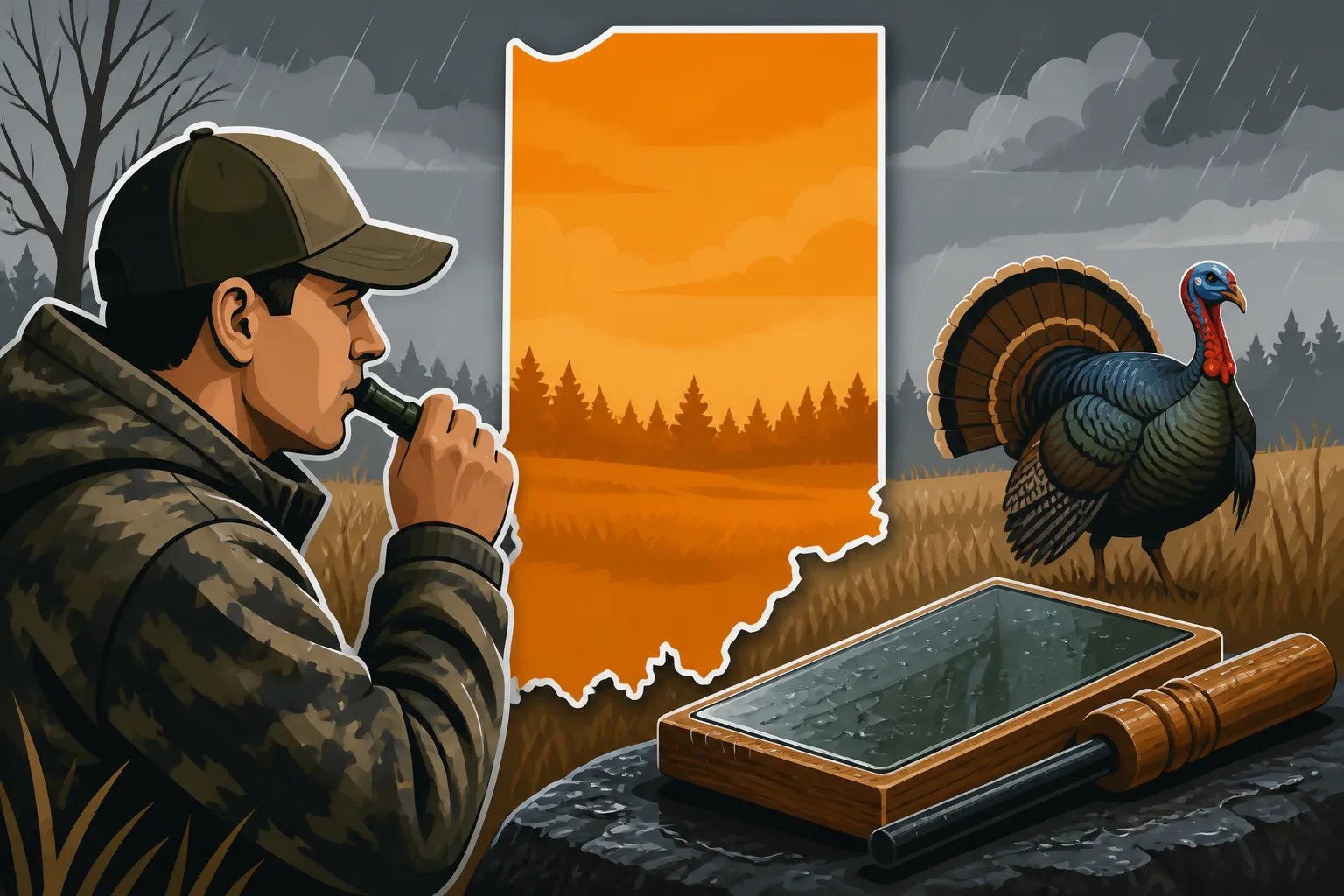
There's nothing quite as frustrating as waking up before dawn, trekking into your favorite turkey woods in Indiana, only to find a heavy dew, a drizzle, or persistent humidity rendering your trusty slate or glass call almost completely silent. That crisp, realistic purr or seductive yelp you've practiced endlessly suddenly sounds like a wet squeak or a dull thud. This guide is here to walk you through exactly why your friction calls fail in damp conditions and, more importantly, how to keep them singing when the weather tries to silence them, ensuring you can still bring in that Hoosier gobbler.
The Wet Weather Woes for Friction Calls
Indiana weather can be incredibly fickle, especially during spring turkey season. One minute it's crisp and dry, the next a fog rolls in or a light rain starts falling. For many turkey hunters, this unpredictability can turn a planned hunt into a frustrating battle with their gear, especially their friction calls. Slate and glass calls rely on a precise interaction of surfaces to produce sound, and moisture throws a massive wrench into that delicate balance.
How Moisture Impacts Slate and Glass Surfaces
Think about how friction works. When you drag a striker across a slate or glass surface, tiny vibrations are created as the striker skips and catches on the microscopic imperfections of the call's surface. These vibrations are then amplified by the call pot, creating the distinct sounds of a turkey. Now, introduce water into that equation. Even a fine mist or heavy humidity can coat the call's surface with a thin film of moisture. This water acts as a lubricant, reducing the friction necessary for those tiny skips and catches. Instead of a crisp, sharp sound, you get a muted, slick, or even non-existent note.
It's similar to trying to write on a wet whiteboard – the marker just glides, or makes a faint, watery mark instead of a clear, bold line. The same principle applies to your turkey call. The sound quality degrades significantly because the striker can't grab the surface effectively. This means your yelps lack conviction, your purrs sound thin and artificial, and your cutts might not even register as anything more than a dull click. When a wary gobbler is trying to pinpoint your location, these subtle differences in sound can mean the difference between him strutting into range and silently slipping away.
Why Your Striker Becomes Useless
It's not just the call surface that suffers; your striker is equally vulnerable to moisture. Many popular strikers are made of wood, a material that readily absorbs water. Once a wooden striker becomes saturated, its tip softens and swells slightly. This change in density and texture further inhibits its ability to create effective friction on the call surface. A wet striker feels heavier and less responsive in your hand, making it harder to control the nuanced movements required for realistic calling.
Imagine trying to play a violin with a soggy bow; it just won't produce the clear, resonant tones you expect. A damp striker tip, whether wooden or even certain composite materials, will either glide silently over the call or produce a dull, muffled sound, completely failing to excite the slate or glass. Some hunters even find that their striker tip starts to fray or break down under prolonged damp conditions, especially if it's not properly maintained. This can be especially disheartening when you're deep in the timber, trying to Calling an Indiana Gobbler Off the Roost, and your primary tool fails you.
Preparing Your Calls for Indiana's Unpredictable Weather
Since you can't always predict what Indiana's spring weather will throw at you, proactive preparation is key. Don't wait until you're soaking wet and a gobbler is answering to realize your calls aren't ready. A little bit of foresight and maintenance can save your hunt and ensure your friction calls perform when it matters most.
Waterproofing Strategies for Call Surfaces
While you can't truly "waterproof" a friction call in the way you would a rain jacket, you can certainly take steps to make it more resistant to moisture and easier to dry in the field. One common technique for slate calls involves lightly waxing the sides and bottom of the pot, but never the playing surface itself. This helps prevent the pot from absorbing ambient moisture, which can lead to warping or sound degradation over time. For the playing surface, the best defense is to keep it dry and properly conditioned. Many hunters carry a small piece of sandpaper or a conditioning pad (like a Scotch-Brite pad) to rough up the surface before each use, which improves friction and can help shed light moisture more easily. This isn't about making it waterproof, but about making it more functional despite adverse conditions.
For glass calls, similar principles apply. Some hunters apply a very thin coat of car wax to the underside of the glass and the sides of the pot, again, never the playing surface. The key is creating a barrier that resists water absorption into the pot materials. Another strategy is to choose calls made with more weather-resistant pot materials, such as acrylic or other synthetic composites, which are less prone to swelling or warping from moisture compared to traditional wooden pots. Regardless of the material, keeping a clean, rough playing surface is paramount for good sound, and any conditioning efforts should always focus on maintaining that friction-rich texture. Brands often offer specific conditioners for their calls; GoHunt resources sometimes feature reviews or recommendations for these specialized maintenance products, helping you make an informed choice.
Protecting Your Strikers from the Elements
Strikers, especially wooden ones, are arguably even more susceptible to moisture issues than the call pots themselves. A wet striker translates directly into poor sound. To combat this, always carry multiple strikers made from different materials. While a traditional wooden striker might be your go-to in dry conditions, having an acrylic, carbon, or even a hardened plastic striker in your vest is a smart move for damp days. These synthetic materials don't absorb water like wood, maintaining their tip integrity and friction-generating capability even in a downpour.
Beyond material choice, proper storage is crucial. Don't just toss your strikers loosely into a vest pocket where they can get soaked. Invest in a striker holder that keeps them upright and protected, ideally one with drainage holes or a material that won't trap moisture. Some hunters even keep their "rainy day" strikers in a small, waterproof baggie inside their vest. If a wooden striker does get wet, the best thing to do is allow it to air dry completely. Don't try to dry it over a fire or with excessive heat, as this can cause it to crack or warp. Remember, a dry striker is a loud striker, so prioritizing their protection is just as important as caring for your call surface. A quick wipe down with a dry cloth before use can make a big difference.
Field Tactics for Rainy or Humid Days
You've prepared your calls, but now you're out in the field, and the weather decides to turn. This is where your in-the-moment tactics come into play. Adaptability is the name of the game when hunting Indiana turkeys, especially when dealing with damp conditions.
Keeping Calls Dry While Hunting
The most straightforward way to combat moisture affecting your friction calls is to simply keep them dry while you're hunting. This sounds obvious, but it requires conscious effort. Many turkey vests, like those often reviewed on platforms like GoHunt, come equipped with dedicated call pockets that offer some level of protection. However, for truly wet conditions, you might need to go a step further. Consider placing your calls inside a small, sealed plastic bag or a purpose-built waterproof call pouch within your vest. When you take a call out to use it, do so quickly, make your series, and then return it to its protected spot immediately.
If you're hunkered down against a tree, as you might when Setting Up Against a Big Oak, you can also use your body or vest to shield the call from falling rain. Always try to hold the call with the playing surface facing down to prevent rain from accumulating directly on it. If you need to dry the surface quickly, a small piece of chamois cloth or even a clean, dry handkerchief can absorb surface moisture. Avoid wiping with your bare hands, as skin oils can further contaminate the call surface and reduce friction. Sometimes, even a gentle blowing across the surface can disperse some moisture, buying you a few precious seconds of good sound.
Alternative Calling Techniques When Friction Fails
Let's face it, sometimes despite your best efforts, that slate or glass call just won't cooperate. The moisture might be too heavy, or your striker too saturated. This is when having a backup plan is critical. Don't rely solely on one type of call. Mouth calls (diaphragm calls) are fantastic for wet weather because they are used internally and are completely unaffected by rain or humidity. They allow you to call hands-free, which is a huge advantage when you're trying to stay still and keep your gun up. Learn to master at least a basic yelp and cluck on a mouth call.
Box calls are another excellent alternative. While a wooden box call can get dampened, its large, enclosed sound chamber makes it less susceptible to surface moisture issues than a pot call. You might find it still produces decent sound even in a light drizzle. If the rain becomes a deluge, or if you're just looking to get a response from a distant bird, don't forget your locator calls. A crow call, owl hooter, or coyote howler can often elicit a shock gobble even in pouring rain, helping you pinpoint a bird's location without needing to make turkey sounds yourself. Understanding Box Calls Versus Mouth Calls and when to use each can significantly increase your success rate in varying conditions.
Post-Hunt Care and Storage
The hunt might be over, but your responsibility to your calls isn't. Neglecting your slate and glass calls after a wet hunt can lead to long-term damage, affecting their performance for seasons to come. Proper drying and storage are paramount to maintaining their quality and extending their lifespan.
Drying and Cleaning After a Wet Hunt
As soon as you get home from a damp day in the Indiana woods, your first priority should be to thoroughly dry your calls. Remove them from your vest or any protective pouches and allow them to air dry in a well-ventilated area. Do not place them directly on a heat source like a radiator or in direct sunlight, as rapid drying can cause wooden pots to crack or warp. Lay them on a clean, dry cloth, perhaps on a table or shelf where air can circulate around them. This slow, natural drying process is best.
Once completely dry, inspect your call surfaces. If there's any visible grime or residue from the mud or water, gently clean it. For slate calls, a fine-grit sandpaper (around 220-grit) can be used to lightly re-condition the playing surface, removing any slick spots and raising the natural texture. For glass calls, rubbing alcohol on a cotton ball can clean the surface, followed by a light re-scuffing with a conditioning pad or fine sandpaper. Don't forget your strikers! Ensure they are also completely dry before putting them away. If a wooden striker is warped, it might be beyond repair, but thorough drying can sometimes prevent further damage. Regularly cleaning and re-conditioning your call surfaces is essential for optimal sound, and platforms like GoHunt often share tips and product recommendations for this routine maintenance.
Long-Term Storage to Prevent Moisture Damage
Once your calls are thoroughly dry and cleaned, proper long-term storage is crucial. Storing them incorrectly can lead to warping, mildew growth, or even rust on metal components if they are exposed to prolonged humidity. The ideal storage environment is a cool, dry place with stable temperatures, away from direct sunlight or extreme fluctuations in humidity. A dedicated call case with individual slots for each call and striker is an excellent investment. These cases protect your calls from physical damage and keep them organized.
Avoid storing calls in damp basements, garages, or sheds where humidity can fluctuate wildly. Even an unused turkey vest that holds calls should be stored indoors in a climate-controlled space, especially if you plan on using it for Spring Turkey Hunting in Indiana next year. If you live in a particularly humid environment, consider placing small desiccant packets (like silica gel) inside your call case to absorb any residual moisture. By taking these simple steps, you'll ensure your slate and glass calls remain in peak condition, ready to produce those irresistible turkey sounds when you head out for your next hunt, no matter what Mother Nature throws your way.
| Call Type | Wet Weather Performance | Drying/Maintenance Tips | Alternative |
|---|---|---|---|
| Slate Call | Poor, loses friction | Air dry, light sand on surface, avoid waxing playing surface | Mouth Call, Box Call |
| Glass Call | Poor, loses friction | Air dry, alcohol clean, re-scuff, wax underside of pot only | Mouth Call, Box Call |
| Wooden Striker | Poor, softens, swells | Air dry slowly, avoid direct heat | Acrylic, Carbon, or Hardened Plastic Strikers |
| Box Call | Fair to Good | Air dry, condition paddles | Mouth Call |
| Mouth Call | Excellent | Rinse and store in case | N/A (primary wet weather call) |
| Locator Call | Excellent | Shake out water, air dry | N/A (used to locate, not imitate turkey) |
Disclaimer
This article is for general informational purposes only and does not constitute professional advice. Laws, prices and regulations vary by location and change over time. Consult a qualified professional for guidance on your specific situation.