Blind Bags and Cold-Weather Gear
There's nothing quite like the biting chill of an Indiana dawn, especially when you're hunkered down in a duck blind or sitting on a frozen deer stand, waiting for the first rays of light. Many of us have experienced the frustration of fumbling through disorganized gear or shivering uncontrollably because we weren't properly prepared for the relentless cold. This guide is all about helping you conquer those challenges, ensuring your essential hunting gear is not only protected and organized in a reliable blind bag but also that you're bundled up in the right cold-weather apparel to stay comfortable, focused, and effective when hunting across Indiana's varied landscapes.
The Unsung Hero: Why Your Blind Bag Matters More Than You Think
When you're out in the field, whether it's setting up decoys in a flooded timber hole along the Wabash River or sitting patiently in a ground blind near a standing cornfield, your blind bag is more than just a carry-all. It's your mobile command center, your first-aid station, and your lunchbox, all rolled into one. Too many hunters overlook the importance of a well-chosen and well-packed blind bag until they're in a critical moment and can't find what they need, or worse, their essential gear is soaked and useless.
Keeping Chaos at Bay: Organization is Key
Imagine this scenario: you've got geese circling high above the Kankakee River Marshes, the wind is howling, and you need to quickly switch out a call or grab a spare box of shells. If your blind bag is a bottomless pit of random items, you're going to waste precious seconds, make unnecessary noise, and likely spook those birds. An organized bag means every item has its place, from your duck or goose calls to your extra choke tubes and field glasses. This isn't just about efficiency; it's about reducing stress and maintaining focus when it counts the most.
Beyond the immediate hunt, good organization extends to safety and convenience. Having a dedicated spot for your knife, a small first-aid kit, and an emergency lighter or fire starter means you're always prepared, even for unexpected situations. I've been in plenty of situations where I needed a particular item in a hurry, and if it wasn't easy to grab, the opportunity was lost. Thinking about a structured bag can save you from those frantic moments.
Shielding Your Essentials: Protection from the Elements
Indiana weather is notoriously unpredictable. One minute it's crisp and clear, the next a freezing drizzle or snow squall rolls in. Your phone, GPS, extra gloves, or even your hunting license can quickly become ruined or unusable if exposed to moisture. A quality blind bag acts as a crucial shield against rain, snow, sleet, and even muddy splashes from boat rides or wading through shallow water.
Many hunters learn this lesson the hard way. I remember one early season duck hunt where a buddy's cheap bag sat in a puddle for just an hour. His sandwiches were mush, his spare headlamp wouldn't work, and his phone was acting squirrelly for days afterward. Investing in a bag designed to withstand these conditions is not just about comfort; it's about protecting your valuable electronics and ensuring your critical tools remain functional throughout your hunt. You wouldn't leave your rifle or bow exposed to the elements, so why would you treat your other essential gear any differently?
Anatomy of a Top-Notch Blind Bag
Choosing the right blind bag isn't rocket science, but there are definitely features that will make your life in the blind or stand significantly easier. You need something rugged, smart, and comfortable to carry, especially if you're humping gear into a remote area.
Materials That Endure the Indiana Grind
The backbone of any good blind bag is its construction material. You're looking for fabrics that are not only tough but also resistant to water and abrasion.
- Durable Fabrics: Think heavy-duty nylon or polyester with a high denier count. These materials resist snags, tears, and general wear and tear from being dragged through brush, tossed in boats, or set on rough terrain. Look for reinforced stitching at stress points.
- Waterproofing/Water Resistance: This is non-negotiable for Indiana hunting. Many bags feature a water-resistant exterior coating, but for true protection, seek out bags with waterproof zippers, taped seams, and a fully waterproof, often molded, bottom. A waterproof bottom is particularly valuable, allowing you to set the bag down in shallow water or mud without everything inside getting soaked.
- Easy to Clean: Let's face it, hunting gets messy. Mud, blood, and general grime are part of the deal. Materials that can be easily wiped down or hosed off are a huge bonus for maintaining your gear and preventing unpleasant odors.
Smart Storage Solutions
Beyond just a big open compartment, the best blind bags offer intelligent ways to organize your items. This is where you really start to appreciate a well-designed piece of gear.
- Main Compartment: This should be spacious enough for larger items like extra layers, lunch, or a thermos. Internal dividers or modular pouches can help keep things from shifting around. Some bags, particularly from brands that focus on rugged outdoor equipment like GoHunt, offer customizable internal layouts, which can be a game-changer for specific hunts.
- External Pockets: Look for a variety of external pockets: zippered pockets for valuables, mesh pockets for wet gloves to dry, and quick-access pockets for calls or shells. These allow you to grab frequently used items without digging through the main compartment.
- Shell Loops/Holders: Integrated shell loops on the exterior or inside a pocket are incredibly handy for quick reloading, preventing loose shells from rattling around or getting lost.
- Specialized Pockets: Some bags include dedicated pockets for dog electronics, eyeglasses, or even a waterproof sleeve for maps or licenses. Thinking about your specific hunting needs will help you determine which specialized features are most important.
- D-rings and Attachment Points: These are great for clipping on dog leads, lanyards for calls, or even small accessory pouches.
Comfort and Portability
Even if your blind is just a few steps from the truck, you'll eventually need to carry your bag. If you're walking a considerable distance into a public land spot, or traversing uneven terrain in the Hoosier National Forest, a comfortable bag is vital.
- Shoulder Strap: A wide, padded, and adjustable shoulder strap is crucial. It distributes weight evenly and prevents the strap from digging into your shoulder, especially when the bag is fully loaded.
- Grab Handles: Sturdy grab handles on the top and sides make it easy to quickly pick up and move the bag in tight quarters, such as a boat, UTV, or a crowded blind.
- Backpack Straps (Optional): Some larger blind bags come with stowable backpack-style straps. If you frequently make long treks with your gear, this can be a huge advantage for hands-free carrying, freeing you up to carry a decoy bag or a firearm. Packs for a Day on Public Land might be a good read if you're looking for more ways to carry gear.
Here’s a quick overview of features to consider when picking out a blind bag:
| Feature Category | Essential | Highly Recommended | Nice to Have |
|---|---|---|---|
| Durability | Heavy-duty, water-resistant fabric | Waterproof bottom, reinforced stitching | Abrasion-resistant panels |
| Protection | Water-resistant zippers, internal dry pocket | Fully waterproof main compartment, taped seams | Floatation capability |
| Organization | Main compartment, 2-3 external pockets | Internal dividers, shell loops, specialized pockets | Hydration sleeve, external bungee for jacket |
| Comfort/Carry | Padded shoulder strap, sturdy grab handles | Non-slip shoulder pad, ergonomic design | Stowable backpack straps, waist belt |
| Accessibility | Quick-access pockets, easy-open zippers | Magnetic closures for silent access | External tool loops |
Conquering the Cold: Essential Layering for Indiana Winters
Staying warm isn't just about piling on every piece of clothing you own; it's about smart layering that traps heat, manages moisture, and protects you from the wind and wet. Indiana's cold can be damp and bone-chilling, making proper layering even more critical. Getting the Clothing for an Indiana Late Season right can make or break your hunt.
The Foundation: Base Layers for Moisture Management
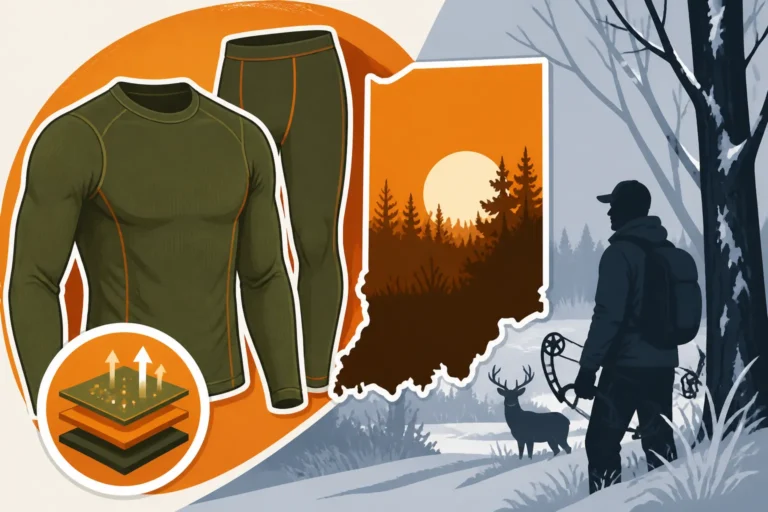
Your base layer is the first line of defense against the cold, and its primary job isn't just warmth, but moisture management. When you walk to your stand or blind, you're going to sweat, even if it's freezing. If that sweat stays on your skin, it will cool rapidly and make you dangerously cold.
- Synthetics: Materials like polyester are excellent at wicking moisture away from your skin and drying quickly. They are often durable and affordable.
- Merino Wool: This natural fiber is a superstar. It wicks moisture, insulates even when wet, is naturally odor-resistant, and incredibly soft. While often more expensive, it's worth the investment for serious cold-weather hunting. When looking for high-performance options, I often check out brands known for their technical outdoor apparel, and sometimes even GoHunt might offer specific cold-weather layering options in their tactical lines.
- Avoid Cotton: Cotton absorbs moisture and holds it against your skin, making you cold and clammy. Never wear cotton as a base layer in cold weather.
The Insulation Core: Mid-Layers for Warmth
This layer is all about trapping air to create warmth. You can adjust the thickness of your mid-layers based on the temperature and your activity level.
- Fleece: Fleece jackets and pants are popular for their warmth-to-weight ratio and breathability. They come in various thicknesses, from lightweight to heavy-duty.
- Puffy Jackets/Vests: Insulated with down or synthetic fill, these are fantastic for serious warmth. Down offers superior warmth for its weight but loses insulating power when wet. Synthetic fills perform better in damp conditions. A packable puffy vest or jacket can be an easy item to throw in your blind bag for an extra boost of warmth when you slow down your activity level.
- Wool Sweaters: Traditional wool is still a great insulator and provides excellent warmth. It can be a bit bulkier than modern synthetics but is very durable. Remember, Wool Versus Synthetics in Wet Snow is a debate worth considering, but often wool comes out on top for its ability to retain heat even when damp.
The Outer Shell: Protection from Wind and Wet
Your outermost layer needs to be a fortress against the elements, providing a barrier against wind, rain, and snow while allowing some breathability to prevent overheating.
- Waterproof and Windproof: Look for jackets and pants made with waterproof and windproof membranes. This is critical for staying dry and protected from wind chill, which can drastically lower perceived temperatures.
- Durable and Quiet: Hunting demands quiet movement. Choose fabrics that are rugged enough to withstand brush but don't make excessive noise when you move or rub against itself. Many hunting-specific outer shells are designed with quiet fabrics.
- Layering Considerations: Your outer shell should be sized to accommodate your base and mid-layers without being too baggy or restrictive. You need to be able to move freely and comfortably, especially if you're taking a shot.
Extremities: Don't Forget Your Head, Hands, and Feet
Heat escapes rapidly from your head, and cold hands and feet can make any hunt miserable, regardless of how well your core is insulated.
- Headwear: A warm hat (beanie, trapper hat, or balaclava) is essential. On particularly brutal days, a full balaclava can protect your face and neck from windburn.
- Gloves/Mittens: This is often a personal preference. Many hunters opt for thin, sensitive gloves for shooting, with a heavier, insulated mitten or "shooter's mitt" that can be easily pulled off when it's time to take a shot. Keeping a couple of pairs of Hand Warmers That Last a Full Sit in your blind bag is a smart move for your pockets or gloves.
- Footwear: Insulated, waterproof boots are non-negotiable. Look for boots with sufficient insulation ratings for the temperatures you expect to face, and ensure they fit well enough to wear thick wool socks without cutting off circulation. Good boots, combined with quality wool or synthetic socks, are key to preventing frostbite and staying comfortable. Check out Boots for Indiana Mud and Snow for more specific advice. Always bring an extra pair of dry socks in your blind bag!
Strategies for Staying Warm and Ready
Having the right gear is only half the battle; knowing how to use and manage it effectively in the field is just as important.
Packing Smart: Anticipating Conditions
Before every hunt, assess the weather forecast, but always be prepared for it to change. Pack your blind bag with a mindset of adaptability.
- Layer for the Day: Plan your layers. If it's going to start freezing and warm up slightly, you'll need layers you can shed. If it's going to be brutal all day, pack your heaviest insulation.
- Bring Spares: Always include a spare pair of gloves, an extra hat, and those crucial dry socks. If one pair gets wet, you're not out of luck.
- Essential "Comfort" Items: Beyond hunting tools, think about items that keep morale up: a thermos of hot coffee, tea, or soup; high-energy snacks; and a small, dry towel. These can make a long, cold sit much more tolerable.
- Emergency Kit: In addition to your regular hunting gear, always have a basic emergency kit in your blind bag: a small first-aid kit, a headlamp with extra batteries, a knife, fire starter, and some emergency cordage. You never know when you might need it, especially if you're hunting alone on public land.
The Power of Heat: Supplemental Warmth
Sometimes, even the best layering isn't enough to combat a deep Indiana cold front. That's when supplemental heat can be a game-changer.
- Chemical Hand Warmers: These are a hunter's best friend. Toss them in your gloves, boots, or even inside your jacket pockets. They provide consistent, long-lasting warmth.
- Portable Heaters: For stationary blind hunting, small propane heaters can provide significant warmth. Always use these with extreme caution, ensuring adequate ventilation to prevent carbon monoxide buildup. Never use them in an enclosed space without proper airflow. Familiarize yourself with all safety instructions before use.
- Hot Beverages: As mentioned, a hot thermos of liquid doesn't just warm you from the inside out; the act of holding a warm mug can be comforting and help you stay out longer. It can be part of your Cold-Weather Sitting Strategy in Indiana.
Maintenance and Readiness
Your gear needs care to perform season after season. Taking a little time after each hunt will ensure it's ready for the next.
- Drying Everything Out: As soon as you get home, empty your blind bag and hang up all your wet or damp clothing and gear. Never store anything wet, as it can lead to mildew, odors, and material degradation.
- Cleaning Your Bag: Wipe down your blind bag as needed. If it's truly muddy, a gentle rinse with a hose and mild soap can work, but always check manufacturer instructions for care.
- Pre-Packing: Get into the habit of pre-packing your blind bag the night before a hunt. This ensures you haven't forgotten anything crucial and allows you to double-check weather-specific items. It’s also a good time to charge any electronics you might carry, like your phone or GPS.
- Inspecting for Wear: Periodically inspect your blind bag and cold-weather gear for tears, worn spots, or failing zippers. Repair or replace items as needed to avoid failures in the field.
Being prepared for Indiana's hunting conditions means having a reliable blind bag that organizes and protects your gear, and a solid layering system that keeps you warm and dry. Don't let the weather dictate the success of your hunt. Be smart, stay warm, and focus on the experience.
Disclaimer
This article is for general informational purposes only and does not constitute professional advice. Laws, prices and regulations vary by location and change over time. Consult a qualified professional for guidance on your specific situation.