Indiana’s Blaze Orange and Pink Options
It’s a common scenario: you’re gearing up for a hunting trip in Indiana, pulling out your favorite camo, and then you hit that moment of uncertainty. Do I need blaze orange? How much? What about that new blaze pink option I heard about? It’s enough to make you feel like you need a law degree just to get dressed for the woods! The truth is, safety regulations around visible clothing can feel a bit like a moving target, especially with updates and different rules for various seasons. This guide is here to clear up all that confusion, detailing Indiana’s requirements for blaze orange and pink, so you can head into the field confident that you’re legal, visible, and most importantly, safe.
Understanding the "Why" Behind Blaze Colors
Wearing highly visible colors like blaze orange or blaze pink isn't about giving away your position to deer or turkeys; it's fundamentally about human safety. In a state like Indiana, where diverse hunting seasons can overlap, and both public and private lands see significant pressure, distinguishing fellow hunters from game animals is paramount. The primary goal is to prevent accidental shootings, which, thankfully, are rare but always tragic when they occur.
The Science of Visibility
Think about it from an animal's perspective versus a human's. Deer, for example, are largely red-green colorblind. To them, blaze orange or pink doesn't stand out as a vibrant, eye-popping color. Instead, it appears as a dull gray or brown, blending more effectively into the natural environment than you might imagine. This means you gain the critical advantage of human visibility without necessarily alerting game. We, as humans, are wired to detect movement and bright, unnatural colors, making these hues highly effective for person-to-person recognition in dense cover or at a distance. It's a clever compromise that protects hunters while minimally impacting hunting success.
Preventing Accidents in the Field
Imagine a scenario: you’re still-hunting a ridge in Hoosier National Forest, moving slowly through the timber. Another hunter is doing the same, perhaps 100 yards away, and suddenly catches a glimpse of movement through the brush. If that movement is entirely clad in camouflage, it might be mistaken for a deer. But if even a portion of that movement shows a bright splash of blaze orange or pink, the other hunter immediately recognizes a human presence. This quick identification is the bedrock of hunting safety and the main reason these regulations exist. It reduces the chance of misidentification, especially during fast-paced situations or in low-light conditions. These rules save lives, pure and simple.
Indiana's Specific Requirements for Blaze Orange
Indiana's regulations for blaze orange are quite clear, but they do vary depending on the specific hunting season you're participating in. It’s not a one-size-fits-all rule, which is why it can be confusing for even seasoned hunters. Understanding these nuances is key to staying legal and safe in the woods.
Mandatory Seasons and Garment Placement
For starters, during any deer firearms season, including the special Indiana's Firearms Deer Season and the Muzzleloader Deer Hunting in Indiana, as well as any hunting for rabbit, pheasant, quail, or grouse, wearing blaze orange is not just recommended, it's mandatory. This is when hunter density is often at its highest, and the risk of accidents with firearms is greatest. The rules state that you must wear exposed articles of outer clothing of solid hunter orange color, such as a vest, jacket, coat, or coveralls. You also need to wear a hunter orange hat.
Crucially, the regulation specifies that at least 500 square inches of hunter orange must be visible above the waist, and a hunter orange hat must be worn. This isn't just a vague suggestion; it's a measurable requirement. This means a small orange patch on a backpack or a thin strip on a jacket isn't going to cut it. It needs to be a substantial, noticeable presence on your upper body, visible from all directions. This significant amount of orange ensures that even if you're partially obscured by brush, enough of the color will still be visible to another hunter. Before heading out, I always double-check the latest regulations on the Indiana DNR website, and apps like GoHunt can be invaluable for cross-referencing information and ensuring I'm compliant.
Exceptions to the Blaze Orange Rule
Now, here’s where some hunters get tripped up: not all seasons require blaze orange. For archery deer season, including Bowhunting Indiana's Long Archery Season, blaze orange is not required. This is a common misconception, likely because archery season often overlaps with other species where orange is required. However, many savvy bowhunters still choose to wear a minimal amount of orange while walking to and from their stands, especially on public land during times when other seasons are open, like squirrel or rabbit. Once they're settled in their treestand or ground blind, they can remove the orange to blend in. The same generally applies to spring turkey season (Spring Turkey Hunting in Indiana), where camouflage is preferred, as well as during waterfowl season or when hunting coyotes at night.
It’s important to note that even when not legally required, exercising good judgment is crucial. If you’re scouting or shed hunting during a firearms season, even if you’re not actively hunting, it’s a wise move to wear blaze orange to make yourself visible to others who are hunting. Always err on the side of caution. Remember that rules for Indiana's New Statewide Rifle Rules don't change the blaze orange requirements; they only affect the legal firearms used.
Embracing Blaze Pink: A New Option for Hoosier Hunters
For a long time, blaze orange was the only high-visibility color option available to hunters. But the hunting community, including Indiana, has recognized the need for more choices and greater inclusivity. This led to the introduction of blaze pink as a legal alternative, a welcome change for many.
The Legislation and Its Impact
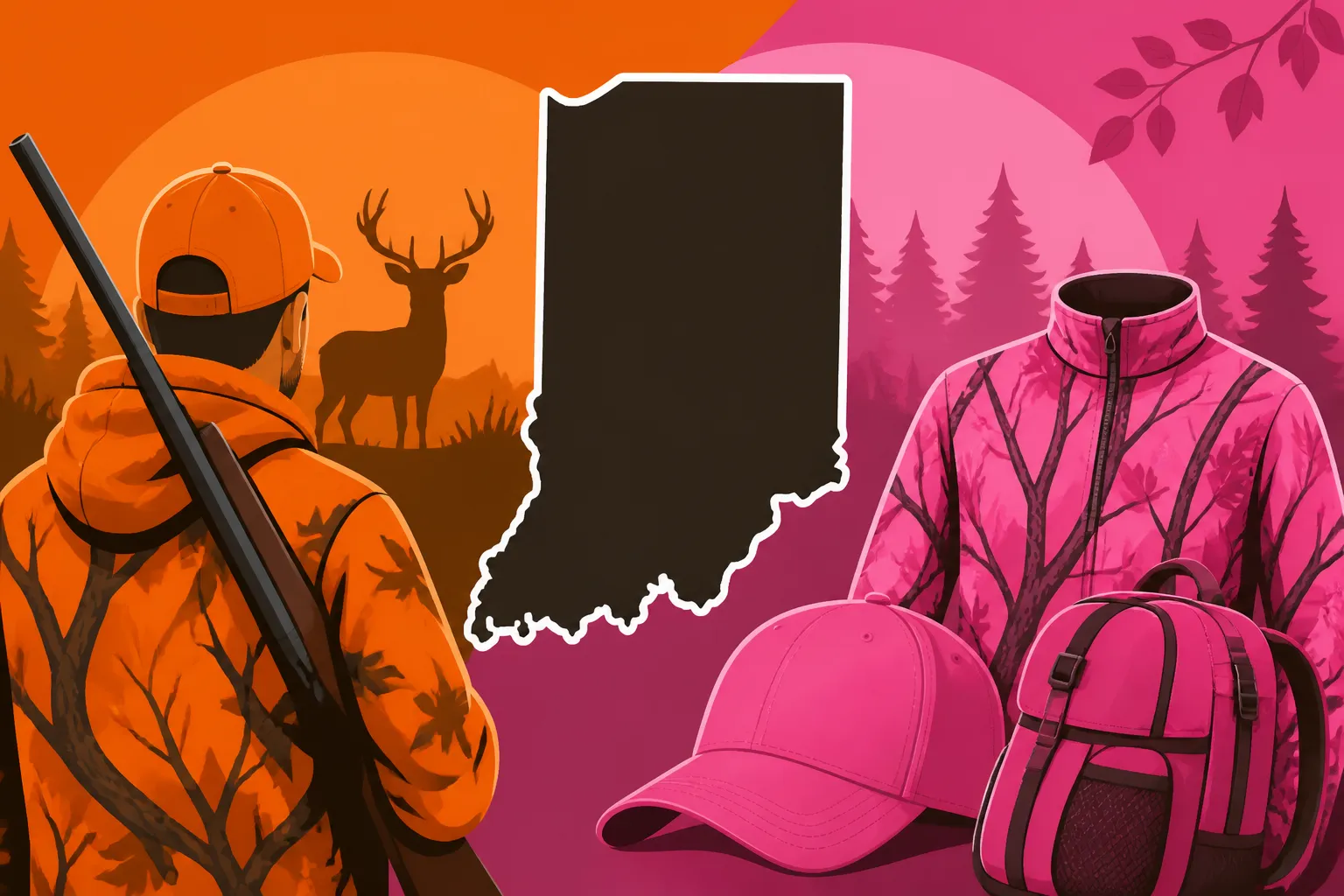
Indiana officially recognized blaze pink as a legal hunting color, bringing it in line with blaze orange requirements. This means hunters now have an alternative that fulfills the same safety objectives while offering a different aesthetic. The legislation specifically states that any garments or hats that meet the blaze orange requirements can also be worn in blaze pink. This was a significant step, as it validated blaze pink not just as a fashion statement, but as an equally effective safety measure. For hunters who might prefer pink or simply want more options, this was a fantastic development. It broadens the appeal of hunting by making gear more accessible and enjoyable for everyone. For specifics on how much is required, checking resources like How Much Blaze Orange Indiana Requires will give you the precise square inchage needed, which applies equally to pink.
Blaze Pink's Visibility and Acceptance
Studies have shown that blaze pink is just as visible to the human eye as blaze orange, if not more so, in certain lighting conditions. Like blaze orange, it appears as a dull color to deer, meaning it doesn't give away your position to game animals any more than its orange counterpart. The acceptance of blaze pink has been largely positive within the hunting community. While some traditionalists might stick to orange, many hunters, particularly women and youth, have embraced pink enthusiastically. It signifies a more modern, inclusive approach to hunting, and anything that makes more people feel welcome and safe in the outdoors is a win in my book. When planning a hunt on public land, especially during overlapping seasons, utilizing tools like GoHunt's mapping features can help identify areas with higher hunter densities and plan safer routes and ensure visibility.
Choosing Your Blaze Gear: From Head to Toe
Once you understand that you need blaze colors, the next question is what kind of gear. It’s not just about throwing on any old orange vest; thoughtful selection of your blaze apparel can make a big difference in comfort, durability, and effectiveness in the field.
Vests, Jackets, and Hats
The most common pieces of blaze gear are vests, jackets, and hats. A good vest is often the go-to for many hunters, especially during early firearms seasons when temperatures might still be mild. Look for vests that are durable, quiet, and designed to fit comfortably over your other layers. Many come with pockets for essentials like licenses, calls, or extra ammo. If the weather turns cold, a full blaze orange or pink jacket or coat is ideal, ensuring maximum coverage and warmth while still meeting the visibility requirements. Layering is key in Indiana’s often unpredictable weather, so finding a blaze jacket that accommodates layers underneath is important for a comfortable Clothing for an Indiana Late Season hunt.
Don’t forget the hat! A blaze orange or pink hat is mandatory during most firearms seasons and is a crucial part of the 500 square inch requirement. A baseball cap style is popular, but beanies or stocking caps work well in colder weather. The key is that it must be solid blaze color and worn exposed. Some hunters might wear a full blaze outer layer, but still cover their head with a camo hood or hat – this doesn’t meet the spirit or letter of the law. Your head is often the most visible part of your body when sitting or peering through brush, so make sure it's covered in blaze.
Other Blaze Items and Accessories
While vests, jackets, and hats cover the legal minimum, there are other items you might consider for enhanced safety or convenience. Some hunters use blaze orange coverings for their backpacks, especially on longer treks into public lands like Hoosier National Forest. This adds extra visibility from behind and ensures that even if you take off your main outer layer during a strenuous walk, you still have some orange showing. Game bags or flagging tape in blaze orange can also be useful for marking a kill site or your trail when blood trailing, ensuring other hunters know you’re in the area and minimizing confusion.
For those who rely on ground blinds, remember that while you might be hidden, the walk to and from your blind still requires you to meet the blaze requirements if it’s a mandatory season. You can easily slip into your blind and remove your outer blaze layer, but putting it back on for the walk out after dark is a smart move. Even your dog needs to be visible! If you're hunting small game with a canine companion, consider a blaze orange vest for them, too. Safety extends to every member of your hunting party.
Practical Considerations for Wearing Blaze Colors in the Field
Wearing blaze orange or pink isn’t just about meeting a legal requirement; it’s about integrating safety into your overall hunting strategy. There are practical aspects to consider beyond simply putting the clothing on.
Layering and Comfort
Indiana weather can be notoriously fickle, with crisp mornings giving way to warm afternoons, or mild days turning bitter with a sudden cold front. This means layering is essential. Your blaze orange or pink outer layer needs to fit comfortably over your base and mid-layers without restricting your movement or making you overheat. Opt for materials that are quiet (no crinkly fabrics!), breathable, and durable enough to withstand brush and briars. Synthetic materials often wick moisture well, keeping you dry, while wool offers excellent warmth even when wet. For a late-season sit during Hunting the Late-Season January Lull, a well-insulated blaze jacket might be your best friend.
Also, consider how your blaze gear will interact with your pack or other equipment. Ensure straps don't cover too much of your visible blaze area. Some hunting packs have built-in blaze panels or covers, which can be a great way to add visibility without sacrificing pack functionality. The key is to be both safe and comfortable, allowing you to focus on the hunt, not on ill-fitting or impractical clothing.
Public Land vs. Private Land Nuances
While the general blaze orange and pink rules apply statewide, the practical implications can differ slightly between public and private land. On public ground, like one of the numerous Indiana Fish and Wildlife Areas or the expansive Hoosier National Forest Hunting areas, you're much more likely to encounter other hunters. This makes adherence to blaze regulations even more critical. During peak firearms seasons, public lands can get busy, and visibility is your best defense. Using apps like GoHunt to understand land boundaries and potential hunter pressure points is incredibly helpful here.
On private land, especially if you have an exclusive lease or permission, you might be the only one hunting. However, this doesn't exempt you from the blaze requirements during mandatory seasons. More importantly, it's about setting a good example and maintaining safe hunting practices regardless of how many other hunters are around. You never know if a landowner's family member might be walking the property, or if a neighboring hunter might mistakenly cross a boundary. Always operate as if other hunters are present, even if you don't expect them.
Here's a quick comparison of blaze color requirements in Indiana:
| Season Type | Blaze Orange Required? | Blaze Pink Allowed? | Minimum Coverage (Above Waist) | Hat Required? | Key Consideration |
|---|---|---|---|---|---|
| Deer Firearms/Muzzleloader | Yes | Yes | 500 sq. inches | Yes | Highest hunter density, highest risk for misidentification. |
| Rabbit, Pheasant, Quail, Grouse | Yes | Yes | 500 sq. inches | Yes | Often overlaps with deer seasons; small game can be fast-paced. |
| Archery Deer | No | No | N/A | No | Many still wear blaze for movement to/from stand for safety. |
| Spring Turkey | No | No | N/A | No | Camouflage is critical for concealment. |
| Waterfowl, Predator Night Hunting | No | No | N/A | No | Specific hunting methods dictate attire. |
| Scouting/Shed Hunting (during firearms seasons) | Not Legally Required | Not Legally Required | N/A | N/A | Highly Recommended for personal safety. |
Beyond the Color: Maximizing Visibility and Safety
While wearing the correct blaze orange or pink is a cornerstone of safe hunting in Indiana, it's just one piece of the puzzle. True safety in the field involves a combination of preparation, awareness, and responsible practices.
Hunter Education and Awareness
Every hunter, regardless of experience level, benefits from a strong foundation in hunter education. Indiana requires Indiana Hunter Education Requirements for most new hunters, and for good reason. These courses cover not just blaze orange rules, but firearm safety, shot placement, ethics, and field dressing techniques. A well-educated hunter is a safe hunter. Beyond the formal courses, maintaining awareness in the field is paramount. This means knowing your target and what is beyond it before you ever squeeze the trigger. It means being acutely aware of your surroundings, listening for approaching footsteps, and constantly scanning for other hunters. A good pair of binoculars, like those discussed in Binocular Choice for Indiana Whitetails, can help you identify movement at a distance before it becomes a hazard.
Furthermore, always communicate with your hunting partners. Let them know your planned routes, where you’ll be set up, and when you expect to move. On public land, while you can't always communicate directly with every hunter, visible blaze colors are your universal language of "I'm human, not game."
Other Safety Practices
Beyond blaze colors, there are several other safety practices that should be second nature to every Indiana hunter. Using a safety harness when hunting from a treestand is non-negotiable, regardless of your experience. Falls from treestands are a leading cause of serious injury among hunters. Be sure to check out guides like Treestand Setups in Hoosier National Forest for safe setup practices. Familiarize yourself with your hunting area beforehand, using maps and scouting trips like those detailed in Scouting Indiana Public Land Before Season. Knowing the terrain, trails, and potential obstacles can prevent accidents and getting lost.
Always transport firearms safely, unloaded, and cased. Handle all firearms as if they are loaded. Keep the muzzle pointed in a safe direction. Keep your finger off the trigger until ready to shoot. Be sure of your target and what is beyond it. These fundamental rules of firearm safety are paramount, regardless of what color you're wearing. When hunting near roads or populated areas, be aware of Indiana Firearms Discharge Setback Rules to ensure you're a safe distance from homes or structures. Staying hydrated and nourished, carrying a first-aid kit, and having a reliable way to communicate (like a fully charged phone or two-way radio) are also critical, especially if you venture into more remote areas. For those looking to upgrade their gear or just browse, many online retailers and local shops carry a wide array of blaze orange and pink options. You can often find reviews and compare products, sometimes even through resources you might discover on a platform like GoHunt. Keeping track of what's allowed and what's not, especially with nuanced rules like those for blaze pink, is easier with current information. A good resource, whether it's the official DNR site or a hunting community platform like GoHunt, can make all the difference.
Disclaimer
This article is for general informational purposes only and does not constitute professional advice. Laws, prices and regulations vary by location and change over time. Consult a qualified professional for guidance on your specific situation.