Ground Blinds on Indiana Field Edges
Hunting field edges in Indiana can be incredibly frustrating. You spend hours scouting, find that perfect pinch point or food source, only to have every deer within a quarter-mile spot you climbing into your stand at dusk or dawn. It feels like no matter how careful you are, those keen eyes always catch a flicker of movement. This guide is all about mastering the art of the ground blind on Indiana field edges, giving you the stealth and comfort you need to stay hidden and turn those frustrating encounters into successful hunts.
Why Ground Blinds Shine on Field Edges
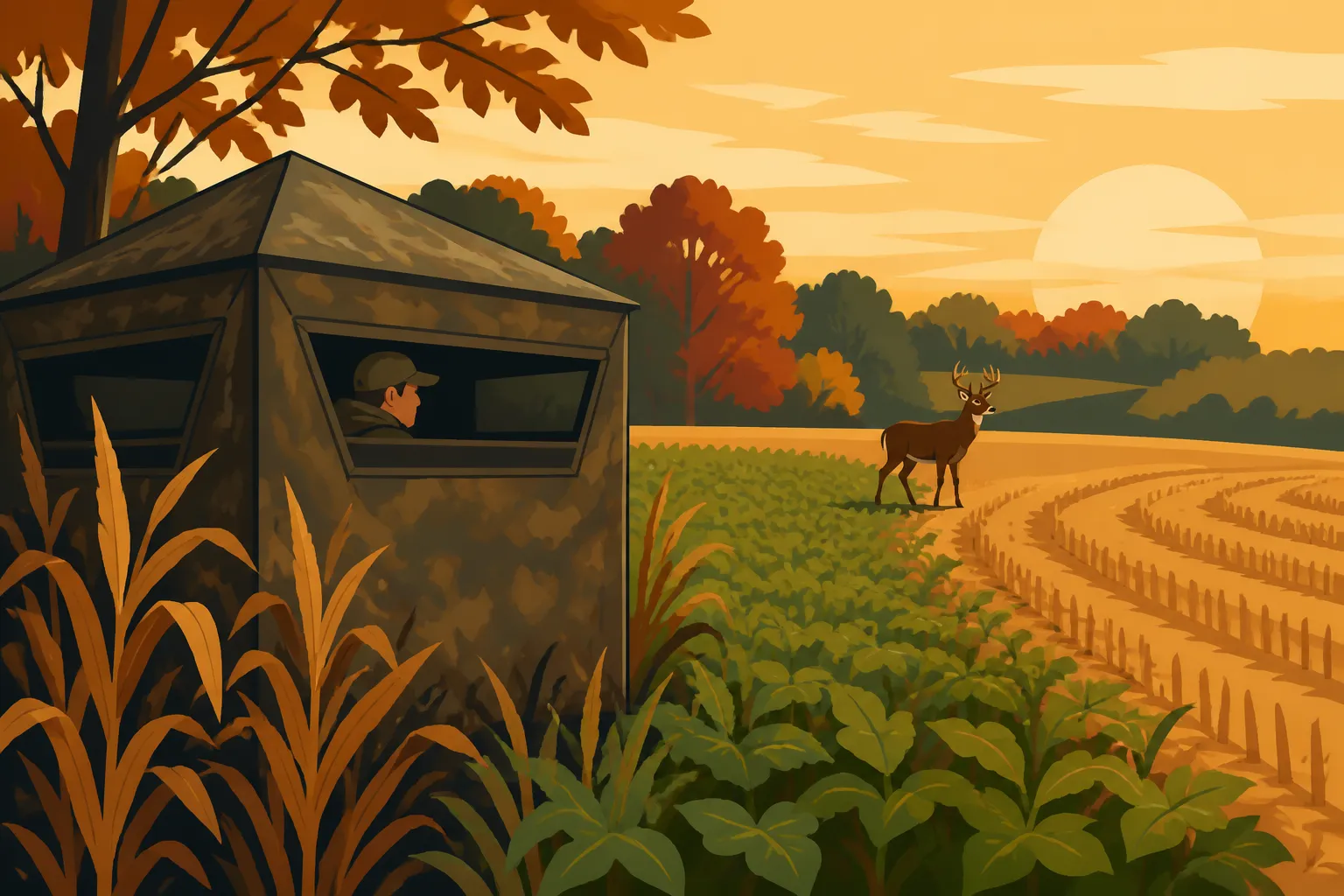
Field edges, whether they're bordering a massive standing cornfield in northern Indiana or a soybean plot tucked against a woodlot in the southern hills, are magnets for deer. They offer food, cover transitions, and natural travel corridors. But the very openness that makes them attractive to deer also makes hunters highly visible. This is where ground blinds truly come into their own, offering a unique blend of concealment and stability that traditional treestands often struggle to provide in these specific settings.
The Challenge of Open Country Hunting
Think about it: setting up a treestand on a lone oak on a field edge often means you're silhouetted against the skyline, especially during those crucial first and last hours of legal shooting light. Deer are masters of their environment, and they're constantly scanning for anything out of place. A human form, even high up in a tree, is a glaring red flag. And what if the perfect tree isn't there? What if the only good spot is an open fencerow or a small clump of brush that won't support a stand? That's the common dilemma Hoosier hunters face when looking at those fertile field edges.
Ground blinds tackle this head-on. They provide a solid, dark silhouette that can blend remarkably well with natural cover, breaking up your outline completely. The enclosed space keeps your movements hidden, allowing you to stretch, adjust, or even grab a snack without sending every deer into the next county. This ability to disappear into the landscape, combined with the stability they offer, makes them an invaluable tool for consistent success on those tricky field edges. They provide a mobile, adaptable solution to the inherent visibility challenges of open or semi-open terrain.
Advantages Over Treestands for Field Edges
While treestands are fantastic for specific timber scenarios, ground blinds offer several distinct advantages when you're hunting right on the edge of a field. First and foremost, ground blinds offer unparalleled concealment of movement. Inside a blind, you can shift, stretch, and even make minor adjustments to your gear without fear of being picked off by an observant doe. This means less fatigue, especially on those long, chilly late-season sits, and a much lower chance of being busted due to fidgeting. You can stay in the stand longer, increasing your odds.
Secondly, ground blinds are far more versatile in terms of placement. You aren't restricted to finding a "perfect" tree. You can tuck a blind into the thickest fencerow, at the corner of a standing cornfield, or even right out in a CRP field with proper brushing in. This flexibility allows you to precisely target specific deer travel routes, funnel points, or preferred feeding areas that might lack adequate trees for a stand. Furthermore, many hunters find them more comfortable for all-day sits, especially in adverse weather, providing shelter from wind, rain, and even light snow, which is a common occurrence during Indiana's deer seasons. Sitting a Field Edge in Late Season becomes a much more tolerable experience from the comfort of a blind.
Choosing the Right Blind for Indiana Field Edges
Just like you wouldn't use a waterfowl gun for turkey hunting, choosing the right ground blind for Indiana field edges isn't a one-size-fits-all decision. The market is flooded with options, and what works perfectly for a wide-open prairie might be overkill or inadequate for a subtle river bottom edge or a small woodlot bordering a cornfield. It's about matching the blind's features to the specific environment and your hunting style here in Indiana.
Pop-Up vs. Hub Style Blinds
When it comes to the basic construction, you'll primarily encounter two types of ground blinds: pop-up and hub style. Each has its merits and drawbacks for field edge hunting.
Pop-up blinds, often characterized by their umbrella-like frame, are generally the lightest and most compact option. They excel in situations where you need to be highly mobile, perhaps moving your setup frequently to adapt to changing deer patterns or pressure. If you're hunting public land where you can't leave a blind out for extended periods, or if you're Run-and-Gun Turkey Tactics on Public Land and decide to try for deer, a pop-up can be quickly deployed and taken down. However, their lighter construction sometimes means they're not as robust in high winds, and their fabric can be a bit noisier in certain conditions. For a quick evening sit, though, they're hard to beat.
Hub-style blinds, on the other hand, feature rigid poles that radiate out from central hubs at each corner. These are typically sturdier, more spacious, and better equipped to handle inclement Indiana weather, from gusty winds to heavy downpours. The rigid frame means they hold their shape better, even under a layer of snow, and offer more interior room for hunters and gear. While they are heavier and take a few more minutes to set up, their stability and durability often make them the preferred choice for longer sits or for leaving a blind out for several days on private land. If you're planning to hunt the same field edge repeatedly, or if you want room for a heater or an extra person, a hub blind offers superior comfort and reliability. They’re a more permanent feeling option, even if they're still portable.
Key Features to Look For
Beyond the basic style, several features can make or break a ground blind's effectiveness for Indiana field edges.
Durability and Weather Resistance: Indiana weather can be notoriously unpredictable. A blind that can withstand strong winds, driving rain, and even a light snow is crucial. Look for heavy-duty fabric, reinforced stitching, and a robust frame. Many blinds will list their denier rating; higher numbers generally indicate tougher fabric. Water-resistant coatings and taped seams are also big pluses. There's nothing worse than having your hunt ruined by a leaky blind or one that collapses in a sudden gust.
Window Configuration: This is huge for field edges. You need maximum visibility and shooting lanes without compromising concealment. Some blinds offer 360-degree windows, others have strategic shoot-through mesh, and some have silent sliding or magnetic closures. Consider your likely shooting angles – will you be facing into the field, or might a deer come down the fencerow from behind you? Windows that open silently are critical, as is the ability to adjust them quickly and quietly as a deer approaches. Don't underestimate the importance of silent window operation.
Camouflage Pattern and Blackout Interior: The exterior camo pattern should ideally match the local vegetation. Indiana has a mix of hardwoods, agricultural fields, and brushy edges, so a versatile pattern with good contrast is often best. However, even more important is a truly blacked-out interior. This creates a "cave effect" where you're completely hidden inside, even if a deer looks directly at the blind. Without a dark interior, you'll be silhouetted against the open windows. Some blinds even feature carbon-infused materials or specialized coatings to further reduce glare and odor, adding another layer of stealth.
Footprint and Portability: While field edges often have good cover, you still need to consider how large the blind is. Will it fit naturally into the brush you plan to use? If you're carrying it a long distance, especially on public land, weight and packed size are important. Even on private land, you might have to drag it some distance. A good carrying bag with comfortable straps can make a world of difference for portability. Consider also how much gear you plan to take inside; a solo hunter might get by with a smaller footprint, but two hunters or one with a lot of equipment will need more space.
Here’s a quick comparison of common ground blind types for Indiana field edges:
| Feature | Pop-Up Blind | Hub-Style Blind |
|---|---|---|
| Setup Speed | Very fast, often under 1 minute | Fast, typically 2-5 minutes |
| Portability | Excellent, lighter and more compact | Good, heavier but still backpackable |
| Stability | Fair, can struggle in high winds | Excellent, very stable and wind-resistant |
| Durability | Good for light use | Excellent, built for rugged, long-term use |
| Interior Space | Generally smaller, adequate for 1 hunter | Spacious, often fits 2+ hunters comfortably |
| Weather Proof | Good for light rain | Excellent, handles rain, wind, and snow better |
| Best Use | Mobile, short hunts, quick repositioning | Long sits, all-day hunts, adverse weather |
| Typical Cost | Often more affordable | Generally higher investment |
Strategic Placement and Setup
Once you've got your ideal blind, where you put it and how you set it up are just as crucial as the blind itself. A perfectly camouflaged blind in the wrong spot is just an expensive deer feeder. On an Indiana field edge, every detail matters, from wind direction to the deer's approach. This isn't about just plopping it down; it's about anticipating deer movement and making your blind an invisible extension of the natural environment.
Scouting the Perfect Spot
Before you ever unpack your blind, you need to become a master scout. Start by using satellite imagery. Tools like GoHunt can be incredibly useful here, allowing you to identify pinch points, fencerows, small woodlots, and subtle topographical changes along a field edge. Look for where deer enter and exit fields, often indicated by worn trails, especially where two types of cover meet or where a natural funnel exists. Hunting a Funnel Between Two Woodlots or a creek crossing can be absolute gold for a ground blind.
Beyond aerial views, boot-on-the-ground scouting is essential. Walk the edges of the fields you intend to hunt. Look for fresh tracks, droppings, and browse lines. Pay attention to how the wind typically blows in that area and identify any natural screening elements like brush piles, thickets, or standing crops that can help hide your blind. A perfect spot is where deer naturally travel, where the wind is in your favor for their likely approach, and where you have natural cover to help break up your blind's outline. Don't be afraid to Scouting Indiana Public Land Before Season with your mapping tools and then verify in person.
Blending into the Environment
This is arguably the most critical step after choosing your spot. A brand-new blind, no matter how good its camo pattern, will stick out like a sore thumb if not properly brushed in. The goal is to make your blind look like a natural part of the landscape, not an alien invasion. Start by using whatever natural materials are available around your chosen spot – branches, tall grass, cornstalks, even small cedars if you're in an area with them. Tuck the blind deep into existing cover if possible, rather than out in the open.
One common mistake is piling brush on top of the blind. Instead, focus on building up brush around the perimeter and especially along the bottom edges. This helps hide the hard lines of the blind's base, which are often the first thing a deer notices. Use bungee cords or zip ties to secure branches to the blind's loops or poles, creating a three-dimensional effect. Pay special attention to the corners, as these are often the most obvious. You want to soften the outline and create shadows that make the blind less recognizable. Remember, deer are used to seeing brush, not perfectly rectangular boxes. The more effort you put into brushing it in, the more confident you'll feel, and the more likely deer will pass by without a second glance. Brushing In a Blind on a Field Edge is a skill worth honing.
Concealment and Comfort
You've chosen your blind and carefully placed it. Now, it's about making sure you remain concealed within it and that you're comfortable enough to stay still and alert for hours. Many hunters overlook the nuances of internal concealment and comfort, but these factors directly impact your success, especially when a deer hangs up at 80 yards, staring intently at your setup.
Optimizing Internal Concealment
It's not enough for the blind to be camouflaged on the outside; what happens inside is just as important. The black interior of a good blind is your first line of defense, but you need to avoid anything that creates a silhouette or reflects light. Always wear dark clothing inside the blind – black, dark brown, or deep green works best. Even a bright orange blaze orange vest, while legally required when walking to and from the blind, should be removed once inside and tucked away or covered.
Position yourself strategically. Don't sit directly in front of an open window. Instead, sit slightly back, allowing the darkness of the blind to completely engulf you. If you have multiple shooting windows open, try to position yourself so that any light coming in from one side doesn't backlight you for a deer looking in through another window. Keep your movements slow and deliberate. Even a slight turn of the head can be detected by sharp deer eyes if you're too close to the window. Some hunters even hang a piece of dark fabric behind them in the blind to further deepen the interior darkness and prevent any light from penetrating through the blind fabric.
Managing Scent and Noise
Deer have an incredible sense of smell, and their hearing is equally impressive. A ground blind, while providing visual concealment, can become a scent trap if not managed properly. Always approach and exit your blind with the wind in your favor. Use scent control sprays on your blind fabric and on your clothing. Consider an ozone generator inside the blind if you're on a long sit, but always use these devices safely and according to manufacturer instructions. The goal is to minimize your human odor as much as possible, as even a faint whiff can spook a wary buck.
Noise is the other silent killer. Ground blinds, especially in cold weather, can sometimes get squeaky or make rustling sounds as you move. Clear out any loose debris from the floor of the blind beforehand. Avoid gear with noisy zippers or buckles if possible. If you need to make a move, do it slowly and during periods when deer are less likely to hear, such as during a gust of wind, a passing car, or when other wildlife is making noise. Practice drawing your bow or raising your rifle inside the blind before hunting season to identify any potential noise issues and correct them. A quiet chair is also critical; a cheap plastic folding chair that squeaks with every shift will ruin your hunt.
Essential Comfort Items for Long Sits
Being comfortable translates directly to being patient and still. A shivering hunter or one with a sore back is a fidgety hunter, and fidgety hunters get busted.
Seating: This is paramount. Invest in a comfortable, quiet hunting chair designed for ground blinds. Look for one with a high back for support, and ensure it swivels silently if you need to cover multiple shooting lanes. Many modern blind chairs are specifically designed for low profiles and silent operation, often with padded seats and armrests.
Warmth: Indiana can get cold, especially during the later deer seasons. A small, portable propane heater designed for enclosed spaces can be a game-changer for those frigid November and December mornings. Always ensure proper ventilation if using a heater, and only use models rated for indoor use. Layers of Clothing for an Indiana Late Season are also essential. Thermal base layers, a good insulated jacket, and warm boots like Insulated Boots for All-Day Sits are non-negotiable. Don't forget hand warmers and foot warmers, either, as extremities are often the first to get cold.
Hydration and Snacks: Long sits require sustenance. Bring a thermos of hot coffee, tea, or cocoa on cold days, and plenty of water on warmer ones. Easy-to-eat, quiet snacks like granola bars, nuts, or sandwiches are ideal. Avoid crunchy or crinkly packaging. A small, soft-sided cooler can keep items from freezing in extreme cold or staying cool on mild days. Remember, once that deer is coming in, you don't want to be distracted by hunger or thirst.
Tactics for Success from a Blind on Field Edges
Once your blind is perfectly placed and you're comfortably concealed, it’s time to shift focus to the actual hunting strategy. Hunting from a ground blind on a field edge often requires a slightly different approach than treestand hunting, particularly when it comes to shot angles, calling, and managing the unexpected.
Optimal Shot Angles and Lanes
Unlike a treestand, where your shot angle is often steeply downward, a ground blind offers a horizontal or slightly downward shot. This means a more forgiving entry and exit wound on a deer if your shot is true, but it also means you need to be acutely aware of your backdrop and any potential obstructions. Before hunting, clear any small branches or tall weeds from your shooting lanes that might deflect an arrow or bullet. Take note of any rise or fall in the terrain; a deer standing in a dip might require a slightly downward adjustment, even from a ground blind.
Practice shooting from a seated position, exactly as you would be in your blind. Pay attention to how the window openings affect your anchor points for a bow or your cheek weld for a rifle. Ensure your rangefinder is within easy reach and use it to pre-range landmarks in the field. Knowing the exact distance to that stump at 40 yards or the fence post at 60 can eliminate guesswork when a deer steps out. For bowhunters, consider the clearance for your top cam, especially if you have a larger bow and are aiming out of a smaller window.
Calling and Decoys from a Blind
A ground blind provides an excellent platform for calling and using decoys on field edges. The blind itself is a solid, stationary object, allowing you to run calls with less movement detection. Grunt calls, bleats, and rattling antlers are all effective tools in Indiana, especially during the rut. Your blind allows you to be aggressive with your calling without fear of being seen moving around. Rattling and Grunting in Indiana can be very effective from a well-hidden blind.
Decoys can also be incredibly effective, especially in open field settings. A realistic deer decoy, set out 20-30 yards from your blind, can draw deer in and hold their attention, taking the focus off your blind. This is particularly useful for wary bucks during the pre-rut and rut, when they're actively seeking out other deer. Place the decoy facing away from your blind, ideally into the wind, to mimic a real deer and direct the approaching deer's attention away from your actual position. Just be mindful of local regulations on decoys and ensure they are clearly visible to other hunters for safety.
Dealing with Weather and Pressure
Indiana weather during hunting season can throw everything at you, from warm Indian summer days to bitter cold and snow. Your ground blind, especially a robust hub-style, provides crucial shelter. On cold, windy days, the blind will reduce wind chill significantly, allowing you to stay warm and still. On rainy days, it keeps you dry. This allows you to hunt through conditions that would send many treestand hunters home, increasing your chances of catching deer off-guard. Cold-Weather Sitting Strategy in Indiana is much easier from a blind.
Field edges, especially those bordering public land or easily accessible areas, can see a fair bit of hunting pressure. Deer learn quickly. A ground blind, when properly brushed in, can be a great way to hunt pressured deer that are wary of elevated stands. Deer often learn to look up for danger. A well-hidden blind on the ground can bypass some of that learned caution. Consider hunting a blind in areas that see less foot traffic, or those tricky spots where other hunters don't bother due to lack of suitable trees. Use an app like GoHunt to analyze pressure patterns and identify potential low-pressure sanctuaries along those field edges. Finding Ground Others Walk Past is a key to success, and a blind helps you exploit those areas.
Considerations for Public Land Field Edges
Hunting public land in Indiana is a fantastic opportunity, but it comes with its own set of rules and challenges, especially when deploying a ground blind on a field edge. The added scrutiny from other hunters and specific regulations mean you need to be even more diligent in your setup and etiquette.
Regulations and Permitting
Always, always check the specific rules for the public land you're hunting. Indiana Fish and Wildlife Areas (FWAs) and State Forests often have regulations regarding leaving blinds overnight, how long they can remain set up, and whether they need to be clearly marked with your name and address. Some areas may require a property access permit or a check-in/check-out system. Failing to adhere to these rules can result in fines or confiscation of your blind. Don't assume; verify on the Indiana DNR website or directly with the property manager. Indiana Public Land Hunting Hours can also dictate when you can be in your blind.
On federal lands like the Hoosier National Forest, regulations might differ regarding vegetation removal for brushing in and the placement of "permanent" structures. Generally, temporary blinds that are removed daily are less problematic than those left for extended periods. It's your responsibility to know the rules for your specific hunting area.
Mitigating Theft and Vandalism
Leaving a ground blind unattended on public land, even if allowed, always carries a risk of theft or vandalism. While most hunters are respectful, it does happen. If you plan to leave a blind out for more than a day, consider taking precautions. Choose a blind in a less obvious location, deeper in the cover if possible. Make sure it's firmly secured and, if allowed, consider camouflaging it even more heavily to make it harder to spot.
Some hunters will use heavy-duty chains and padlocks to secure their blind to a sturdy tree, though this won't deter a determined thief with bolt cutters. Marking your blind with your name, address, and DNR customer ID number is often required and can sometimes act as a deterrent, as it makes it harder for someone else to claim ownership if it's found. Ultimately, the best defense is often to simply take your blind with you when you leave, especially if it's a valuable one. This is where a lightweight, easily portable pop-up blind shines on public ground.
Respect for Other Hunters
Public land is shared land, and courtesy goes a long way. If you set up a blind, make sure it's not directly in someone else's established hunting spot or blocking a main travel corridor they might use. Maintain a reasonable distance from other hunters if you know they are in the area. Early season Opening Weekend Crowds on Indiana Public Land can be intense, so scouting to find less pressured spots is key.
Also, be mindful of blaze orange requirements. While inside a fully enclosed blind, you may not need to display orange, but when entering or exiting, you absolutely do. Always carry and wear your required How Much Blaze Orange Indiana Requires when walking to and from your blind. This is not just for legal compliance but for the safety of yourself and others. A ground blind provides incredible concealment, but that also means you are harder for other hunters to spot when moving around the landscape. Being a good steward of public land ensures everyone can enjoy their hunting experience.
Disclaimer
This article is for general informational purposes only and does not constitute professional advice. Laws, prices and regulations vary by location and change over time. Consult a qualified professional for guidance on your specific situation.