Insulated Boots for All-Day Sits
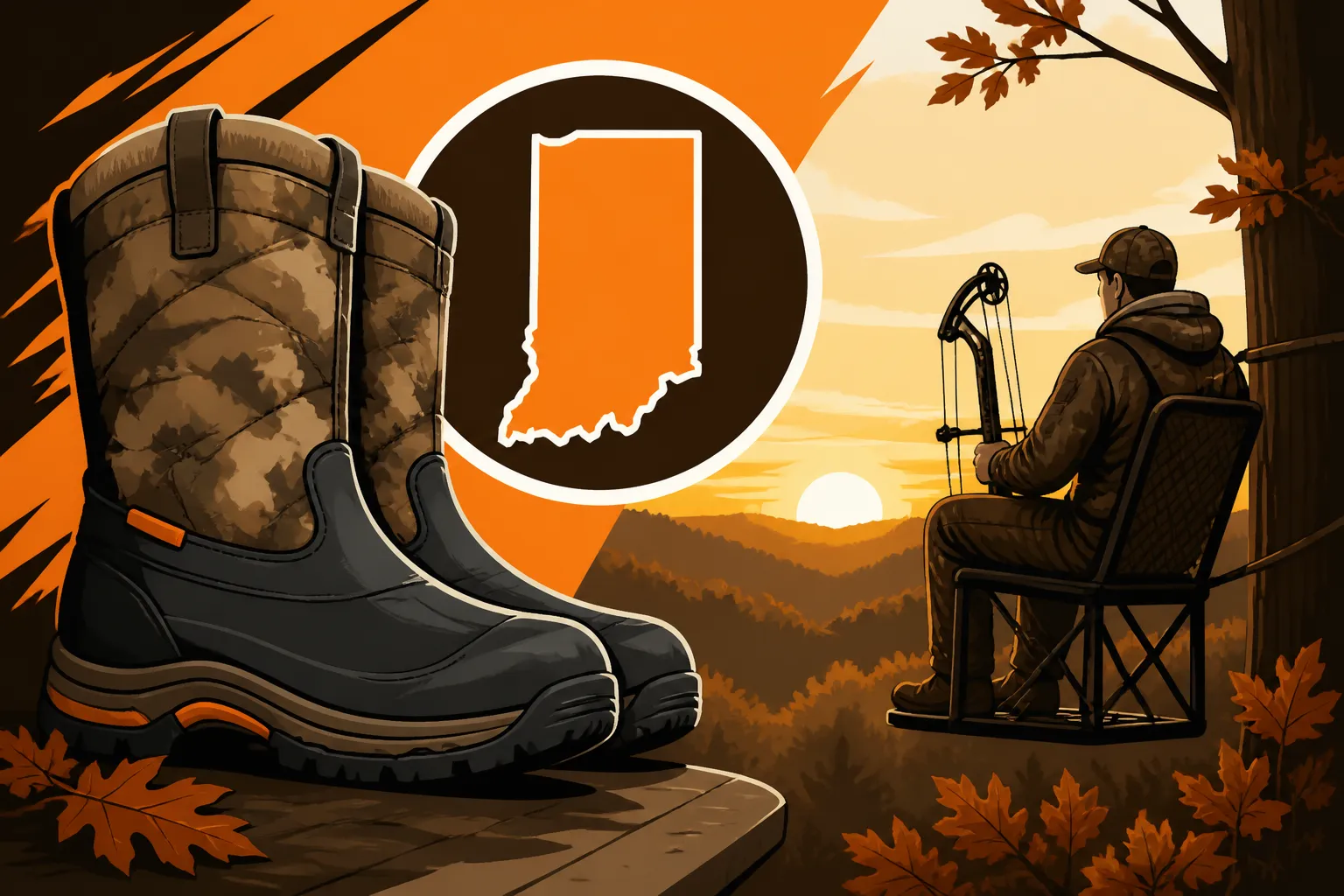
There's nothing quite like the piercing chill that creeps into your feet when you've been sitting motionless in a frosty Indiana treestand for hours, waiting for that perfect whitetail. It can turn an otherwise promising hunt into an unbearable endurance test, forcing you to pack up early and miss crucial opportunities. This guide is all about preventing that agonizing cold, helping you choose and care for the right insulated boots to keep your feet toasty warm, allowing you to stay out longer and focus on the hunt, not your freezing toes.
Why Warm Feet Are a Non-Negotiable for Indiana Hunters
Let's be real, Indiana weather can be wildly unpredictable and often downright brutal, especially during the extended archery and firearms seasons that stretch deep into late fall and early winter. You might start your morning with a crisp 35-degree dawn, only to have the mercury plummet as a cold front rolls through, or find yourself slogging through a sudden, wet snowstorm. When you're spending hours in a deer stand or slowly still-hunting through timber, your body isn't generating much heat, and your feet are often the first to suffer.
The Impact of Cold Feet on Your Hunt
Beyond the obvious discomfort, cold feet can seriously undermine your hunting success. When your feet get cold, your body instinctively constricts blood flow to your extremities to conserve core warmth. This isn't just unpleasant; it causes a domino effect. First, you get fidgety, shifting around, stomping your feet, doing anything to get some circulation going. That movement? It's a surefire way to spook deer. A mature buck isn't going to stick around if he sees you doing the cold-foot shuffle in your stand.
Secondly, the distraction of pain can pull your focus away from the woods. Instead of scanning for movement, listening for crunching leaves, or glassing that distant ridge line, you're constantly thinking about your aching toes. This loss of concentration means you could miss subtle cues, a flick of an ear, a barely audible twig snap, or even the deer itself as it slips silently into range. It's a mental game as much as a physical one, and cold feet are a major handicap. Remember that epic sit last December when you were Hunting the Late-Season January Lull? Your feet were probably screaming by noon.
Understanding Indiana's Unique Conditions
From the rolling hills of the Hoosier National Forest down south to the flat, open farmlands of northern Indiana, the terrain and typical weather patterns demand specific boot considerations. Southern Indiana's dense timber and elevation changes mean you might be doing more walking, but then sitting for extended periods in shaded valleys where the cold lingers. Up north, while the ground might be flatter, you're often exposed to biting winds sweeping across agricultural fields, making the effective temperature feel much colder. You might be Hunting Northern Indiana Farmland Deer on a field edge, and those winds can cut right through inadequate footwear. Wet conditions are also incredibly common, whether it's morning dew, melting frost, or persistent rain turning the woods into a muddy mess. Waterproofing isn't just a luxury; it's a necessity.
Key Features to Look for in Insulated Boots
Choosing the right insulated boots isn't about grabbing the first pair with a high "gram" rating. It's a careful balance of insulation, waterproofing, fit, and traction that suits your specific Indiana hunting style.
Insulation: Finding the Right Warmth Rating
The insulation level, typically measured in grams (e.g., 400g, 800g, 1200g, 2000g), indicates how much insulating material is packed into the boot. More grams generally mean more warmth, but also more bulk and weight.
- 200-400g: This range is often sufficient for early season hunts (October, early November) when temperatures might dip into the 30s but aren't consistently below freezing. If you're doing a lot of walking or Still-Hunting Southern Indiana Ridges, this level offers good mobility without overheating.
- 600-1000g: This is a solid all-around choice for much of Indiana's deer season, especially when you're mostly sitting in a stand. It handles temperatures from the high 20s down to the teens comfortably, provided you're wearing good socks. Many hunters find this gram weight to be their workhorse.
- 1200g+: When the mercury truly plummets in late December or January, or if you're particularly prone to cold feet, higher insulation levels like 1200g or even 2000g become essential. These are ideal for those brutal cold fronts and Cold-Weather Sitting Strategy in Indiana where you might be absolutely still for hours. Just be aware they can be heavier and bulkier for long walks.
Here’s a quick guide to common insulation ratings and their typical uses in Indiana:
| Insulation (Grams) | Typical Temp Range (Fahrenheit) | Best Use Case | Considerations |
|---|---|---|---|
| 200-400 | 30-50 | Early Fall, Active Hunting, Mild Late Season | Good for mobility, might be cold for long sits below 30s |
| 600-800 | 15-40 | General Fall & Winter Deer Hunting, Moderate Sits | Versatile, balances warmth and weight |
| 1000-1200 | 0-25 | Cold Weather Sits, Extended Static Periods | Excellent warmth, can be bulky for extensive walking |
| 1600+ | Below 0 to 15 | Extreme Cold, Late Season Deep Freeze, All-Day Sits | Max warmth, heavier and less nimble |
Waterproofing: Keeping Moisture Out
Once your feet get wet, they're going to get cold, fast. Even the best insulation won't work if it's soaked through. Look for boots with reliable waterproof membranes like Gore-Tex or similar proprietary technologies.
- Material Matters: Boots made from rubber, or with robust waterproof leather treatments and sealed seams, are crucial. Rubber boots are a popular choice for their complete waterproof barrier, especially when crossing wet fields or sloshing through muddy creek bottoms. They're excellent for places like Hunting the Wabash River Bottoms.
- Gusseted Tongues and Seams: Pay attention to how the tongue is integrated. A gusseted tongue prevents water from seeping in through the lace area. All seams should be sealed. Many top boot manufacturers, like those you might explore on GoHunt or other gear review sites, specifically highlight their waterproofing tech for this reason.
Fit and Comfort: More Than Just Size
A boot that's too tight restricts circulation, making your feet colder. Too loose, and you'll get blisters. You need enough room for a quality pair of wool socks, maybe even a liner sock, without feeling cramped.
- Try Them On: Always try boots on with the type of socks you'll be wearing while hunting. Walk around, go up and down stairs if you can. Pay attention to heel lift and toe room.
- Arch Support: Long days on your feet, even if mostly sitting, can be taxing. Good arch support prevents fatigue. If a boot lacks it, consider aftermarket insoles. This is particularly important if you're on your feet scouting earlier in the season, or if your hunt involves significant walking to your Treestand Setups in Hoosier National Forest.
- Shaft Height: Taller boots (8-12 inches or more) offer better ankle support and prevent snow or mud from getting in, which is a common issue when pushing through thick cover.
Sole and Traction: Staying Upright
Indiana's varied terrain means you'll encounter everything from slick mud to icy patches to leaf-covered rocks. Good traction is vital for safety and stealth.
- Aggressive Lugs: Look for deep, multi-directional lugs on the sole. These bite into soft terrain, mud, and loose leaves.
- Rubber Composition: Softer rubber compounds tend to provide better grip on wet rocks and ice, though they may wear faster. Harder compounds last longer but can be slicker.
- Shank Stiffness: A stiffer shank provides better support for uneven terrain, reducing foot fatigue, especially when you're climbing up or down those steep Brown County ridges.
Matching Boots to Indiana's Seasons and Hunting Styles
The "perfect" insulated boot for Indiana really depends on when and how you hunt. A single pair might not cover all your bases, but you can certainly find versatile options.
Early Archery Season (Late September – Mid-October)
In the early archery window, temperatures can range wildly from cool mornings to warm afternoons. You might start in the 50s and end up in the 70s. For this, heavy insulation is usually overkill and will cause your feet to sweat, which then leads to cold feet once you cool down.
- Recommended: A lighter insulated boot (200-400g) with excellent breathability and waterproofing. Many hunters prefer uninsulated, waterproof hiking boots for this period, combined with a good wool sock system that wicks away moisture. If you're Bowhunting Indiana's Long Archery Season in September, minimal insulation is key.
- Consideration: Focus more on comfort for walking and stealth. You'll likely be doing more walking to get to your stand without disturbing deer.
Peak Rut and Firearms Season (Late October – Early December)
This is when Indiana weather really starts to get serious. You'll experience cold mornings, potential freezing rain, and maybe even early snow. You're often sitting for longer stretches, especially during the rut.
- Recommended: A medium to heavy insulated boot (600-1200g) with robust waterproofing. Rubber boots with high insulation are extremely popular here for their scent control properties and complete waterproof barrier against mud and slush. These are ideal for those all-day sits in early November during Hunting the Indiana Rut in Early November.
- Consideration: Prioritize warmth and static comfort. You'll be spending more time stationary, so preventing heat loss is paramount. Make sure they fit well over thicker wool socks.
Late Season and Muzzleloader (Mid-December – January)
This is the coldest stretch of the hunting year in Indiana. Expect freezing temperatures, snow, and ice. Mobility might be less of a concern if you're sticking to a single stand, but extreme warmth is essential.
- Recommended: Heavily insulated boots (1200g-2000g). These are specifically designed for prolonged exposure to frigid temperatures. Many come with removable felt liners that can be dried overnight, a huge plus for multi-day hunts. When you're facing those single-digit mornings during Muzzleloader Deer Hunting in Indiana, you'll be glad for the extra grams.
- Consideration: Maximum warmth. Weight and bulk become secondary to preventing frostbite. Good traction for icy conditions is also critical. Layering your feet with a thin liner sock under a thick wool sock can add an extra layer of warmth and moisture-wicking.
Care and Maintenance for Longevity
Insulated boots are an investment, and proper care will ensure they last for many seasons to come, keeping your feet warm and dry year after year.
Cleaning After Each Hunt
Mud, blood, and grime aren't just unsightly; they can break down materials over time and compromise waterproofing.
- Wipe Down/Rinse: After each hunt, especially if you've been in muddy or wet conditions, take a few minutes to wipe down your boots. For rubber boots, a simple rinse with a hose is often enough. For leather or synthetic boots, a damp cloth can remove most surface dirt.
- Avoid Harsh Cleaners: Don't use strong detergents or solvents, as these can strip away waterproofing treatments or damage the boot materials. A mild soap and water solution is usually sufficient for tougher grime. Pay attention to the sole, removing any compacted mud that could affect traction or carry unwanted scent.
Drying Your Boots Properly
This is perhaps the most critical step for maintaining warmth and preventing odor. Never store wet boots.
- Remove Insoles and Liners: Take out any removable insoles or liners (common in heavily insulated boots) immediately after the hunt. This allows air to circulate more freely inside the boot.
- Air Dry, Never Heat Dry: Place your boots in a well-ventilated area, away from direct heat sources like fireplaces, radiators, or direct sunlight. High heat can damage waterproofing membranes, crack leather, or melt synthetic materials. A boot dryer with gentle air circulation is an excellent investment. Stuffing boots with crumpled newspaper can also help absorb moisture and speed up drying. For those chilly Indiana mornings, a dry pair of boots makes all the difference before heading out to Hunting a Funnel Between Two Woodlots.
Storage and Conditioning
How you store your boots during the off-season impacts their lifespan and performance for next year.
- Clean and Dry Before Storage: Ensure your boots are thoroughly clean and bone-dry before putting them away for the long term. Any residual moisture can lead to mildew and degradation of materials.
- Condition Leather: If you have leather boots, use a leather conditioner or treatment periodically. This prevents the leather from drying out, cracking, and losing its water repellency. Follow the manufacturer's recommendations for specific products.
- Proper Storage Location: Store boots in a cool, dry place away from direct sunlight and extreme temperatures. Avoid leaving them in a damp basement or a hot attic, as these environments can shorten their lifespan. You want those boots ready to go when you're Scouting Indiana Public Land Before Season next year!
By dedicating a little time and effort to choosing the right insulated boots and giving them the care they deserve, you'll ensure your feet stay warm, dry, and comfortable, letting you focus on what really matters: enjoying your time in the Indiana woods and making the most of every hunting opportunity.
Disclaimer
This article is for general informational purposes only and does not constitute professional advice. Laws, prices and regulations vary by location and change over time. Consult a qualified professional for guidance on your specific situation.