Hand Warmers That Last a Full Sit
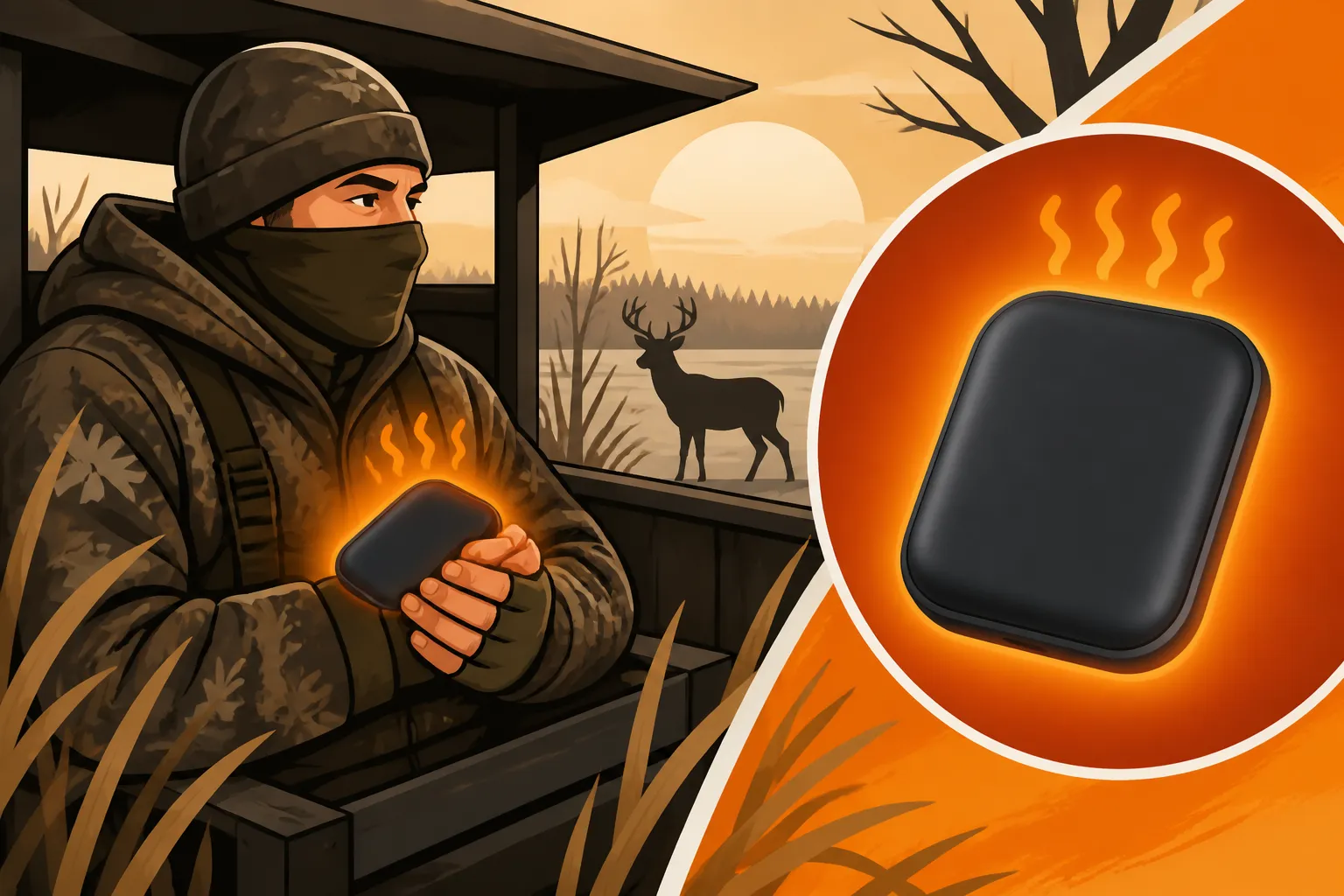
There's nothing quite like the crisp, cold air of an Indiana late-season hunt. The woods are quiet, a dusting of snow might blanket the ground, and the big bucks are moving. It’s an absolutely magical time to be in a deer stand. But let’s be brutally honest: that magic can disappear faster than a phantom buck if your hands are freezing. Numb fingers can turn an enjoyable all-day sit into an unbearable ordeal, making it impossible to stay focused, let alone make an ethical shot when the moment arrives. This guide is all about helping you conquer the cold and find those elusive hand warmers that genuinely last through a full, bone-chilling sit, keeping you comfortable and ready for action.
The Chilling Reality: Why Hand Warmers are Essential for Indiana Hunters
Anyone who has spent a dawn-to-dusk day in a tree stand in December knows the unique agony of frozen extremities. It's not just discomfort; it's a real barrier to success and even safety. We've all been there, shivering, trying to get just a little feeling back into our fingers.
The Impact of Cold Hands on Performance
When your hands get truly cold, it's more than just a minor annoyance. Your body instinctively starts to shunt blood flow away from your extremities to protect your core organs. This means your fingers and toes are the first to suffer. As the blood flow diminishes, dexterity drops significantly. You might find it hard to feel the safety on your rifle, draw your bowstring smoothly, or even retrieve your grunt tube from your pocket.
Imagine this scenario: you've been sitting patiently since before legal light, the temperature hovers in the low 20s, and a stiff breeze cuts through your stand. You spot a mature buck slowly working his way through the timber. Your heart starts pounding, you slowly reach for your rifle, but your fingers feel like clumsy sausages. The trigger finger is stiff, unresponsive. That split second of fumbling, that slight shake from the uncontrolled shiver, can mean the difference between tagging out and watching a trophy buck disappear into the thicket, leaving you with nothing but regret and still-frozen digits. It's a frustrating situation that many Indiana hunters know all too well, and it’s why warm hands are non-negotiable for success.
Understanding Indiana's Late-Season Extremes
Indiana's late season, especially in December and January, can throw a real mixed bag of weather at you. We're not talking about crisp fall days anymore. Think biting north winds howling across open farm fields in northern Indiana, or damp, penetrating cold seeping up from the creek bottoms in the southern hills. Temperatures can plummet into the teens or even single digits, and when you factor in wind chill, it feels even colder. The dampness from melting snow or persistent fog can make the cold feel even more intense, soaking into your gear and making it harder for your body to retain heat.
Hunting during prime periods like Hunting the Late-Season January Lull means embracing these extreme conditions. Your gear needs to be up to the task, and that includes reliable warmth for your hands. Whether you're running a Muzzleloaders for an Indiana December hunt or trying to fill a late-season antlerless tag, your ability to remain still, focused, and ready is directly tied to your comfort level. A good hand warmer isn’t a luxury; it’s a vital piece of equipment when dealing with Indiana’s winter weather.
Navigating the Hand Warmer Market: Types and Their Longevity Claims
The market is flooded with various hand warmer options, each with its own pros, cons, and — often exaggerated — claims about longevity. Understanding how they work and what to realistically expect is key to making the right choice for your Indiana hunting adventures.
Disposable Chemical Hand Warmers: The Go-To Choice (and its limitations)
These are probably the most common type of hand warmer you'll find, readily available at almost any sporting goods store, gas station, or big box retailer. They work on a simple principle: once exposed to air, the iron powder inside reacts with oxygen, producing heat through an exothermic oxidation process. Most brands claim anywhere from 8 to 18 hours of heat.
While convenient and affordable, the reality on a frigid Indiana deer stand can be a bit different from the package claims. In extremely cold temperatures or when exposed to open air, these warmers often don't reach their stated maximum duration or optimal heat output. They work best when they have a bit of insulation, like being tucked into a pocket, a hand muff, or even inside your gloves. If you're constantly pulling them out to check your phone or handle your gear, they'll cool off faster. For a truly long sit, many experienced hunters find they need to bring multiple pairs, or supplement them with another heat source. When checking reviews for gear like this, platforms like GoHunt often have user feedback that's more aligned with real-world performance than manufacturer claims.
Refillable Fuel Hand Warmers: Old School Warmth
If you're looking for consistent, long-lasting heat, the traditional refillable fuel hand warmer might be your best bet. These operate on a catalytic combustion principle, using lighter fluid (like the kind you’d use for a Zippo) to generate flameless heat. They typically consist of a metal body, a wadding for the fuel, and a catalytic burner unit. Once you light the burner (briefly, with a flame, to start the catalytic reaction), it glows red-hot without a visible flame, producing a steady, radiating warmth for hours.
The biggest advantage of these warmers is their incredibly consistent and often intense heat. A single fill can provide 12 to 24 hours of warmth, sometimes even more, depending on the model and fuel capacity. They’re also relatively compact for the amount of heat they generate. However, they do come with a few drawbacks: they use liquid fuel, which means potential for spills and a distinct lighter fluid smell that some hunters worry might spook game. You also have to be mindful of starting them; they require a brief flame to get going, and you need to ensure the burner is truly out before storing them. Some hunters also find them too hot if placed directly against skin, requiring a small cloth pouch or careful placement.
Electric/Rechargeable Hand Warmers: Modern Convenience
In the age of portable power, electric hand warmers have gained significant popularity. These devices house a rechargeable battery (usually lithium-ion) that powers internal heating elements, providing instant, adjustable warmth at the touch of a button. They offer incredible convenience: simply turn them on, select your desired heat level, and enjoy. Many models also double as power banks, allowing you to charge your phone or other small electronics, which is a huge bonus on a long hunt. GoHunt provides excellent breakdowns of battery life and charging capabilities for many of these newer models.
The primary concern with electric hand warmers is battery life, especially in cold weather. Batteries inherently perform less efficiently in low temperatures, so a warmer advertised for "10 hours" might only give you 6-7 hours in sub-freezing conditions. They also tend to be heavier and more expensive upfront than chemical warmers. It's crucial to charge them fully before each hunt and consider bringing a portable power bank if you plan an all-day sit in severe cold, as you might need to recharge the warmer itself. Still, the ability to turn the heat on and off, or adjust its intensity, offers a level of control that disposable and fuel warmers simply can't match.
Here's a quick comparison of the three main types:
| Feature | Disposable Chemical | Refillable Fuel | Electric/Rechargeable |
|---|---|---|---|
| Heat Source | Iron oxidation | Catalytic combustion (lighter fluid) | Battery-powered heating elements |
| Longevity | 8-18 hours (variable) | 12-24+ hours (consistent) | 4-15 hours (depends on setting/battery) |
| Heat Output | Moderate, steady | High, very consistent | Adjustable (low-high) |
| Cost | Low per unit, recurring | Moderate upfront, low recurring | High upfront, no recurring |
| Convenience | Tear open, shake | Fill, light, start | Press button, instant heat |
| Reusability | No | Yes (refuel) | Yes (recharge) |
| Smell | None | Lighter fluid (initially) | None |
| Weight | Very light | Light to moderate | Moderate, heaviest |
| Key Pro | Easy, affordable | Longest, most consistent heat | Instant, adjustable, power bank |
| Key Con | Less reliable in extreme cold | Fuel management, slight hazard, smell | Battery life in cold, higher cost |
Maximizing Your Warmth: Getting the Most Out of Your Hand Warmers
Simply tossing a hand warmer into your pocket isn't always enough to guarantee warm hands for a full sit, especially in the biting cold of an Indiana winter. There are strategies you can employ to make every bit of heat count.
The Power of Placement and Insulation
The effectiveness of any hand warmer is dramatically increased by proper placement and good insulation. Don't just let a chemical warmer sit exposed to the frigid air in an outer pocket; it will dissipate its heat quickly. The best strategy is to put them where they can benefit from your body heat and where their own heat can't escape easily.
Many hunters swear by a good hand muff. These insulated pouches hang around your waist, creating a warm, protected zone for your hands. Sliding a chemical hand warmer into a hand muff, or cradling an electric one inside, is one of the most effective ways to keep your fingers toasty. For bowhunters, a muff keeps your hands warm without bulky gloves getting in the way of a shot. Alternatively, tucking warmers into the pockets of an insulated bib or jacket works well. Some gloves even have small pockets designed specifically for hand warmers. When you layer your gloves, for instance, wearing a thin liner glove inside a thicker, insulated outer glove, you create dead air space that traps heat. Placing a warmer between these layers can be incredibly effective. Remember, the goal is to create a small, insulated microclimate around your hands. Check out Layering for an Indiana Deer Stand for more tips on optimizing your clothing system.
Strategic Usage and Timing
Timing is everything, especially with disposable chemical warmers. If you open them too early, you risk running out of heat before the critical hours of your hunt. A common mistake is opening them while still driving to your spot or during a long walk in. Instead, wait until you're settled in your stand or blind before tearing open the package. Give them 15-20 minutes to fully activate and generate maximum heat while tucked away in your muff or pocket.
For a true all-day sit in severe cold, consider using multiple warmers. You might start with one or two chemical warmers in your hand muff, and then have a backup pair, or an electric warmer, ready for when the first set starts to fade. With electric warmers, manage your battery wisely. Use the lowest effective heat setting, and turn it off during periods of higher activity (like walking to your stand) or when you're momentarily away from your hands (like glassing through binoculars). Many hunters use the GoHunt app to check hourly temperature changes, which can help you time when to deploy your warmers.
The Role of Overall Body Warmth
While hand warmers are fantastic for localized heat, they are just one piece of a much larger puzzle. They are a supplement, not a substitute, for a well-thought-out cold-weather clothing system. If your core body temperature drops, your hands will get cold no matter how many warmers you have. Your body will always prioritize keeping your vital organs warm, sacrificing your extremities in the process.
This means you need to prioritize proper Cold-Weather Sitting Strategy in Indiana. Start with a good base layer that wicks moisture away from your skin, followed by insulating mid-layers and a windproof, waterproof outer shell. Don't forget your feet! Cold feet are just as miserable as cold hands and can actually contribute to your hands feeling colder. Invest in quality, insulated boots suitable for Indiana's often muddy and snowy conditions. Posts like Insulated Boots for All-Day Sits and Boots for Indiana Mud and Snow offer fantastic advice on keeping your feet warm and dry. Eating a hearty, warm breakfast before your hunt and staying hydrated (even with warm liquids in a thermos) can also contribute significantly to maintaining your core temperature, allowing your hand warmers to do their job more effectively.
Ultimately, warm hands are about more than just comfort; they're about readiness and success in the late-season woods. By understanding your options and employing smart strategies, you can ensure your hands stay toasty warm, allowing you to focus on the hunt, not the shivers.
Disclaimer
This article is for general informational purposes only and does not constitute professional advice. Laws, prices and regulations vary by location and change over time. Consult a qualified professional for guidance on your specific situation.