Rain Gear for an Indiana Downpour
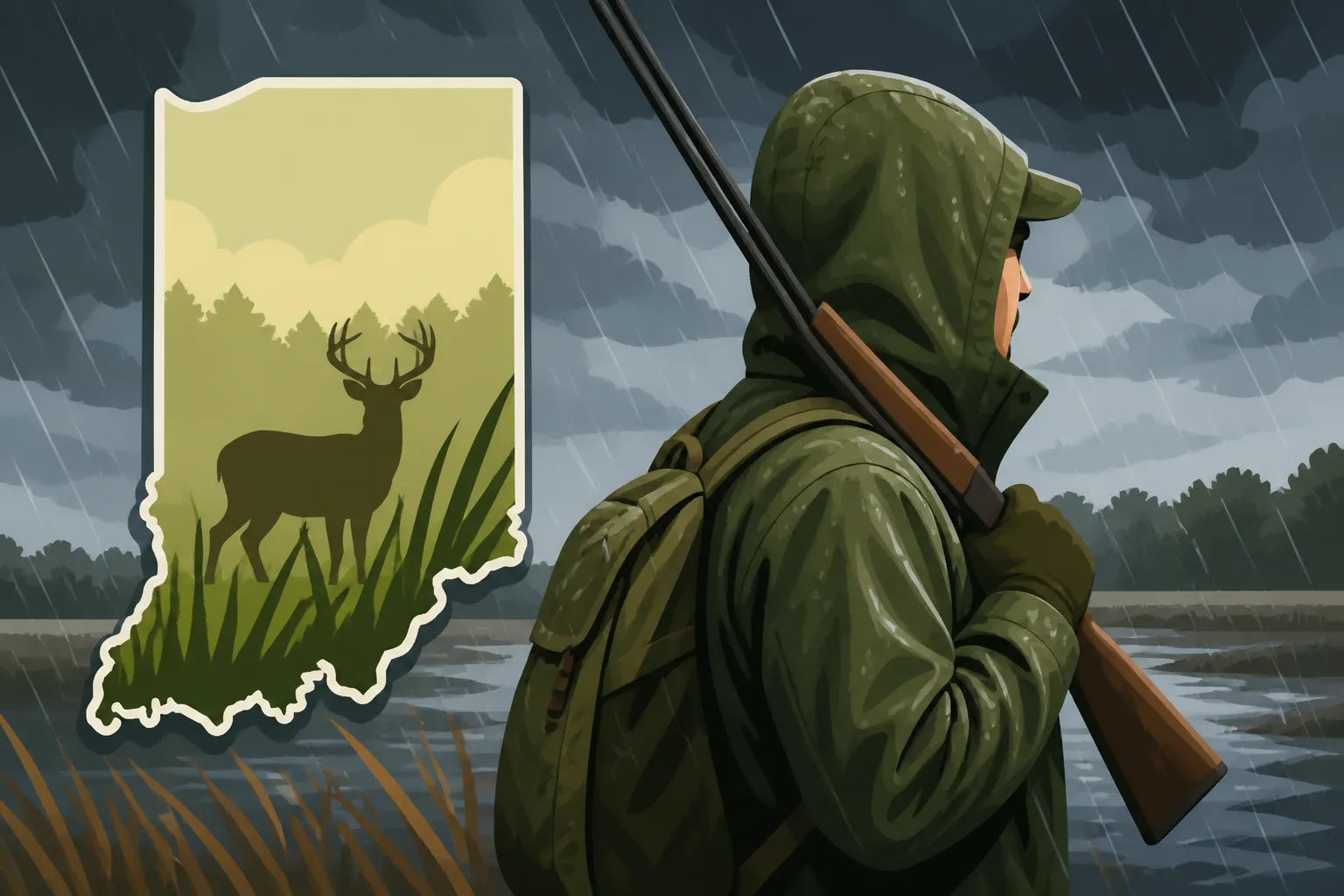
Getting caught in a sudden, soaking Indiana downpour while you're out in the woods can instantly turn a promising hunt into a miserable, hypothermia-risking slog. Nobody wants to be shivering in a treestand or trudging through soggy fields, feeling every drop seep into their core. This guide is all about equipping you with the right knowledge and gear to stay genuinely dry, comfortable, and focused, no matter how hard the skies open up over the Hoosier State.
The Unique Challenges of Indiana's Wet Weather
Indiana weather is notoriously fickle. You can start your day under clear skies, feel a slight drizzle by mid-morning, and then be engulfed in a relentless, soaking rain by afternoon. It's not just the amount of water; it's the combination of humidity, fluctuating temperatures, and often, a brisk wind that makes staying dry here a real challenge. Many a hunter has underestimated an Indiana storm, only to find themselves utterly drenched and ready to call it quits long before their planned end time.
More Than Just "Getting Wet"
It might sound simple, but getting thoroughly wet while hunting in Indiana isn't just uncomfortable; it's a safety concern. When your core temperature drops, even a few degrees, your judgment can become impaired, and your ability to concentrate on the hunt or even navigate safely can diminish. Imagine being miles deep in Hoosier National Forest Hunting and realizing your "waterproof" jacket failed, leaving you soaked to the bone as dusk approaches. It's not just a minor inconvenience; it can be dangerous. Your body is working overtime to stay warm, burning precious energy that you might need for the walk out or an unexpected physical demand.
Beyond the immediate cold, damp clothing can lead to chafing, blisters, and an overall sense of misery that makes you want to pack up and go home, missing out on prime hunting time. The dampness also makes it harder to stay quiet – a wet jacket rustles more, and squishy boots are not exactly stealthy. Every rustle and squish can alert game to your presence, ruining an otherwise perfect setup. It's a cascade of problems that starts with insufficient rain gear, turning a potential success into a guaranteed frustration.
Humidity, Temperature Swings, and Wind's Role
Indiana's weather patterns often feature high humidity, especially during the early archery season or late spring turkey hunts. This means that even if it's not actively raining, your body is working harder to regulate temperature, and any moisture (sweat or external) will cling. When rain does hit, this humidity can make breathability a huge factor. If your rain gear keeps external water out but traps all your sweat inside, you're still going to end up wet, just from the inside out. It's a common misconception that "waterproof" alone is enough; true comfort comes from allowing your body to breathe.
Then there are the temperature swings. A warm rain can quickly turn cold if a front pushes through, or if you stop moving. This is where Layering for an Indiana Deer Stand becomes critical. Your rain gear needs to be able to accommodate these changes without becoming overly bulky or restrictive. Add in the wind, which can drive rain horizontally and strip away body heat in seconds, and you realize how demanding Indiana's downpours truly are on your outerwear. A slight breeze can feel like an icy blast when your clothes are damp, and a strong wind can make even a good jacket feel like it's barely holding up against the elements.
Essential Features of High-Performance Rain Gear for Indiana Hunters
When you're outfitting yourself for an Indiana hunting adventure, especially with the understanding that rain is always a possibility, you can't just grab the cheapest poncho. You need gear that's specifically designed to handle dynamic conditions, offering a balance of protection, comfort, and functionality. This isn't just about staying dry; it's about being able to perform when the weather turns foul, whether you're trying to stay hidden in a Treestand Setups in Hoosier National Forest or Still-Hunting Southern Indiana Ridges.
The Waterproof-Breathable Balance
This is the holy grail of good rain gear: keeping water out while allowing sweat vapor to escape. If it's just waterproof, you'll feel like you're wearing a plastic bag, sweating profusely from exertion, and ending up just as wet, albeit from your own moisture. Top-tier technologies like GORE-TEX, eVent, and various proprietary membranes (often found in higher-end hunting brands) achieve this balance. These membranes have microscopic pores that are too small for liquid water molecules to pass through but large enough for water vapor (sweat) to escape. It's a marvel of engineering that truly makes a difference in comfort and performance.
For a serious Indiana hunter, especially during seasons like Bowhunting Indiana's Long Archery Season where you might be active and generate heat, investing in gear with a quality waterproof-breathable membrane is non-negotiable. Look for terms like "fully seam-sealed" – this means every stitch line has been taped over to prevent water ingress, which is where many cheaper garments fail. A jacket might be made of waterproof fabric, but if the seams aren't sealed, water will find its way in, typically around the shoulders or hood, creating cold, wet spots that quickly spread. You can have the best membrane in the world, but unsealed seams render it almost useless.
Durable Water Repellent DWR Finish
Even the best waterproof membranes need help from the outside. That's where a Durable Water Repellent (DWR) finish comes in. This is a coating applied to the fabric's exterior that makes water bead up and roll off, preventing the face fabric from "wetting out." When the face fabric gets saturated, it can feel cold, heavy, and significantly reduce the garment's breathability, even if the internal membrane is still doing its job. Think of water cascading off a freshly waxed car – that's what a good DWR does. It's the first line of defense against saturation.
Over time, DWR wears off, especially with use, dirt, and washing. This is why you need to regularly re-apply DWR treatments to your rain gear to maintain its performance. Many outdoor gear companies, and even brands like GoHunt, offer specific washes and sprays designed to restore or enhance this critical outer layer. Ignoring DWR maintenance is a common mistake that leads hunters to believe their rain gear has "lost its waterproofing" when often, it's just the DWR needing a refresh. A simple spray-on treatment can make an old jacket feel brand new in a downpour.
Quietness, Fit, and Functionality for Hunting
Unlike hiking rain gear, hunting rain gear needs to be quiet. A stiff, crinkly fabric might be waterproof, but if it sounds like you're rustling a potato chip bag with every step, you're going to spook every deer within a hundred yards. Look for softer, brushed fabrics, or those specifically engineered for low noise. This is especially true if you're trying to remain undetected while drawing a bow or bringing a rifle to bear. The difference between success and failure can often hinge on how quietly you can move and adjust in your stand.
The fit is also crucial. You want something that allows a full range of motion without being overly baggy (which can snag on branches or get in the way) or too tight (which restricts layering and movement). Articulated knees and elbows are a huge plus for comfort and flexibility, particularly when climbing into a stand or navigating dense cover. Finally, consider features like adjustable cuffs, hood, and waist for a custom fit that keeps wind and rain out. Well-placed pockets with waterproof zippers are essential for keeping calls, licenses, or your phone dry. A good hood should move with your head and not obscure your peripheral vision, allowing you to scan for game even in a relentless downpour.
Types of Rain Gear and Strategic Combinations for Indiana's Hunt Seasons
Not all rain gear is created equal, and what works best depends heavily on the type of hunting you're doing and the specific conditions you anticipate. Indiana's varied seasons, from the warmth of early fall to the biting cold of late December, demand a thoughtful approach to your rain protection. You wouldn't wear the same gear to scout a clear-cut in July as you would for Muzzleloader Deer Hunting in Indiana in December.
Lightweight Rain Shells for Active Hunts
For active hunts like Run-and-Gun Turkey Tactics on Public Land or early season archery when you're moving a lot, a lightweight, packable rain shell is often the best choice. These jackets and pants are designed to be minimally bulky, allowing you to stuff them into your pack until needed. They prioritize breathability to manage sweat while you're on the move, keeping you from overheating as you hike. This type of gear is crucial for those spontaneous movements or long walks into your hunting spot.
The downside is that they might not be as durable against snags and briars as heavier gear, and their insulation value is almost nonexistent – they are purely a shell. Therefore, effective layering underneath is paramount. You'll want moisture-wicking base layers and insulating mid-layers, as discussed in Wool Versus Synthetics in Wet Snow, to manage warmth and moisture from the inside out. These shells are perfect for those unpredictable Indiana days where a quick shower might pop up but you're not expecting hours of continuous heavy rain. They excel at providing immediate, temporary protection without adding significant bulk or weight.
Heavy-Duty Rain Suits for Treestand and Static Hunts
When you're planning an all-day sit in a Treestand Setups in Hoosier National Forest or hunkering down in a ground blind during Indiana's Firearms Deer Season, durability and maximum waterproofness take precedence. Heavy-duty rain suits, often made with more robust face fabrics and thicker membranes, are designed to withstand prolonged exposure to heavy rain and wind. They might be a bit bulkier and sometimes a tad less breathable than ultralight shells, but they offer superior protection for static positions where warmth and absolute dryness are paramount.
These suits often come as separate jacket and pant systems, allowing for greater flexibility, for instance, wearing only the pants if you're under a partially covered stand. Look for features like reinforced knees and seats, which are common wear points from kneeling or sitting. Some even include insulated options, which can be a godsend during late-season hunts when temperatures plummet and a cold rain feels like ice. While these might not be ideal for miles of walking, they are essential for keeping you dry and comfortable when the only movement you're making is lifting your binoculars or shouldering your rifle. Many hunters swear by a dedicated heavy-duty suit for their primary cold-weather hunting.
Ponchos and Emergency Rain Gear
Sometimes, you just need something to get you out of a pinch, or you're on a budget. A simple rain poncho, while not offering the same level of protection or durability as a dedicated rain suit, can be an excellent emergency item. They are incredibly packable and can cover you and your pack quickly, making them ideal for unexpected showers during a Scouting Indiana Public Land Before Season trip. They are easy to throw on and offer immediate shelter. However, they can be noisy in the wind, restrictive for active movement, and offer minimal protection from sideways rain, which can be a real issue in exposed areas.
For hunters, specialized hunting ponchos designed to be quieter and camouflaged exist, which are a step up from a basic hardware store poncho. These can be useful for scouting trips or short, unexpected showers. Consider them a last line of defense or a backup to your primary rain gear, especially if you're not anticipating truly severe weather. They certainly have their place, especially if you're trying to keep costs down, but don't rely on one for an all-day downpour during peak season. Always weigh the cost savings against potential discomfort and even safety risks when opting for minimalist rain protection for serious hunting.
Here's a quick comparison of common rain gear types:
| Rain Gear Type | Best Use Case | Pros | Cons |
|---|---|---|---|
| Lightweight Shell | Active hunts, early season, quick showers | Very breathable, packable, good for mobility | Less durable, minimal insulation, can be pricey |
| Heavy-Duty Suit | Static sits, cold weather, prolonged rain | Maximum protection, durable, often insulated | Bulky, less breathable, can be heavy and stiff |
| Emergency Poncho | Budget option, quick cover, backup | Extremely packable, inexpensive, covers gear | Noisy, limited durability, poor mobility, minimal side protection |
Caring for Your Rain Gear: Longevity and Performance
Even the best rain gear won't perform if it's not properly cared for. Dirt, oils, and sweat can clog the waterproof-breathable membranes, and the DWR finish will inevitably wear down. Neglecting your gear is like trying to hunt with a dull knife – it might still work, but not effectively. Proper maintenance ensures your investment continues to keep you dry for many seasons of Indiana hunting, letting you focus on the game, not your discomfort. Brands like GoHunt often have care guides for their technical apparel, which are always worth consulting.
Cleaning and Washing Your Rain Gear
It sounds counterintuitive to wash waterproof gear, but it's essential. Dirt, mud, and body oils can block the microscopic pores of your waterproof-breathable membrane, reducing its breathability. When this happens, you'll feel clammy and wet even if the rain isn't getting through, because your sweat can't escape. Always follow the manufacturer's specific washing instructions, but generally, use a technical cleaner designed for waterproof fabrics. Avoid regular detergents, fabric softeners, or bleach, as these can strip the DWR and damage the membrane, permanently impairing performance.
Typically, you'll want to zip up all zippers, close all flaps, and wash in cold or warm water on a gentle cycle. After washing, a low-heat tumble dry can often help reactivate the DWR finish, which is a neat trick. If your gear is heavily soiled after a muddy excursion to Hunting the Wabash River Bottoms, a pre-rinse or gentle scrubbing of heavily caked areas might be necessary before the machine wash to remove stubborn grime. Clean gear performs better and lasts longer, period.
Re-Waterproofing and DWR Restoration
As mentioned earlier, the DWR finish is crucial for rain gear performance. When water stops beading up and starts soaking into the face fabric, it's time to reapply. You'll know it's time when the fabric looks wet and dark, rather than shedding water. There are two main types of DWR treatments: wash-in and spray-on. Wash-in treatments are great for a thorough application to the entire garment, while spray-on treatments are excellent for targeting specific wear areas like shoulders or knees, or giving a quick refresh.
Many outdoor brands, and even general retailers carry DWR restoration products. Brands like Nikwax and Granger's are well-known for their effectiveness and are widely available. Always apply these products to clean rain gear, following the instructions precisely. Often, a warm tumble dry after application helps the DWR bond to the fabric, enhancing its durability. This simple step can dramatically extend the life and effectiveness of your rain gear, preventing frustrating moments of feeling damp when you should be dry. Don't let a failing DWR fool you into thinking your entire jacket is useless; a simple treatment often revives it, saving you money and hassle.
Proper Storage and Damage Repair
How you store your rain gear between hunts and seasons can also impact its longevity. Avoid compressing it tightly for long periods, as this can potentially damage membranes over time, especially if it's damp. Store it in a cool, dry place, ideally hanging it loosely in a closet or on a wide hanger. Make sure it's completely dry before storing to prevent mildew or odor, which can develop surprisingly quickly and be very difficult to remove.
Minor tears or punctures can happen, especially when you're navigating dense Indiana brush. Don't just toss your damaged gear aside! Small holes or tears can often be repaired with specific waterproof fabric repair patches or seam sealants. Companies that make quality rain gear, and even hunting specific brands like GoHunt, often provide repair kits or have recommendations for fixing minor damage. Addressing these issues promptly prevents them from becoming larger problems and extends the functional life of your gear. A small patch now can save you from a major soak later, keeping you out in the field longer.
Staying dry in an Indiana downpour doesn't have to be a pipe dream. With the right gear selection, a focus on waterproof-breathable technologies, smart layering, and consistent maintenance, you can ensure your hunts remain comfortable, safe, and successful, no matter what the skies throw at you.
Disclaimer
This article is for general informational purposes only and does not constitute professional advice. Laws, prices and regulations vary by location and change over time. Consult a qualified professional for guidance on your specific situation.