Indiana Pheasant Release Site Locations
Many Indiana hunters, myself included, harbor fond memories of chasing wild pheasants across the state, but the reality today is that consistent pheasant hunting largely depends on knowing where the Indiana Department of Natural Resources (DNR) actively releases birds. If you've found yourself scratching your head trying to figure out where to find a good pheasant hunt, this guide is designed to clarify Indiana's pheasant release site locations, explain how to get the most current information, and set realistic expectations for your hunt.
Understanding Indiana's Pheasant Program
For many, the idea of pheasant hunting conjures images of endless cornfields and vibrant flushes. While Indiana has some fantastic agricultural land, the classic wild pheasant habitat that once supported thriving populations has dwindled. Understanding why pheasants are released here and the DNR's role is key to appreciating the hunting opportunities available.
Why Pheasants Are Released in Indiana
The decline of wild pheasant populations in Indiana is a story heard across much of the Midwest. Habitat loss is the primary culprit. The vast, diverse grasslands and small, varied farm fields that once provided ideal nesting, brooding, and winter cover have largely given way to larger, more uniform agricultural operations and development. This transformation means that most areas simply don't have the contiguous, high-quality habitat needed for pheasants to sustain themselves through natural reproduction.
To combat this habitat-induced scarcity and ensure hunters can still experience the excitement of a pheasant flush, the Indiana DNR implements a "put-and-take" pheasant release program. This means pheasants are raised in game farms, often outside the state, and then released into specific public hunting areas. It's not about re-establishing widespread wild populations, which would require massive habitat restoration efforts, but rather about providing direct hunting opportunities. These releases allow hunters to pursue pheasants in a managed environment, supporting upland hunting traditions and providing recreational access that otherwise wouldn't exist for this iconic bird.
The Role of Indiana DNR in Pheasant Management
The Indiana DNR is central to all aspects of pheasant hunting in the state, particularly concerning the release program. They are responsible for:
- Habitat Management: On State Fish and Wildlife Areas (FWAs) designated for pheasant hunting, the DNR actively manages the land to create and maintain suitable cover, such as dense grasslands, food plots, and brushy areas. This habitat, though sometimes fragmented, provides a temporary home for released birds.
- Procurement and Release: The DNR coordinates the acquisition of pheasants from breeders and their release into selected FWAs. These releases are typically timed to coincide with or precede the Indiana Pheasant Season and Stocking to maximize hunting opportunities.
- Regulatory Framework: The DNR sets the seasons, bag limits, and specific rules for hunting pheasants, including any special permit requirements or restrictions on ammunition type (e.g., non-toxic shot in certain areas). They also administer any managed or quota hunts, which often involve specific draw periods and hunter limits.
Their work ensures that despite significant ecological changes, Indiana hunters still have a chance to walk the fields for pheasants, making the most of the available public land and conservation efforts.
The History of Pheasants in Indiana
The ring-necked pheasant is not native to North America; it's an introduced species, first brought to the continent from Asia in the late 19th century. In Indiana, widespread introductions began in the early 1900s, and for several decades, populations thrived, especially in the northern agricultural counties. Many older hunters can vividly recall days when pheasants were common, flushing from nearly every fencerow and ditch bank.
However, the agricultural landscape began to change dramatically after World War II. The shift to larger farms, monoculture cropping, intensive tillage, and the removal of "waste" areas like fencerows and shelterbelts systematically eliminated the diverse, dense cover that pheasants needed for nesting, raising broods, and surviving winter. Pesticide use also reduced the insect populations crucial for pheasant chicks. These changes led to a precipitous decline in wild pheasant numbers, to the point where self-sustaining populations are now rare and localized. The story of Why Wild Pheasants Faded From Indiana is a stark reminder of how land use directly impacts wildlife. This historical context explains why today's pheasant hunting relies so heavily on the DNR's stocking efforts to create a huntable population.
Key Pheasant Release Site Categories
When you're looking for a place to hunt pheasants in Indiana, your focus will primarily be on one type of public land. Understanding these categories is crucial for planning your trip.
State Fish and Wildlife Areas (FWAs)
State Fish and Wildlife Areas (FWAs) are the cornerstone of Indiana's pheasant release program. These lands are explicitly managed by the DNR for wildlife conservation and public recreation, including hunting. They often feature large blocks of suitable pheasant habitat, such as restored grasslands, managed food plots, and dense escape cover. The DNR invests resources here to provide the best possible conditions for released birds.
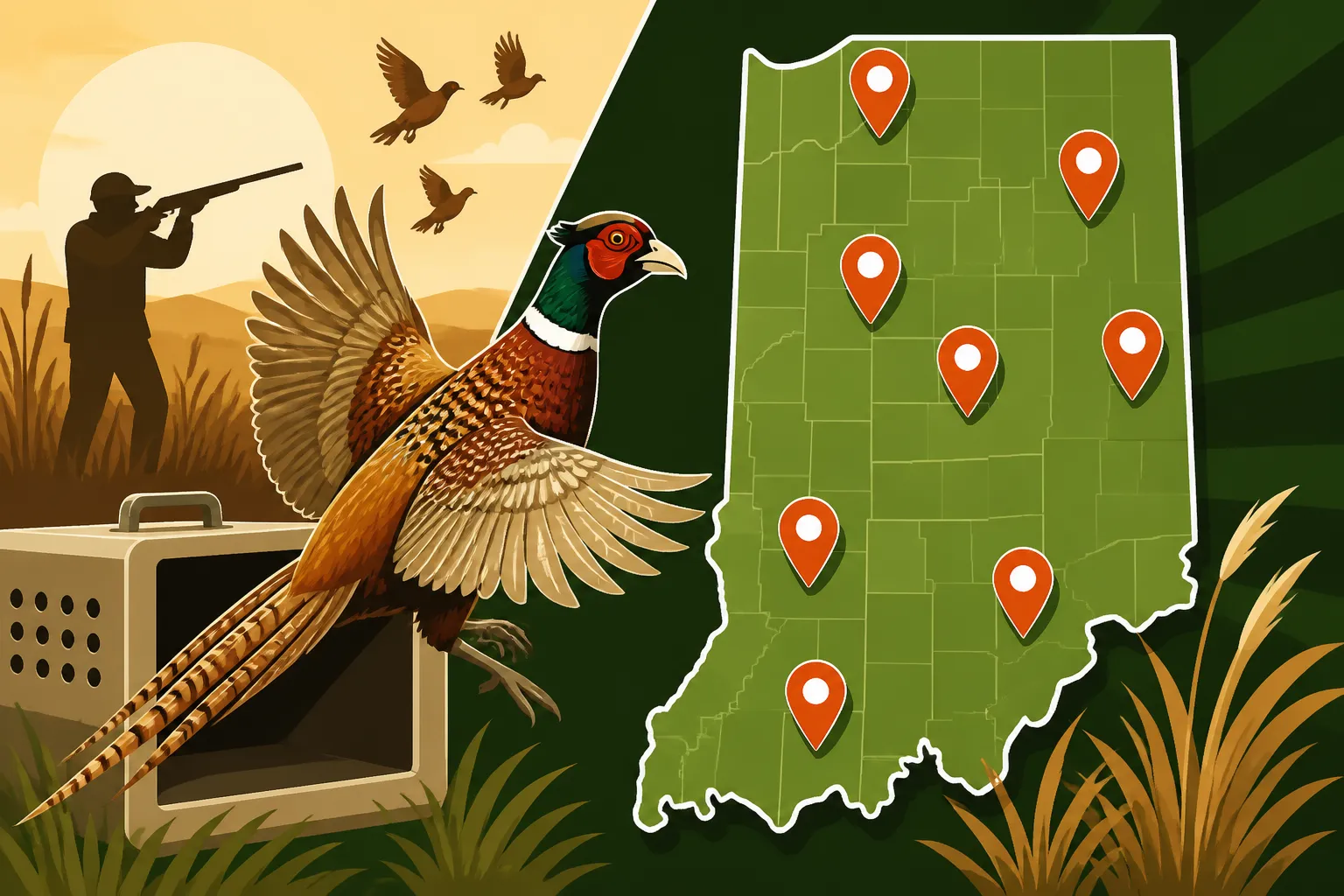
Several FWAs across the state are known for their pheasant release programs. While specific sites can vary from year to year based on management plans and budget, these are historically among the most prominent:
- Willow Slough Fish and Wildlife Area: Located in Newton County in northwest Indiana, Willow Slough is a large FWA known for its extensive grasslands and wetlands, making it prime habitat for stocked pheasants. It tends to draw significant hunter numbers, particularly early in the season.
- Atterbury Fish and Wildlife Area: Found in Bartholomew and Brown counties in south-central Indiana, Atterbury offers a mix of upland fields and timber. It's a versatile FWA that hosts various hunting seasons.
- Glendale Fish and Wildlife Area: In Daviess County in southwest Indiana, Glendale is another popular FWA with diverse habitats, including grasslands suitable for pheasant releases.
- J.E. Roush Fish and Wildlife Area: Situated near Huntington in northeastern Indiana, J.E. Roush provides good opportunities, often seeing consistent pheasant releases.
- Tri-County Fish and Wildlife Area: Spanning Kosciusko, Noble, and Whitley counties in northern Indiana, Tri-County is a large FWA offering a variety of hunting experiences, including pheasants.
- Winamac Fish and Wildlife Area: Located in Pulaski County, Winamac is a significant FWA in north-central Indiana, known for its extensive fields and cover, making it a key pheasant release site.
It's important to remember that each FWA has its own specific rules, which might include required check-in procedures, hunt unit assignments, or specific shot type regulations. Always check the individual FWA's pages on the DNR website before you go.
Here's a quick overview of some common FWA pheasant release sites:
| FWA Name | Primary Counties | Key Habitat for Pheasants | General Hunter Experience |
|---|---|---|---|
| Willow Slough FWA | Newton | Extensive native warm-season grasses, crop fields | High early-season pressure, strong dog work beneficial |
| Atterbury FWA | Bartholomew, Brown | Mix of old fields, brushy draws, some timber edges | Moderate pressure, opportunities for diverse upland species |
| Glendale FWA | Daviess | Large grass fields, wetlands, and edge cover | Steady hunter presence, good for groups working together |
| J.E. Roush FWA | Huntington | Grasslands, shrubby thickets, grain plots | Consistent releases, often good for walking and flushing |
| Tri-County FWA | Kosciusko, Noble, Whitley | Varied fields, woods, and wetlands | Can be popular, offers a mix of challenges |
| Winamac FWA | Pulaski | Large open fields, diverse cover crops, food plots | Often crowded on weekends, but consistent bird numbers |
Managed Hunt Opportunities
Beyond the general pheasant season at FWAs, the Indiana DNR frequently offers special managed pheasant hunts. These are distinct from the regular open season and often occur on specific dates, sometimes even before or after the main season. The primary characteristic of managed hunts is that participation usually requires pre-registration, a lottery drawing, or specific permits, and the number of hunters is limited.
Managed hunts might take place at the same FWAs mentioned above but within designated zones or on specific dates to control pressure and enhance the hunting experience. Occasionally, certain Indiana State Parks (which typically have very restricted hunting) might host deer quota hunts, but pheasant opportunities are almost exclusively FWA-based.
These managed hunts can be a fantastic opportunity, as the limited hunter numbers often translate to a less crowded and potentially more productive hunt. Birds released for these events might also be less pressured initially. To find information on these special opportunities, you'll need to regularly check the DNR's "Go Outdoors Indiana" portal. Application periods are usually announced well in advance, and staying on top of these deadlines is essential if you want to participate. These types of hunts often fall under specific Indiana Pheasant Permit Requirement guidelines, so always read the fine print.
Navigating Specific Release Locations
Once you know where pheasants are generally released, the next step is getting specific. This means knowing how to find the most current information and understanding what to expect when you step into the field.
How to Find Current Release Information
The absolute best and most reliable source for current pheasant release site locations and schedules is the official Indiana DNR website. Do not rely on information from previous years or anecdotal accounts alone, as programs, sites, and schedules can change.
Here’s how to typically find the information:
- DNR Website: Navigate to the Indiana DNR's main wildlife page. Look for sections related to "hunting," "upland game," or "game bird releases." The DNR usually publishes a specific news release or dedicated web page outlining the pheasant release program for the current season.
- Specific FWA Pages: Once you have a general list of participating FWAs, it’s a good idea to visit the individual FWA pages on the DNR site. These pages often provide detailed maps, specific hunting regulations for that area, and sometimes even more localized information about release schedules or hunt unit boundaries.
- "Go Outdoors Indiana" Portal: This is the online hub for licenses, permits, and special hunt applications. While it's mainly for transactions, it's also where you'll find announcements for managed hunts and application deadlines.
- Mapping Tools: Once you have the FWA names, you can use digital mapping tools like GoHunt to scout the areas. GoHunt's satellite imagery and public land overlays can help you identify prime cover, access points, and potential areas where pheasants might hold. This virtual scouting can save you a lot of time and legwork.
Always cross-reference information and prioritize the most recent announcements from the DNR.
Tips for Hunting Released Pheasants at Specific Sites
Hunting released pheasants offers a unique challenge and can be incredibly fun, especially if you have a dog. Here are some tips to maximize your success and enjoyment:
- Pre-Season Scouting: Even if birds aren't present yet, a walk-through or a detailed review of an FWA on a mapping app like GoHunt can be invaluable. Look for areas of dense, standing cover like switchgrass, cattails, multiflora rose thickets, or unharvested food plots. These are where birds will seek refuge. Identify access points and how you'll approach different cover types.
- Timing Your Hunt: Early in the season, especially on the opening weekend or immediately after a known release, can mean more birds, but also significantly more hunter pressure. If you prefer a quieter hunt, consider going mid-week or later in the season. By then, the birds will be "wiser" and hold much tighter, offering a more challenging, almost wilder experience.
- Work the Cover Thoroughly: Don't be shy about getting into the thick stuff. Released pheasants, even if initially a bit disoriented, quickly learn to run and hide in the heaviest cover available. Walk slowly, pause often, and be patient. When Pheasant Hunting Indiana Grassland, it’s not about covering ground quickly, but covering it effectively.
- Hunting with a Dog is a Game Changer: While you can hunt pheasants without a dog, a well-trained bird dog is an undeniable asset. Their superior nose helps locate birds that human eyes would never see, and their ability to flush birds within range and retrieve downed game from dense cover is priceless. Invest in good dog training if you plan to hunt pheasants regularly.
- Be Mindful of Other Hunters: Public release sites, by nature, can become crowded. Always wear sufficient blaze orange, as required by Indiana Blaze Orange Requirements, and be acutely aware of other hunters' positions. Communicate, be courteous, and always maintain safe shooting lanes. If an area feels too crowded, be willing to move to a different section or even a different FWA.
- Dress Appropriately: You'll be walking through thorny, wet, and potentially muddy terrain. Sturdy, briar-proof pants, waterproof boots, and layers appropriate for the weather are essential.
What to Expect at a Release Site
When you arrive at an Indiana pheasant release site, especially a popular FWA, expect a managed environment. You'll likely see signage, designated parking areas, and potentially a check-in station. Many FWAs require hunters to check in and out, either physically at a kiosk or electronically via the DNR's online system. This is often part of the Indiana Property Access Permit Requirement on some public lands and helps the DNR manage hunter pressure and collect harvest data.
The habitat will be geared towards upland birds, featuring large fields of planted grasses, brushy field edges, and sometimes blocks of timber or wetlands. Expect to encounter other hunters, especially on weekends and holidays. The sound of shotgun fire is common, and you'll likely see other parties working their dogs.
The birds themselves can vary. Freshly released pheasants might be a bit disoriented and easier to flush. However, after a few days of pressure, they become remarkably adept at running, holding tight, or even escaping into thicker cover. The challenge grows throughout the season, transforming the hunt into a more demanding experience that truly tests a hunter's skill and a dog's nose. While it's a "put-and-take" situation, the thrill of a rooster bursting from cover with its characteristic cackle remains one of hunting's great joys.
Disclaimer
This article is for general informational purposes only and does not constitute professional advice. Laws, prices and regulations vary by location and change over time. Consult a qualified professional for guidance on your specific situation.