Indiana Rabbit Habitat Restoration Efforts
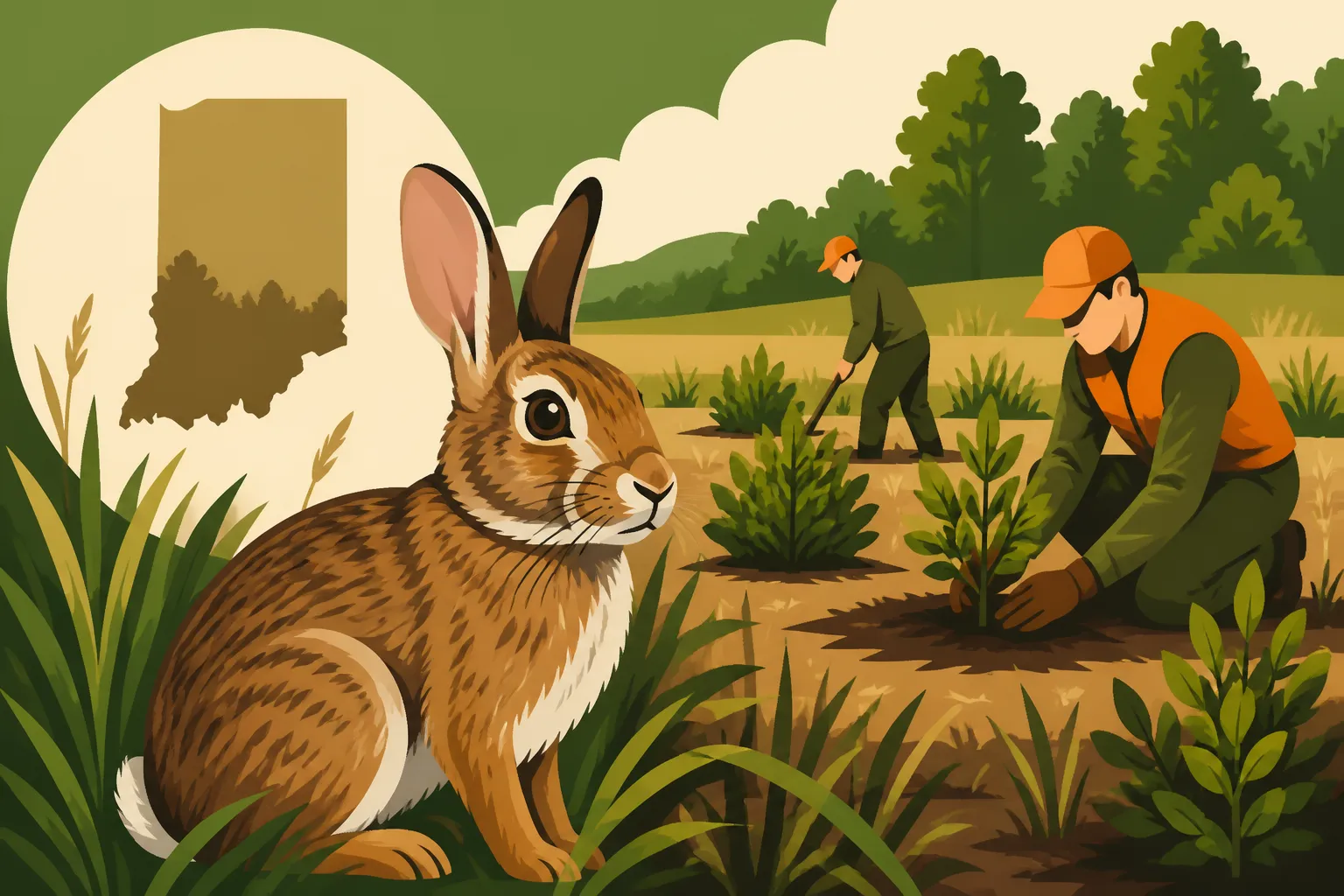
Indiana cottontail rabbit populations have faced significant challenges over the decades, leaving many hunters and wildlife enthusiasts wondering why their favorite brushy spots aren't as bustling as they once were. This decline often stems directly from habitat loss and fragmentation, making it harder for these resilient little game animals to find food, cover, and safe places to raise their young. This comprehensive guide will explore the critical reasons behind these struggles and, more importantly, detail the effective strategies and practical steps Hoosiers can take to actively participate in revitalizing rabbit habitat across our state.
The Vanishing Act: Why Rabbit Habitat is So Critical in Indiana
It's no secret that seeing a cottontail dart across a field or from under a briar patch isn't as common as it used to be. For generations, rabbit hunting was a staple of Indiana outdoor culture, a way to introduce youngsters to hunting and enjoy crisp winter mornings with a good dog. But times have changed, and the primary culprit is often staring us right in the face: the loss and degradation of suitable habitat. Rabbits are small, vulnerable prey animals, and their survival hinges entirely on having the right blend of dense cover, accessible food, and safe nesting sites. Without these elements, their numbers simply can't thrive, leading to the noticeable drop in populations that so many of us have observed.
The Interconnected Web: Rabbits as an Indicator Species
When rabbit populations decline, it's not just about fewer rabbits; it's often a sign that something deeper is amiss within the ecosystem. Cottontails are what we call an "indicator species." Their health reflects the health of their environment. If rabbits are struggling, it means the crucial components of early successional habitat – those transitional areas of brush, young trees, and native grasses – are likely disappearing. This loss doesn't just impact rabbits; it affects a whole host of other ground-nesting birds, pollinators, and other small mammals that rely on similar conditions. From bobwhite quail to countless songbirds, many species benefit directly from the same habitat improvements that help rabbits bounce back. It's a domino effect, and restoring rabbit cover is like fixing a central piece of that ecological puzzle.
A Haven of Brambles: What Ideal Rabbit Habitat Looks Like
When you picture ideal rabbit habitat, think "edge." Not just any edge, but a dynamic, brushy transition zone. This means fencerows choked with blackberry brambles, old multiflora rose thickets (yes, even invasive species can provide temporary cover!), dense pockets of dogwood and plum, and patches of native warm-season grasses. Rabbits aren't forest dwellers, nor do they thrive in wide-open, manicured fields. They need that messy, tangled interface where they can quickly dive into thick cover if a hawk or coyote appears, but still be within a hop or two of tender green shoots, clover, and fallen seeds. Water sources, while not as critical as dense cover, are also a plus, often found in low-lying areas or near creek bottoms that also provide excellent cover. It’s a delicate balance of protection and readily available sustenance that defines prime rabbit country.
Pressures on the Cottontail: Common Threats to Indiana's Rabbit Populations
Understanding why rabbit populations have dwindled is the first step toward reversing the trend. It's rarely one single factor, but rather a combination of interconnected challenges that make life increasingly difficult for our cottontail friends. These pressures often stem from changes in land use practices and the natural ebb and flow of ecological dynamics. As Indiana's landscape continues to evolve, so too do the obstacles facing these resilient, yet vulnerable, game animals.
The Concrete and Cornfields: Habitat Loss and Fragmentation
Perhaps the most significant threat to Indiana's rabbit populations is the relentless march of habitat loss and fragmentation. Historically, Indiana was a patchwork of small farms, woodlots, pastures, and overgrown fencerows – perfect cottontail country. Today, agricultural practices often favor large, contiguous fields of corn and soybeans, leaving little room for the brushy edges, unkempt corners, and weedy strips that rabbits rely on. Development, too, plays a role, as suburban sprawl consumes old fields and brush thickets, replacing them with houses and lawns that offer no refuge. When habitat does exist, it's often isolated into smaller, disconnected patches, making it harder for rabbits to move safely between areas for breeding or to escape predation. This fragmentation isolates populations, reduces genetic diversity, and makes entire groups more vulnerable to localized threats. It's a problem not just for rabbits but for many species dependent on Indiana Cottontail Population Trend.
Apex Predators and Opportunistic Hunters: Predation Pressures
Rabbits are a fundamental part of the food chain, and a healthy ecosystem includes predators. However, when habitat becomes scarce and fragmented, the balance can shift. Rabbits, exposed in less-than-ideal cover, become easier targets for everything from coyotes and foxes to hawks, owls, and even domestic cats and dogs. While predation is natural, a lack of secure, dense escape cover can amplify its impact, especially on young rabbits (kits). If the rabbit population is already stressed by poor habitat, increased predation can hinder their ability to rebound, creating a downward spiral. It highlights the crucial role of cover – not to eliminate predators, but to give rabbits a fighting chance and maintain a healthy predator-prey balance.
Invisible Enemies: Disease and Environmental Factors
Like all wildlife, rabbits are susceptible to various diseases, and environmental factors can play a significant role in their health and survival. Things like rabbit hemorrhagic disease (RHDV2) or tularemia, though not always widespread, can cause localized die-offs. Less dramatic but equally impactful are environmental stressors such as harsh winters with prolonged snow cover, which can make food incredibly difficult to access, or unusually wet spring nesting seasons that can drown young kits. While these factors are often beyond human control, robust, well-distributed habitat can help buffer their effects. A healthy, well-nourished rabbit in prime habitat is generally more resilient to disease and environmental stress than one struggling in marginal conditions.
Rebuilding the Warren: Key Strategies for Rabbit Habitat Restoration
The good news is that rabbit habitat is relatively quick to create and improve. Unlike managing for mature timber-dwelling species, cottontails thrive in what many might consider "messy" or "weedy" conditions. Their rapid breeding cycle means that if you provide suitable habitat, they can rebound remarkably fast. The key is understanding their fundamental needs and then implementing practices that mimic the natural succession of brushy edges and dense cover. This isn't about perfectly manicured landscapes; it's about embracing the tangle.
The Power of the Edge: Creating and Enhancing Transitional Zones
Rabbits love edges – the more irregular, dense, and "untidy" the better. Think about where a field meets a woodlot, or where a hedgerow separates two different crop fields. These are prime areas to enhance.
- Shrub Rows and Hedgerows: Planting native shrubs like dogwood, sumac, wild plum, and even thorn-bearing species like blackberry or hawthorn in linear strips or clumps provides incredible cover and often food. These create safe travel corridors and escape cover. If you already have existing fencerows, allowing them to grow wild and brushy is often the best first step. Rabbit Hunting Indiana Fencerows delves deeper into hunting these crucial linear habitats.
- Field Borders and Filter Strips: Instead of plowing right to the edge, leaving uncultivated strips of native grasses and forbs (wildflowers) around crop fields creates invaluable buffer zones. These areas offer food, nesting cover, and escape routes. They also have ecological benefits like reducing soil erosion and improving water quality.
- Brush Piles: This is perhaps the easiest and most immediate way to create rabbit cover. When clearing brush or limbs, pile them up rather than burning or hauling them away. The denser the pile, with smaller branches interwoven with larger logs, the better. Rabbits can dart into the interior, safe from aerial and ground predators. Over time, these piles decompose and create rich soil. A simple 10×10 foot brush pile can be a cottontail condo!
Food, Water, and Structure: Diversifying Resources
Beyond dense cover, rabbits need readily available food sources and, ideally, a water source nearby. Their diet consists of a wide variety of plants, including grasses, clover, forbs, and even bark and twigs in winter.
- Native Warm Season Grasses and Forb Mixes: Planting mixtures of native warm-season grasses (like switchgrass, big bluestem, indiangrass) combined with legumes and forbs (clovers, chicory, native wildflowers) creates both excellent nesting cover and food. The clumping growth pattern of these grasses provides overhead cover while allowing rabbits to move underneath.
- Food Plot Management: While larger deer food plots are popular, small, strategically placed plots with clover, winter wheat, or brassicas can be a boon for rabbits, especially in late fall and winter. These don't need to be huge; even a quarter-acre patch can make a difference. Make sure these plots are adjacent to dense cover so rabbits don't have to venture far into the open.
- Water Access: While rabbits get much of their moisture from vegetation, having access to reliable water sources, especially during dry periods, is beneficial. This could be a small pond, a reliable creek, or even a strategically placed wildlife watering trough in drier regions. Often, areas with natural water sources also have the kind of brushy vegetation rabbits prefer.
| Habitat Element | Benefits for Rabbits | Example Plants/Structures |
|---|---|---|
| Dense Cover | Protection from predators (aerial & ground) | Blackberry, Multiflora Rose, Sumac, Hawthorn, Brush Piles, Cedar Thickets |
| Nesting Cover | Safe areas to raise young (kits) | Native Warm Season Grasses (Switchgrass, Indiangrass), Clover, Alfalfa |
| Food Sources | Sustenance for all seasons | Clover, Alfalfa, Winter Wheat, Chicory, Native Forbs, Bark/Twigs |
| Travel Corridors | Safe movement between food, water, and cover | Brushy Fencerows, Hedgerows, Vegetated Ditch Banks |
| Water Access | Hydration, especially during dry spells | Creeks, Ponds, Marshes, Watering Holes |
Becoming a Habitat Hero: How Landowners and Hunters Can Get Involved
You don't need hundreds of acres to make a difference for Indiana's cottontails. Every bit of restored habitat, no matter how small, contributes to the larger picture. Both private landowners and dedicated hunters have a vital role to play in reversing the Indiana Cottontail Population Trend and ensuring healthy rabbit populations for the future. It just takes a little knowledge, some effort, and sometimes, a little help from the right resources.
Private Landowner Opportunities: Small Steps, Big Impact
For those who own even a small parcel of land in rural or semi-rural Indiana, the potential for rabbit habitat improvement is immense.
- "Neglected" Corners and Field Edges: Look at those odd corners, rocky outcrops, or wet spots that are difficult to farm. Instead of trying to clean them up, let them go wild! Encourage native shrub growth, allow briars to take hold, and consider planting a small patch of clover. Even a quarter-acre of dedicated brushy cover can be a rabbit magnet.
- Managing Old Fields and Pastures: If you have old fields reverting to forest, consider maintaining them in an early successional stage. This might involve periodic disking, prescribed burning, or selective cutting to prevent dense tree growth and encourage brush and herbaceous plants. Programs like those offered by the USDA's Natural Resources Conservation Service (NRCS) can even provide financial and technical assistance for these practices.
- Consulting Wildlife Biologists: Don't feel like you have to be an expert. The Indiana Department of Natural Resources (DNR) often has wildlife biologists who can provide free advice, site visits, and tailored recommendations for your specific property. They can help you identify opportunities and prioritize efforts, ensuring you get the most bang for your buck, or rather, for your rabbit. Habitat Work on Indiana Wildlife Areas describes similar efforts on public land, which can be adapted for private property.
Hunter-Led Conservation: More Than Just the Harvest
Hunters, with their deep understanding of wildlife needs and often a passion for the land, are uniquely positioned to be leaders in habitat restoration.
- Volunteering on Public Lands: Many Indiana Fish and Wildlife Areas and State Forests actively manage for small game habitat. Look for opportunities to volunteer with brush pile construction, invasive species removal, or planting efforts. Organizations like Pheasants Forever and Quail Forever, though focused on birds, often do work that directly benefits rabbits, as the habitat needs overlap significantly. You can use platforms like GoHunt to scout potential areas and identify public lands that might benefit from such initiatives, then reach out to the property managers.
- Leasing and Improving Private Land: For those who lease hunting ground, consider making habitat improvements part of your agreement with the landowner. Offering to plant food plots, create brush piles, or manage fencerows can be a win-win, benefiting both the rabbits and your hunting experience. It's a proactive way to ensure there's game to pursue year after year, especially important given Indiana Small Game Season Rules. Learning about Getting Private Land Permission in Indiana can open doors to these types of collaborative efforts.
- Educating Others: Share your knowledge! Talk to fellow hunters, farmers, and landowners about the importance of rabbit habitat. Showing them examples of successful restoration on your own property or through public land efforts can inspire others to get involved. The more people understand the connection between healthy habitat and thriving wildlife, the more widespread these beneficial practices will become. When you're using tools like GoHunt for your Scouting Indiana Public Land Before Season, you can even identify potential areas that are ripe for habitat improvement and discuss these with local conservation groups. Also, consider reaching out to other small game enthusiasts who appreciate Running Beagles on Indiana Cottontails.
Resources and Assistance for Your Efforts
You don't have to go it alone. Several organizations and government agencies are dedicated to wildlife habitat and can provide invaluable support.
- Indiana Department of Natural Resources (IDNR): The IDNR is your first stop for information on species management, technical assistance, and potential cost-share programs. Their website and local offices are a treasure trove of knowledge.
- USDA Natural Resources Conservation Service (NRCS): The NRCS offers programs like the Environmental Quality Incentives Program (EQIP) and the Conservation Reserve Program (CRP) which can provide financial incentives for landowners to implement conservation practices, including those beneficial to rabbits.
- Conservation Organizations: Groups like the National Wild Turkey Federation (NWTF), Pheasants Forever, Quail Forever, and local conservation clubs often have active habitat projects, resources, and volunteer opportunities. They also advocate for policies that support wildlife and habitat.
- Mapping Tools: Tools like GoHunt or the onX Layers for Indiana Land Status can be instrumental in identifying areas with existing habitat, planning improvements, and understanding land ownership, which is crucial for coordinating restoration efforts. Reading Aerial Photos for Southern Indiana Deer can also guide you in understanding terrain and existing cover that might benefit rabbits, just as it does for bigger game. You might also find these tools useful when considering habitat for other small game like in Squirrel Hunting Indiana Bottomland Hardwoods or even Pheasant Hunting Indiana Grassland.
By understanding the historical context of rabbit decline, recognizing the ongoing threats, and actively participating in proven restoration strategies, we can collectively work towards a future where Indiana's cottontail populations are once again robust and visible, a true testament to our commitment to wildlife conservation. The satisfaction of seeing those little brown furballs thrive, knowing you played a part, is a reward in itself.
Disclaimer
This article is for general informational purposes only and does not constitute professional advice. Laws, prices and regulations vary by location and change over time. Consult a qualified professional for guidance on your specific situation.