Indiana Osprey Nesting Platforms
It's disheartening to think about how many of Indiana's native wildlife populations have struggled over the years, and for a long time, our majestic Ospreys were almost completely gone from the skies. This comprehensive guide is dedicated to shedding light on the vital role that osprey nesting platforms have played and continue to play in bringing these incredible raptors back to Hoosier waterways, offering practical insights into their design, placement, and maintenance.
The Long Road to Osprey Recovery in Indiana
For many years, seeing an osprey in Indiana was a rare treat, a fleeting glimpse for the most dedicated birdwatchers. These magnificent fish-eating hawks, often called "fish eagles," faced severe declines across much of North America, including right here in our beloved state. Habitat loss, pesticide use (especially DDT, which thinned eggshells), and disturbances to their natural nesting sites pushed them to the brink. It was a tough time for many raptor species, and it highlighted how interconnected our ecosystems truly are.
Historical Decline and the Fight Back
Back in the mid-20th century, the osprey population in Indiana was essentially extirpated. This means they were gone, completely wiped out as a breeding species. Imagine a landscape without these incredible birds soaring overhead, diving feet-first into a lake or river to snatch a fish. It's a sad thought. But thankfully, dedicated conservationists and wildlife agencies stepped in. Efforts began to reintroduce ospreys to Indiana, a long and challenging process that required careful planning and execution. This involved relocating young birds from healthier populations in other states, a practice known as "hacking," and releasing them into suitable Indiana habitats. These initial efforts were critical in re-establishing a foothold for ospreys. Without these early interventions, we might never have heard an osprey's distinct whistle over our lakes again.
The Role of Reintroduction Programs
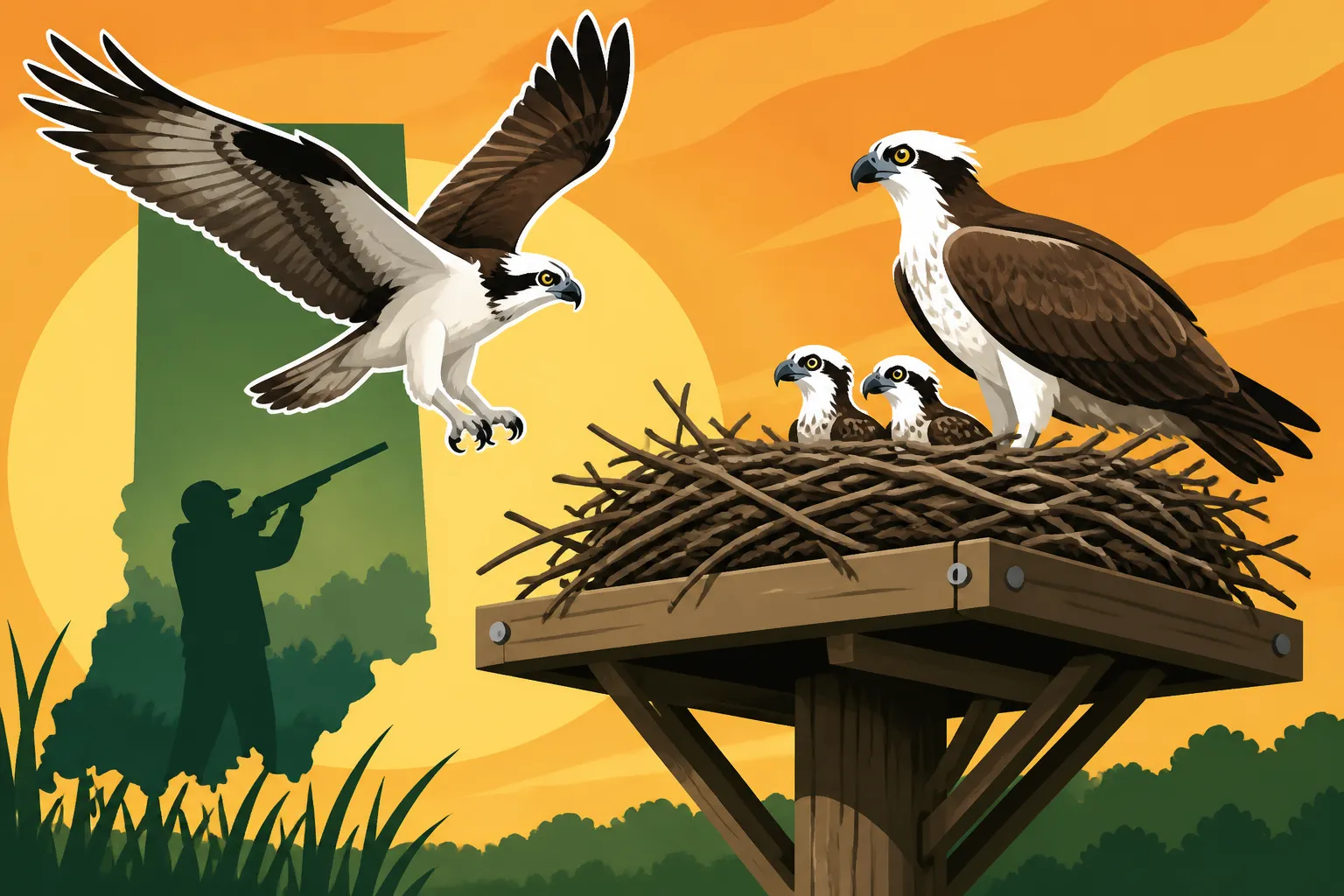
The reintroduction program wasn't just about bringing birds in; it was about creating the conditions for them to thrive. This meant protecting wetlands, improving water quality, and perhaps most importantly for ospreys, providing safe places to nest. Ospreys are unique in their nesting habits, preferring large, open structures often near water. Historically, they might have used the tops of dead snags or large trees. But with those disappearing, and with a need to accelerate their return, artificial nesting platforms became a cornerstone of the recovery strategy. These platforms offer a safe, elevated site, free from many ground predators and human disturbance, giving young ospreys a fighting chance. Think of it as giving them a leg up, a stable foundation from which to rebuild their presence in the state. Indiana Wildlife Rehabilitation for Injured Game is another important part of broader conservation efforts, ensuring individual birds get a second chance when nature throws them a curveball.
Why Nesting Platforms Are Crucial for Osprey Success
Nesting platforms aren't just a convenience; they are often a critical component of osprey management and recovery, especially in areas where natural nesting sites are scarce or vulnerable. Ospreys are incredibly loyal to their nesting sites, often returning to the same platform year after year, and once a pair establishes a territory, they'll defend it vigorously.
Overcoming Natural and Human-Made Challenges
One of the biggest natural challenges ospreys face is finding a sturdy, high place to nest that is also secure from predators like raccoons, snakes, and even larger birds. Platforms address this by providing a structure specifically designed to be robust and difficult for many predators to access. From a human-made perspective, power lines and communication towers, while offering height, pose significant electrocution risks for large raptors. Platforms provide a safer alternative, strategically placed away from these hazards.
Moreover, platforms can direct nesting activity to less intrusive areas, reducing conflicts with human development or recreational activities. Imagine a pair of ospreys trying to nest on a boat hoist or a light pole at a busy marina – it's just not ideal for anyone. Purpose-built platforms mitigate these issues, allowing both ospreys and people to coexist more peacefully. It's about proactive habitat management, recognizing the specific needs of a species and meeting them head-on. Many conservation groups and even local citizens utilize tools like GoHunt to scout potential platform locations, looking for prime fishing spots with good sightlines and minimal disturbance, making their efforts more efficient.
The Power of Elevated, Secure Nesting Sites
Ospreys prefer an unobstructed view of their fishing grounds, and a tall platform delivers just that. This elevated vantage point allows them to spot fish from a greater distance, making their hunting more efficient. A secure platform, often equipped with predator guards or placed in locations difficult for ground predators to reach, means higher nesting success rates. More successful nests mean more fledglings, which directly contributes to population growth.
Here’s a quick comparison of nesting site types:
| Nesting Site Type | Pros | Cons |
|---|---|---|
| Natural Tree Snag | Natural, aesthetically pleasing | Can be unstable, vulnerable to wind/weather, predator access |
| Power Pole | High elevation, often available | High risk of electrocution, can cause power outages |
| Communication Tower | Very high, durable | Can be disturbed by human activity, electrocution risk |
| Dedicated Platform | Designed for safety, stability, predator resistance | Requires construction and installation |
| Ground Nest (Rare) | No climbing needed | Extremely vulnerable to predators and disturbance |
These platforms essentially replicate the ideal conditions ospreys seek in nature, but with added resilience and safety features. They're a long-term investment in the future of Indiana's osprey population.
Designing and Constructing an Effective Osprey Platform
Building an osprey nesting platform isn't just about sticking a pole in the ground and hoping for the best. It requires thoughtful design, durable materials, and an understanding of osprey behavior to ensure it's not only safe but also appealing to these magnificent birds. The goal is to create a structure that will last for decades and provide a reliable home.
Key Design Principles
An ideal osprey platform needs to be:
- Tall: Typically, platforms should be at least 20 feet high, often taller, to provide the birds with a commanding view and deter most ground predators. The exact height might vary depending on the surrounding landscape and vegetation, but "the higher, the better" is often a good rule of thumb.
- Sturdy: These platforms must withstand strong winds, heavy snow, and the weight of a large nest (which can be quite substantial, growing year after year) and multiple adult birds and their young. This means robust poles and strong crossbeams.
- Spacious: The actual nesting platform area should be generous, usually around 3-4 feet square, providing ample space for a large nest and for young ospreys to grow and fledge safely.
- Well-Drained: A solid, flat base is crucial, but it also needs to allow water to drain away quickly to prevent the nest from becoming waterlogged. Sometimes a slight crown or small drainage holes are incorporated into the platform base.
The materials chosen are paramount. Treated lumber, galvanized steel, or even composite materials are often preferred for their longevity and resistance to rot and rust. Consider consulting with Indiana DNR guidelines or experienced wildlife rehabilitation centers for current best practices when planning your own installation. Indiana Wildlife Disease Monitoring programs also often keep an eye on these recovering populations, making sure the efforts are truly benefiting the birds.
Step-by-Step Construction Guide
While specific designs can vary, a common platform consists of a large, sturdy pole (often utility-grade wooden poles or heavy-gauge steel pipes) deeply set into the ground.
- Select the Pole: A treated wooden utility pole, often 30-40 feet long, is a common choice. Steel poles are also excellent but require specialized equipment for installation.
- Digging the Hole: A hole at least 4-6 feet deep is necessary to secure the pole. If using a wooden pole, it's often recommended to place gravel at the bottom for drainage before setting the pole.
- Erecting the Pole: This is typically the most challenging part and often requires heavy equipment like a boom truck or an auger truck. Safety is paramount during this step.
- Attaching the Platform Base: Once the pole is securely upright, a square platform (e.g., 4'x4') made of treated lumber or a metal grate is bolted or welded to the top of the pole. A small lip or side rails (a few inches high) can help contain the nesting material.
- Adding Nesting Material: To encourage ospreys to use the platform, it's common practice to add some "starter" nesting material, such as sticks and branches, to make it look more appealing and ready for occupancy. This can save the birds a lot of initial effort. Many enthusiasts share their observations on platforms and successful nests on platforms, sometimes even marking them on mapping tools like GoHunt to track their spread.
Remember, this is a significant undertaking, and it's often best done in collaboration with local wildlife experts or experienced contractors.
Strategic Placement and Long-Term Maintenance
Building a platform is only half the battle; ensuring it's placed in an optimal location and properly maintained is key to its long-term success in supporting Indiana's osprey population. Ospreys are incredibly sensitive to disturbance, especially during nesting, so careful planning for accessibility (or lack thereof) is crucial.
Ideal Locations for Osprey Platforms
The best locations for osprey nesting platforms share several characteristics:
- Proximity to Water: Ospreys are fish-eaters, so platforms must be within easy flying distance of abundant, clear water sources like lakes, large rivers, reservoirs, or major wetlands. If they have to fly too far to hunt, the platform becomes less desirable. Hunting the Wabash River Bottoms or Waterfowl Hunting the Kankakee Marshes are areas where you might find suitable habitats.
- Open Sightlines: Ospreys prefer an unobstructed view in all directions from their nest. This helps them spot both prey and potential threats. Avoid areas heavily surrounded by tall trees that would block their view or flight paths.
- Minimizing Disturbance: While ospreys can tolerate some human activity, excessive noise, heavy boat traffic, or frequent human presence directly under or near the platform can cause them to abandon a nest. Choose quieter areas where possible.
- Safety from Predators: The height of the platform helps, but additional measures like smooth, unclimable poles or predator guards (metal cones or sheets wrapped around the pole) can further deter climbing predators.
- Away from Power Lines: As mentioned earlier, keeping platforms a safe distance from active power lines is vital to prevent electrocution.
When considering a spot, using mapping tools like GoHunt can be incredibly helpful. You can analyze topography, water features, and even identify potential human access points to choose the most secluded and resource-rich areas. Scouting Indiana Public Land Before Season can involve looking for these prime osprey habitats as well, as healthy ecosystems often support diverse wildlife.
Ensuring Longevity Through Maintenance
Once a platform is installed and, hopefully, occupied, a hands-off approach is generally best during nesting season. However, periodic checks outside of the breeding season are important for long-term viability.
Annual Checks (Late Fall/Winter):
- Structural Integrity: Inspect the pole for signs of rot, cracks, or damage. Check that the platform itself is still securely attached and that all bolts or welds are sound. High winds or heavy ice can take a toll.
- Nesting Material Assessment: Ospreys will add to their nest each year, and over time, it can become quite large and heavy. If the nest is overflowing or seems unstable, some material can be carefully removed to create a solid base for the next season. However, avoid removing too much, as they appreciate an established foundation.
- Predator Guards: Ensure any predator guards are still intact and functioning.
Less Frequent Checks:
- Rust and Corrosion: For metal components, check for rust and address it with appropriate treatments or paint to prolong the life of the structure.
- Vegetation Management: Occasionally, nearby trees might grow to obstruct the osprey's preferred sightlines. Careful and selective pruning (always outside of nesting season and with appropriate permissions) might be necessary.
These simple maintenance steps ensure that these crucial nesting platforms continue to serve their purpose for many years, supporting the thriving return of Indiana's osprey population. Indiana Bald Eagle Recovery Near the Rivers is another fantastic success story that shows how dedicated conservation efforts, including habitat work, can bring back magnificent raptors. It's a testament to what we can achieve when we work together to protect our natural heritage.
Disclaimer
This article is for general informational purposes only and does not constitute professional advice. Laws, prices and regulations vary by location and change over time. Consult a qualified professional for guidance on your specific situation.