Indiana Bald Eagle Recovery Near the Rivers
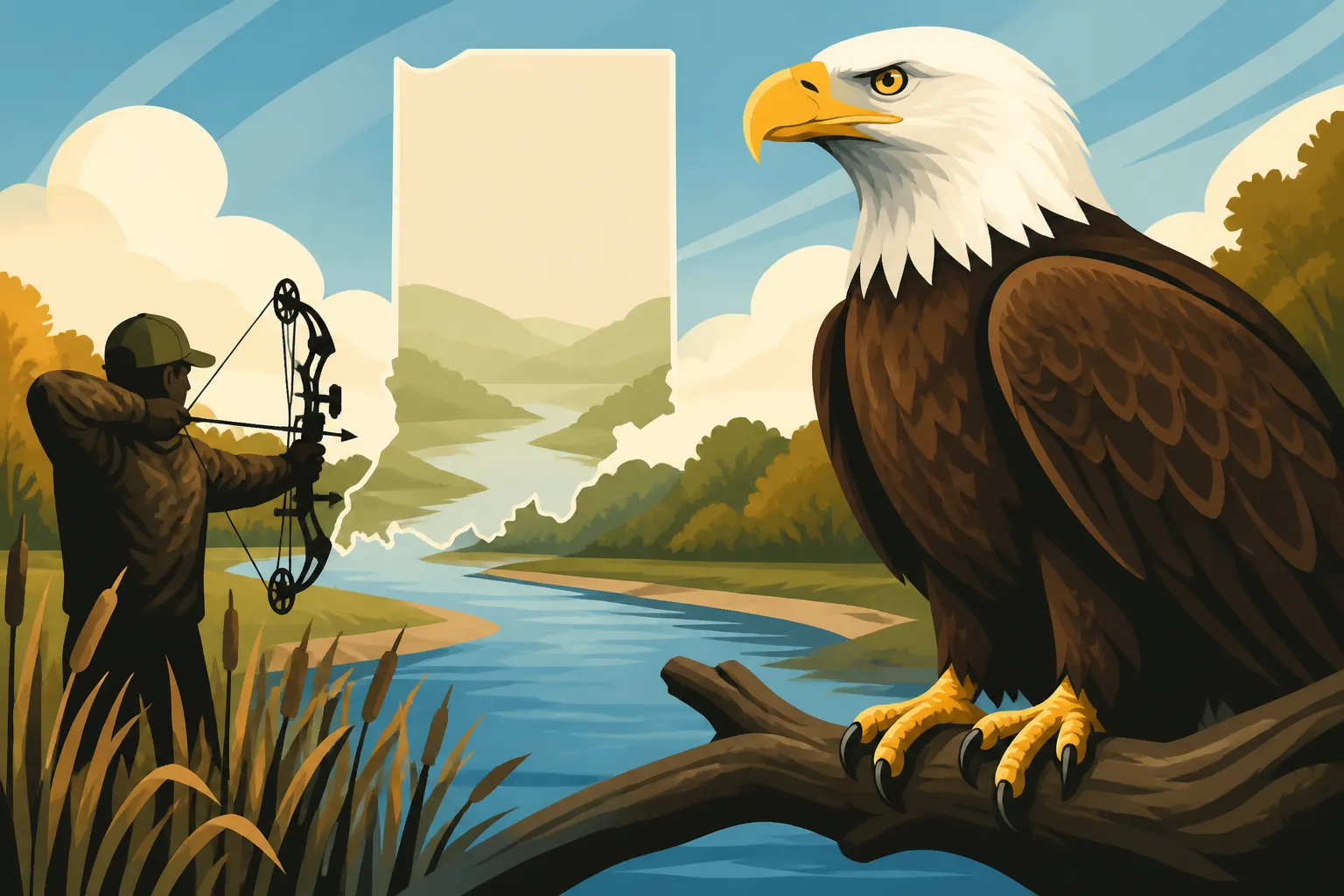
For decades, the idea of spotting a bald eagle soaring over an Indiana waterway felt like a distant dream, a whisper of what once was. Many of us grew up hearing stories of their near extinction, the result of widespread pesticide use and habitat destruction, leaving a void in our natural landscape. But something incredible has happened: these majestic birds are back, and their recovery along Indiana's rivers and lakes is a true testament to dedicated conservation efforts, offering a beacon of hope for our natural world. This guide will walk you through the journey of their return and where you can witness these magnificent creatures today.
The Silence Before the Soar: Why Eagles Vanished from Indiana
It's hard to imagine now, with their frequent sightings, but for a significant portion of the 20th century, bald eagles were virtually non-existent in Indiana. Their disappearance wasn't just a gradual fading; it was a precipitous decline driven by a confluence of environmental catastrophes and human impact. Understanding this history is crucial to appreciating the incredible comeback story.
The Devastating Impact of DDT
One of the primary culprits behind the bald eagle's dramatic decline, not just in Indiana but across North America, was the widespread use of the pesticide DDT. While initially celebrated for its effectiveness in controlling insect populations, its long-term effects on wildlife were catastrophic and unforeseen at the time. When eagles consumed prey that had ingested DDT, the chemical accumulated in their bodies, particularly in their fat reserves.
This bioaccumulation had a devastating effect on their reproductive success. The DDT interfered with calcium metabolism, causing eagle eggshells to become incredibly thin and fragile. When the adult eagles sat on their nests to incubate, the shells would often crack under their weight, destroying the developing embryo within. Imagine the heartbreak of a pair of eagles, diligently building a nest and laying eggs, only to have every single clutch fail year after year. This silent killer effectively halted reproduction, leading to an aging population with no new generations to take their place, pushing them closer and closer to extinction.
Habitat Loss and Historical Persecution
Beyond chemical poisoning, bald eagles faced relentless pressure from habitat loss and direct persecution. As Indiana developed, vast tracts of old-growth forests, which provided crucial nesting sites in tall, mature trees, were cleared for agriculture, timber, and urban expansion. Eagles need undisturbed areas with large trees near ample water sources for both nesting and hunting. Losing these critical habitats meant fewer suitable places for them to live, raise young, and find food.
Furthermore, eagles were often seen as competitors by farmers and fishermen. In earlier times, before a greater understanding of their ecological role, they were frequently shot. Misconceptions about their diet, believing they solely preyed on livestock or game fish, led to bounties in some areas and widespread killing. This direct human impact, combined with the destruction of their natural homes, meant that by the mid-20th century, the regal bald eagle had almost entirely vanished from the skies over Indiana, leaving a significant gap in our state's wildlife.
A Feathered Phoenix: How Conservation Brought Eagles Back
The story of the bald eagle's return to Indiana is one of hope and the power of concerted conservation efforts. It wasn't an accident; it was a deliberate, long-term project involving dedicated scientists, wildlife managers, and the public. This turnaround demonstrates what can be achieved when we commit to rectifying past environmental mistakes.
The DDT Ban and Federal Protections
The turning point for bald eagles nationwide came with the ban of DDT in the United States in 1972. This crucial legislative action, driven by growing environmental awareness and scientific evidence, removed the primary chemical culprit that was crippling their reproductive success. It took time for the residual DDT to dissipate from the environment, but once it did, eagle populations slowly began to show signs of recovery across the country.
In addition to the DDT ban, bald eagles received critical protection under the Endangered Species Act in 1973, elevating their status to a federally protected species. This designation made it illegal to harm, harass, or disturb eagles, their nests, or their eggs. It also mandated habitat protection and recovery plans. For Indiana, these federal actions provided the necessary foundation for local conservationists to begin the arduous work of bringing eagles back. These protections, combined with a changing public perception, meant that eagles could once again attempt to nest without the constant threat of persecution.
Indiana's Hacking Program and Reintroduction Efforts
While federal protections were essential, Indiana took proactive steps to reintroduce bald eagles directly into the state through a program known as "hacking." This involved taking young eagle chicks, typically 6-8 weeks old, from healthy populations in states like Alaska and Wisconsin, and raising them in large, specially designed towers at secure locations in Indiana, such as the Lake Monroe area. The chicks were fed and monitored by humans from a distance, minimizing contact to prevent habituation.
The goal of hacking was to allow the young eagles to fledge naturally from these towers, imprinting on Indiana as their home territory. Once they could fly, the towers were opened, and the eagles were free to explore and hunt, while still receiving supplemental food until they were fully independent. This process aimed to establish a breeding population by essentially "teaching" young eagles that Indiana was a suitable place to live and eventually nest. Over several years, from the mid-1980s through the early 1990s, dozens of eagles were successfully hacked, and many of these birds returned years later as adults to establish nests of their own, particularly along the Wabash River Valley and other major waterways. This intensive effort was a game-changer, jumpstarting the population and laying the groundwork for the thriving numbers we see today.
Prime Riverine Habitats: Where Eagles Call Indiana Home Today
The bald eagle's recovery in Indiana is most evident along our state's rich network of rivers and large bodies of water. These areas provide the perfect blend of essential resources: abundant food, towering trees for nesting, and undisturbed stretches where they can thrive. If you're hoping to catch a glimpse of these magnificent birds, these watery corridors are your best bet.
The Wabash, White, and Kankakee Rivers
Indiana's largest rivers, the Wabash, White, and Kankakee, are truly the backbone of the state's bald eagle population. These rivers offer extensive stretches of riparian habitat—the lush vegetation and mature trees lining their banks—which are absolutely critical for eagle nesting and roosting. Eagles prefer tall, sturdy trees with clear sightlines to the water, allowing them to spot fish and other prey with ease. The winding courses of these rivers also create numerous oxbows, backwaters, and sloughs that are rich in fish, waterfowl, and other small game, providing a consistent food supply.
Imagine floating down the Wabash River in late winter or early spring; you're very likely to see an eagle perched majestically in a sycamore tree overlooking the water, or soaring high overhead, scanning for its next meal. The Hunting the Wabash River Bottoms areas, for instance, are not just great for deer but also fantastic eagle habitat due to the diverse ecosystem the river supports. The wide, unencumbered floodplains provide ample space for hunting, and the consistent flow of water ensures open fishing grounds even during colder months. These large river systems act as natural superhighways for wildlife, and eagles have taken full advantage.
Reservoirs, Lakes, and Fish and Wildlife Areas
Beyond the major rivers, Indiana's numerous reservoirs, large natural lakes, and state Fish and Wildlife Areas (FWAs) have also become hotspots for bald eagle activity. Lakes such as Monroe, Patoka, Salamonie, and Brookville, with their vast expanses of open water and surrounding protected lands, offer ideal conditions. These larger bodies of water are typically managed for fishing and recreation, which often translates to healthy fish populations—the primary food source for eagles. Many of these lakes also feature significant stands of mature timber around their perimeters, providing those all-important nesting and perching sites.
State-managed lands like the Indiana Fish and Wildlife Areas are particularly important. These areas are specifically designed to conserve wildlife habitat, often including significant wetland and forested zones adjacent to water. Take, for example, Muscatatuck National Wildlife Refuge or Patoka River National Wildlife Refuge, both renowned for their waterfowl and, consequently, their eagles. These sites offer refuge from human disturbance, critical for sensitive nesting eagles, and provide a diverse array of prey from fish to muskrats and waterfowl. For anyone using an app like GoHunt to scout public lands, overlaying water features on a topographical map can quickly reveal prime eagle habitat, often in areas already managed for wildlife.
Here's a quick look at some key river systems and water bodies important for eagle recovery:
| River/Water Body | Key Features for Eagles | Typical Prey Sources | Best Viewing Times |
|---|---|---|---|
| Wabash River | Extensive riparian forests, oxbow lakes, diverse aquatic life, mature trees for nesting. | Fish (catfish, carp), waterfowl, small mammals. | Winter (congregations), Spring (nesting). |
| White River | Large floodplain, numerous tributaries, protected sections, abundant fish. | Fish (various species), amphibians, carrion. | Year-round, especially visible in leafless trees. |
| Kankakee River | Wetland complexes, marshlands, Hunting the Kankakee River Marsh Waterfowl, major migratory bird flyway. | Waterfowl (ducks, geese), fish, muskrats. | Fall/Winter (migration & hunting), Spring (nesting). |
| Lake Monroe | Large reservoir, deep coves, extensive public land, high fish populations. | Fish (bass, crappie, bluegill), gulls. | Year-round, often seen near dam and large coves. |
| Patoka Lake | Reservoir in southern hills, forested shoreline, designated wildlife refuge areas, good fish and waterfowl. | Fish, various waterfowl species, small mammals. | Year-round, known nesting hot spot. |
The Broader Meaning: Eagles as an Environmental Bellwether
The return of the bald eagle to Indiana is more than just a heartwarming story of a single species' comeback; it's a powerful indicator of broader environmental health and the success of long-term conservation strategies. Their presence serves as a constant reminder of our ability to recover from past ecological damage and the ongoing need for vigilance.
A Symbol of Ecosystem Health
Bald eagles sit at the top of the food chain, making them excellent bellwethers for the health of an entire ecosystem. Their thriving presence tells us that the aquatic environments they depend on—our rivers, lakes, and wetlands—are improving. It means that fish populations are robust enough to support them, and the water quality is good enough to prevent harmful bioaccumulation of toxins like the DDT that once decimated them. The presence of eagles signals a healthy food web, from the smallest invertebrates that feed the fish, all the way up to these majestic raptors.
Consider the parallel with the Indiana River Otter Recovery. Both species require clean water and healthy aquatic prey bases to survive. Their resurgence suggests a positive trend in water quality and habitat management efforts across the state. When you see an eagle soaring, it's not just a beautiful sight; it's confirmation that years of effort—from pollution control to habitat restoration—are paying off, and that our natural resources are becoming more resilient. It gives us a reason to believe that even species facing significant challenges, like the Indiana Bobwhite Quail Decline, might one day see their own resurgence with dedicated efforts.
Challenges and Continued Stewardship
While the comeback is undeniable, it doesn't mean the work is done. Bald eagles, like all wildlife, continue to face challenges. Habitat encroachment, lead poisoning from ingesting bullet fragments or fishing tackle, and the ever-present threat of new environmental contaminants are ongoing concerns. The increasing human presence around popular eagle nesting sites requires careful management to ensure minimal disturbance, especially during critical nesting and fledgling periods.
Continued stewardship is vital. This includes ongoing monitoring of eagle populations, protecting and restoring riparian habitats, and educating the public on responsible outdoor practices. Organizations and state agencies use tools and data, sometimes gathered with the help of platforms like GoHunt, to understand wildlife movements, habitat use, and potential threats. Every effort to maintain clean waters, protect forests, and manage wildlife corridors contributes to the long-term success of the bald eagle and countless other species in Indiana. Their recovery is a powerful story of resilience, reminding us that with sustained effort and a collective will, even the most dire environmental situations can be turned around, allowing future generations to witness the unparalleled majesty of an eagle over Indiana's wild waters.
Disclaimer
This article is for general informational purposes only and does not constitute professional advice. Laws, prices and regulations vary by location and change over time. Consult a qualified professional for guidance on your specific situation.