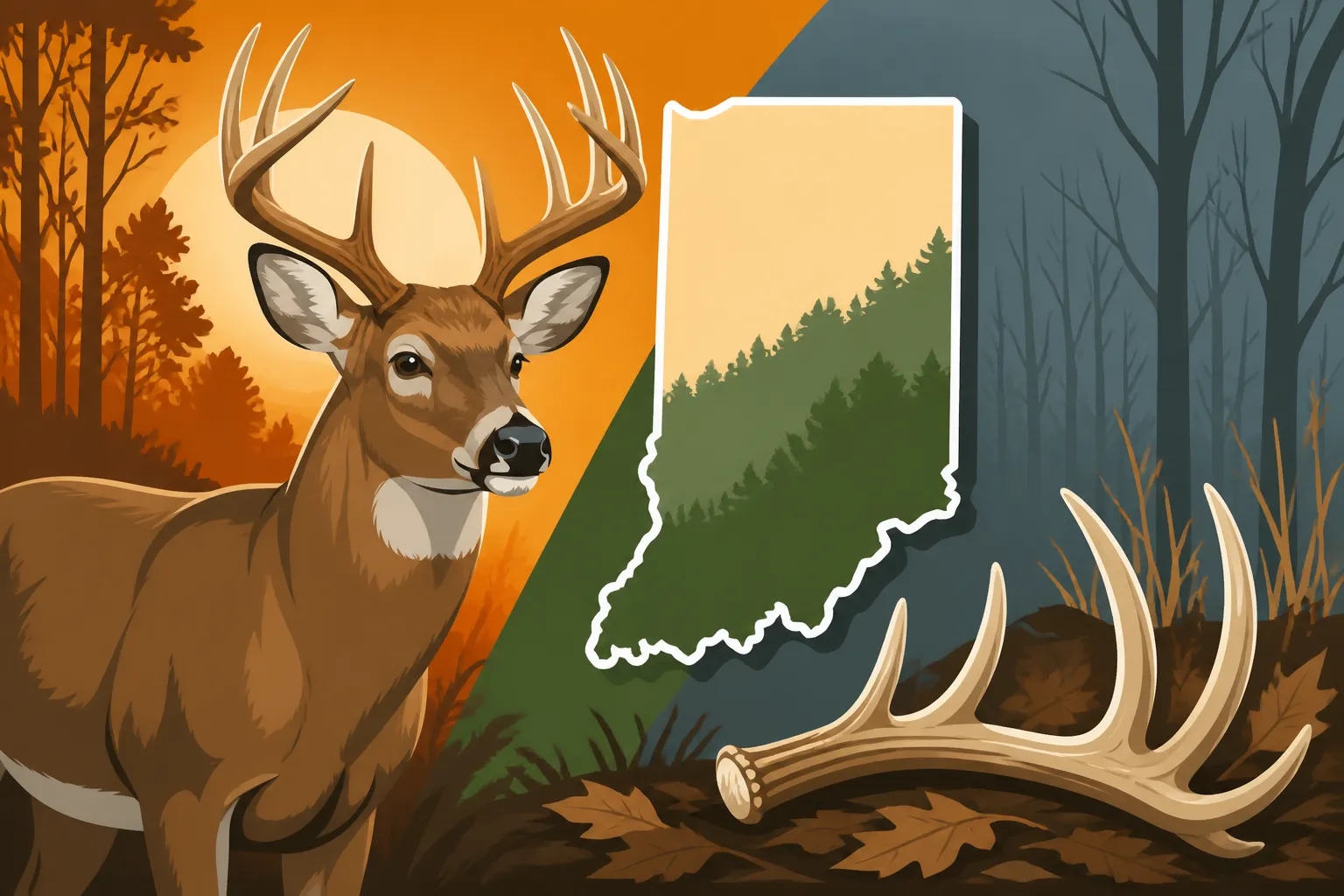
When Indiana Bucks Shed Antlers
One of the most frustrating things for an Indiana hunter, especially after a long deer season, is wondering when exactly those prized antlers are going to hit the ground. You've spent months watching these bucks, maybe even passed on a few, and now you want to find those shed antlers as a tangible memory and a clue for next season. But bucks don't all shed on the same day, and hitting the woods too early or too late can mean missing out. This guide will help you understand the antler shedding cycle in Indiana, so you can time your shed hunting trips perfectly and increase your chances of finding those elusive treasures.
The Science Behind Antler Shedding in Indiana
Antler shedding isn't some random event; it's a finely tuned biological process driven by hormones and environmental cues. Understanding this underlying science can give you a significant edge when trying to predict when and where you might find sheds on your own hunting grounds, whether it's public land or a private woodlot.
Hormonal Triggers and Seasonal Changes
The entire cycle of antler growth, hardening, and shedding is orchestrated by a buck's hormonal balance, primarily testosterone. During the peak of the rut, roughly in early November here in Indiana, testosterone levels are at their highest. This hormone fuels their aggression, their drive to breed, and it also maintains the connection between the antler and the pedicle (the bony base on the skull from which antlers grow).
Once the rut winds down, typically in late November and into December, the daylight hours shorten, and the breeding activity decreases. This reduction in activity, combined with decreasing photoperiod (the amount of daylight), signals the buck's body to start reducing testosterone production. As testosterone levels fall, a specialized layer of cells forms at the pedicle-antler junction. This layer begins to reabsorb calcium, weakening the connection until the antler eventually detaches and falls off. It’s a natural reset, preparing the buck for a new cycle of growth in the spring.
Factors Influencing Individual Buck Drop Times
While the general timeframe for antler shedding in Indiana is fairly consistent, you’ll quickly notice that not all bucks drop their antlers at the exact same moment. There's a range, and several factors contribute to this variability.
Firstly, a buck's overall health and nutritional status play a huge role. Bucks that went into the rut in excellent condition, with plenty of fat reserves and access to quality forage, often retain their antlers longer. Conversely, a buck that had a particularly stressful rut, perhaps due to intense fighting, injury, or poor food availability, might shed earlier. Think of a young buck that ran himself ragged trying to compete with bigger, more dominant deer – he might drop his sheds a few weeks before an older, healthier stud.
Age is another significant factor. Younger bucks, particularly yearlings, sometimes shed earlier than mature bucks. This isn't a hard and fast rule, but it's a common trend. Older bucks often hold their antlers a bit longer, perhaps because their hormonal systems are more robust or their overall body condition allows it.
Finally, environmental stress can also influence shedding. A brutal cold snap or an extended period of deep snow and ice that makes food scarce can cause bucks to shed earlier than they might otherwise. Their bodies prioritize survival and energy conservation, and carrying those heavy antlers is an energy drain. If you've had a particularly harsh winter in your region, you might expect an earlier drop. For those looking for clues about deer health, the timing of sheds can tell you a lot about the past season and what to expect from the deer herd, much like EHD Die-Offs in Indiana Deer.
Typical Antler Drop Timeline in Indiana
Knowing when to start your search is half the battle. While Mother Nature always throws a curveball or two, there's a predictable window for antler drop here in the Hoosier state.
Early Drops: The Anomalies
It’s not unheard of to hear of someone finding an antler in late December or very early January. These are generally the exceptions, not the rule. These early shed incidents are often associated with bucks that are either very young, very old, or have experienced significant physical stress or injury during the rut. A buck that broke a leg, suffered a severe gash, or simply pushed himself to the absolute limit during the breeding season might begin shedding sooner as his body diverts energy to recovery.
While it's exciting to find one early, don't get discouraged if you're not finding them in December. Most bucks are still carrying their headgear at this point. If you’re out Hunting the Late-Season January Lull for a doe or a late-season buck, keep your eyes peeled, but understand that the vast majority are still rocking their racks.
Peak Shedding Period: When to Hit the Woods
For most of Indiana, the peak shedding period typically falls between mid-January and late February. This is the sweet spot when the highest percentage of bucks will have dropped at least one, if not both, of their antlers. The exact timing can shift a bit from year to year depending on the severity of the winter, the intensity of the previous rut, and the overall health of the local deer herd, which you can often infer from the Indiana Deer Population Estimate reports.
If you only have a few days to dedicate to shed hunting, this mid-January to late-February window is when you want to be out there. It’s when you’re most likely to stumble across a fresh drop. By late January, a good number of Indiana bucks have shed, and by mid-February, most are done. Knowing this timeframe is critical for serious shed hunters. If you're using a tool like GoHunt to scout and mark potential areas, mark this window on your calendar.
Late Shedders: Why Some Bucks Hold On
Just as some bucks shed early, others are notorious for holding onto their antlers well into March, and sometimes even into April. These late-shedding bucks are often incredibly healthy, dominant animals that didn’t experience much stress during the rut. They might have superior genetics, access to abundant, high-quality food sources, or simply a robust hormonal system that keeps those antlers attached longer.
Finding sheds from these late-droppers can be a real challenge because by March, new growth might already be starting to appear, or spring green-up begins to make visibility tougher. If you're still finding sheds in March, you're likely on the trail of a truly impressive animal that was in peak condition. These late finds are excellent indicators of the health and potential of the local buck population, giving you valuable insights into the Indiana Buck Age Structure in your area.
Maximizing Your Chances: When and Where to Look for Sheds
Finding shed antlers isn't just about walking around hoping for the best; it's a strategic endeavor. By focusing your efforts on the right timing and the right types of terrain, you can dramatically increase your success rate.
Timing Your Walks for Optimal Success
Once you know the general shedding window, timing your specific walks becomes crucial. Here’s a little secret: don’t rush out the very first warm day in January. While a few might drop, you want to wait until a significant portion of the herd has shed. This usually means waiting until that mid-January to mid-February window. Why? Because the longer you wait (within reason), the more sheds will be on the ground.
However, don't wait too long. By mid-March, the spring green-up starts to kick in. Grasses begin to grow, briars leaf out, and any sheds that dropped earlier become much harder to spot. Additionally, squirrels, mice, and other rodents love to chew on antlers for their calcium and phosphorus content. A shed left on the ground too long might be gnawed beyond recognition. I like to hit my prime spots a few times during that peak window, perhaps once in late January and again in mid-February, before the true spring surge. If you've been doing some Scouting Indiana Public Land Before Season, you'll have a good idea of where bucks are bedding and feeding, which will help with timing your walks.
Prime Shed Hunting Locations in Indiana
Just like hunting deer, shed hunting is all about finding where deer spend their time. After the rut, bucks switch their focus entirely to survival: eating, resting, and conserving energy. This means concentrating your efforts on specific types of terrain and habitat.
- Bedding Areas: These are paramount. Bucks spend a huge chunk of their day bedded down, especially when they're trying to recover from the rut and conserve energy during cold weather. Look for thick cover – cedar thickets, brushy creek bottoms, south-facing slopes with dense saplings that get good sun exposure, or even standing corn or bean fields that offer cover. Bucks often shake their heads when getting up from a bed, dislodging a loose antler right there. Knowing Where Hoosier National Forest Bucks Bed is invaluable for this.
- Food Sources: Deer have to eat, even in winter. Focus on any remaining reliable food sources. This could be standing corn or bean fields, untouched food plots, browse lines in clear-cuts, or areas with persistent acorns if it was a good mast year. When bucks drop their heads to feed, an antler can easily come loose. Concentrate on the edges of these food sources and the trails leading directly into them. Look for Late-Season Food Sources for Indiana Whitetails.
- Travel Corridors and Funnels: Deer use the path of least resistance. Look for trails connecting bedding to feeding areas, especially those that force deer through a pinch point like a narrow strip of woods, a fence line, or a creek crossing. Jumping over an obstacle or jarring their head can dislodge a loose antler. These are excellent places to find sheds as deer move along their daily routes.
- Fence Lines and Creek Crossings: These are physical obstacles that can literally knock an antler off a buck's head. Imagine a buck jumping a fence or slipping while crossing a frozen creek – the impact or sudden head movement can be enough to make a ready-to-drop antler fall. Pay close attention to both sides of fence lines and the banks of creeks or ditches.
- South-Facing Slopes: During cold Indiana winters, bucks seek out warmth. South-facing slopes receive more direct sunlight, making them warmer and often melting snow quicker. These areas often have bedding cover and are prime spots for bucks to rest and soak up some sun, increasing the chances of finding sheds there.
When you're out there, really pay attention to the little details. Use a mapping app like GoHunt to mark any rubs, scrapes (even old ones from the fall), or heavy trails you find. These are all clues about deer movement and where a buck might have spent his time.
Tools and Techniques for a Successful Shed Season
Beyond just knowing when and where to look, having the right approach and some handy tools can make a huge difference in your shed hunting success.
- Patience and Persistence: This is the most important tool. Shed hunting can be a marathon, not a sprint. You might walk for miles and find nothing, then stumble upon two in twenty yards. Don't get discouraged! Consistency pays off.
- Grid Search or Systematic Walks: Instead of just wandering, try to walk in a grid pattern or systematically cover an area. This ensures you don't miss sections and increases your coverage. If you have multiple people, spread out and communicate.
- Elevated Vantage Points: Utilize any high ground available. Before walking into a thick bedding area, scan it from a ridge or hilltop with good binoculars. Antlers, even brown ones, can sometimes stand out against the drab winter woods, especially after you’ve learned to hone your eyes for finding subtle shapes. Optics can also help you with Reading Aerial Photos for Southern Indiana Deer to identify these vantage points.
- Binoculars: Don't just look at your feet. Scan ahead, especially in thicker cover, with a good pair of binoculars. A shed antler can look like a stick or a branch from afar, but a quick scan can reveal its true identity. This saves you countless steps and prevents you from walking past a shed.
- Dogs: If you have a well-trained dog, especially a retriever or a breed known for its nose, they can be incredible shed hunting partners. There are even specific shed dog training programs. A dog's nose can find antlers buried under leaves or snow that your eyes would never spot.
- Trail Cameras: Set up trail cameras on key travel routes or food sources after deer season, but before you expect peak shedding. Seeing bucks on camera still holding their antlers will give you a better idea of when to start your serious shed hunting. If you capture a buck on camera that suddenly disappears from the area, it might be a sign he’s dropped. You can also use them for Finding Sign in Big Hoosier Forest Timber.
- Look for Both Sides: When you find one shed, slow down and meticulously search the immediate area. Bucks often drop both antlers within close proximity, sometimes within a few yards, sometimes within a few hundred. Once a buck drops one, the sudden imbalance can cause the other to fall soon after. Spend extra time grid-searching the spot where you found the first.
Remember, finding sheds is also a fantastic way to do some off-season scouting. You're learning deer travel patterns, identifying new bedding areas, and getting a sense of the health of the local herd. Every shed found is a piece of the puzzle for next season.
Beyond the Shed: Understanding Deer Behavior Post-Rut
The period immediately following the rut and leading into the shedding season is a critical time for Indiana bucks. Their behavior shifts dramatically, and understanding these changes can further inform your shed hunting efforts and provide valuable insights for future hunting seasons.
Why Bucks Shed and What Happens Next
The shedding of antlers is more than just a seasonal event; it's an evolutionary strategy. Antlers are metabolically expensive to grow and carry. Once their purpose for the rut (dominance, defense, attracting does) is served, carrying them becomes a burden, especially when food is scarce and energy conservation is paramount. Shedding allows bucks to redirect valuable nutrients and energy towards body maintenance and recovery from the exhaustive rut.
After shedding, bucks often form bachelor groups again, much like they did in the summer. These groups, often composed of bucks of varying ages, will seek out the best available winter food sources and bedding cover. They'll spend their days regaining weight and strength, preparing for the next antler growth cycle. This post-shed behavior is important because if you find a bachelor group of shed bucks, you know you’re in a core wintering area, which could be gold for shed hunting and scouting for next year. Look for groups of bucks Hunting Deer After a January Cold Front to understand their winter patterns.
The Importance of Post-Season Scouting
Shed hunting isn't just about collecting bone; it's one of the best forms of post-season scouting you can do. Every shed you find tells a story. It tells you a buck survived the season, gives you an idea of his antler genetics, and, most importantly, reveals where he was spending his time during a critical period of the year.
By analyzing the locations where you find sheds, you can identify winter food sources that are attracting deer, pinpoint crucial bedding areas, and confirm travel routes that might be overlooked during the hustle and bustle of deer season. You're essentially walking the deer's highway and finding tangible evidence of their presence. Using tools like GoHunt or similar mapping apps to mark every shed location, every rub, and every piece of sign you find is paramount. Over time, these data points will paint a clear picture of deer movement patterns on your property or public hunting areas like the Hoosier National Forest Hunting. This invaluable information helps you plan your stand setups, predict movement during next year's rut, and ultimately become a more successful hunter. It's all part of the continuous learning process that makes hunting such a rewarding endeavor, helping you with Finding Ground Others Walk Past in the off-season.
Disclaimer
This article is for general informational purposes only and does not constitute professional advice. Laws, prices and regulations vary by location and change over time. Consult a qualified professional for guidance on your specific situation.