EHD Die-Offs in Indiana Deer
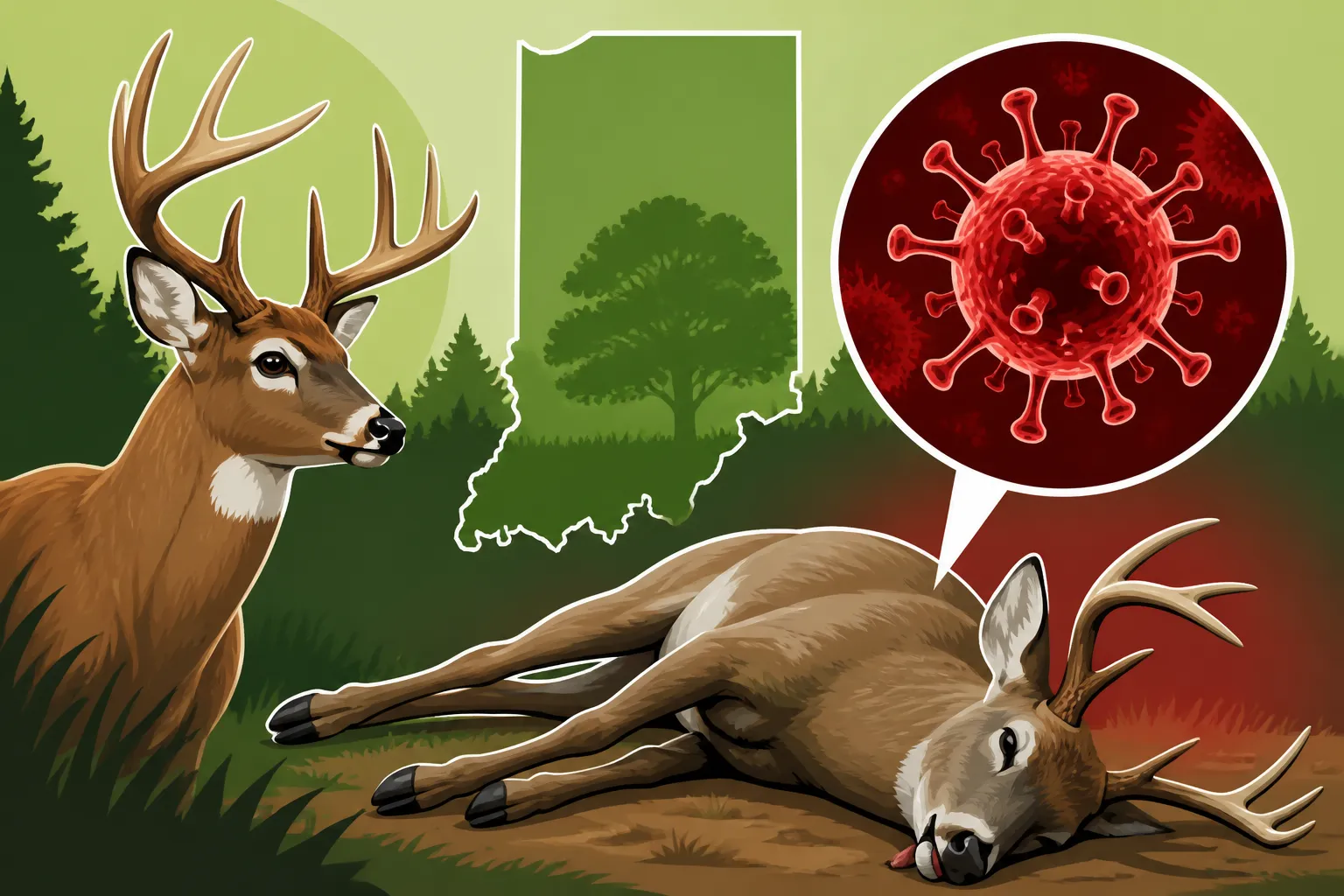
There's nothing quite as disheartening for an Indiana deer hunter as heading into the woods, full of anticipation, only to discover signs of a significant deer die-off. When you find multiple deceased deer, or deer acting strangely, it's a gut punch, and often the culprit is Epizootic Hemorrhagic Disease, or EHD. This guide is here to walk you through what EHD is, how it typically affects our Hoosier deer herds, and what you, as a responsible hunter, can do when it strikes.
Understanding Epizootic Hemorrhagic Disease (EHD)
EHD isn't just a scary acronym; it's a real and recurring challenge for white-tailed deer populations, including right here in Indiana. It’s a viral disease, and while it doesn't pose a threat to humans, it can be devastating for deer, leading to widespread mortality in affected areas.
What Causes EHD and How Does It Spread?
The culprit behind EHD is a virus, specifically from the genus Orbivirus, and it's transmitted by tiny, biting midges, often called "no-see-ums" or "gnats" (scientific name Culicoides sonorensis). These little insects pick up the virus from an infected deer and then transmit it to healthy deer when they take their next blood meal. It’s a seasonal disease because these midges thrive in warm, humid conditions. You'll typically see outbreaks peak in late summer and early fall, usually from August through October, until the first hard frost kills off the midge population. Without those insect vectors, the spread of the disease grinds to a halt for the year.
The transmission cycle is straightforward: an infected midge bites a deer, passing on the virus. That deer then becomes a host, and if another midge bites it and then bites another deer, the cycle continues. It spreads pretty quickly through a local population once it gets going, especially in areas where deer density is high. This is why you often see localized outbreaks rather than a uniform spread across the entire state.
Recognizing the Symptoms of EHD in Deer
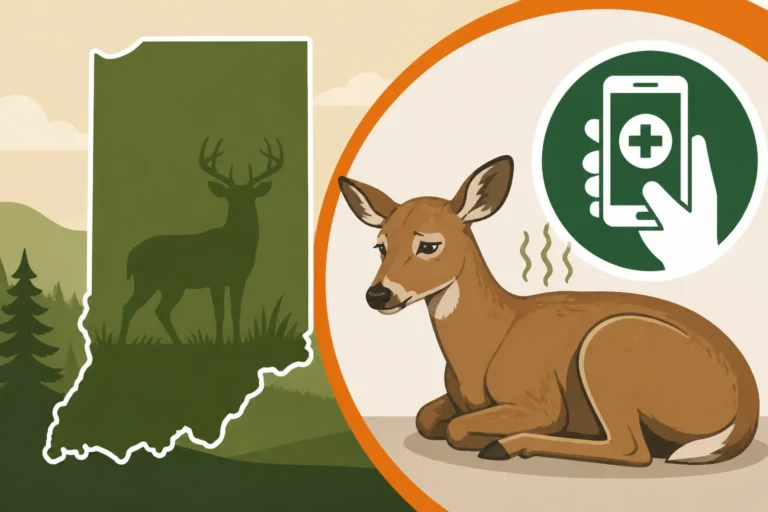
Spotting EHD-infected deer can be tricky, as symptoms can vary in severity. In its acute form, EHD can kill a deer within a day or two of symptom onset, often before you even notice anything is wrong. However, when you do see symptoms, they can be quite distinct. Common signs include deer that appear lethargic, disoriented, and unafraid of humans. They might walk in circles, stumble, or hold their head down.
One of the most telling signs is that deer often seek out water sources. They can develop a high fever, leading them to try and cool down in creeks, ponds, or even puddles. This is why you sometimes find deceased deer near water. Internally, the virus causes hemorrhages (bleeding), particularly in the heart, lungs, and intestines. The deer's tongue, eyes, and mouth might appear swollen and blue-tinged, and they can develop ulcers. The hooves might also show signs of cracking or sloughing in deer that survive the initial infection, as the disease impacts blood flow to the extremities.
Here's a quick reference for common EHD symptoms and their typical timeline:
| Symptom | Onset (Days Post-Infection) | Description |
|---|---|---|
| High Fever | 1-3 | Deer feels hot to the touch, often seeks water. |
| Lethargy & Weakness | 2-4 | Appears tired, struggles to move, may lie down frequently. |
| Swelling (Face, Neck, Tongue) | 3-5 | Visible puffiness around the head and neck, blue tongue. |
| Hemorrhages (Internal) | 3-7 | Bleeding in organs, not usually visible externally until necropsy. |
| Ulcers (Mouth, Digestive) | 4-7 | Lesions inside the mouth, can make eating painful. |
| Labored Breathing | 4-7 | Fast, shallow breaths. |
| Loss of Appetite | 3-7 | Not feeding, leading to rapid weight loss. |
| Hoof Lesions/Sloughing | Weeks-Months (for survivors) | Cracks or detachment of hooves in deer that recover from acute phase. |
| Death | 5-10 | Often sudden, frequently near water sources. |
How EHD Impacts Indiana Deer Herds
EHD is a natural part of the deer ecosystem in Indiana, and it's something our deer managers at the Indiana Department of Natural Resources (DNR) monitor closely. While it can be alarming to witness, it's also important to understand its place in the broader health of our White-Tailed Deer Across Indiana population.
Historical Outbreaks and Severity in Indiana
Indiana has experienced EHD outbreaks for decades. It's not a new phenomenon, but the severity and location of outbreaks can vary significantly year to year. Some years are relatively quiet, with only isolated cases, while other years see widespread mortality in certain regions. The hot, dry summers followed by mild, wet falls often create the perfect storm for midge populations to explode, leading to more significant outbreaks.
For example, certain regions might experience a particularly bad EHD year, leading to a noticeable dip in the Indiana Deer Population Estimate for that specific area the following season. Southern Indiana, with its varied terrain including river bottoms and numerous water sources, can be particularly susceptible. However, northern Indiana farmland deer can also be hit hard, especially in areas with numerous ponds and drainage ditches where midges can breed. The impact on Deer Density by Indiana Region can be significant, though usually localized.
Short-Term and Long-Term Effects on Deer Populations
In the short term, the most visible impact of EHD is the sudden death of deer. When an outbreak is severe, hunters might find multiple dead deer, particularly around water sources. This can lead to a significant, albeit localized, reduction in deer numbers. If you've been Scouting Indiana Public Land Before Season and suddenly notice fewer deer or see dead ones, EHD is likely the cause.
From a hunting perspective, this can be incredibly frustrating. Imagine putting in all that effort, using tools like GoHunt to analyze land features and historical deer movements, only to find the deer herd in your chosen area has been severely depleted. It can feel like your season is over before it even begins.
However, the long-term effects are generally less severe statewide. Deer populations are resilient. While a local herd might take a hit, recovery often happens relatively quickly. Deer that survive an EHD outbreak develop antibodies and are immune to that specific strain of the virus, at least for a period. Does that survive often breed successfully, and fawn crops help replenish the numbers. The DNR monitors Indiana Wildlife Disease Monitoring closely, and significant, widespread EHD events are factored into their management plans. Occasionally, a significant die-off might even lead to changes in local tag allocations or hunting pressure recommendations, but this is less common for EHD compared to a persistent threat like CWD.
What Hunters Should Know and Do
As hunters, we're often the first to notice changes in the deer population, and that includes signs of disease. Being informed and knowing what steps to take is crucial for both the health of the herd and our hunting pursuits.
Reporting Sick or Dead Deer
If you encounter a deer exhibiting EHD symptoms or find multiple dead deer, especially near water, it is absolutely vital to Reporting a Sick Animal in Indiana to the Indiana DNR. This isn't just a suggestion; it's a critical part of wildlife management. DNR biologists track these reports to monitor the extent and severity of outbreaks. Your report helps them understand where EHD is active and how intensely it’s affecting local populations.
You can typically report these sightings through the DNR's website or by contacting your district wildlife biologist. Be prepared to provide specific details: the exact location (GPS coordinates if possible), the number of deer, observed symptoms, and the condition of the carcass. If you're using a mapping app like GoHunt, marking the exact spot where you found the deer is incredibly helpful for your report and future scouting. Don't touch the deer unnecessarily, and definitely don't move a carcass unless instructed to do so by DNR personnel.
Hunting in Areas Affected by EHD
Discovering that your favorite hunting spot has been hit by EHD can be a real bummer. It's natural to feel conflicted about hunting in an area where deer have suffered. However, from a management perspective, hunting can still play a role. If a significant number of deer have died, the remaining deer may have less competition for Late-Season Food Sources for Indiana Whitetails, potentially leading to healthier individuals.
The good news is that EHD is not transmissible to humans, and venison from EHD-affected deer is safe to eat, provided the deer appears otherwise healthy and was harvested legally. If you shoot a deer that shows signs of chronic EHD (like sloughed hooves) but is otherwise alert and healthy-looking, it's generally fine. However, if a deer appears sick or emaciated, it's best to pass on it. Always field dress your deer promptly and cool the meat quickly, just as you would with any harvest.
When hunting in an affected area, adjust your expectations. You might not see as many deer, and patterns could change. This is where your scouting skills really come into play. Look for areas that might have been less impacted or where deer have regrouped. Checking Indiana Deer Harvest Records from previous years can sometimes give you a historical perspective on how a region recovers after an outbreak.
Managing Deer After an EHD Event
The immediate aftermath of an EHD outbreak can feel stark, with visible losses in the deer population. However, understanding the long-term dynamics of deer herds and disease can help put things in perspective and guide future hunting strategies.
Herd Recovery and Resilience
Deer are incredibly resilient creatures. While an EHD event can be devastating locally, especially to younger deer or those with weaker immune systems, the overall population usually bounces back. Does that survive continue to breed, and the following year's fawn crop can often be robust, especially if there's now less competition for resources. In some ways, EHD acts as a natural population control, thinning out deer in areas where numbers might be exceeding carrying capacity. This can lead to a healthier, more balanced herd in the long run, even though it's tough to witness the initial losses.
It’s also worth noting that some deer develop a natural immunity to certain strains of the EHD virus. These survivors carry the genetic material forward, contributing to a more resistant population over time. The cycle of EHD is a dynamic one, influenced by weather patterns, midge populations, and the deer's own immunity.
How Hunters Can Adapt Their Strategies
After an EHD outbreak, your hunting strategy might need a slight tweak. First, continue to use resources like GoHunt to analyze aerial maps and recent reports for your area. Look for any areas that might have been less affected. Secondly, understand that deer movement patterns might shift. If a food source or bedding area became littered with carcasses during the outbreak, deer might temporarily avoid it. They’ll likely be more wary and potentially more scattered.
Consider focusing on areas that offer excellent security cover and diverse food sources. Deer that survived will be looking to regain strength and breed. During the When the Indiana Rut Peaks, even a reduced buck population will still be seeking does. Pay extra attention to subtle signs like fresh tracks, rubs, and scrapes, which indicate current deer activity. Sometimes, Finding Ground Others Walk Past that offers sanctuary can be key to success in a recovering area. Don't be discouraged by initial sightings; stay persistent and adapt your approach.
Lastly, remember the bigger picture. We are stewards of the land and its wildlife. By reporting EHD sightings and hunting ethically, we contribute to the overall health and management of Indiana's deer herd, ensuring that future generations can continue to enjoy the tradition of Indiana Deer Season Structure Explained.
Disclaimer
This article is for general informational purposes only and does not constitute professional advice. Laws, prices and regulations vary by location and change over time. Consult a qualified professional for guidance on your specific situation.